Ammar Sabilarrohman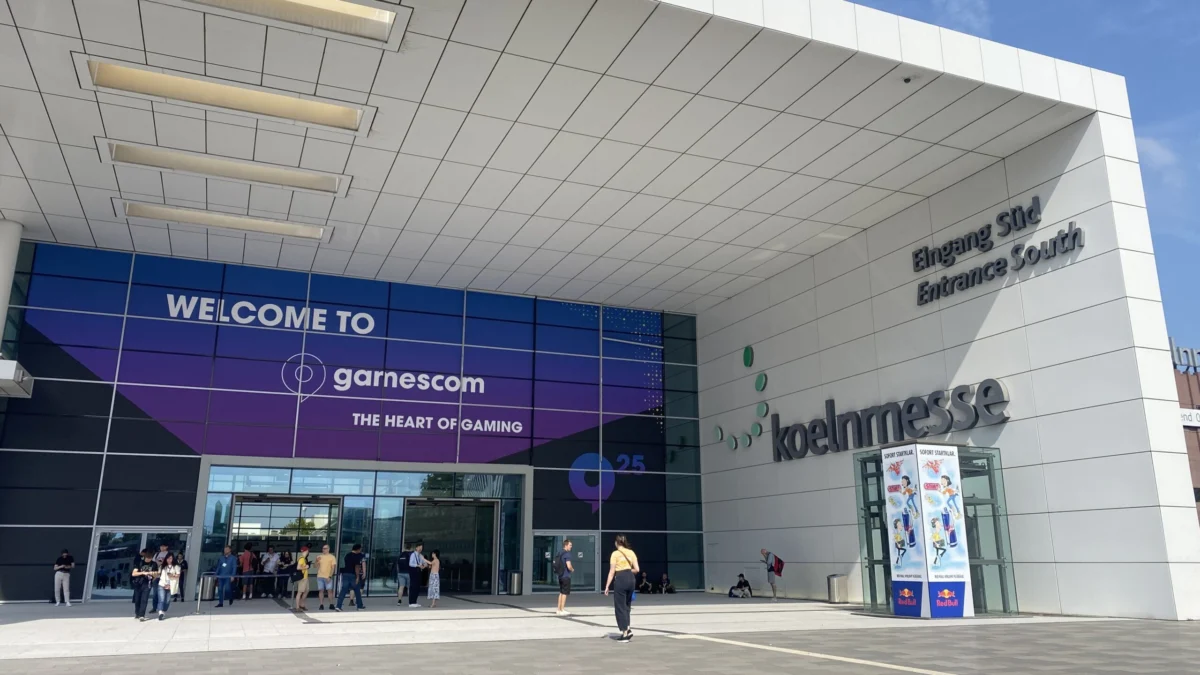
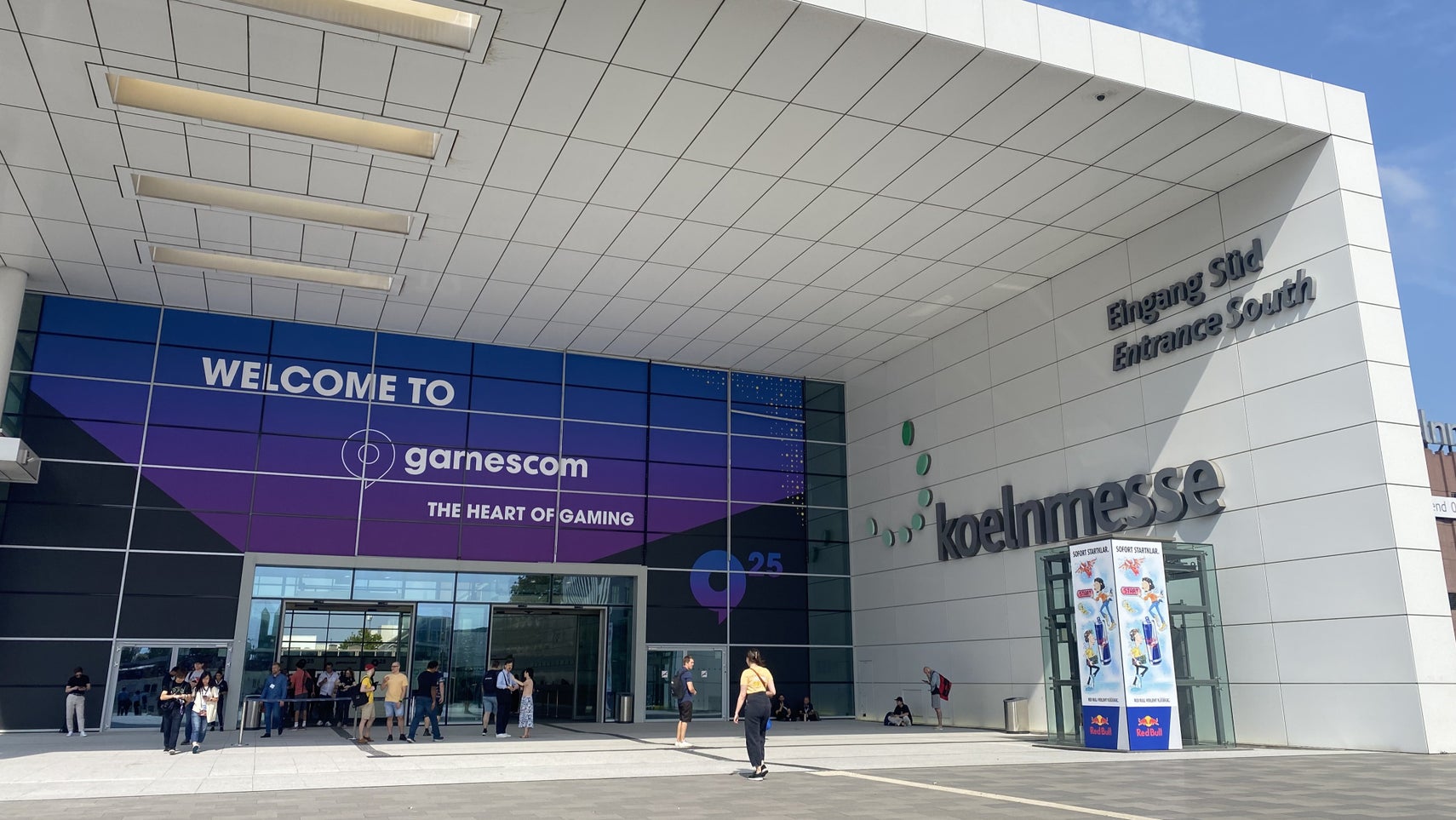
Cologne, Germany – In a groundbreaking development that underscores the burgeoning significance of the interactive entertainment industry, Federal President Frank-Walter Steinmeier is set to make a historic appearance at Gamescom, the world’s largest trade fair for video games. His attendance marks the first time a German head of state has graced the event, an unprecedented move that elevates the gaming sector from a niche interest to a nationally recognized economic and cultural powerhouse. President Steinmeier’s visit is not merely symbolic; he will open the prestigious Gamescom Congress and participate in crucial discussions, signaling a profound shift in political perception towards an industry long underestimated.
The announcement, made by the German games industry organisation game.de, has been met with widespread acclaim from developers, publishers, and enthusiasts alike. It represents a watershed moment for an industry that has consistently demonstrated its economic resilience and cultural influence, now receiving the highest level of governmental acknowledgement. The President’s direct engagement is poised to catalyze further growth, innovation, and public understanding of video games’ multifaceted contributions to modern society.
A Landmark Visit Underscores Gaming’s Growing Clout
Federal President Frank-Walter Steinmeier’s upcoming presence at Gamescom 2024 is far more than a ceremonial gesture; it is a clear affirmation of the German state’s recognition of the video game industry’s strategic importance. As the first German head of state to ever attend the colossal event, his visit inherently carries significant weight, drawing a definitive line under any lingering perceptions of gaming as a mere trivial pastime. Instead, it positions interactive entertainment firmly within the realm of critical economic drivers and cultural innovators.
The President’s itinerary is robust and indicative of a genuine desire to engage with the industry’s various facets. He is slated to formally open the Gamescom Congress, the event’s dedicated summit that explores the intricate intersections of games with culture, politics, and technology. This opening address will be followed by a keynote speech, a platform from which the President can articulate his vision for the sector and its role in Germany’s future. Beyond formal addresses, President Steinmeier will actively participate in a panel discussion specifically focused on the vital role of games within German democracy – a theme that resonates deeply with the Congress’s core objectives for the year.
Crucially, his visit will extend beyond the confines of the congress halls. President Steinmeier is scheduled to tour the main exhibition area of Gamescom, where he will engage directly with game developers, industry professionals, and members of the vibrant gaming community. This hands-on experience is designed to provide him with a first-hand impression of the diverse ways in which games enrich culture and society, offering a direct window into the creative processes, technological advancements, and community spirit that define the industry. This direct interaction is expected to foster a deeper understanding and appreciation at the highest echelons of government, potentially paving the way for more informed policy-making and support structures.
The very fact that the head of state, a figure who embodies the nation’s values and aspirations, is dedicating his time and attention to Gamescom underscores the dramatic shift in how video games are perceived. It is an unequivocal acknowledgment that this industry is not just a source of entertainment but a significant contributor to the German economy, a hotbed of technological innovation, and an increasingly influential medium for cultural expression and civic engagement.
A Timeline of Engagement and Evolution
The 2024 iteration of Gamescom, spanning from August 26th to August 30th, is set to be a particularly momentous occasion, with President Steinmeier’s visit anchoring a week of intensive industry activity. However, the ecosystem around Gamescom begins even earlier, signaling the comprehensive nature of this global gathering.
The week kicks off with Gamescom Dev, formerly known as devcom, which runs from August 23rd to August 25th. This developer-focused conference serves as a vital precursor, bringing together game creators, industry experts, and service providers for in-depth discussions on game development, business strategies, and emerging technologies. It is here that the foundations for future gaming innovations are often laid, fostering networking and knowledge exchange among the creative minds behind the games. The early announcement of speakers and sessions in April highlights the strategic importance of Gamescom Dev as a platform for industry professionals before the public spectacle begins.
Following Gamescom Dev, the spotlight shifts to the Gamescom Congress on August 27th. This is the pivotal day for President Steinmeier’s engagement. His presence at the opening and his participation in the panel discussion will define the intellectual tone of the Congress. The themes for this year’s Congress, "Playing Field Democracy" and "The Games Effect," are particularly pertinent. "Playing Field Democracy" explores the positive influence of video games on democratic education, civic participation, and the fostering of critical thinking skills essential for an engaged citizenry. "The Games Effect" delves into the broader impact of games as an engine of innovation, showcasing how gaming technologies and design principles are increasingly applied across diverse fields – from medical simulations and industrial training to the skilled trades, the service sector, and even public administration. These themes reflect a mature understanding of gaming’s potential far beyond simple entertainment.
The main Gamescom event, which runs from August 26th to August 30th, is where the public converges. Millions of attendees, both virtually and physically in Cologne, will experience the latest game releases, technological advancements, and interactive experiences. It is a spectacle of innovation, community, and passion, attracting developers, publishers, media, and gamers from around the globe. President Steinmeier’s planned visit to the main show floor, where he will meet developers and community members, symbolizes a direct connection between the highest levels of German governance and the very heart of this dynamic industry.
Looking back, Gamescom has undergone a remarkable evolution since its inception. What began as a successor to Leipzig’s Games Convention has blossomed into an unparalleled global platform, consistently breaking attendance records and drawing international attention. Its growth mirrors the exponential expansion of the video game industry itself. While political figures have attended in the past, President Steinmeier’s visit marks an unprecedented level of engagement. Previous interactions have typically involved ministers or state secretaries, primarily focusing on economic or youth protection aspects. This head-of-state endorsement signifies a maturation of political understanding, recognizing gaming not just as an economic niche or a youth phenomenon, but as a central component of digital culture and national innovation strategy. This trajectory from a niche gathering to a major national event attracting presidential attention underscores the profound and rapid shift in public and political perception.
The Economic and Societal Power of Gaming in Germany
The President’s visit is not merely a gesture; it is a recognition rooted in concrete data showcasing the immense economic and societal contributions of the gaming sector in Germany.
Economic Impact: A Multi-Billion Euro Industry
Germany stands as Europe’s largest video game market and one of the most significant globally. Recent data consistently highlights the sector’s robust growth. In 2023, the German games market generated revenues exceeding several billion euros, encompassing software sales, hardware, and online services. This impressive figure underscores the industry’s substantial contribution to the national GDP.
Beyond direct revenues, the gaming sector is a potent engine for job creation. It directly employs tens of thousands of individuals in diverse roles ranging from software developers, artists, and sound designers to marketing specialists, community managers, and esports professionals. Indirectly, it supports a vast ecosystem of related industries, including IT infrastructure, hardware manufacturing, media production, and event management. This creates a significant multiplier effect across the economy, fostering innovation and stimulating growth in adjacent sectors.
Germany’s strategic geographical location, coupled with its strong digital infrastructure and a highly skilled workforce, positions it as a major hub for game development and publishing within Europe. Government initiatives, such as the German Games Fund, which provides substantial financial support for game development projects, have further bolstered this position, encouraging domestic talent and attracting international investment. This systematic support has been crucial in enabling German studios to compete on a global scale, producing critically acclaimed titles and driving export potential for "Made in Germany" interactive entertainment.
Cultural and Social Relevance: Beyond Entertainment
The themes of this year’s Gamescom Congress – "Playing Field Democracy" and "The Games Effect" – provide a crucial framework for understanding the deeper cultural and social contributions of video games.
"Playing Field Democracy" acknowledges the often-underestimated potential of games to foster civic engagement and democratic education. Many modern games, particularly those with complex narratives, strategic elements, or collaborative multiplayer experiences, can cultivate critical thinking, problem-solving skills, and an understanding of diverse perspectives. Simulations and serious games are increasingly used to educate players about historical events, geopolitical dynamics, and complex social issues, encouraging empathy and active citizenship. They provide safe spaces for experimentation with different roles and decisions, allowing players to grasp the consequences of their actions in a simulated environment, thereby enhancing their understanding of democratic processes and responsibilities.
"The Games Effect" speaks to the innovation spillover from the gaming industry into a multitude of other fields. Gamification – the application of game-design elements and game principles in non-game contexts – is transforming education, corporate training, healthcare, and even urban planning. In medicine, sophisticated game engines are used for surgical training, rehabilitation therapies, and patient education. In industry, virtual reality (VR) and augmented reality (AR) technologies, heavily pioneered by gaming, are revolutionizing product design, manufacturing processes, and employee training. From architecture to the skilled trades, the immersive and interactive capabilities developed for games are now providing powerful tools for simulation, visualization, and experiential learning. The creative and technical expertise honed in game development is thus driving innovation across the entire economy.
Furthermore, the demographics of gamers have shattered outdated stereotypes. Gaming is no longer solely the domain of young men; it encompasses a broad spectrum of ages, genders, and backgrounds. This widespread appeal positions games as a powerful medium for cultural expression, storytelling, and community building, reflecting and shaping contemporary society in profound ways. The rise of esports, where professional gamers compete in organized tournaments, has also cemented gaming’s place as a legitimate spectator sport and a significant cultural phenomenon, attracting massive global audiences and investment.
Political Recognition: Policy Shifts and Support
The increasing recognition of gaming’s value has translated into concrete policy initiatives. The German government, through various ministries, has intensified its support for the industry. The aforementioned German Games Fund, administered by the Federal Ministry for Economic Affairs and Climate Action, is a prime example, providing millions of euros in funding annually to German game developers. This strategic investment aims to strengthen Germany as a leading location for game development and secure its competitive edge internationally.
Beyond funding, political discourse around gaming has matured. Discussions now extend beyond youth protection and age ratings – though these remain important – to encompass digital literacy, media competence, and the promotion of STEM skills through gaming. The integration of gaming into Germany’s broader digital agenda highlights its role in driving digitalization and innovation across the nation. This holistic approach signals a long-term commitment to nurturing the industry and leveraging its potential for societal benefit.
Official Responses: Voices from Politics and Industry
The announcement of President Steinmeier’s visit has elicited strong reactions, reflecting the culmination of years of advocacy and the genuine excitement surrounding this unprecedented level of political recognition.
President Steinmeier’s Stance: Embracing Digital Culture
While President Steinmeier himself has yet to issue a direct statement specifically on his Gamescom visit, his broader political philosophy and past pronouncements offer insight into his likely motivations. As a figure deeply committed to strengthening democracy and fostering social cohesion, his engagement with "Playing Field Democracy" is entirely consistent with his vision for a vibrant, engaged citizenry. He has often emphasized the importance of digital transformation and the need for Germany to embrace technological advancements while ensuring inclusivity and democratic values. His willingness to engage with diverse cultural phenomena, including those popular among younger generations, underscores a desire to connect with all segments of society and understand the evolving landscape of modern communication and entertainment. His visit implicitly acknowledges that digital culture, of which gaming is a major component, is an integral part of contemporary German identity and a crucial area for national discourse.
Industry Leaders’ Perspective: Acknowledging a Milestone
Felix Falk, Managing Director of game – The German Games Industry Association, expressed profound gratitude and excitement regarding the President’s visit. "This is a historic moment for the German games industry," Falk might state, "President Steinmeier’s presence at Gamescom sends an unmistakable signal: video games are not just entertainment; they are a central pillar of our economy, a powerful cultural medium, and a significant force for innovation and democratic education. His engagement will undoubtedly strengthen public perception and governmental support for our sector." Similar sentiments would likely be echoed by Gerald Böse, CEO of Koelnmesse, the organizers of Gamescom, who would emphasize the event’s global standing and its capacity to attract such high-level political attention. Developers, from indie studios to major publishers operating in Germany, would also voice their appreciation, seeing it as validation for their creative and entrepreneurial efforts. This visit is the result of sustained advocacy by "game.de" and other industry stakeholders who have tirelessly worked to showcase the sector’s value beyond stereotypes.
Political Commentary: Cross-Party Consensus?
While specific commentary from other political parties might vary in tone, the general sentiment regarding the growth of the digital economy and the importance of innovation tends to cut across the political spectrum in Germany. There is a broad, albeit sometimes understated, consensus on the need to support future-oriented industries. The President’s non-partisan role as head of state allows him to champion causes that benefit the nation as a whole. Therefore, his visit to Gamescom is likely to be viewed as a positive development that promotes German innovation and cultural engagement, receiving general approval from various political factions keen to demonstrate their understanding of modern digital trends and their support for economic growth.
Implications: What This Historic Visit Means for the Future
President Steinmeier’s visit to Gamescom is poised to have far-reaching implications, solidifying the industry’s standing and potentially shaping its future trajectory in Germany and beyond.
Enhanced Legitimacy and Mainstreaming: From Niche to National Priority
Perhaps the most immediate and profound implication is the boost in legitimacy and mainstream acceptance for the video game industry. For too long, gaming has struggled against outdated stereotypes, often dismissed as merely a children’s hobby or a source of societal ills. A visit from the Federal President irrevocably shifts this narrative. It elevates the perception of gaming from a niche pastime to a significant cultural and economic force, worthy of the highest national attention. This newfound recognition will likely lead to greater positive media coverage, more informed public discourse, and a general destigmatization of gaming across all age groups. It sends a clear message that gaming is a legitimate, valuable, and integral part of modern German society, encouraging wider participation and appreciation.
Policy and Funding Boost: Tangible Outcomes?
The President’s direct engagement could serve as a powerful catalyst for increased governmental support and more favorable policy frameworks. His first-hand experience and participation in discussions about "Playing Field Democracy" and "The Games Effect" could translate into a deeper understanding among policymakers. This might lead to an expansion of existing funding programs, the introduction of new incentives for game development and research, or clearer regulatory frameworks that foster innovation while ensuring responsible growth. There’s potential for greater integration of games into educational curricula, public health initiatives, and cultural programs, leveraging their interactive nature for broader societal benefit. The President’s endorsement lends significant weight to arguments for sustained investment in digital infrastructure and talent development crucial for the industry’s continued success.
International Standing: Germany on the Global Stage
As the host of Gamescom, Germany already holds a prominent position in the global gaming landscape. President Steinmeier’s visit further reinforces this standing. It sends a strong signal to the international community – developers, publishers, investors, and talent – that Germany is not only a major market but also a country that actively supports and values the interactive entertainment sector at the highest political level. This could attract more international game studios to establish a presence in Germany, encourage foreign investment, and draw top talent to its burgeoning game development hubs. It solidifies Germany’s reputation as a progressive and innovation-friendly nation, keen to embrace the opportunities presented by the digital age.
Challenges and Opportunities: Looking Ahead
Despite this landmark recognition, the German gaming industry still faces challenges. Competition from established global players, the need for a continuous influx of skilled talent, and the evolving technological landscape demand ongoing adaptation and strategic investment. The President’s visit highlights the opportunities for Germany to address these challenges more effectively. By leveraging the "Games Effect" more broadly, Germany can continue to position itself as a leader not only in game development but also in applying gaming principles to solve real-world problems in sectors like healthcare, education, and industry.
The visit opens avenues for deeper discussions on issues such as diversity and inclusion within the gaming industry, promoting healthy gaming habits, and ensuring responsible innovation. It provides a platform to explore how Germany can best nurture its creative talent, foster entrepreneurial spirit, and maintain its competitive edge in a rapidly evolving global market. Ultimately, President Steinmeier’s historic presence at Gamescom 2024 is more than just an event; it’s a powerful statement about Germany’s vision for its digital future, where interactive entertainment is recognized not just as a source of joy, but as a driving force for economic prosperity, cultural enrichment, and democratic resilience.

 Lina Irawan
 Sagoh
Sagoh