Ammar Sabilarrohman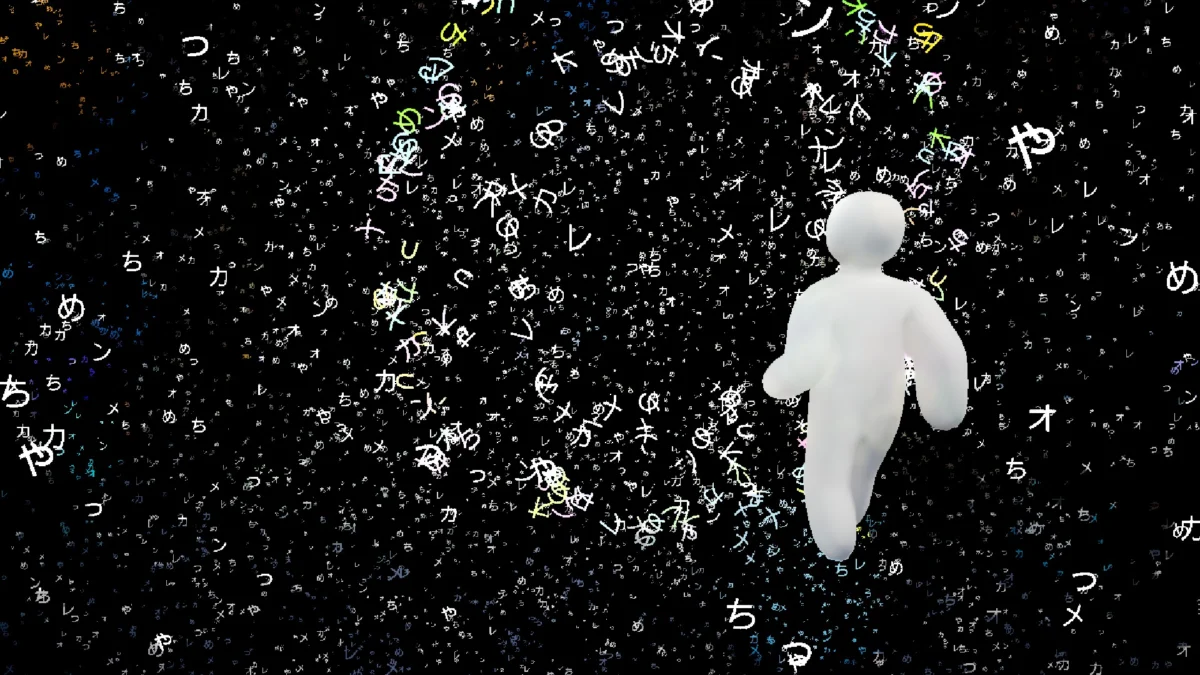
In the crowded landscape of modern multiplayer gaming, where success is often measured by frame-perfect twitch reflexes or the memorization of complex meta-builds, a small, unassuming title has emerged from the indie scene to remind us of a more primal, psychological form of competition. Meccha Chameleon, developed by the two-person team at lemorion_1224, is, at its core, a high-stakes game of hide-and-seek. Yet, it elevates the playground classic into a sophisticated, nerve-wracking exercise in artistic deception and visual manipulation.
Priced at an accessible $6/£5.29, the game invites players to abandon the traditional "prop hunt" formula—where one simply assumes the static form of a pre-existing object—in favor of a manual, paint-based camouflage system. By utilizing an MS Paint-style interface, players must physically color their featureless, marble-like avatars to blend into the geometry of the map. The result is a uniquely "human" experience that pits artistic intuition against the keen eyes of hunters.
The Evolution of Stealth: Beyond the Prop Hunt
For years, the "Prop Hunt" genre has been a staple of multiplayer lobbies, often functioning as a mod for larger titles like Garry’s Mod or Call of Duty. While these games offer a reliable thrill, they are fundamentally limited by their rigid asset libraries. You are a chair, or a trash can, or a crate. Your survival depends on placement and movement.
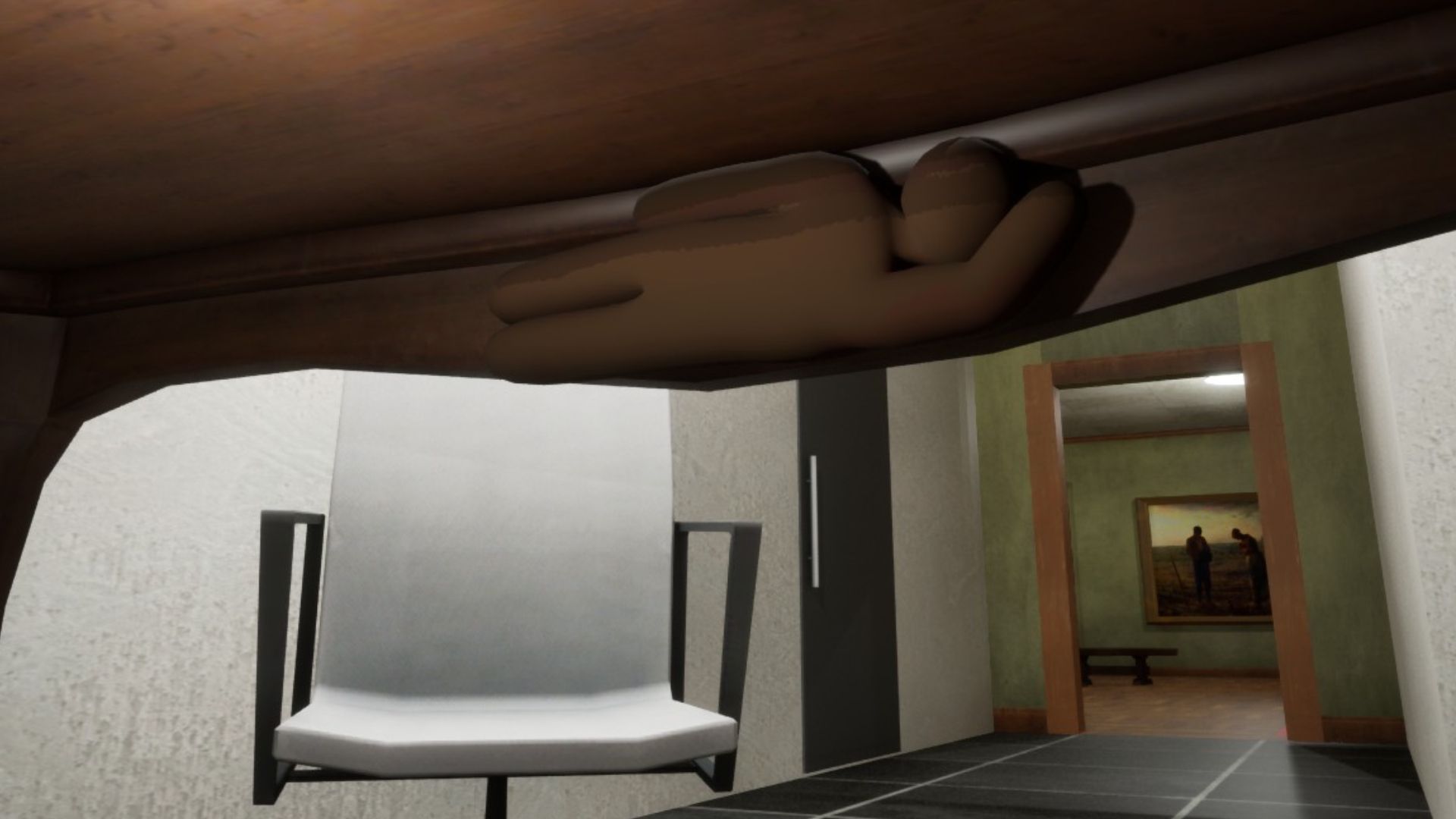
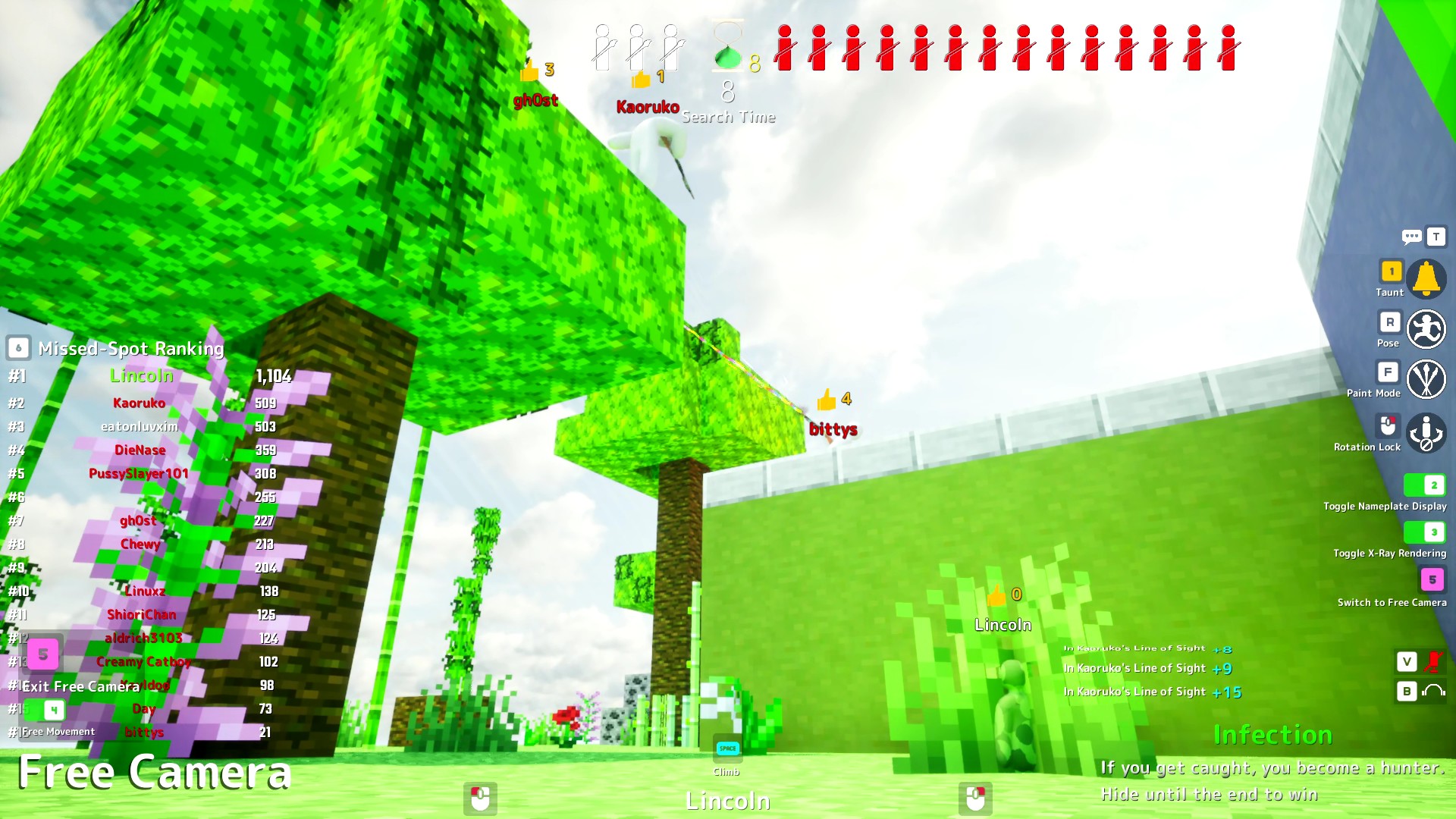
Meccha Chameleon shifts the paradigm entirely. It asks not just where you hide, but how you look while doing it. Once the hiding phase begins, the player is granted a brief window to apply textures, colors, and patterns to their character. This is where the game transitions from a simple hide-and-seek simulator into a psychological thriller. The "canvas" is not just the player, but the map itself, which is often dense with detail, light, and shadow.
Chronology of a Match: The Ritual of the Hunt
To understand the tension inherent in Meccha Chameleon, one must look at the standard lifecycle of a single round.
1. The Preparation Phase:
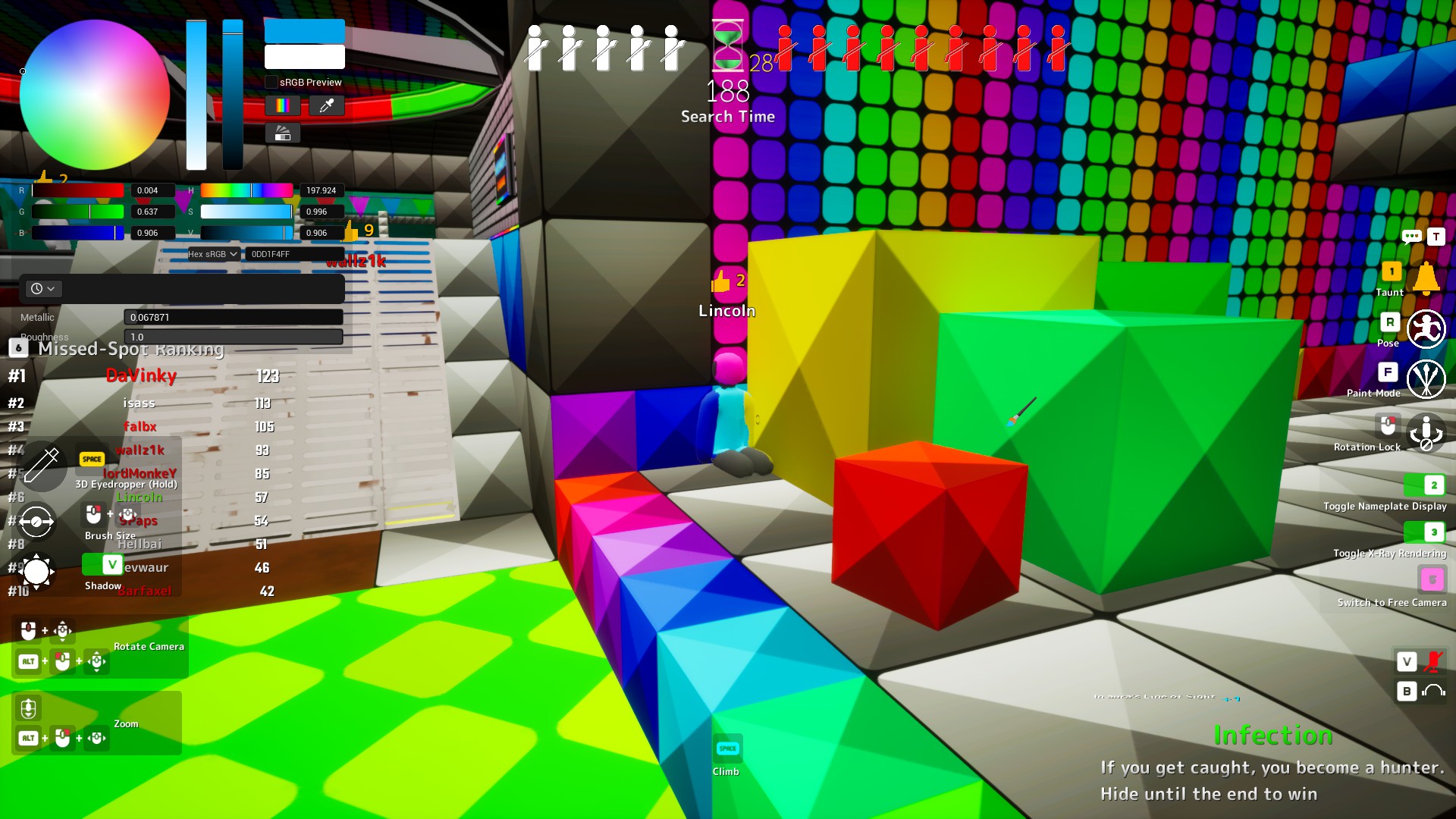
As the round starts, the hider is dropped into a map—often a vibrant, cluttered environment. With a ticking clock, the player must scan the immediate area, find a suitable surface, and initiate the painting tool. This requires a rapid analysis of environmental lighting, material textures, and potential sightlines.
2. The Execution of the Illusion:
This is the heart of the game. A player might decide to nestle into a tuft of grass or press themselves against a textured wall. Using an eyedropper tool to pull colors directly from the environment, they must layer their brushstrokes to match the surrounding aesthetic. It is a process of "sculpting" oneself into the geometry.
3. The Hunt:
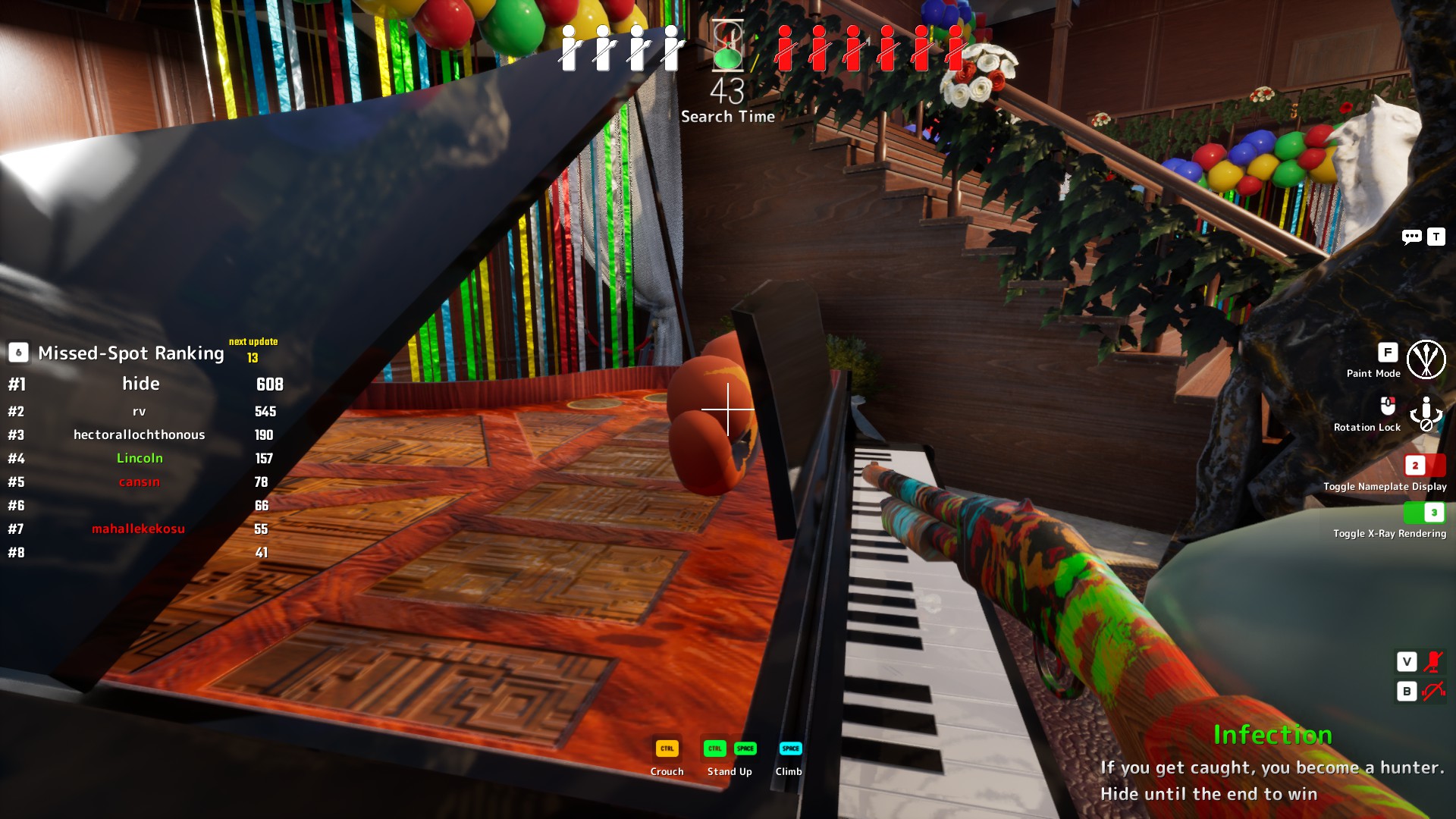
Once the hiding period ends, the hunters are unleashed. Armed with shotguns and a sense of mounting paranoia, they scan every inch of the environment. The brilliance of the game lies in the "Vanishing Point"—that moment when a hunter walks directly past a perfectly camouflaged player, their eyes failing to register the anomaly because the brain has already categorized the player as a harmless piece of background decor.
4. The Climax:
Survival is not just about being hidden; it is about the internal monologue of the hider. The thrill of remaining perfectly still while a hunter stomps mere inches away, oblivious to your presence, is a rush that few AAA titles manage to replicate.
Supporting Data: Technical Realities and Community Engagement
While the gameplay loop is masterfully designed, the technical infrastructure of Meccha Chameleon reflects its "shoestring" production origins.
- Platform: Reviewed on a high-end system (NVIDIA RTX 4070 Super, Intel Core i7 14700KF, 32 GB RAM), the game runs smoothly, but the polish is inconsistent.
- Production Constraints: With only two developers behind the project, users should expect common indie-title pitfalls. Collision detection can be temperamental, and desync issues between clients are not uncommon.
- The UI Experience: The user interface is functional but rudimentary. There are two "eyedropper" tools, only one of which performs reliably, and the lack of reflection mapping on painted surfaces can occasionally break the immersion.
- Networking: The lack of a "Quick Match" feature or ping indicators in the server browser means that players often find themselves in high-latency lobbies, forcing a reliance on hope and local server tags.
Official Responses and Developer Stance
The developers at lemorion_1224 have been active in attempting to address the game’s shortcomings, though their progress has been uneven. Patch notes have historically been volatile; there have been instances where a bug-fix update was subsequently rolled back after introducing secondary performance issues.
The most significant challenge remains the lack of robust moderation. As the game has grown in popularity, the absence of a clear reporting system—compounded by the fact that many menu buttons are unlabeled—has created a "Wild West" environment. Players who abuse the painting system to display inappropriate imagery or hate symbols are currently only addressed through host-kicking, which is an ineffective long-term solution.
Implications for the Future of Multiplayer Gaming
The success of Meccha Chameleon suggests a growing appetite for games that leverage "transferable skills." Unlike many competitive shooters that demand an investment in mechanical muscle memory, Meccha Chameleon rewards cognitive and artistic traits. It forces players to think about visual perception: How do shadows fall? Where does the human eye naturally gravitate in a room?
For those who have spent years doodling in notebooks or watching digital art tutorials, this game provides a weaponized application for those skills. It is, in a sense, the ultimate test of "visuospatial awareness."
The Verdict: A Rough Diamond
Is Meccha Chameleon a polished, perfect product? No. It is a game plagued by the limitations of its budget, marred by a lack of moderation, and burdened by a UI that feels like a work-in-progress. However, to focus solely on these technical blemishes is to miss the forest for the trees.
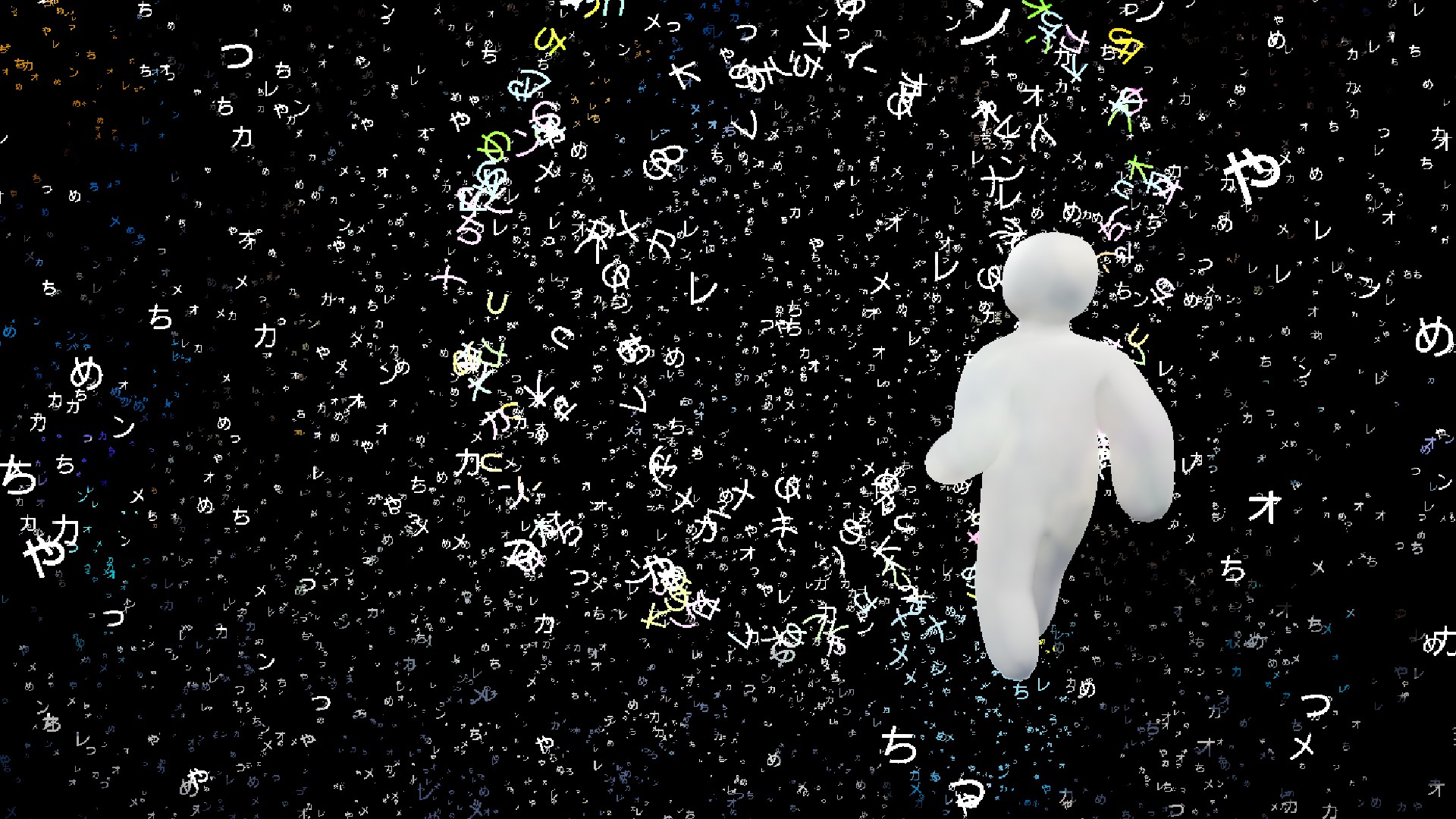
The game succeeds because it manages to do what many massive, multi-million dollar projects fail to do: it provides a unique, memorable experience. It fosters a level of social interaction—even if that interaction is one of "psychological torment"—that feels genuinely innovative.
If you are a player who can look past the collision bugs and the sometimes-frustrating server browser, you will find a playground for the creative mind. It is a testament to the idea that, in game design, a strong, singular core mechanic is worth more than a thousand hours of high-fidelity graphics. Meccha Chameleon is not just a game; it is a lesson in how little it truly takes to make the mundane act of hiding feel like the most exhilarating thing in the world.
Summary Table: Game Profile
| Feature | Details |
|---|---|
| Genre | Competitive Camouflage / Hide-and-Seek |
| Developer | lemorion_1224 |
| Price | $6.00 / £5.29 |
| Multiplayer | Yes (Dedicated servers/Host) |
| Key Strength | Creative, high-tension psychological gameplay |
| Key Weakness | Lack of moderation and technical instability |
Ultimately, Meccha Chameleon exceeds its "friendslop" trappings—those low-budget, chaotic multiplayer titles we play to kill time—by offering a genuinely rewarding, albeit flawed, creative challenge. It remains a must-play for anyone looking to test their wits against the human eye in a way that feels fresh, artistic, and undeniably fun.


 Asro
Asro
 Muslim