

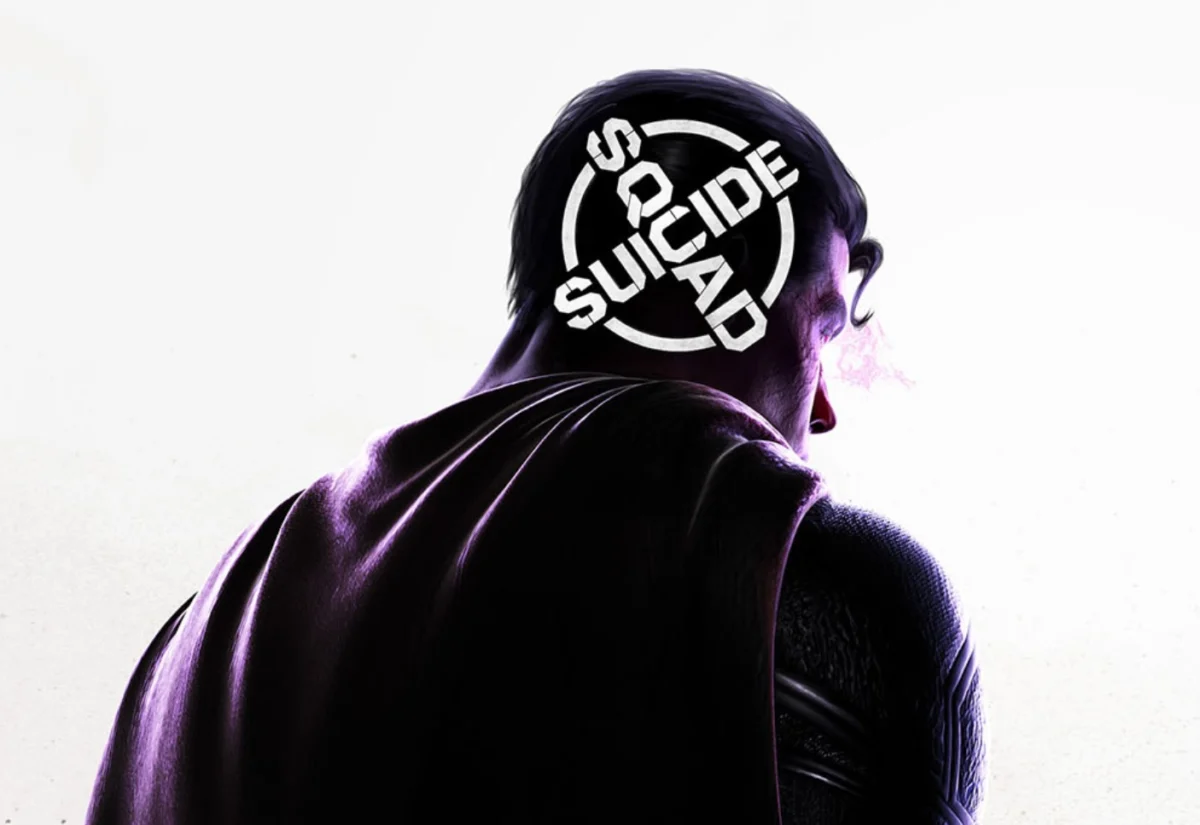
The gaming industry is often defined by the tension between creative vision and corporate fiscal responsibility. Few stories illustrate the catastrophic failure of this balance as poignantly as the trajectory of Suicide Squad: Kill the Justice League. Once the crown jewel of the DC gaming canon, Rocksteady Studios—the developer behind the critically acclaimed Batman: Arkham trilogy—found itself at the center of a $200 million failure by the end of 2024.
Fresh insights from former director Axel Rydby have shed light on the internal rot that plagued the title’s production. What began as a project born of creative pedigree ultimately devolved into a data-driven exercise in monetization, alienating both the developers who poured years of their lives into the project and the fanbase that expected a masterpiece.
The Chronology of a Misguided Ambition
The descent of Suicide Squad was not an overnight occurrence but a slow, systematic drift away from Rocksteady’s core strengths.
- 2018: The Genesis: Axel Rydby joined the studio during a period of high confidence. The Arkham trilogy had cemented Rocksteady as the gold standard for superhero gaming. The team, riding the momentum of their previous successes, began conceptualizing a new entry in the DC universe.
- 2020: The Announcement: The game was formally unveiled to the world, promising a high-octane, open-world experience featuring the Suicide Squad. Initial trailers showcased the studio’s signature polish, though early whispers of a "live-service" model began to circulate.
- 2022: The Pivot: Originally slated for a 2022 release, the game suffered multiple delays. According to Rydby, this period was the inflection point. As the release window slipped, executive pressure mounted to ensure the game would recoup its ballooning budget. The focus shifted from "Is this fun?" to "How do we maximize player spending?"
- 2024: The Launch and Aftermath: The game finally arrived in early 2024 to a lukewarm reception that quickly turned glacial. By the end of the year, parent company WB Games reported a staggering $200 million loss directly attributed to the project’s performance.
The Spreadsheet Mandate: Killing the Creative Spirit
Perhaps the most damning revelation in Rydby’s recent interview with Bloomberg is the shift in the decision-making process. For many developers, the allure of the gaming industry lies in the "magic"—the iterative process of refining mechanics, crafting narrative beats, and perfecting the "feel" of a game.
Rydby describes a fundamental erosion of this process: "That’s when I started feeling like I wasn’t making games anymore. I was following a spreadsheet, some elusive marketing-analysis spreadsheet that no one could present clearly."
This "spreadsheet-driven" development is a growing plague in AAA gaming. It relies on the assumption that if you aggregate enough market data regarding microtransactions, battle passes, and player retention loops, you can manufacture a successful product. However, this approach ignores the intangible quality that made Batman: Arkham Asylum and Arkham City so beloved: the uncompromising vision of a coherent, high-quality, single-player experience. When executives prioritize the monetization model over the game design, the soul of the product evaporates.
Supporting Data: A Market-Driven Failure
The financial fallout for WB Games was not merely a result of bad luck; it was a reflection of a fundamental misunderstanding of the target audience. Fans of Rocksteady were looking for a continuation of the studio’s narrative prowess. Instead, they were handed a live-service "looter-shooter" designed to keep them engaged in a treadmill of repetitive tasks.
The $200 million loss serves as a stark metric of this misalignment. In the modern gaming landscape, players are increasingly wary of "Games as a Service" (GaaS) titles that feel designed by a committee of accountants. When the community senses that a game is built to extract revenue rather than provide entertainment, the rejection is swift and absolute.
Furthermore, the technical polish—while admittedly high—could not compensate for the lack of gameplay depth. The cutscenes were cinematic marvels, and the world-building was meticulous, but these elements functioned more as a "shiny veneer" over a hollow core. As Rydby noted, the team had lost their way, trading the craft of game design for the management of virtual assets.
The Human Cost: Burnout and Departure
The human impact of this project cannot be overstated. When talented developers feel that their creative output is being stifled by opaque, executive-mandated metrics, they leave. Rydby himself has since departed Rocksteady, moving on to found an independent studio where he is currently working on a project titled Secret of Circadia.
His story is indicative of a broader trend: the exodus of veteran talent from major studios as they become increasingly corporate. When the people who built the industry’s most iconic titles no longer feel like they are working in the "gaming industry" they once loved, the loss to the medium is irreparable. The frustration voiced by developers on Suicide Squad is a clear warning sign to major publishers: when you treat game development like a spreadsheet, you lose the talent that makes your products profitable in the first place.
Implications for the Future of Rocksteady and Beyond
Where does this leave Rocksteady? The studio currently stands at a crossroads. While no official announcement regarding their next project has been made, rumors persist that the team may return to its roots: a single-player, narrative-driven Batman experience.
The implications of the Suicide Squad debacle are twofold:
- A Correction for the Industry: The $200 million loss is a powerful signal to the industry that the "live-service everything" era is nearing its end. Studios that force multiplayer components into inherently single-player franchises risk both financial ruin and irreparable brand damage.
- The Return of Creative Autonomy: For Rocksteady to regain its status as a premier developer, it must reclaim its creative autonomy. Success in the AAA space requires a return to "design-first" principles, where monetization is a secondary consideration—not the guiding force of the development cycle.
Conclusion: Lessons from the Abyss
The failure of Suicide Squad: Kill the Justice League is not just a footnote in the history of WB Games; it is a case study in the dangers of prioritizing data over design. By ignoring the very things that made them successful—narrative depth, atmospheric world-building, and mechanical satisfaction—Rocksteady’s leadership allowed a once-legendary studio to drift into the abyss of generic live-service malaise.
For the developers who stayed, the experience was one of disillusionment. For the fans, it was a profound disappointment. And for the industry at large, it is a reminder that while spreadsheets can track revenue, they cannot generate the spark of genius required to make a truly great game. As the studio looks toward its next chapter, the ghost of Suicide Squad serves as a sobering reminder: you cannot monetize your way to a masterpiece. True success is found when the developers are allowed to dream, not just calculate.











