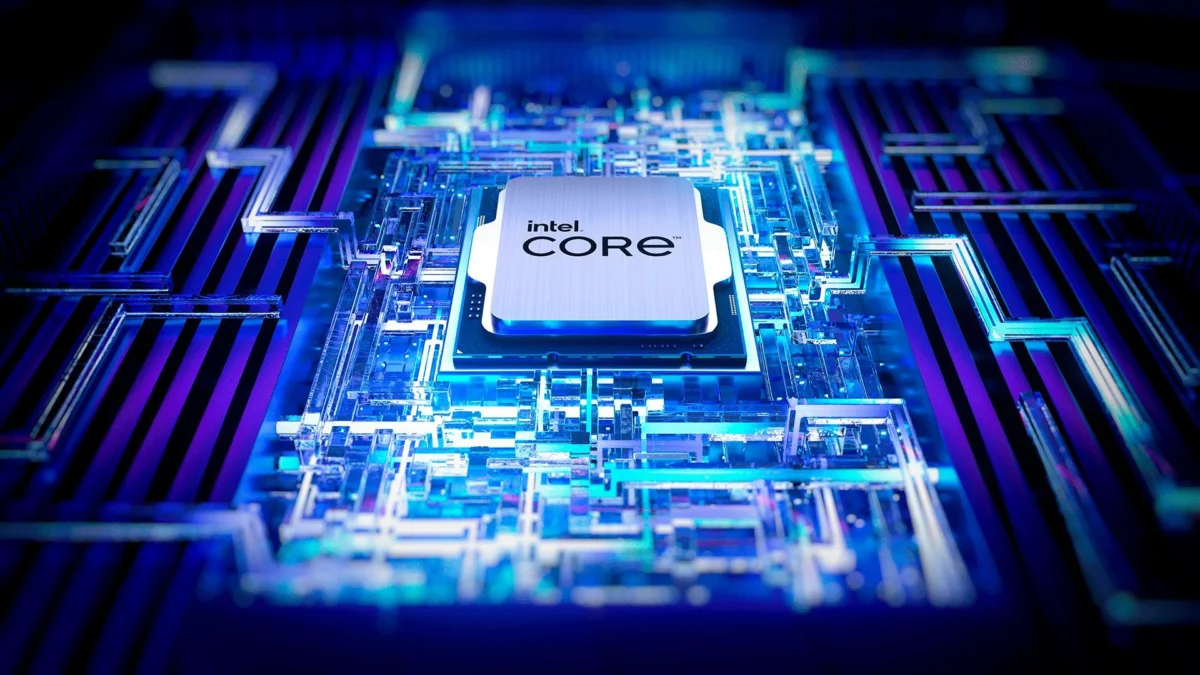
Intel Corporation is signaling a significant shift in its roadmap, with recent evidence pointing toward the development of a product line colloquially and internally dubbed "Raptor Lake Next" (RPL-NEXT). While the semiconductor giant has been aggressively pushing forward with its Core Ultra and Meteor/Arrow Lake architectures, the emergence of "Raptor Lake Next" suggests that Intel is not yet ready to abandon its mature, highly efficient LGA-1700 platform.
This development, supported by internal driver leaks and shipping manifests originating from Vietnam, suggests that Intel is preparing a strategy reminiscent of AMD’s successful approach to platform longevity. By breathing new life into older socket architectures, Intel appears to be positioning itself to capture the budget-conscious and enterprise-grade segments of the market that remain resistant to the frequent motherboard upgrades required by newer, bleeding-edge architectures.
The Core Facts: What Is "Raptor Lake Next"?
The term "Raptor Lake Next" first surfaced in technical circles earlier this year, but recent data confirms that this is not merely a rumor—it is an active development project. The primary evidence for this initiative comes from two distinct sources: internal software drivers and international logistics data.
The Driver Evidence
Intel recently pushed an internal test driver that explicitly references "RPL-NEXT." In the world of hardware development, driver labeling is a crucial indicator of silicon readiness. These drivers are used by engineers to validate hardware performance, thermal behavior, and instruction set compatibility within the OS environment. The presence of these labels indicates that silicon samples are already in the hands of validation engineers, suggesting that the architecture has moved beyond the design phase and into the testing and optimization cycle.
The Shipping Manifests
Complementing the software evidence, shipping manifests from Vietnam—a key hub for Intel’s assembly and testing operations—have revealed the movement of processors labeled "Raptor Lake Next." These records, which date back to August, provide more than just a name; they offer a glimpse into the specifications of these chips. By analyzing the cache sizes and clock frequency data embedded within these manifests, analysts have been able to deduce that these processors are likely optimized iterations of the existing Raptor Lake architecture, refined for improved efficiency and potentially higher instructions-per-clock (IPC) gains.
Chronology of Development
The emergence of "Raptor Lake Next" did not happen in a vacuum. It follows a distinct timeline that reflects Intel’s reaction to market pressures and the changing landscape of PC building.
- June 2024: Tom’s Hardware provides the first credible reports regarding Intel’s intent to revisit the LGA-1700 socket. This report hinted at a "surprise" return to DDR4 support for upcoming processors, defying the industry-wide trend toward exclusive DDR5 adoption.
- August 2024: Logistics data from Vietnam begins to reflect the export of engineering samples tagged with the "Raptor Lake Next" nomenclature. This confirms that physical silicon is being produced and moved for internal testing.
- October 2024: The public discovery of internal Intel drivers confirms that software support for these chips is actively being developed. This signifies that the project is no longer just a hardware experiment but a product slated for potential market integration.
- Early 2027 (Projected): Industry analysts project that the "Raptor Lake Next" platform will see a formal rollout, likely targeting the mid-range and budget markets where the cost of entry for newer, DDR5-only platforms remains a barrier to adoption.
Supporting Data: Why LGA-1700?
To understand why Intel would revisit the LGA-1700 socket, one must look at the economics of the current PC market. The LGA-1700 socket, which hosted the 12th, 13th, and 14th generations of Intel Core processors, is one of the most mature platforms in the company’s history.
The DDR4 Advantage
A significant portion of the global PC install base—particularly in the commercial, educational, and budget-gaming sectors—continues to utilize DDR4 memory. While DDR5 offers superior bandwidth, the price-to-performance ratio of DDR4 remains highly attractive. By supporting DDR4 with "Raptor Lake Next," Intel is effectively lowering the total cost of ownership for system builders and OEMs who want to refresh their hardware without being forced into an expensive memory and motherboard migration.
Thermal and Power Efficiency
Raptor Lake was lauded for its performance but criticized for its thermal output at the high end. "Raptor Lake Next" appears to be an architectural optimization, focusing on "binning" and refined lithography to extract better performance-per-watt. By optimizing an existing, proven architecture rather than rushing a new, potentially unoptimized one, Intel can deliver stable, high-clock-speed processors that are "plug-and-play" compatible with existing cooling solutions and motherboards.
Official Responses and Corporate Stance
As of this writing, Intel has maintained a policy of "no comment" regarding unreleased product roadmaps. This is standard corporate procedure for a company that must balance the need to excite shareholders with the necessity of keeping competitors in the dark.
However, industry insiders suggest that this "Raptor Lake Next" project aligns with Intel’s broader "IDM 2.0" strategy. The goal is to maximize the utilization of existing manufacturing capacity. If Intel can produce a competitive, high-margin chip using existing floor space and mature process nodes, it serves the bottom line far better than diverting precious foundry time to experimental silicon.
When asked about the future of the LGA-1700 socket, Intel executives have frequently spoken about the importance of "platform longevity" and "meeting the customer where they are." While they do not confirm specific models, these statements serve as a broad acknowledgment that the company recognizes the market’s frustration with rapid-fire socket changes.
Implications for the Industry
The move to release "Raptor Lake Next" has profound implications for both consumers and competitors.
For the Consumer
For the average PC user, this is a win. It provides a clear upgrade path for those who bought into the LGA-1700 ecosystem years ago. Instead of replacing a motherboard and RAM, users may be able to simply drop in a modern, highly optimized processor, effectively extending the lifespan of their PCs by another two to three years. This is a significant blow to the "planned obsolescence" narrative that often plagues the tech industry.
For Competitors (AMD)
AMD has been the undisputed king of platform longevity, with the AM4 socket remaining relevant long after its introduction. By adopting a similar strategy, Intel is directly neutralizing one of AMD’s strongest competitive advantages. If Intel can prove that an older socket can still compete in terms of modern performance, the "upgradeability" argument for switching to Team Red becomes significantly weaker.
For the OEM Market
System integrators and laptop manufacturers rely on consistency. A mature platform like LGA-1700 allows these companies to streamline their supply chains, reduce testing overhead, and provide more stable, reliable systems to enterprise clients. The introduction of "Raptor Lake Next" is a signal to these partners that Intel is committed to providing stability alongside performance.
Conclusion: A Pragmatic Evolution
The "Raptor Lake Next" initiative is a testament to the changing priorities of the semiconductor industry. In an era where silicon manufacturing is becoming increasingly expensive and complex, the ability to derive maximum value from proven, high-performing architectures is a competitive edge.
While the enthusiasts may always chase the latest and greatest, the market—the vast majority of users, businesses, and gamers—demands stability, value, and reliability. By revisiting the LGA-1700 socket with "Raptor Lake Next," Intel is not admitting defeat or a lack of innovation; rather, it is demonstrating a pragmatic, customer-focused evolution. As the 2027 release window approaches, it is clear that Intel’s future is not just about what is new, but about how effectively it can leverage the strength of what has already been built.
As the industry watches for further leaks or official announcements, one thing remains certain: the battle for the budget and mid-range PC market is far from over, and Intel is prepared to fight it using the most potent weapon in its arsenal—a platform that the world already knows, trusts, and uses.