Laily UPN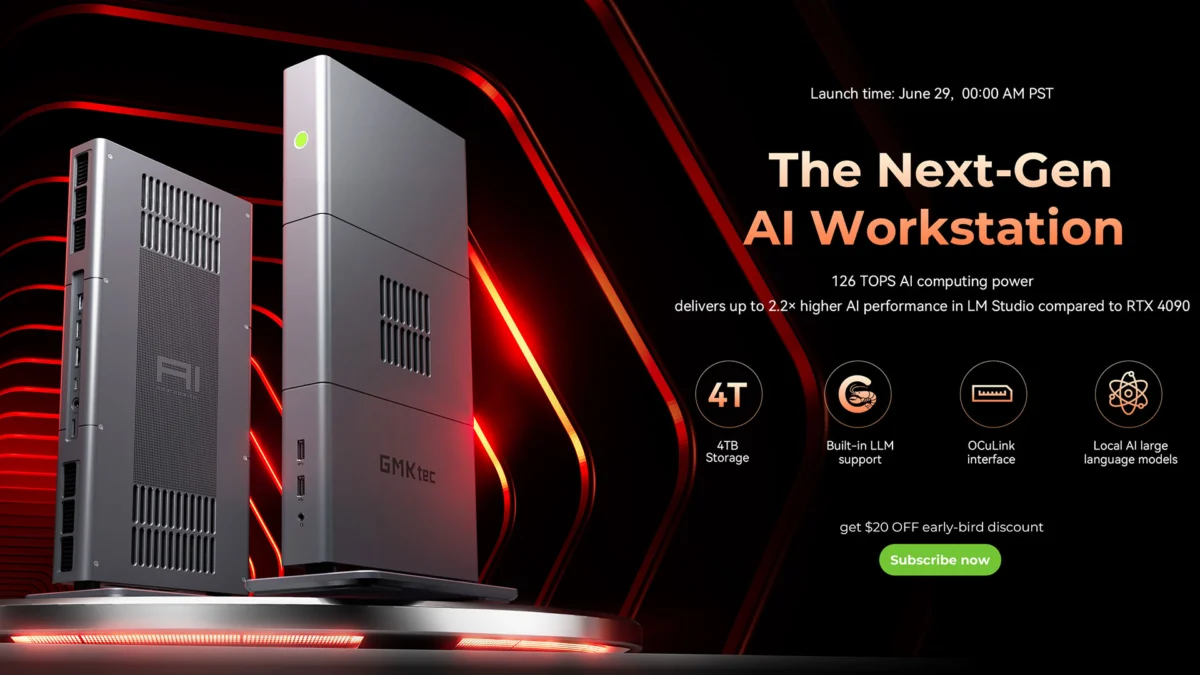
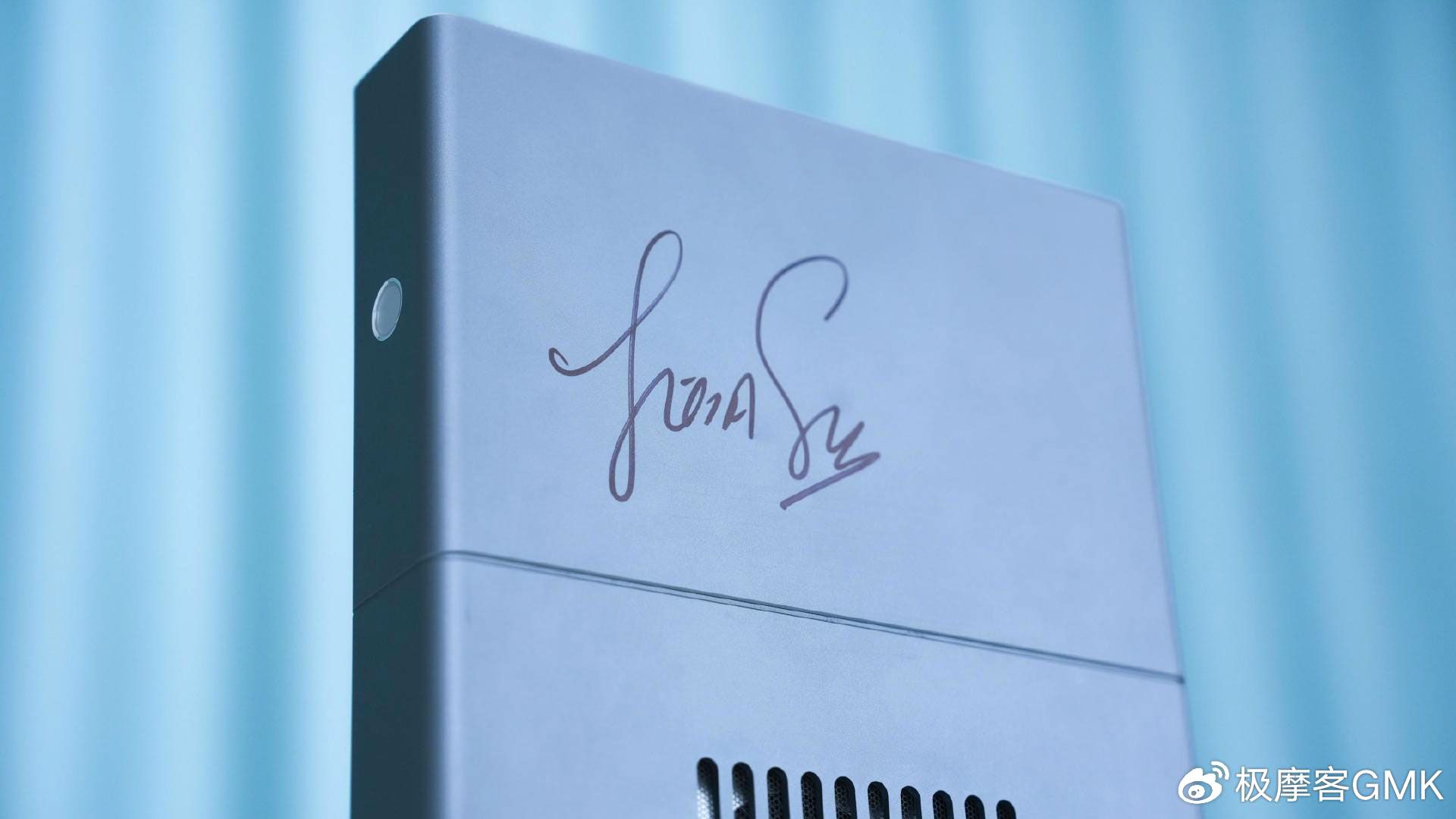
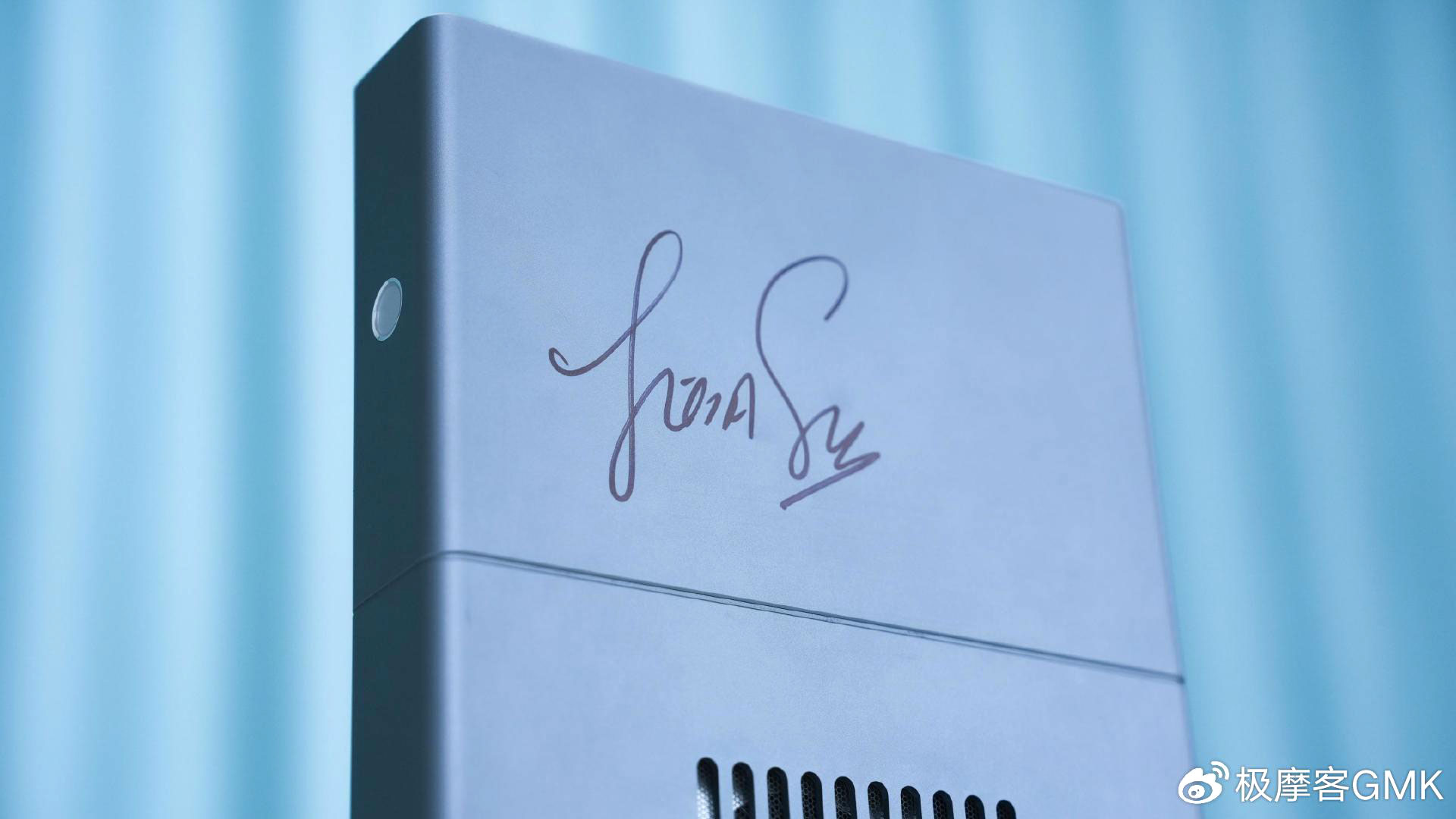
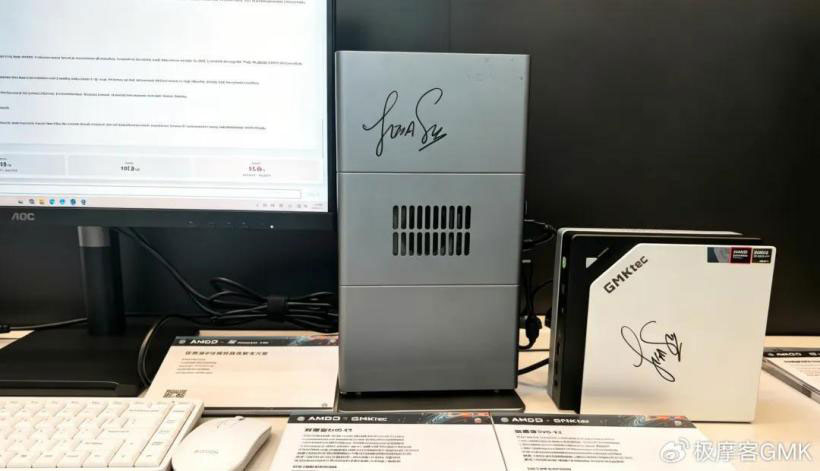
In an increasingly crowded market for compact computing, GMKtec has positioned itself as a serious contender by leaning heavily into the "AI workstation" narrative. The company has officially unveiled its latest flagship, the EVO-X3, a machine that promises to bridge the gap between pocket-sized convenience and professional-grade performance. With early access registration opening on Monday, June 22, and shipping slated for early July, the device is already generating buzz—not least because it has secured the symbolic seal of approval from AMD CEO Lisa Su, a tradition that began with its predecessor, the EVO-X2.
However, beneath the polished exterior and the "next-gen AI" marketing, the EVO-X3 represents a complex proposition for enthusiasts and professionals alike. While the internal specifications remain largely consistent with the previous generation, the physical architecture has undergone a radical transformation. As GMKtec attempts to justify a significant price hike, the industry is watching closely to see if this iteration is a genuine refinement of the mini PC form factor or merely a cosmetic refresh with a luxury price tag.
The Evolution of the EVO Series: From X2 to X3
To understand the trajectory of the EVO-X3, one must first look at the EVO-X2, which arrived earlier this year to a mixed reception. While the X2 was lauded for its internal power, it drew sharp criticism for its build quality. Reviewers noted that the chassis felt surprisingly "cheap" for a high-performance machine, and users frequently cited frustrations regarding internal accessibility and excessive fan noise under load.
The EVO-X3 appears to be GMKtec’s direct response to these specific grievances. The most visible change is the chassis design, which has been overhauled to prioritize thermal management and build integrity. The company has integrated a "silent triple fan thermal system," a design choice that draws inspiration from the cooling arrays found in high-end dedicated graphics cards. This move to a more robust, "steel-wrapped" design suggests that GMKtec is aiming to move away from the plastic-heavy aesthetic of previous models in favor of a more industrial, professional look.
Core Specifications: The Strix Halo Foundation
At the heart of the EVO-X3 lies the AMD Ryzen AI Max+ 395—the highly anticipated ‘Strix Halo’ processor. This silicon is designed to deliver robust CPU and GPU performance, effectively acting as an all-in-one engine for AI-driven workflows, content creation, and high-fidelity gaming.
Interestingly, GMKtec has opted to stick with the 395 variant rather than upgrading to the more recent ‘Gorgon Halo’ Ryzen AI Max+ 495. While the 495 represents the latest in AMD’s roadmap, market sentiment toward the Ryzen AI 400 series refresh has been tepid. By remaining with the 395, GMKtec likely benefits from a more mature driver ecosystem and verified performance stability, which is essential for a workstation-class device.
The memory and storage configurations underscore the machine’s "workstation" ambitions. Both launch models come equipped with 128GB of LPDDR5X-8000 RAM. This massive amount of unified memory is a critical feature for AI model training and large-scale data manipulation, where memory bandwidth and capacity are often the primary bottlenecks. For storage, users have a choice between 2TB and 4TB NVMe SSDs, with the system supporting up to 8TB of total capacity via two M.2 2280 PCIe Gen4x4 slots.
Connectivity and Industrial Design
In the realm of professional workstations, connectivity is just as vital as raw processing power. The EVO-X3 addresses this with a comprehensive suite of ports:
- OCuLink: A critical inclusion for power users who want to connect an external GPU (eGPU) to bypass the bandwidth limitations of traditional external interfaces.
- USB4: Providing versatility for data, power delivery, and high-resolution video output.
- HDMI 2.1: Ensuring compatibility with modern high-refresh-rate displays.
- Networking: The inclusion of Wi-Fi 7 and Bluetooth 5.4 ensures the device is future-proofed for high-speed wireless environments.
- Legacy and Standard I/O: The device retains essential USB-A ports, an Ethernet jack, and a dedicated headset jack, ensuring that the machine functions as a drop-in replacement for traditional desktop towers.
Price Disruption and Market Positioning
The most controversial aspect of the EVO-X3 is its pricing strategy. When the EVO-X2 launched, it carried a price tag of $1,499. Today, that same machine retails on platforms like Amazon for approximately $1,999. The EVO-X3, however, enters the market at a significantly higher tier:
- 128GB RAM / 2TB SSD: $3,600 (Pre-launch discounted price)
- 128GB RAM / 4TB SSD: $3,849 (Pre-launch discounted price)
These figures represent a steep climb in cost, even when accounting for the increased RAM capacity and the improved thermal chassis. For many, this will be the primary barrier to adoption. The transition from a "budget-friendly performance" category to a "premium workstation" category is a risky maneuver. Whether the market is willing to pay a near-400% premium over previous-gen entry-level mini PCs will depend entirely on the real-world performance benefits of the improved cooling and the stability of the Strix Halo platform.
Implications for the Mini PC Industry
The launch of the EVO-X3 highlights a broader trend: the "miniaturization" of the professional workstation. For years, the mini PC segment was synonymous with home theater PCs or basic office computing. Today, with the integration of processors like the Strix Halo and massive 128GB memory configurations, these devices are encroaching on the territory once held exclusively by mid-tower workstations.
However, the "AI Workstation" label carries heavy weight. To truly earn this title, the hardware must not only be powerful but also sustainable under long-term load. The "silent triple fan" system mentioned by GMKtec is a major claim; if it succeeds in keeping the Ryzen AI Max+ 395 cool without the shrill, high-pitched noise that plagues smaller, single-fan systems, it could set a new standard for the industry.
Furthermore, the choice to stick with the 395 over the 495 is an interesting signal to the industry. It suggests that companies are prioritizing stability and proven silicon over the "latest and greatest" marketing cycle—a pragmatic approach that is often appreciated by enterprise clients who value uptime over theoretical benchmark leads.
Final Thoughts: The Path Forward
As the June 22 early access date approaches, the GMKtec EVO-X3 finds itself in a precarious position. It is a device that aims to shed the "hobbyist" reputation of its predecessor to appeal to professionals who need serious power in a small footprint.
The success of the EVO-X3 will not be decided by its spec sheet—which is undoubtedly impressive—but by the execution of its design. The shift to a premium, steel-enforced chassis and a multi-fan cooling array must prove that it can handle the thermal output of the Strix Halo chip under the sustained, heavy-duty workloads it claims to support.
If GMKtec can prove that the build quality matches the price, they may well succeed in redefining what a mini PC can be. If not, the EVO-X3 risks becoming a high-priced curiosity—a powerful piece of hardware wrapped in a promise of "next-gen" performance that fails to justify its premium cost. For now, all eyes are on the July 6 shipping date, when the first units will reach the hands of the developers and power users who will truly put this "AI Workstation" to the test.

 Pevita Pearce
 Neng Nana