Asep Darmawan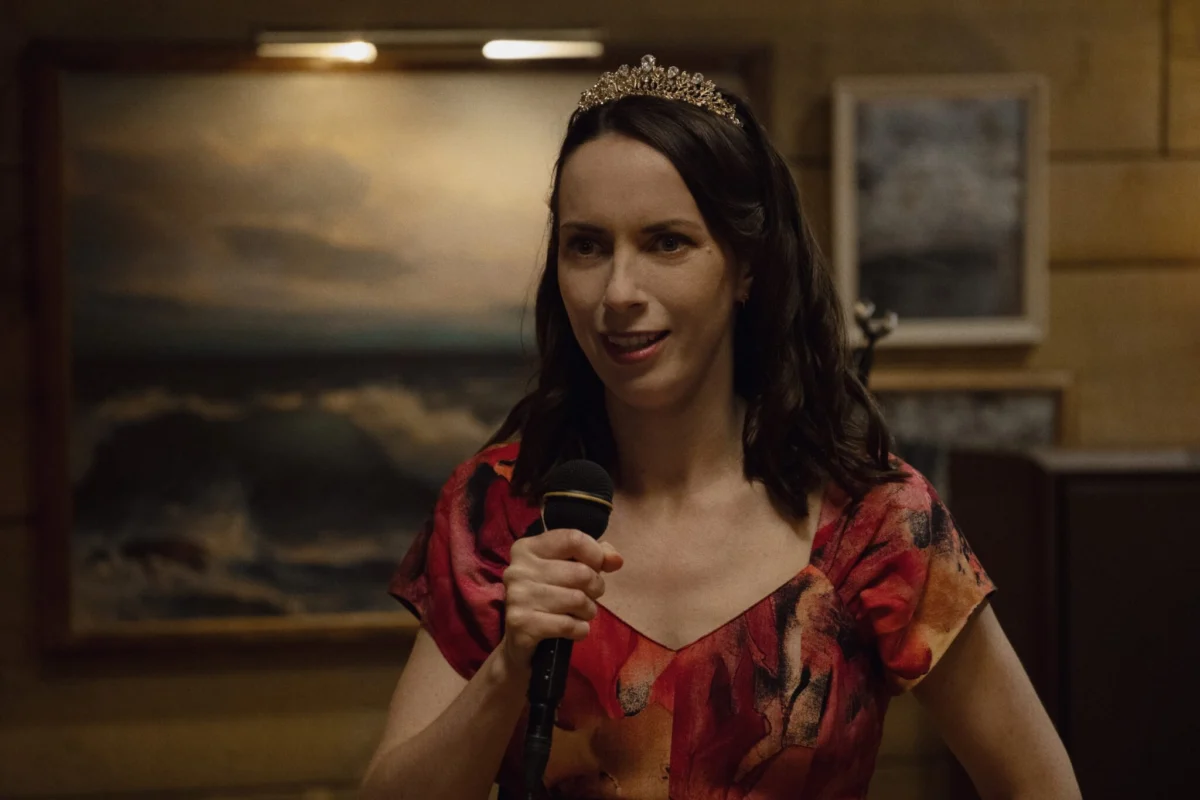
In an era of television defined by rapid-fire cancellations and the ephemeral nature of streaming content, Apple TV+ has delivered a rare piece of good news for the industry. The platform has officially renewed its breakout horror-comedy series, Widow’s Bay, for a second season. The show, which has captivated audiences with its sharp wit and creeping supernatural dread, will continue to explore the bizarre, often terrifying, daily life of a small island community caught in the grip of inexplicable phenomena.
Beyond the renewal, Apple has solidified its commitment to the show’s creative vision by signing creator Katie Dippold—formerly a cornerstone of the Parks and Recreation writing room—to a comprehensive overall deal. This move signals a significant investment in Dippold’s unique voice, positioning her as a major architect of Apple’s future programming slate.
A Look Back: The Genesis of an Island Mystery
The narrative trajectory of Widow’s Bay began with a premise that seemed straightforward enough on paper: a small, isolated coastal town desperate to reclaim its former glory as a tourist destination. However, beneath the veneer of charming bed-and-breakfasts and idyllic harbor views lies a dark, shifting reality.
The series centers on Mayor Tom Loftis, portrayed with frantic, high-wire intensity by Matthew Rhys. Loftis is a man possessed by the singular, desperate goal of turning his home into the next "Martha’s Vineyard." His efforts are constantly undermined by the island’s inherent, malevolent nature. Throughout the first season, audiences watched as Loftis navigated a minefield of cursed literature, bioluminescent mushrooms that defy botanical classification, and the persistent, haunting presence of a local legend known as the "Sea Hag."
The series successfully blends the bureaucratic satire perfected by Dippold during her Parks and Recreation tenure with a genuine, skin-crawling sense of horror. The central irony—a mayor who refuses to acknowledge the eldritch horror consuming his town because it would be bad for the tourism numbers—has become the show’s signature hook.
Chronology of the Season One Success
The ascent of Widow’s Bay was not an overnight viral explosion, but rather a slow-burn critical success that solidified its base through word-of-mouth and high production values.
- Early Spring Debut: The series premiered to modest fanfare, but quickly garnered attention for its tonal consistency and the chemistry of its ensemble cast.
- Critical Tipping Point: By the mid-season mark, critics began to praise the show’s ability to pivot between side-splitting comedy and genuine, psychological terror.
- The "New York Times" Catalyst: Within the fictional world of the show, a glowing feature piece by a New York Times journalist served as the inciting incident for the season’s escalating chaos, acting as a meta-commentary on the dangers of gentrification and media exposure.
- The June Finale: As the season reaches its climax on Wednesday, June 17, fans are left anticipating a resolution to the mounting supernatural threats that have finally become impossible for even Mayor Loftis to ignore.
The Ensemble: Why the Cast Resonates
While Matthew Rhys serves as the show’s gravitational center, the strength of Widow’s Bay lies in its sprawling, eccentric ensemble. Kate O’Flynn’s performance as Patricia—a character whose administrative role remains as nebulous as the fog rolling over the island—has been a standout. Patricia’s ability to host elegant social events while casually ignoring the encroaching supernatural apocalypse provides the show with its most dry, cynical humor.
The supporting cast features a wealth of talent that brings the island’s quirky inhabitants to life. Stephen Root, Kingston Rumi Southwick, Kevin Carroll, and K Callan ground the show’s more fantastical elements in a recognizable, small-town reality. The inclusion of the legendary Dale Dickey adds an essential layer of gravitas, while guest appearances by Betty Gilpin and Hamish Linklater have been hailed as "pure gold"—moments that are as alarmingly frightening as they are comedic.
Official Responses and Creative Direction
In a brief, characteristically dry press release following the renewal announcement, Katie Dippold offered a tease for the upcoming season that suggests the show’s signature irony is here to stay.
"Season two is about how everything is great on the island and there’s nothing to worry about," Dippold stated.
While the comment is clearly tongue-in-cheek, it hints at the psychological state of the characters moving forward. Having survived the initial wave of horrors, the residents of Widow’s Bay are now faced with the trauma of their experiences and the temptation of denial. The renewal also underscores Apple’s strategy of backing "prestige" genre television—shows that may not have the massive, immediate reach of a broad-market sitcom but cultivate a deeply loyal, vocal, and engaged subscriber base.
Implications for Apple TV+ and Future Programming
The signing of an overall deal with Dippold is a strategic maneuver that suggests Apple is looking to build a "Dippold-verse" or, at the very least, a consistent brand of high-concept, genre-bending comedy under its banner. By securing her exclusively, the platform prevents competitors from capitalizing on her unique ability to write character-driven scripts that don’t sacrifice genre elements for the sake of accessibility.
For the industry, this renewal reflects a broader trend: streaming services are moving away from the "all-you-can-eat" content model in favor of curated, high-quality series that drive retention. Widow’s Bay fits this mold perfectly. It is expensive to produce, features high-end acting talent, and has a visual language—dark, maritime, and eerie—that distinguishes it from the brighter, more sterile look of many other streaming comedies.
Furthermore, the show’s success highlights the endurance of the "small town mystery" genre. From Twin Peaks to Broadchurch, audiences have always been drawn to the idea of a contained, isolated setting where the laws of nature—and society—are slightly skewed. By adding a layer of sharp, workplace-comedy satire, Widow’s Bay has carved out a niche that feels fresh and essential.
Looking Ahead: The Wait for Season Two
As the June 17 finale approaches, the anticipation among the show’s dedicated fanbase is palpable. Questions regarding the fate of the Sea Hag, the source of the cursed literature, and the long-term mental stability of Mayor Loftis are driving intense discourse on social media platforms.
While Apple has not yet released a production schedule for the second season, the overall deal with Dippold suggests that development is already underway. Given the high standard set by the first season, the production team faces the challenge of escalating the stakes without losing the grounded, character-focused comedy that made the show a hit in the first place.
In the final analysis, the renewal of Widow’s Bay is more than just a victory for a single series; it is an affirmation of the value of distinct, author-driven storytelling. In a market flooded with algorithmic content, the success of a show as idiosyncratic and weird as Widow’s Bay proves that there is still a massive, hungry audience for stories that are willing to take risks, embrace the absurd, and look directly into the eyes of the unknown—even if they, like Mayor Loftis, try to pretend they haven’t seen a thing.

 Raul Delapena Setiawan
 Nila Kartika Wati