Neng Nana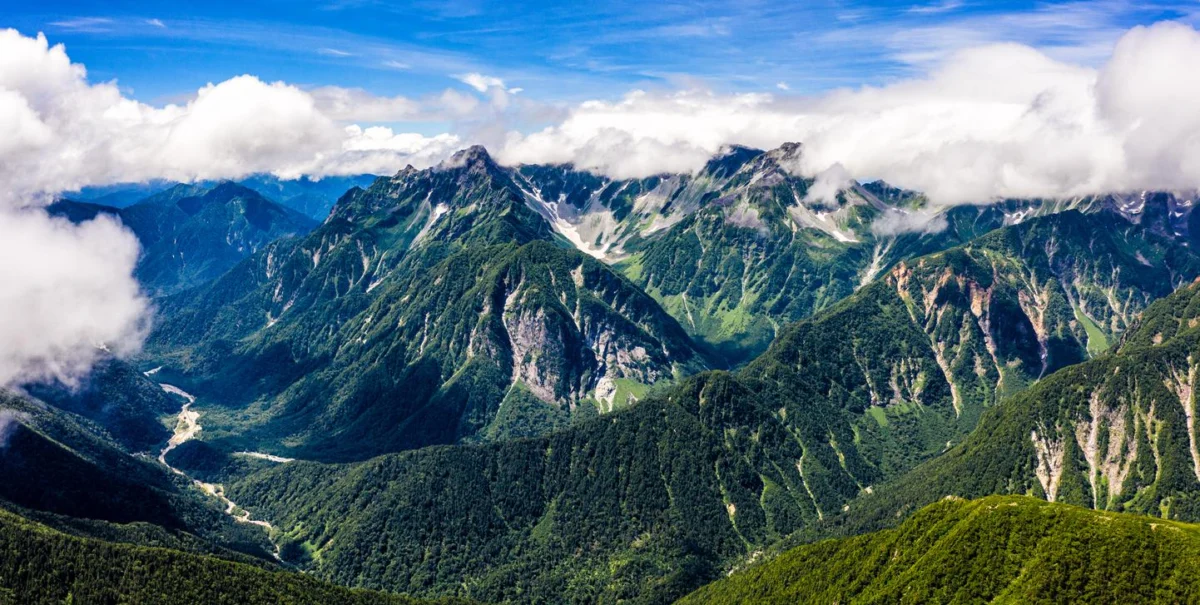
By Global News Desk
Japan’s majestic mountain ranges, long celebrated for their spiritual significance and breathtaking seasonal vistas, are witnessing an unprecedented crisis in safety. According to the latest data released by the National Police Agency (NPA) this Thursday, the number of individuals requiring rescue operations on Japanese mountains surged to a record high of 3,623 in 2025. This figure, representing a sharp increase of 266 incidents from the previous year, marks the highest total since the NPA began compiling comparable data in 1961.
Beyond the raw statistics lies a sobering narrative of human toll: 332 people lost their lives or remain missing, an increase of 32 from the year prior, while 1,480 individuals sustained injuries, reflecting a rise of 90. As Japan continues to grapple with the dual challenges of an aging domestic population and an explosive surge in inbound tourism, the mountain rescue infrastructure is being pushed to its absolute breaking point.
The Chronology of a Mounting Crisis
To understand the trajectory of these incidents, one must look at the evolution of mountain recreation in Japan over the past decade. Historically, mountain climbing was a pursuit dominated by local hobbyists and organized climbing clubs. However, the last few years have seen a democratization of outdoor activities, accelerated by the post-pandemic desire for nature-based tourism.
2018–2023: The Shift in Demographics
The year 2018 served as a watershed moment when the NPA began tracking foreign mountain-related incidents with greater granularity. During this period, the influx of international tourists—drawn by Japan’s world-class powder snow for backcountry skiing and the allure of hiking iconic peaks like Mount Fuji—began to reshape the profile of search-and-rescue operations.
2024–2025: The Surge
The year 2025 stands out as a catastrophic peak. Throughout the four seasons, rescue teams across the Japanese Alps and Hokkaido were consistently overwhelmed. The winter season saw a disproportionate spike in backcountry skiing accidents, while the summer months were characterized by a high volume of lost hikers, many of whom underestimated the rapid, volatile weather shifts inherent to Japanese mountain geography. The data released this week confirms that the upward trend in foreign visitor incidents is not merely a seasonal fluke but a systemic challenge that has been compounding since 2018.
Supporting Data: A Statistical Breakdown of Peril
The granular data provided by the NPA offers a diagnostic look at who is getting stranded and why.
Age and Experience
One of the most significant pillars of this crisis is the aging domestic population. Individuals aged 60 or older accounted for 47.6% of all rescue incidents in 2025. This demographic, while often experienced, is increasingly susceptible to physical fatigue, health-related emergencies, and the loss of navigation skills in complex terrain.
The Rise of International Visitors
Foreign visitor incidents hit an all-time high, with 246 individuals requiring assistance—a staggering increase of 111 from the previous year. Of these cases, a full 80% (203 people) were engaged in high-risk activities: backcountry skiing and technical climbing. This indicates a clear disconnect between the skill levels of international tourists and the specific, often unforgiving, nature of Japanese mountain environments.
Geographical Hotspots
The geography of the danger is concentrated in areas known for their rugged beauty:
- Nagano Prefecture: 358 cases. As the gateway to the Northern Japanese Alps, Nagano remains the epicenter of rescue operations.
- Hokkaido: 199 cases. The rise here is largely attributed to the popularity of "side-country" and backcountry skiing, where skiers venture outside resort boundaries in pursuit of untouched snow.
- Yamanashi Prefecture: 192 cases.
Interestingly, Mount Fuji saw a decline in rescue cases compared to its five-year average. Experts suggest that recent government efforts to implement stricter crowd management, mandatory equipment checks, and the introduction of entry fees may be having a localized positive impact on safety.
Official Responses and Strategic Challenges
The Japanese government and regional police authorities are currently in a state of high alert, attempting to balance the promotion of tourism with the necessity of public safety.
NPA and Local Prefectural Initiatives
The National Police Agency has emphasized that search-and-rescue operations are becoming increasingly complex. In many instances, the terrain is inaccessible to traditional vehicles, requiring the deployment of police helicopters, which are subject to weather limitations.
"We are urging climbers and skiers to treat mountain preparation with the same gravity as a professional expedition," stated an NPA spokesperson during the press briefing. "Many of these incidents—specifically the 30.9% of cases caused by hikers simply losing their way—are preventable through better mapping, GPS technology, and adherence to marked trails."
The "Backcountry" Conundrum
For regional authorities in Hokkaido and Nagano, the surge in foreign backcountry skiers presents a logistical nightmare. Unlike traditional hikers, these individuals often require specialized search-and-rescue teams trained in avalanche recovery. Local governments are now lobbying for clearer signage in multiple languages and stricter enforcement of "closed" areas, though they admit that patrolling expansive, uncontrolled wilderness is nearly impossible.
Implications: A New Era of Risk Management
The 2025 record is not just a statistical anomaly; it is a signal of the changing nature of the Japanese landscape. As the country looks toward the future, several critical implications must be addressed.
The Cost of Safety
The economic and social cost of these rescues is substantial. With the number of fatalities and missing persons rising to 332, the emotional toll on families and the financial burden on prefectural budgets are reaching critical levels. Many municipalities are now considering the implementation of mandatory rescue insurance for foreign tourists, a measure already being tested in certain high-traffic climbing areas.
The Gap in Preparedness
There is a profound disconnect between the "Instagrammable" nature of Japanese mountains and the reality of the terrain. Many international tourists arrive with insufficient gear, no knowledge of the Japanese "tozan" (mountain climbing) culture, and a lack of understanding regarding the speed at which mountain weather can deteriorate. Bridging this information gap through pre-arrival digital campaigns and mandatory briefing sessions at mountain huts could prove essential in reducing future casualty numbers.
Environmental Stewardship
Finally, the rising human traffic poses an environmental threat to Japan’s alpine ecosystems. Increased rescue operations often require the deployment of heavy equipment, which disrupts delicate flora and fauna. The challenge for Japan is to foster a culture of "responsible adventure"—where the freedom to explore is balanced with an informed respect for the mountain’s inherent danger.
Conclusion: A Call to Action
As 2026 begins, the record-breaking figures of 2025 serve as a somber warning. The mountains of Japan, while majestic and inviting, remain unforgiving. The path forward requires a multi-faceted approach: better education for international visitors, enhanced safety infrastructure for an aging domestic population, and a renewed emphasis on mountain literacy. Without these interventions, the tragic trends observed this year are likely to continue, turning Japan’s greatest natural assets into sites of preventable human loss.
The data provided by the National Police Agency is clear: the mountains are more crowded than ever, and the cost of human error has never been higher. Whether through stricter regulation or improved public awareness, Japan must act decisively to ensure that its peaks remain a source of inspiration rather than a site of recurring tragedy.



 Asro
Asro