Nana
Nana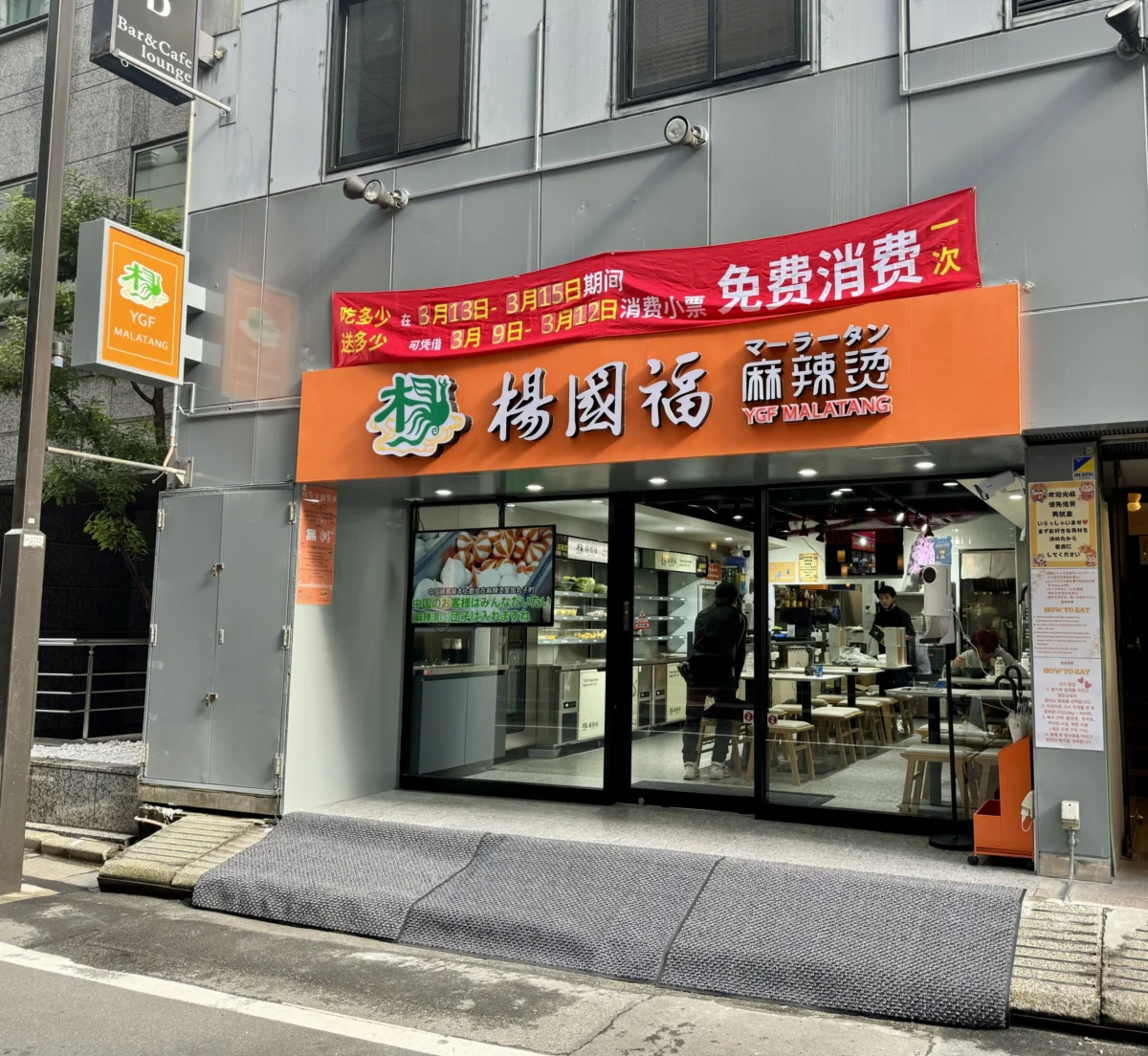
If it feels as though a new malatang shop is opening in Tokyo every week, that is because, statistically speaking, it almost is. Over the past two years, this Sichuanese street-food staple has undergone a radical transformation in the Japanese capital. Once a niche, comfort-food secret cherished primarily by Chinese expatriates, malatang has exploded into one of Tokyo’s most visible and pervasive dining trends.
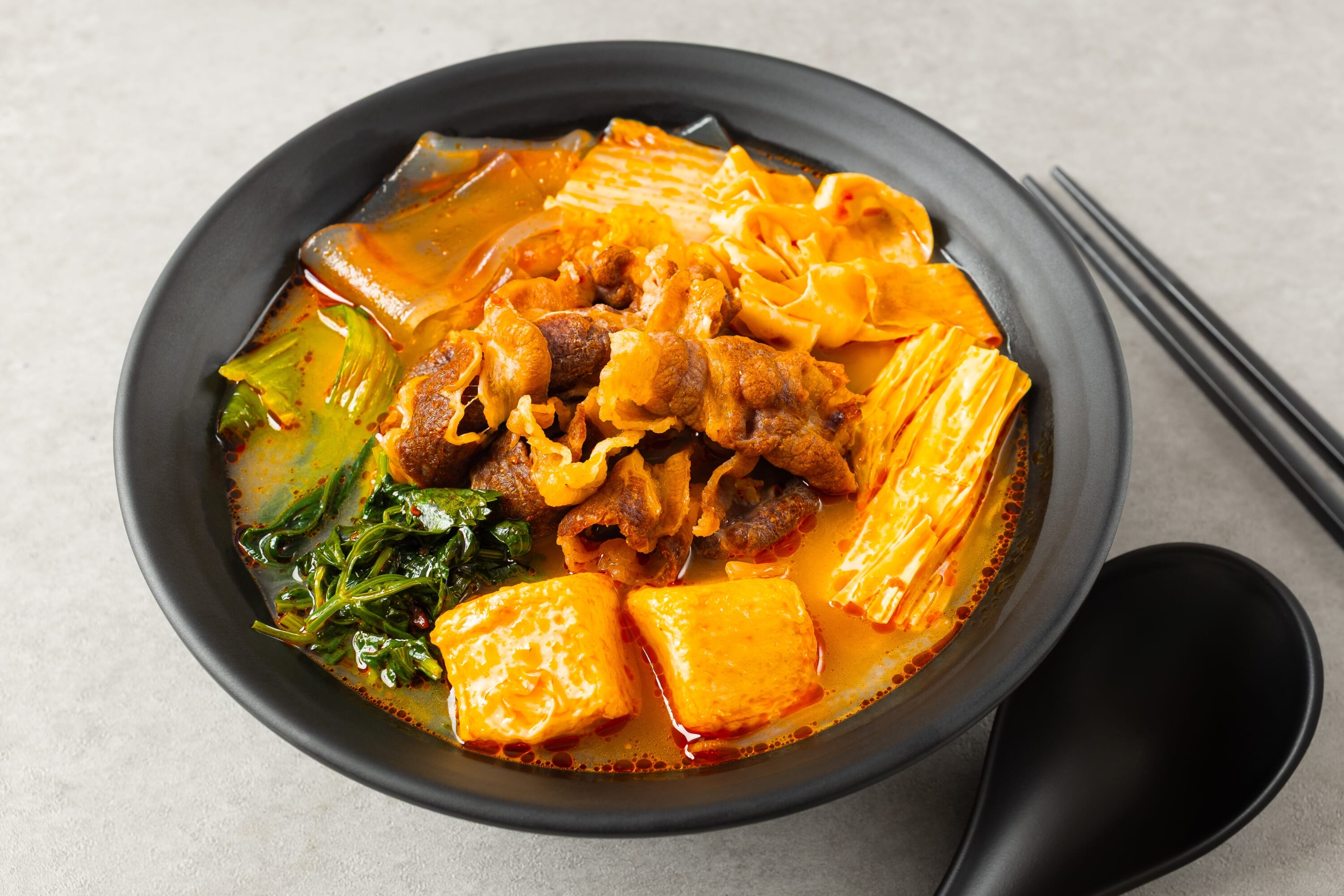
From the neon-lit corridors of Ikebukuro to the fashion-forward streets of Shibuya and the bustling culinary enclave of Shin-Okubo, long, snaking queues have become a permanent fixture outside these specialized eateries. On social media, the aesthetic is unmistakable: vibrant, overflowing bowls packed with lotus root, delicate tofu skins, translucent glass noodles, and a signature, fiery-red broth. But what is driving this sudden, fervent devotion to a dish that balances extreme heat with the curious, tongue-tingling sensation of ma-la?
What Is Malatang? The Anatomy of a Trend
At its core, malatang (麻辣烫)—which literally translates to "numbing spicy soup"—is a highly customizable noodle soup that prioritizes the ma-la flavor profile. This profile is defined by the marriage of Sichuan peppercorns, which provide a distinctive, numbing citrus-like sensation, and the sharp, piercing heat of dried chilies.
Unlike a traditional ramen bowl, which is curated by the chef, malatang places the creative power entirely in the hands of the diner. The process is a ritual: diners approach a refrigerated display wall—often containing dozens of varieties of vegetables, mushrooms, proteins, and noodles—and fill a bowl to their liking. These ingredients are then weighed, handed over to the kitchen, and cooked to order in a richly spiced, simmering broth. It is a dish that is as much about the experience of curation as it is about the final flavor.
A Chronology of the Malatang Boom
While Chinese cuisine has long been a staple of the Japanese dining landscape, malatang remained largely localized to "Chinatowns" or specific ethnic enclaves for years.
- 2015–2019 (The Incubation Period): The dish began appearing in small, independent shops catering to the growing demographic of Chinese students and workers in areas like Ikebukuro. During this time, it was an "insider" food, largely unknown to the average Japanese salaryman or local foodie.
- 2020–2022 (The Digital Catalyst): As TikTok and Instagram began to dominate consumer discovery, the visual appeal of malatang became its greatest asset. The vibrant colors and the interactive nature of the "build-your-own" fridge created highly shareable content. Simultaneously, the health-conscious angle—the ability to load a bowl with vegetables—began to resonate with younger Japanese urbanites.
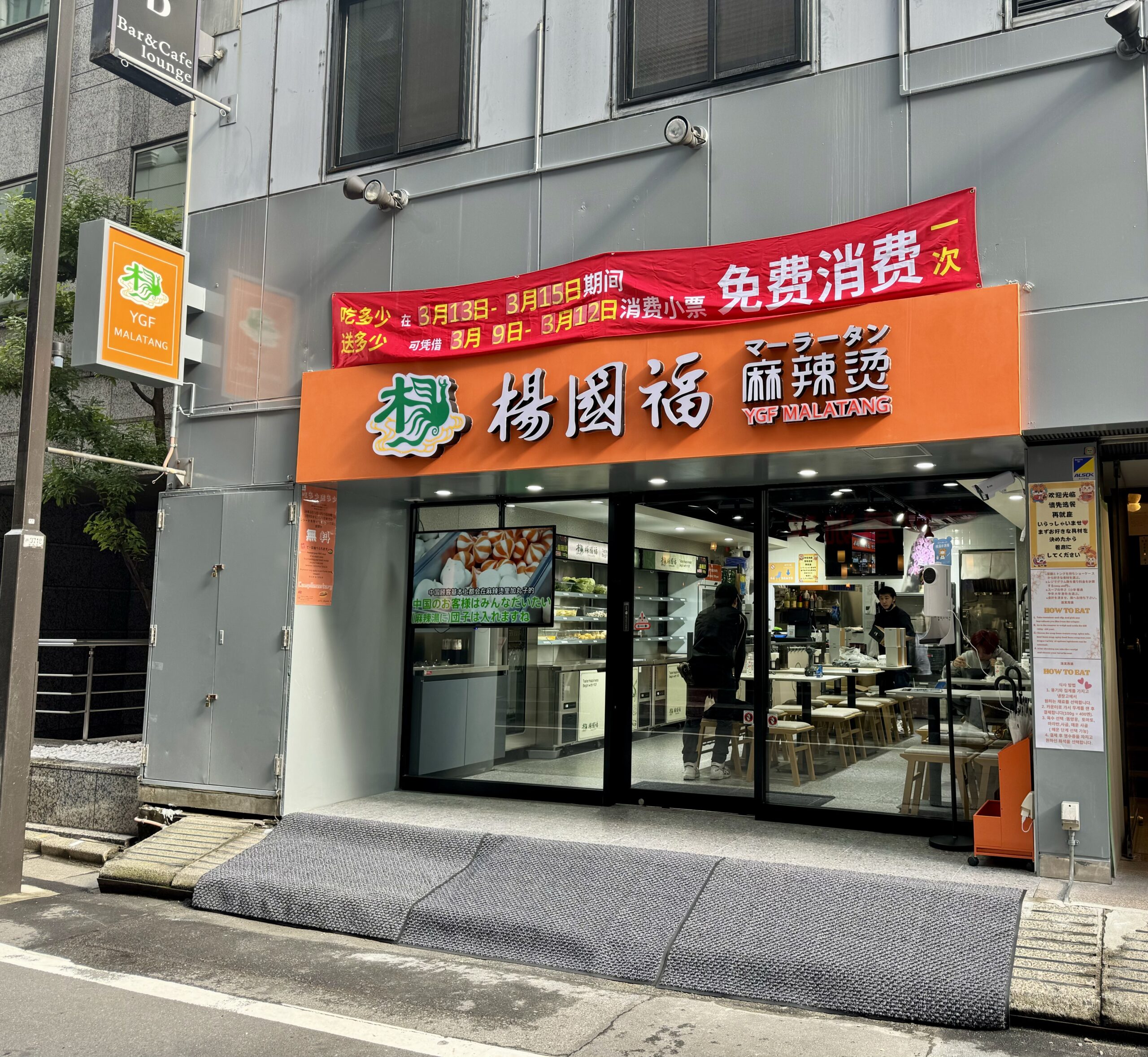
- 2023–Present (The Mainstream Expansion): The entry of massive international franchises, such as Yangguofu, signaled that malatang had moved from a subculture snack to a mainstream contender. Today, it sits comfortably alongside ramen, udon, and curry as a go-to lunch or dinner option for a broad demographic.
Supporting Data: Why It Works for Tokyo
The success of malatang in Tokyo is not an accident; it is a perfect alignment with modern Japanese consumer habits.
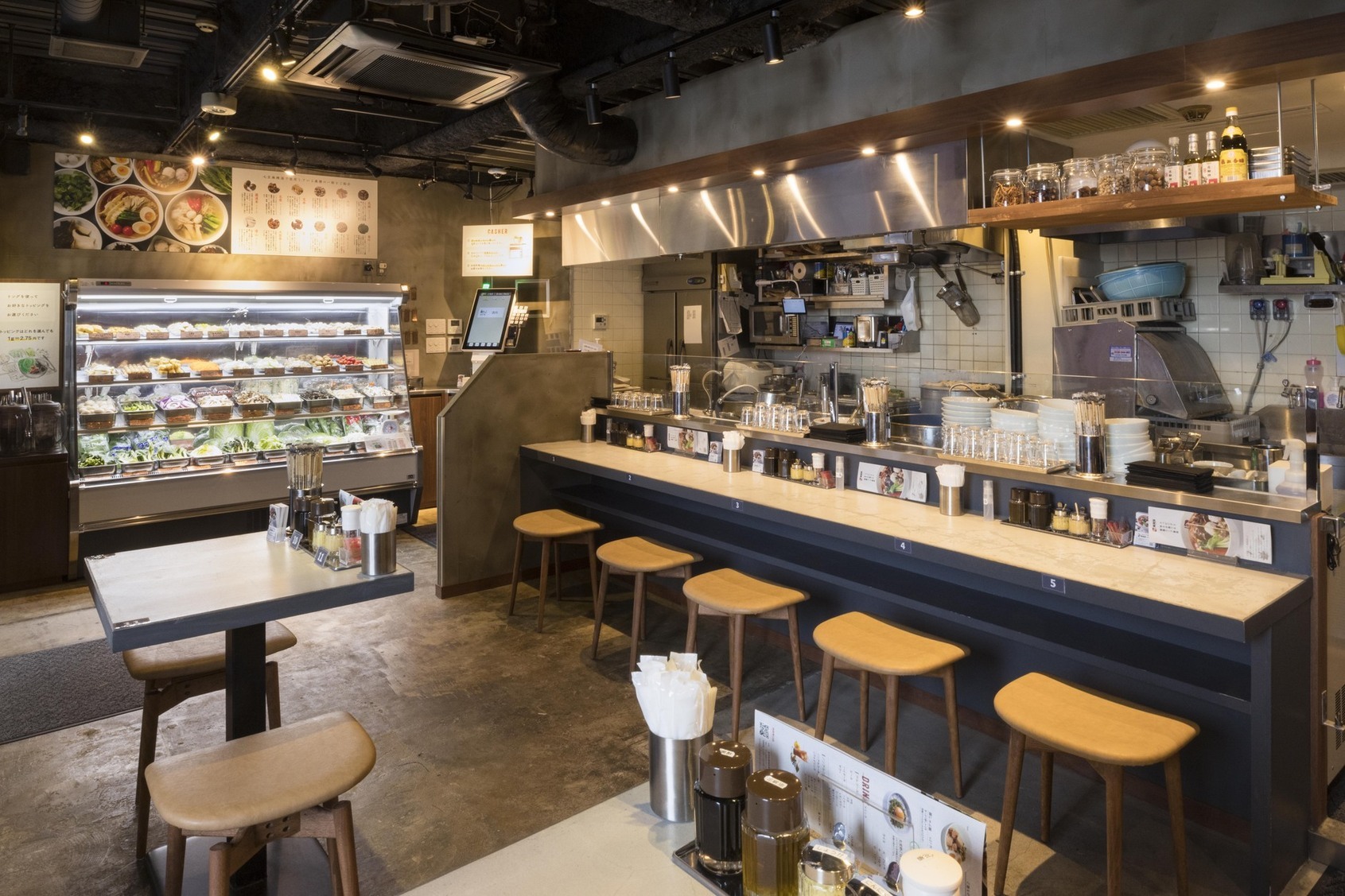
- The "Customization" Economy: Modern Japanese diners increasingly value agency. Much like the success of build-your-own salad bars or customizable smoothie shops, malatang allows for a bespoke meal. Whether a diner is looking for a low-carb, vegetable-dense dinner or a carb-heavy, protein-rich indulgence, the system accommodates both.
- Efficiency and Solo Dining: Tokyo is a city designed for the individual. Malatang shops, with their fast-paced service, high-turnover seating, and counter-centric layouts, are perfectly suited to the "solo-dining" culture.
- The "Addictive" Factor: The ma-la flavor is scientifically designed to be habit-forming. The numbing effect of the Sichuan peppercorns (caused by hydroxy-alpha-sanshool) stimulates touch receptors in the mouth, creating a unique sensory experience that pairs exceptionally well with the dopamine rush of spicy chilies.
Tokyo’s Most Popular Chains
For those looking to dive into the trend, the sheer volume of shops can be intimidating. Here are the titans of the industry that are setting the standard.
Yangguofu Malatang (Ginza)
As one of the largest franchises in the world, Yangguofu serves as the benchmark for authenticity. The broth is the star here—rich, milky, and deeply savory. It manages to deliver a high-quality, authentic mainland Chinese experience without being so aggressively spicy that it alienates a newcomer.
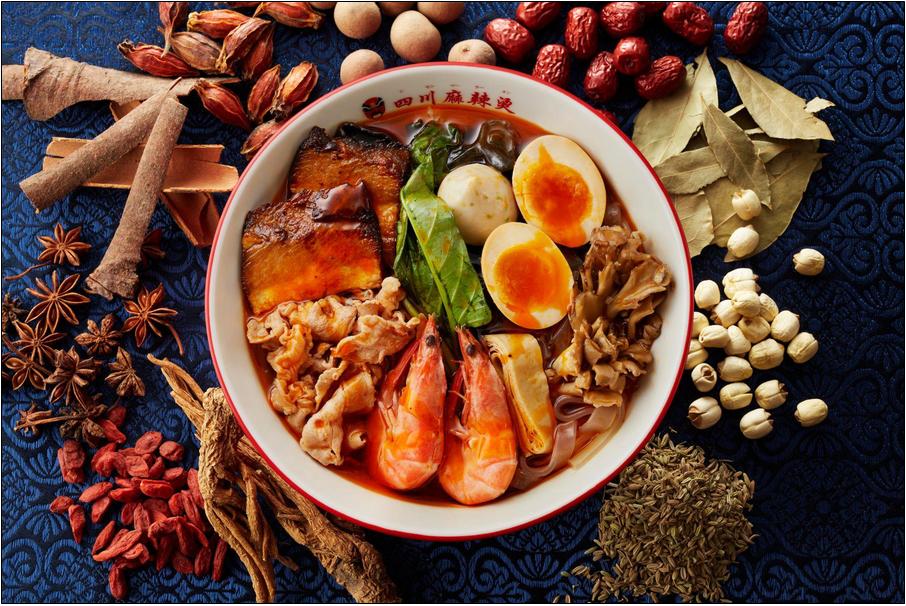
Chipao Malatang (Ikebukuro)
A pioneer in the scene, Chipao was one of the first to bring malatang to the Japanese mainstream. Their model is unique: rather than paying by weight, they offer a fixed-price system with a base of noodles and toppings. Their soup is distinctively medicinal, brewed with over 30 traditional herbs, making it a "restorative" option for those who find standard spicy broths too heavy or oily.
Shibuya Xingxing Club (Shibuya)
Located near Center-gai, this shop is the epicenter of the youth movement. With neon aesthetics and an Instagram-friendly interior, it caters to Gen Z. Their focus on thicker, chewier sweet-potato noodles has become a signature hook for regulars.
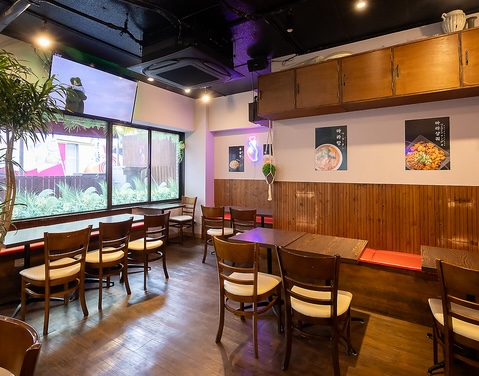
Yummy Malatang (Shin-Okubo)
For the "spice-curious," Yummy Malatang is the ideal entry point. The broth is clean and umami-forward, allowing the diner to appreciate the peppercorns without the overwhelming oiliness often found in more traditional, rustic versions of the dish.
Hidden Gems: The Independent Scene
Beyond the polished storefronts of the chains, Tokyo’s independent malatang scene offers a deeper look at the dish’s roots.
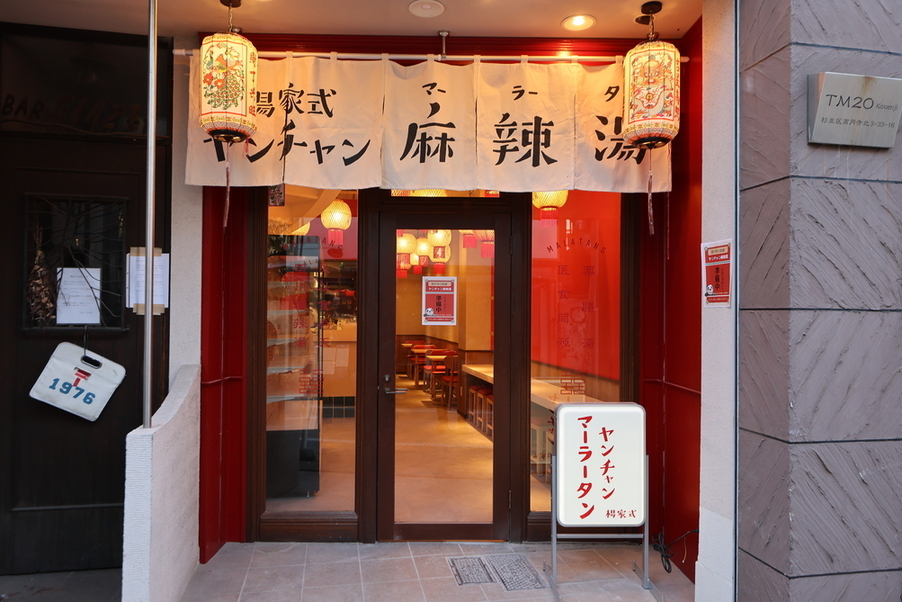
- Chuan Chuan Xiang (Ikebukuro): For those seeking an uncompromisingly authentic Chengdu experience, this is the destination. It is "old-school," using a pre-portioned bag system and a broth that is unapologetically bright red and oil-forward.
- Yan Chan Malatang (Koenji): Located in the creative hub of Koenji, this shop offers a laid-back, community-focused vibe. The proprietor’s attention to detail is evident in their 16-herb broth, which balances complex spice with a neighborhood-café atmosphere.
- La Yuu Chen Ma (Shin-Okubo): A family-run secret, this shop feels like a home kitchen. It prioritizes value and heart, offering a welcoming environment that stands in stark contrast to the sterile, high-tech vibe of the larger, trendier chains.
- Huajiao Sugar&Spice (Takadanobaba): This shop is for the purists. The focus here is not on the quantity of chili, but on the fragrance of the spice blend. With a 28-spice base, it emphasizes the numbing, aromatic properties of the peppercorn above all else.
Implications for the Tokyo Dining Scene
The rapid rise of malatang is more than just a culinary fad; it represents a significant shift in Tokyo’s relationship with international food. Historically, foreign cuisines in Japan were often "Japanized"—subtly altered to suit local tastes, sometimes losing their original intensity in the process.
Malatang, however, has largely maintained its aggressive, authentic flavor profile. Its success suggests a growing adventurousness among Japanese diners, particularly the younger generation, who are increasingly seeking bold, global flavors that aren’t watered down.
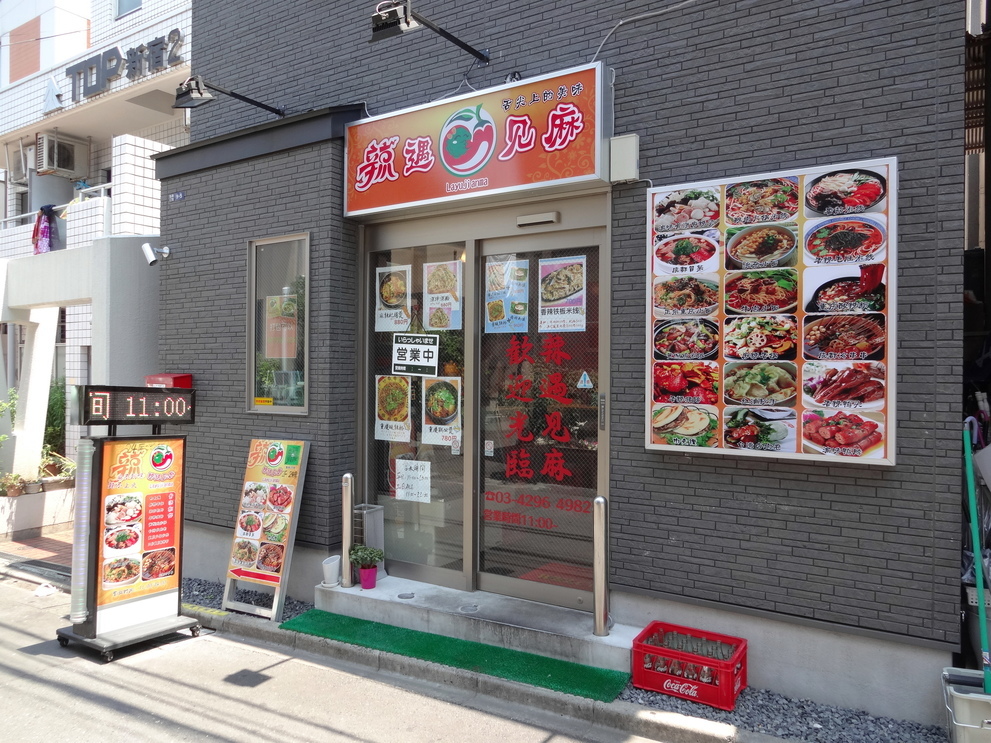
Furthermore, the economic implications for the restaurant sector are profound. The high-margin, low-labor cost of the "refrigerated wall" model has proven to be a highly resilient business strategy in a city where commercial rent is among the highest in the world. As these shops continue to proliferate, they are effectively redrawing the map of Tokyo’s dining landscape, turning once-quiet neighborhoods into bustling hubs for spicy-soup enthusiasts.
How to Order Like a Pro
If you are intimidated by your first visit, follow this simple guide:
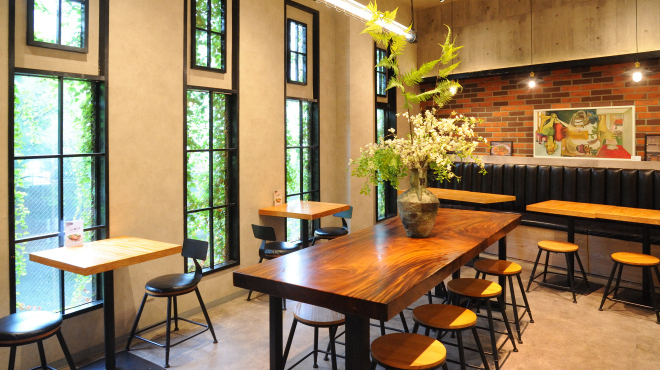
- Assess the System: Determine if the shop charges by weight (pay at the counter) or has a fixed-price set menu.
- Choose Your Base: If you have a choice of noodles, look for sweet-potato glass noodles if you want a chew-heavy experience, or rice noodles for a lighter, silkier mouthfeel.
- Balance Your Bowl: A good bowl usually features a mix of textures. Pair a protein (beef or fish balls) with crunchy vegetables (lotus root or bok choy) and absorbent ingredients (tofu skin or mushrooms) that soak up the broth.
- Know Your Heat: Don’t feel pressured to go for the "Level 5" spice. Because malatang is about the numbness of the peppercorns, even a "Level 1" or "Level 2" will provide the full sensory experience without ruining your meal.
As the trend continues to evolve, one thing is certain: the "numbing spicy soup" has found a permanent home in Tokyo, and it is showing no signs of cooling down.


 Neng Nana
 Asro
Asro