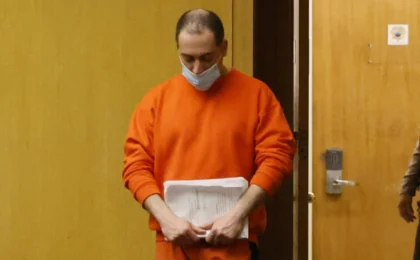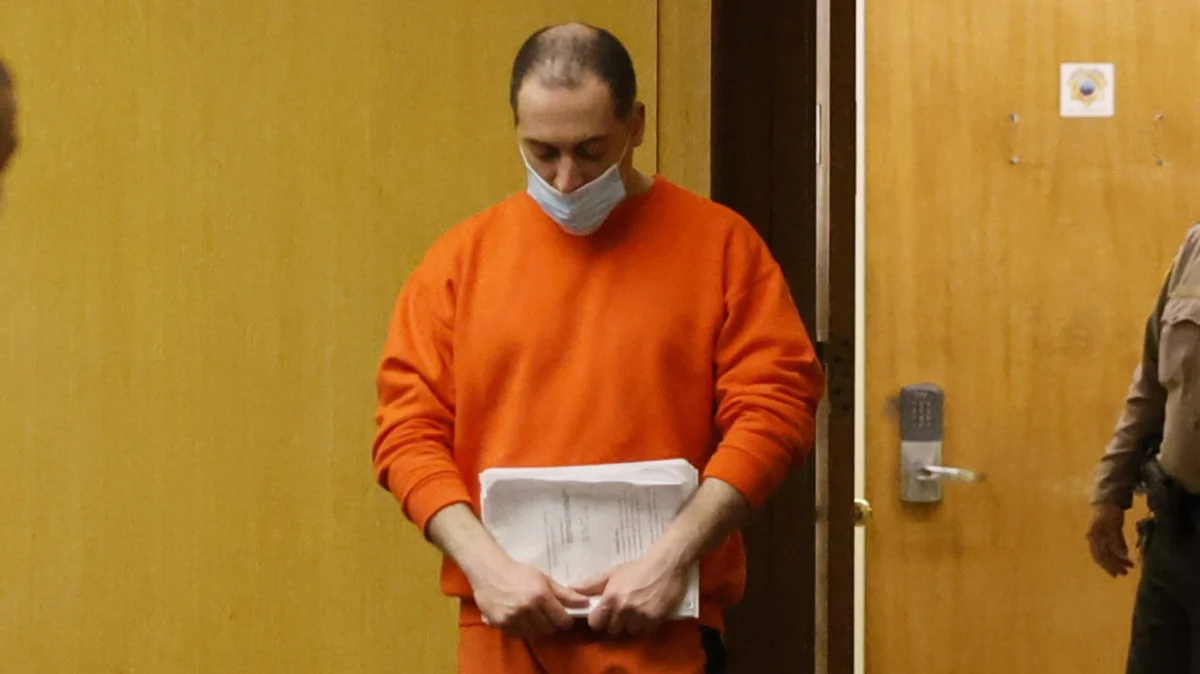
The legal saga surrounding the 2023 murder of Bob Lee, the celebrated tech innovator and Cash App founder, reached a definitive conclusion this week. San Francisco Superior Court Judge Alexandra Gordon sentenced Nima Momeni to 16 years to life in prison, marking the end of a high-profile criminal case that captivated the tech industry and fueled a nationwide debate over public safety and urban governance.
Lee, a titan of Silicon Valley who played a pivotal role in the development of Android and the creation of the ubiquitous financial service Cash App, was killed in the early hours of April 4, 2023. The trial of his assailant, Nima Momeni, provided a grim look into the intersection of personal conflict, substance abuse, and violence, stripping away the initial, politically charged narratives that surrounded the incident in its immediate aftermath.
Main Facts: A Tragic End for a Tech Pioneer
Bob Lee’s career was defined by his contributions to the digital infrastructure of modern life. As the former Chief Technology Officer at Square, he was instrumental in the creation of Cash App, a product that revolutionized peer-to-peer payments. Beyond his work at Square, Lee was a foundational engineer at Google between 2004 and 2010, where he contributed to the early development of the Android operating system. His commitment to technology as a tool for public good was perhaps most evident during the COVID-19 pandemic, when he collaborated with the World Health Organization to launch their mobile health application.
The circumstances of his death were starkly disconnected from the professional heights he had reached. In the early morning hours of April 4, 2023, Lee was discovered by first responders in a deserted doorway in downtown San Francisco. He had been subjected to a fatal attack, sustaining multiple stab wounds, including critical injuries to his heart and hip. Despite a desperate, final attempt to summon help via a 911 call, Lee succumbed to his injuries shortly after being transported to a local hospital.
Nima Momeni, an IT consultant, was identified as the perpetrator. The relationship between the two men was not one of random street violence, but rather a personal entanglement. Prosecutors established that Lee had been socializing with Momeni and his sister on the night of the incident. The motive, according to the prosecution, was rooted in a volatile dispute over the treatment of Momeni’s sister, whom Lee had introduced to individuals involved in the drug trade.
Chronology: From the Incident to the Courtroom
The timeline of the investigation and trial serves as a window into the complexities of the California justice system:
- April 4, 2023: Bob Lee is stabbed in San Francisco’s Rincon Hill neighborhood. He dies in the hospital, triggering a massive police investigation.
- April 13, 2023: Authorities arrest Nima Momeni in Emeryville, California, following a review of surveillance footage and digital evidence.
- May 2023–2025: The pre-trial phase is marked by delays, intense media scrutiny, and disputes over evidence, including the toxicology report showing that Lee had cocaine, ketamine, and alcohol in his system at the time of his death.
- Late 2025: The trial concludes with a jury finding Momeni guilty of second-degree murder.
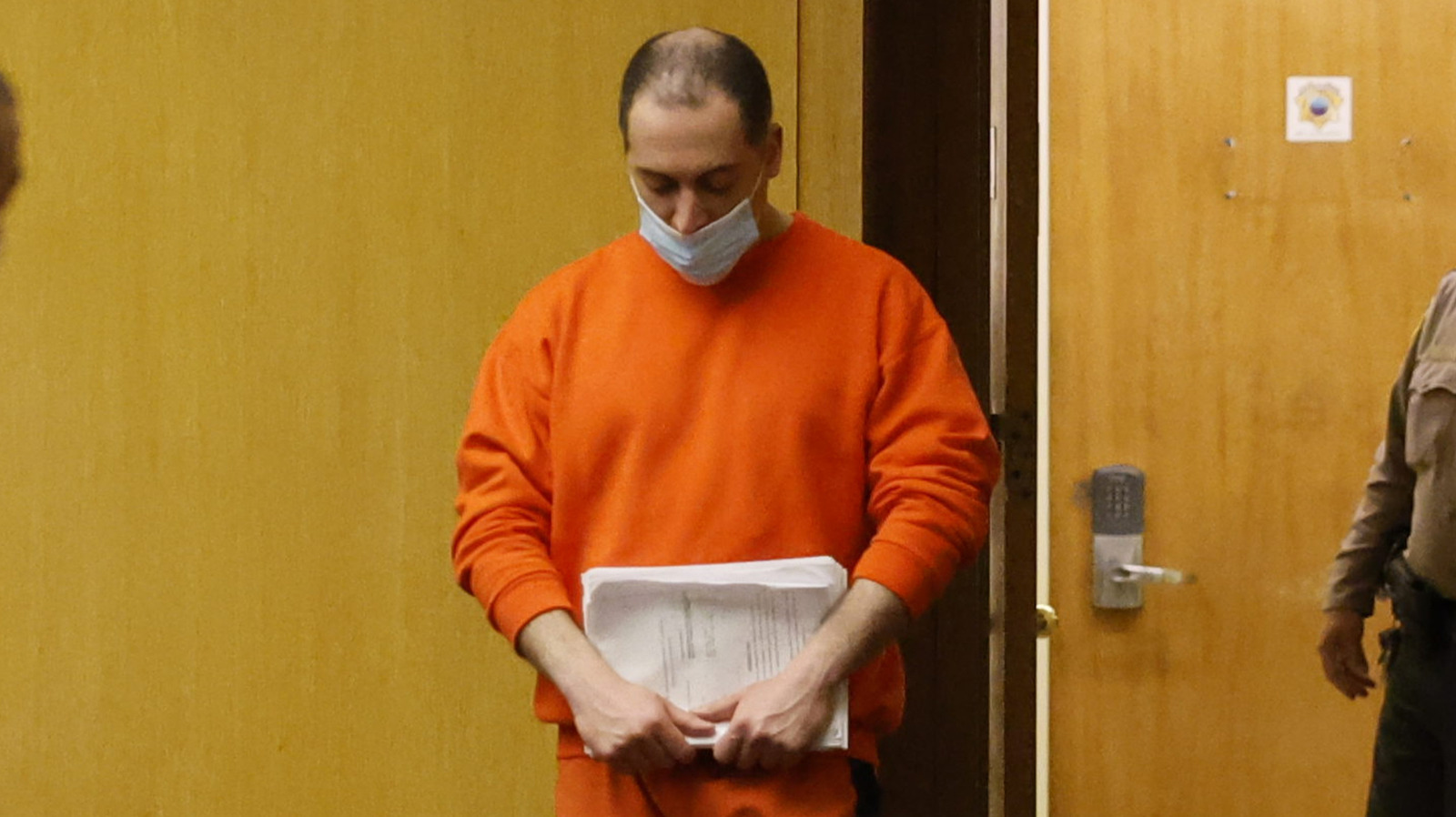
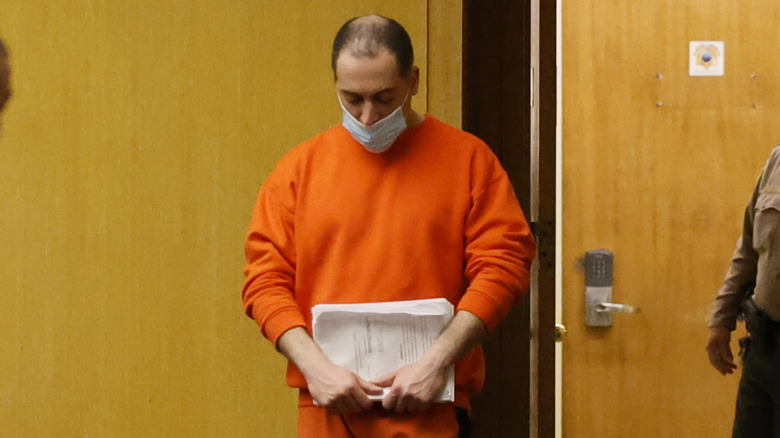
- November 2026: Judge Alexandra Gordon formally sentences Momeni to 16 years to life, denying a motion for a new trial. The defense team, led by Momeni’s legal representatives, immediately signaled their intention to appeal the verdict.
Murder and Misinformation: The Political Spectacle
Perhaps the most unique aspect of the Bob Lee case was the immediate transformation of a private tragedy into a public political battlefield. Within hours of the news breaking, prominent voices within the technology sector—most notably Elon Musk and venture capitalist Jason Calacanis—used the murder as a catalyst to criticize San Francisco’s municipal management.
Musk, posting on his platform X (formerly Twitter), cited the killing as evidence of a city in decline, claiming that "many people I know have been severely assaulted" and suggesting that the city’s legal system was too lenient on criminals. Calacanis echoed these sentiments, labeling city officials "incompetent lunatics" and characterizing downtown San Francisco as a site of "utter chaos."
These narratives were driven by the assumption that Lee was a victim of the random, violent crime wave that critics of San Francisco have long argued is plaguing the city. However, as the investigation unfolded, it became clear that the reality was far more mundane and personal. The incident had no connection to the broader socio-economic issues or municipal policies of San Francisco. The murder was an isolated act of interpersonal violence, a fact that created a jarring dissonance between the political rhetoric and the evidence presented in court.
Data suggests that the political framing of the event was largely anecdotal. While San Francisco faces challenges regarding homelessness and substance abuse, the city’s homicide rate has actually trended downward over the last four years, contradicting the "chaos" narrative promoted by some of the industry’s loudest voices.
Official Responses and Legal Implications
The sentencing phase brought a sense of finality, but also highlighted the limitations of the legal process. The defense’s insistence on a self-defense strategy—arguing that Lee had lunged at Momeni with a knife—was ultimately rejected by the jury. The presence of illicit substances in Lee’s system was used by the defense to paint a picture of a volatile encounter, but it failed to persuade the court that Momeni’s actions were legally justified.
Judge Gordon’s decision to impose a 16-year-to-life sentence reflects the gravity of the crime under California’s sentencing guidelines for second-degree murder. The defense team’s plan to appeal suggests that the case is far from over in the court of public opinion, even if the legal outcome is now solidified.
The implications of this case for the tech industry are multifaceted. For one, it served as a wake-up call regarding the dangers of conflating private violence with systemic failure. The "tech-versus-city" narrative that took hold in the immediate aftermath of the murder remains a cautionary tale about how rapidly misinformation can spread, even among the most influential figures in the digital age.
Furthermore, the case has reopened discussions regarding the safety of high-profile tech figures and the responsibilities of platforms to police the spread of inaccurate narratives. The speed at which misinformation traveled following the initial 911 reports highlighted the fragility of public discourse when personal tragedy is exploited for political gain.
Looking Forward: A Legacy Tarnished and Defined
Bob Lee’s legacy remains that of a brilliant engineer and a collaborative innovator. His work on Android and Cash App continues to facilitate the daily lives of millions of users globally. While the circumstances of his death were sensationalized, the legal outcome serves to refocus the narrative on the specific facts of the crime: a life cut short by a personal dispute, resulting in a permanent loss for the tech community.
As Momeni begins his sentence, the City of San Francisco and the tech industry it hosts are left to reconcile with the aftermath. The trial has demonstrated that the truth is often far more complex than the social media soundbites that dominate the headlines. For those who knew Lee, the trial was never about policy or urban decay; it was about the loss of a colleague, a friend, and a visionary.
The defense’s intent to appeal ensures that the legal documents will continue to be processed for years to come. However, the definitive verdict serves as a closing chapter on the most immediate aspects of the case. In the end, the justice system functioned according to its mandate, evaluating the evidence of a specific murder case rather than the broader, often distorted, societal grievances that surrounded it.
Bob Lee, the man who helped build the digital bridges that connect the modern world, was lost to an act of physical violence that could not be solved by lines of code or corporate policy. His memory now rests in the hands of his family and the community of innovators he helped shape, while the judicial process provides a somber, if necessary, conclusion to a case that briefly consumed the collective attention of the global tech sector.