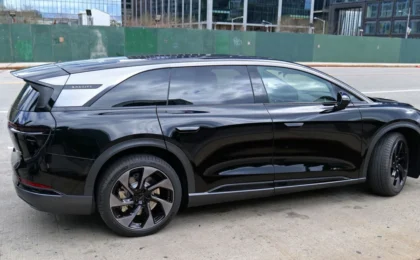

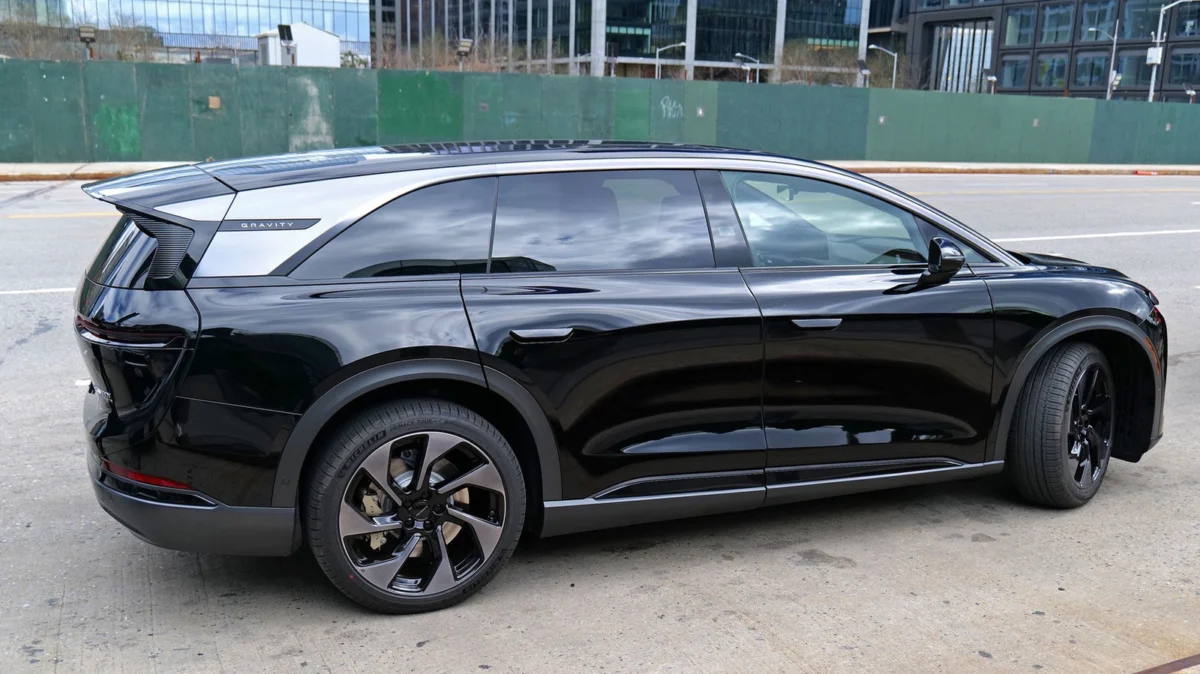
In the high-stakes arena of electric vehicle (EV) manufacturing, where Tesla set the gold standard for vertical integration and supply chain efficiency, Lucid Motors finds itself grappling with a far more fundamental challenge: basic inventory management. During its Q3 2026 earnings call, the California-based luxury automaker revealed a startling admission that has sent shockwaves through the investor community. CEO Silvio Napoli confirmed that the company’s inability to track its own vehicle inventory led to significant delivery delays, effectively costing the company precious sales and frustrating a customer base that demands premium service to match the premium price tag of its vehicles.
The Core Conflict: When “Where Is My Car?” Has No Answer
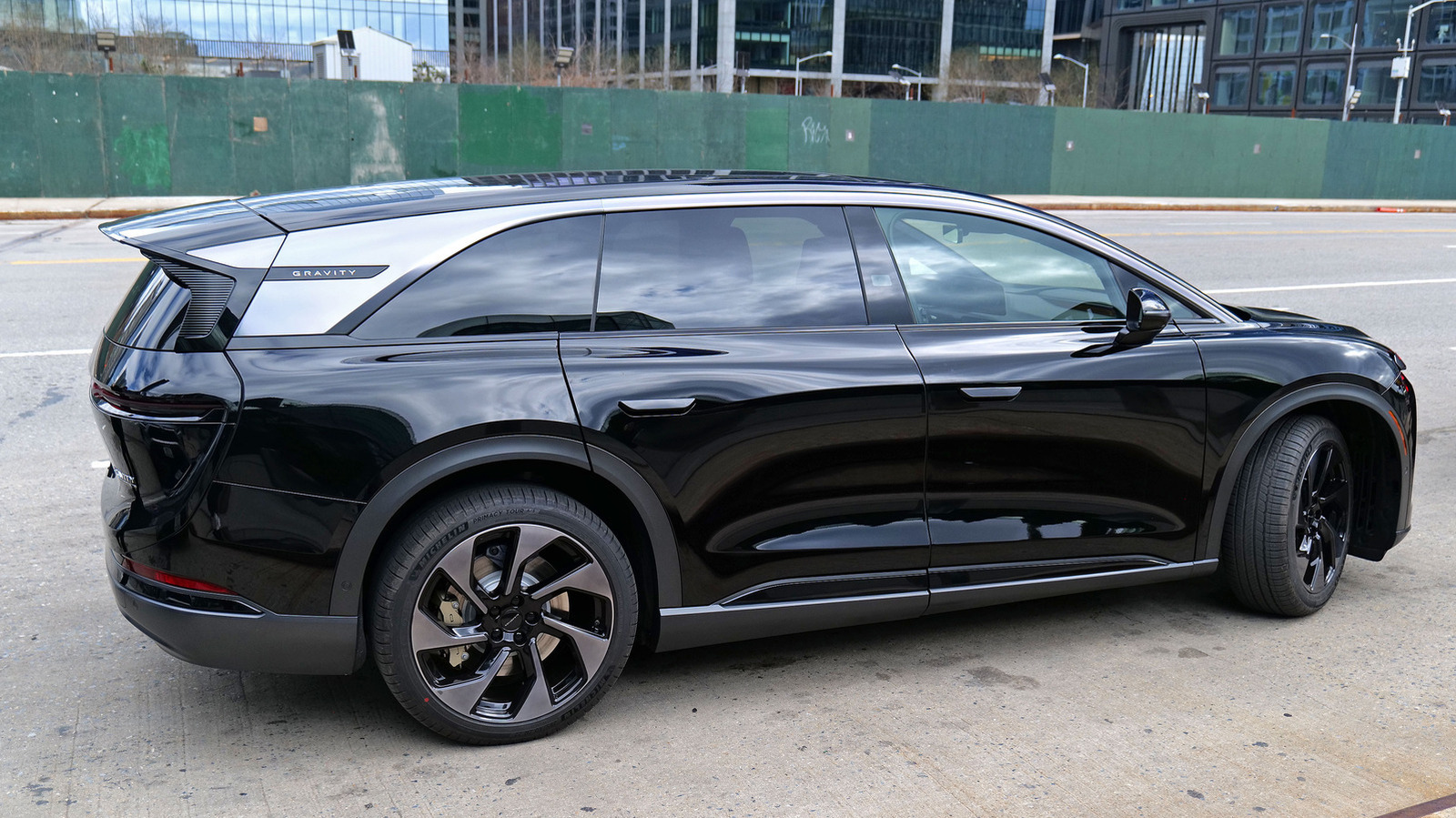
The primary issue plaguing Lucid throughout the third quarter was a catastrophic failure in its logistics and tracking systems. For a brand that positions itself as the pinnacle of automotive engineering—producing the ultra-luxurious Air sedan and the highly anticipated Gravity SUV—the admission that management could not pinpoint the location of its finished goods is a significant blow to its operational credibility.
“There were moments when we did not even know where our cars were,” Napoli admitted during the earnings conference. This lack of transparency created a ripple effect. When a customer ordered a vehicle, the sales team could not reliably provide a delivery date. In the competitive luxury EV market, where consumers have an increasing number of choices from legacy automakers and established tech-forward rivals, a two-week delay caused by administrative incompetence is often enough to trigger an order cancellation.
The logistics bottleneck meant that vehicles were languishing in transit hubs or distribution centers without being accounted for in the internal sales system. Consequently, potential buyers, tired of the ambiguity, simply walked away, moving their business to competitors who could offer immediate gratification.
A Chronology of Operational Struggles
The trajectory of Lucid’s 2026 fiscal year has been marked by a series of highs and lows. While the company has made significant strides in product design and range technology, its operational maturity has lagged behind its engineering capabilities.
- Q1 2026: Lucid began the year attempting to ramp up production for the Gravity SUV while maintaining steady sales for the Air. Early signs of supply chain friction were dismissed by leadership as "growing pains."
- Q2 2026: Customer complaints regarding service and delivery logistics began to surface in enthusiast forums and automotive trade journals. Reports of "service nightmares" became more frequent, with owners citing long waits for repairs and lack of communication from corporate offices.
- Q3 2026 (The Breaking Point): The inventory tracking issues reached a critical mass. The company reported the delivery of only 3,806 vehicles, representing a seven percent decline compared to the same period in 2025.
- Post-Q3 2026: CEO Silvio Napoli announced an immediate overhaul of the logistics software and shipping protocols, aiming to integrate real-time tracking that mirrors the standards of industry giants like Amazon or Toyota.
Supporting Data: The Cost of Chaos
To understand the severity of the situation, one must look at the numbers. In the third quarter of 2026, Lucid produced 2,954 vehicles. While this lower production volume was technically a strategic move to clear out existing inventory, the company still ended the quarter with $1.22 billion worth of unsold vehicles sitting on its books.
The financial picture is stark. Lucid reported a staggering loss of $831 million for the quarter on a total revenue of just $350 million. The disparity between these two figures highlights a massive underlying issue: the cost of manufacturing each unit currently exceeds the retail price. In business terms, every car that rolls off the line is a loss-making endeavor. When logistics errors are added to this equation, the result is an inefficient machine that consumes capital at an unsustainable rate.
However, the company’s lifeline remains firmly intact. The Saudi Public Investment Fund (PIF), which has served as the primary financier for the automaker since its inception, stepped in once again with a massive $1.75 billion cash injection. This capital is intended to provide the necessary runway to solve the logistics crisis and stabilize production costs, but the reliance on external funding to cover operational blunders is a strategy that cannot last indefinitely.
Drawing Parallels: The Tesla Lessons
Lucid’s current predicament invites unavoidable comparisons to Tesla’s "production hell" during the early days of the Model 3 ramp-up. Between 2017 and 2019, Elon Musk’s company faced similar, albeit larger-scale, logistical hurdles. Tesla was essentially building cars faster than it could transport them, leading to thousands of vehicles sitting in dusty parking lots across North America, waiting for delivery.
Tesla’s solution was to take control of every link in the chain. When third-party logistics providers failed to meet the pace of demand, Tesla bought its own trucking companies, leased its own rail cars, and built a proprietary logistics software suite to track every vehicle from the assembly line to the customer’s driveway.
Lucid is now attempting to emulate this level of vertical integration. Napoli’s strategy involves empowering the commercial team to sell only the inventory that is confirmed to be available on a specific day. By mirroring the logistics discipline that helped Tesla transition from a niche automaker to a global powerhouse, Lucid hopes to restore faith in its delivery process.
Implications for the Future of Lucid
The fallout from these logistical failures extends beyond simple lost orders. It impacts brand equity. In the luxury segment, the purchase experience is as vital as the product itself. If a client spends over $100,000 on an EV, they expect a seamless, white-glove experience. When that experience is marred by a company that cannot locate the product, the reputation of the brand suffers damage that is difficult to repair.
Furthermore, the company is battling a trifecta of headwinds:
- Quality Control: Persistent reports of software bugs and fit-and-finish issues have eroded confidence in the vehicle’s reliability.
- Service Infrastructure: The lack of a robust, widespread service network remains a major deterrent for potential buyers who fear being left stranded.
- Profitability: The $831 million quarterly loss indicates that the current business model is not yet viable without external capital infusions.
However, there is a glimmer of optimism. The recent partnership with the robotaxi company Bolt provides a new revenue stream and a testbed for fleet-level logistics management. Additionally, the tightening of the U.S. EV market—buoyed by persistently high gasoline prices—means that demand for long-range, high-efficiency vehicles like the Lucid Air remains high.
Conclusion: A Pivot or a Pause?
As the company moves into the final stages of 2026, the mandate from the board and investors is clear: optimize or expire. The $1.75 billion infusion from the PIF is not a reward for past performance; it is a bridge to survival.
If Silvio Napoli can successfully implement a logistics framework that matches the sophistication of Lucid’s engineering, the company may yet turn the corner. The potential is there—the vehicles are widely considered to be among the most advanced on the road. But until the company can master the mundane, operational realities of moving a product from the factory floor to the customer’s garage without "losing" it along the way, Lucid will remain a brilliant engineering firm struggling to become a functional automotive manufacturer.
The path ahead for Lucid is narrow and steep. The company must prove that it can learn from its logistics failures as quickly as it develops its battery technology. If it can stabilize its supply chain and reduce its burn rate, it may yet prove that its luxury vision is sustainable. If not, it risks becoming another cautionary tale of an EV startup that possessed the vision to change the world but lacked the logistics to deliver the product.