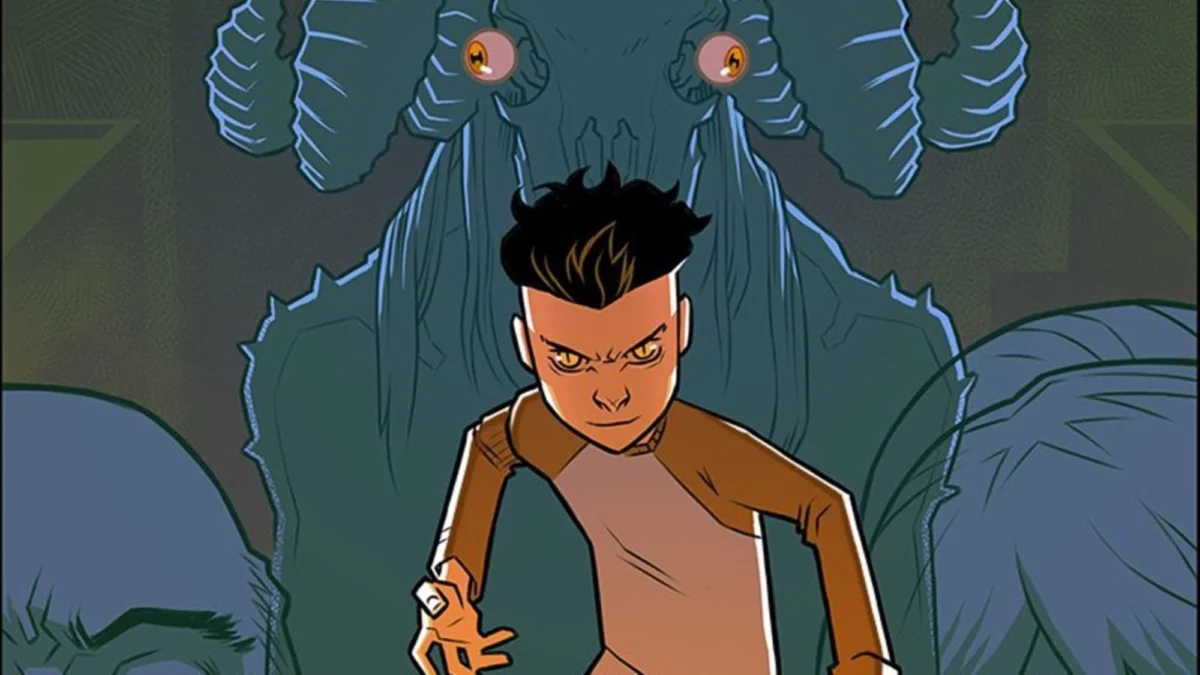
In an industry often obsessed with the "direct market"—the traditional distribution model of monthly pamphlets sold through specialty comic shops—veteran writer Justin Jordan has found a different path to success. Known for his work on mainstream titles like DC’s Superboy and Team 7, as well as acclaimed creator-owned hits like Luther Strode and Spread, Jordan has recently turned his attention toward the sprawling landscape of digital webtoons.
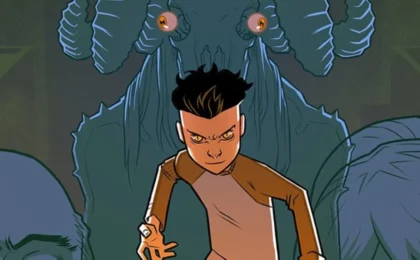
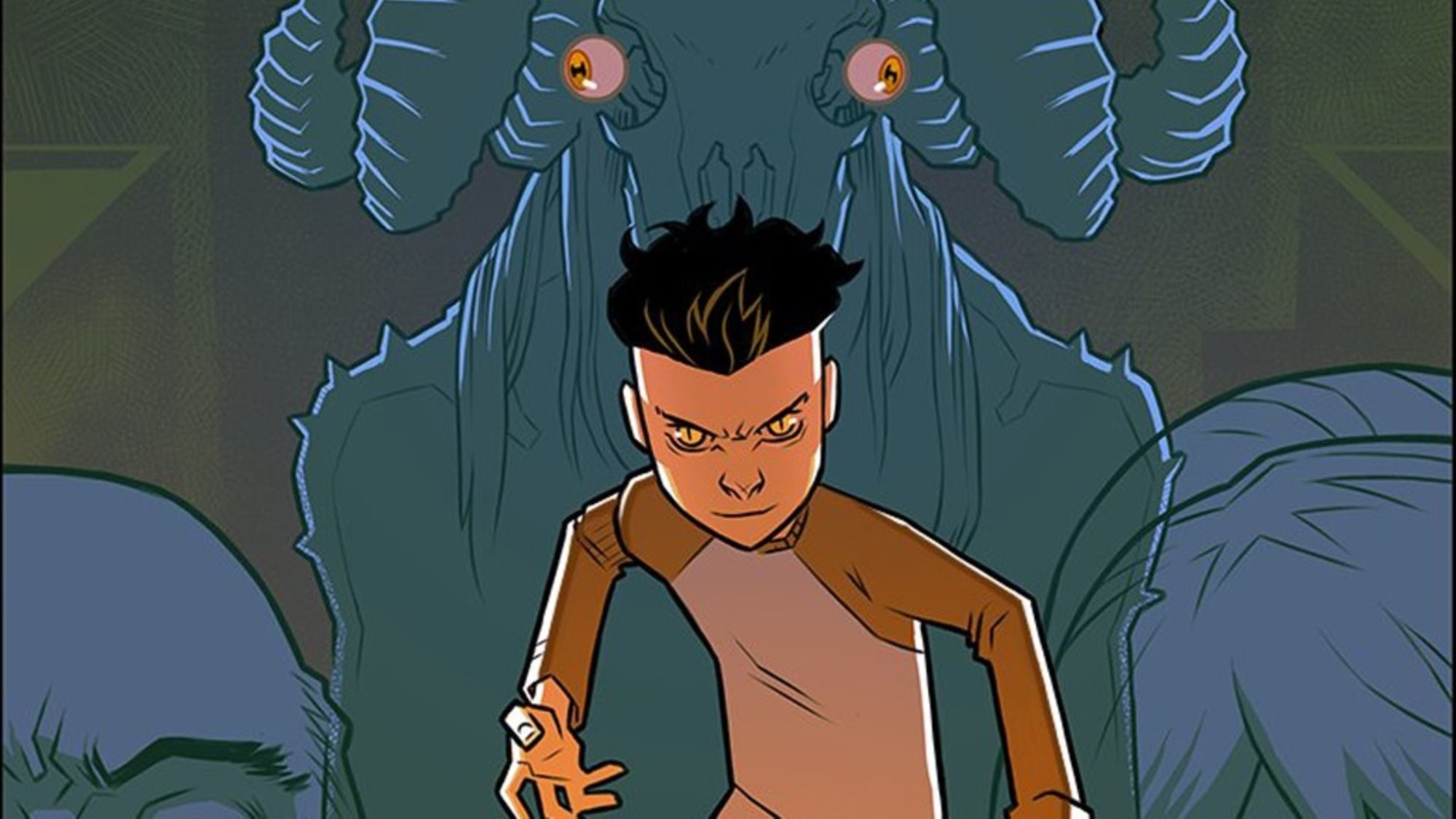
His current project, Urban Animal, a collaboration with artist John Amor and letterer Micah Myers, has quietly become one of his most significant professional achievements. With a staggering subscriber base and a weekly readership that consistently hits the 100,000 mark, Urban Animal stands as a case study for how creators can bridge the gap between traditional prestige and the massive, burgeoning digital audience.
The State of the Industry: Direct Market vs. Global Reach
To understand why Urban Animal is a milestone, one must first dismantle the prevailing narrative about the "death" of comics. Jordan, a seasoned industry hand, admits that he often falls into the trap of equating "comics" exclusively with the "direct market."
"We talk about comics being in trouble based on what’s happening in the direct market," Jordan explains. "But while the direct market has its ups and downs, comics as a medium—sequential storytelling—is enormously popular."
The discrepancy between the two markets is stark. While a high-performing monthly issue in the direct market might struggle to maintain consistent readership numbers, other sectors are seeing historic engagement. The most prominent example is the children’s book market, where Dav Pilkey’s Dogman series enjoys print runs in the millions. Similarly, the manga industry in North America consistently moves tens of thousands of units per volume. Against this backdrop, the digital webtoon space has emerged as a titan of engagement, boasting user bases that dwarf the traditional monthly comic audience.
Chronology of a Digital Success Story
Urban Animal did not happen overnight, but its growth trajectory highlights the power of consistent, digital-first distribution.

- Development: Jordan, seeking a change of pace from traditional monthly work-for-hire, partnered with John Amor and Micah Myers to pitch the concept of a high-schooler who transforms into a shape-shifting Chimera.
- Launch: The series debuted on the Webtoon platform, leveraging its unique vertical-scroll format designed for mobile devices.
- The Scaling Phase: Over the course of its first year, the series began to climb the platform’s rankings. By late 2020, the series had secured a loyal audience, hitting the 465,000-subscriber milestone.
- Sustainability: As the series moved into its third season, the cumulative volume of the work began to reach an scale equivalent to roughly 30 traditional single issues.
- The Print Pivot: With the digital series established, Jordan and his team moved to capitalize on their intellectual property by partnering with Rocketship Entertainment to bring Urban Animal to the physical page via a Kickstarter campaign.
Supporting Data: By the Numbers
The metrics behind Urban Animal are, by any traditional standard, eye-opening. Jordan notes that while subscribers are a "vanity metric" in some regards, they represent a base of interested, recurring users.
- Subscriber Base: At the time of reporting, the series commanded approximately 465,000 subscribers.
- Weekly Readership: The series sees a consistent weekly readership of between 80,000 and 100,000 individuals.
- Engagement: Approximately 10,000 readers engage with each episode immediately upon release, with that number growing as the archive remains accessible to new readers.
- Monetization (The Fast Pass): Webtoon’s "Fast Pass" system allows readers to pay roughly 50 cents to access early episodes. Jordan estimates a minimum of 4,000 paid transactions per week, providing a stable, recurring revenue stream that competes favorably with traditional work-for-hire page rates.
Jordan is careful to emphasize that comparing these numbers to the direct market is an "apples to oranges" exercise. Because the content is free to access, the barriers to entry are significantly lower than a $3.99 monthly pamphlet. However, even with that caveat, the reach of the series places it firmly in the top tier of monthly comics in terms of pure eyes-on-the-page.

The Business Model: A New Approach to Ownership
Perhaps the most significant takeaway from Jordan’s experience is the structural difference in ownership. In the direct market, creator-owned books often involve a publisher who secures a significant stake in the intellectual property (IP).
"Normally when you’re doing creator-owned comics in the direct market, if you’re being paid, the publisher is essentially getting at least part-ownership of the property," Jordan notes. "This, though, functions more like how you would sell a short story in the prose market."

In the Webtoon model, Jordan and his team are essentially licensing the content. They receive a license fee, a share of ad revenue, and a portion of the "Fast Pass" earnings. Crucially, this setup allows the creators to retain their rights, meaning they can pursue merchandising, physical print runs, and other licensing opportunities independently once the exclusivity window closes.
Implications for the Future of Comics
The success of Urban Animal has profound implications for the industry at large, particularly for creators considering the shift to digital.

The Rise of Crowdfunding
Jordan’s pivot to Kickstarter for the print edition of Urban Animal signals a broader trend. Crowdfunding is no longer a "last resort" for niche projects; it is becoming a primary vehicle for established creators to reach their audiences directly. By working with specialized partners like Rocketship Entertainment, creators can navigate the complexities of reformatting web-native content into high-quality print editions without needing the infrastructure of a legacy publisher.
The Longevity of Digital Content
Unlike a monthly comic that hits shelves and is often relegated to back-issue bins within weeks, Urban Animal benefits from the "infinite shelf space" of the internet. As Jordan points out, the sheer volume of content produced—reaching the equivalent of 30 standard issues—ensures that the series will likely yield higher long-term financial returns than shorter-lived print projects.

Rethinking the "Direct Market"
Jordan’s experience suggests that the industry may be moving toward a bifurcated model. The direct market will likely remain a hub for collector-driven, high-prestige physical releases, while platforms like Webtoon will continue to serve as the primary engine for audience growth and mass-market engagement.
Conclusion: A Blueprint for Creators
For Justin Jordan, the transition to Webtoon was not merely a change in format, but a change in philosophy. By embracing the "hyperserialized" nature of webcomics, he has tapped into an audience of millions while maintaining a sustainable business model that favors the creator over the publisher.

As the industry continues to evolve, the story of Urban Animal serves as a compelling blueprint. It proves that success is no longer tied to the traditional gatekeepers of the direct market. Instead, it is found where the readers are: in the palm of their hands, scrolling through stories that are accessible, engaging, and, above all, ready to be discovered.
For those looking to follow in his footsteps, the lesson is clear: focus on building the audience first, utilize digital platforms to ensure accessibility, and leverage that reach to build a multi-faceted business that transcends the traditional monthly cycle. As Jordan continues to release new episodes every Saturday, he remains at the forefront of a movement that is redefining what it means to be a working comic book writer in the 21st century.