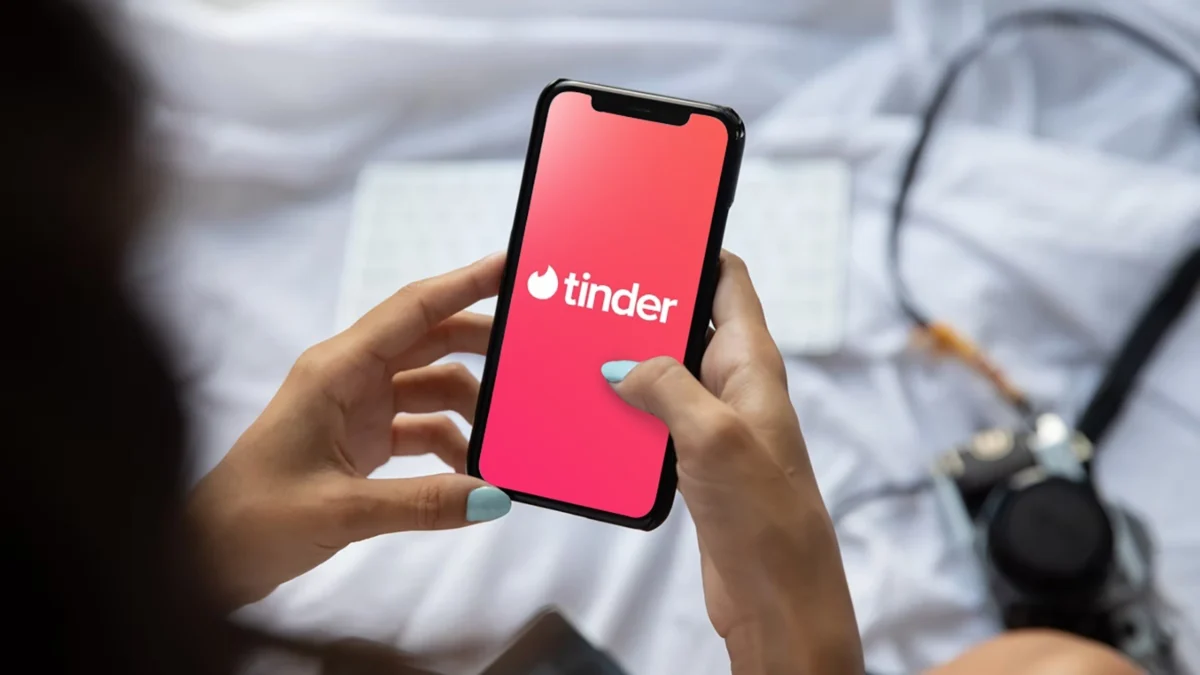
The digital landscape of modern romance is undergoing a seismic shift. For over a decade, dating applications like Tinder and Hinge have functioned as the primary gateways to human connection, promising a streamlined path from a digital swipe to a real-world date. However, a new technological wave—the rise of autonomous AI dating agents—has threatened to fundamentally erode the premise of these platforms. In a decisive move to protect the integrity of their ecosystems, Match Group, the parent company behind industry titans Tinder and Hinge, has officially banned the use of AI agents, signaling a "human-first" mandate in an increasingly automated world.
The Rise of the "Ghostwriter": Why Users Turned to AI
The allure of AI in the dating sphere is rooted in a simple, universal frustration: the time-consuming, often repetitive nature of digital courtship. For many, the "dating app grind"—comprised of endless swiping, crafting witty openers, and navigating lackluster small talk—has become a chore.
Enter the AI dating agent. These sophisticated software bots were designed to act as digital surrogates. They could, in theory, scan profiles, initiate conversations, filter out incompatible matches, and even schedule dates, all while the human user remained entirely disengaged. Proponents argued that these agents were simply the next evolution of efficiency, helping users "hack" their way through the paradox of choice that plagues modern dating.
However, this efficiency came at a cost. The emergence of these agents blurred the line between genuine human interest and algorithmic output. While dating apps have long battled malicious bots—typically used by scammers seeking financial gain—the rise of user-deployed AI agents presented a different problem: the potential for a platform where two bots converse with one another, effectively nullifying the purpose of a service designed to connect human beings.
Chronology of the Clampdown
The transition from curiosity to outright prohibition was rapid.
- Early 2024: As large language models (LLMs) became more accessible, developers began releasing third-party "dating assistant" plugins. Social media platforms, particularly TikTok and X (formerly Twitter), saw a surge in viral videos demonstrating how these tools could automate the "talking phase."
- Mid-2024: Match Group began noticing a spike in suspicious, highly formulaic communication patterns. Internal metrics indicated that while engagement (number of messages sent) was up, the conversion rate from digital chat to in-person meeting was stagnating.
- Late 2024: Match Group CEO Spencer Rascoff publicly addressed the issue in a guest essay for The New York Times. The declaration was unequivocal: AI agents were no longer permitted to function on their platforms.
- Current Status: Match Group has deployed proprietary guardrails to detect and throttle API calls or bot-like activity that deviates from human behavioral norms.
The Philosophical Mandate: "Humans Reviewing Humans"
The core of Match Group’s decision is rooted in a philosophy that prioritizes the "human element." In his recent remarks, Spencer Rascoff emphasized that the company’s mission is not merely to facilitate matches, but to foster authentic connections that eventually lead users to delete the app entirely.
"At Match Group, we decided we don’t want AI agents to take over the functions of our dating apps, not even if they are representing real people," Rascoff stated. "We want to ensure humans are reviewing other humans’ dating profiles and sending messages to other users on our apps."
This stance represents a significant divergence from other sectors of the tech industry, which have largely embraced AI as an inevitable augment to human productivity. For Match Group, the risk of "dehumanizing" the user experience outweighs the benefits of increased platform traffic. Rascoff’s warning to industry peers—urging them to "slow down a bit and think twice"—highlights a growing divide in Silicon Valley regarding where the line between tool and agent should be drawn.
The Data Problem: Engagement vs. Connection
To understand why Match Group is so adamant about this ban, one must look at the metrics that define success for a dating app. Historically, success was measured by "DAU" (Daily Active Users) and "Time Spent on App." However, these metrics can be misleading.
If an AI agent is handling the chatting, the human user spends less time on the platform. While this might seem like a loss for the company, it is actually a disaster for the user’s experience. Data suggests that when a user realizes they are speaking to an AI—or when they suspect their counterpart is not being "real"—trust in the platform plummets.
Match Group’s internal studies suggest that "authentic" interactions are the primary driver of successful, long-term outcomes. By banning AI agents, they are attempting to preserve the "signal-to-noise" ratio. If a platform becomes saturated with synthetic content, the probability of a genuine, in-person connection drops to near zero. The irony of the AI dating agent is that by attempting to solve the problem of "not enough time," the user inadvertently destroys the only outcome that matters: the date itself.

The Dual-Edged Sword: AI as a Feature vs. Agent
It is important to note that Match Group is not entirely anti-AI. The industry has been experimenting with AI for years to improve user experience. For instance, Tinder has explored AI-powered "Chemistry" tools, such as "Photo Enhance," designed to help users present their best selves.
However, these tools have proven controversial. The "Photo Enhance" feature, which subtly altered user appearances, was met with significant backlash, with some users describing it as "scary" and "violating." When the tool was rolled out to a small test group (roughly 0.5% of the user base), the negative feedback was swift and decisive. This highlighted a critical lesson: users are comfortable with AI as a utility (e.g., helping to choose a better profile picture), but they are highly resistant to AI as a proxy (e.g., talking for them).
This distinction is crucial. Match Group is effectively drawing a line in the sand: AI can be a tool to help you represent yourself, but it cannot be the mechanism by which you form a relationship.
Implications for the Future of Digital Dating
The banning of AI agents has several far-reaching implications for both the tech industry and the millions of users who rely on these platforms.
1. The Rise of "Verification"
As AI becomes more sophisticated, we can expect a new "arms race" in identity verification. We may soon see the emergence of "human-verified" badges on dating profiles, similar to the blue checkmarks of the social media era, confirming that the person behind the screen is, in fact, a human.
2. The Return to In-Person Experiences
Recognizing that the digital space is becoming increasingly "polluted" by synthetic interaction, Tinder has begun pivoting toward real-world initiatives, such as hosting in-person meetups. This represents a return to the roots of social interaction. If the app can no longer guarantee the "humanity" of the chat, it must facilitate the humanity of the meeting.
3. Regulatory and Legal Scrutiny
Match Group’s proactive stance may set a legal precedent. By officially banning AI agents in their Terms of Service, they are creating a legal framework to sue companies that build and distribute "dating bots." This could lead to a wave of litigation against developers of AI-automation software, potentially chilling the development of "agentic" AI in the consumer-facing social space.
4. The Sociological Impact
On a deeper level, the ban raises questions about our collective patience for human interaction. If we are so eager to outsource our romantic conversations to an AI, what does that say about our capacity for empathy and vulnerability? The success of a relationship, by definition, requires the messy, inefficient, and often awkward process of human communication. By removing that process, are we removing the very thing that makes a connection valuable?
Conclusion: The Human Imperative
The decision by Match Group to prohibit AI agents is not merely a technical update; it is a fundamental defense of the human experience. While the siren song of automation—the promise of a more efficient, less stressful dating life—is undeniably strong, it is a promise that ignores the core human need for connection.
As we move further into the age of artificial intelligence, the premium on "human-verified" interaction will only continue to rise. Tinder and Hinge have made their choice: they are choosing to remain platforms for people, not for programs. In a world that is becoming increasingly automated, the most radical thing one can do is show up, be vulnerable, and engage in the slow, imperfect, and entirely human work of finding love. The era of the AI wingman has been cut short, and perhaps, for the sake of our collective romantic health, that is exactly as it should be.