

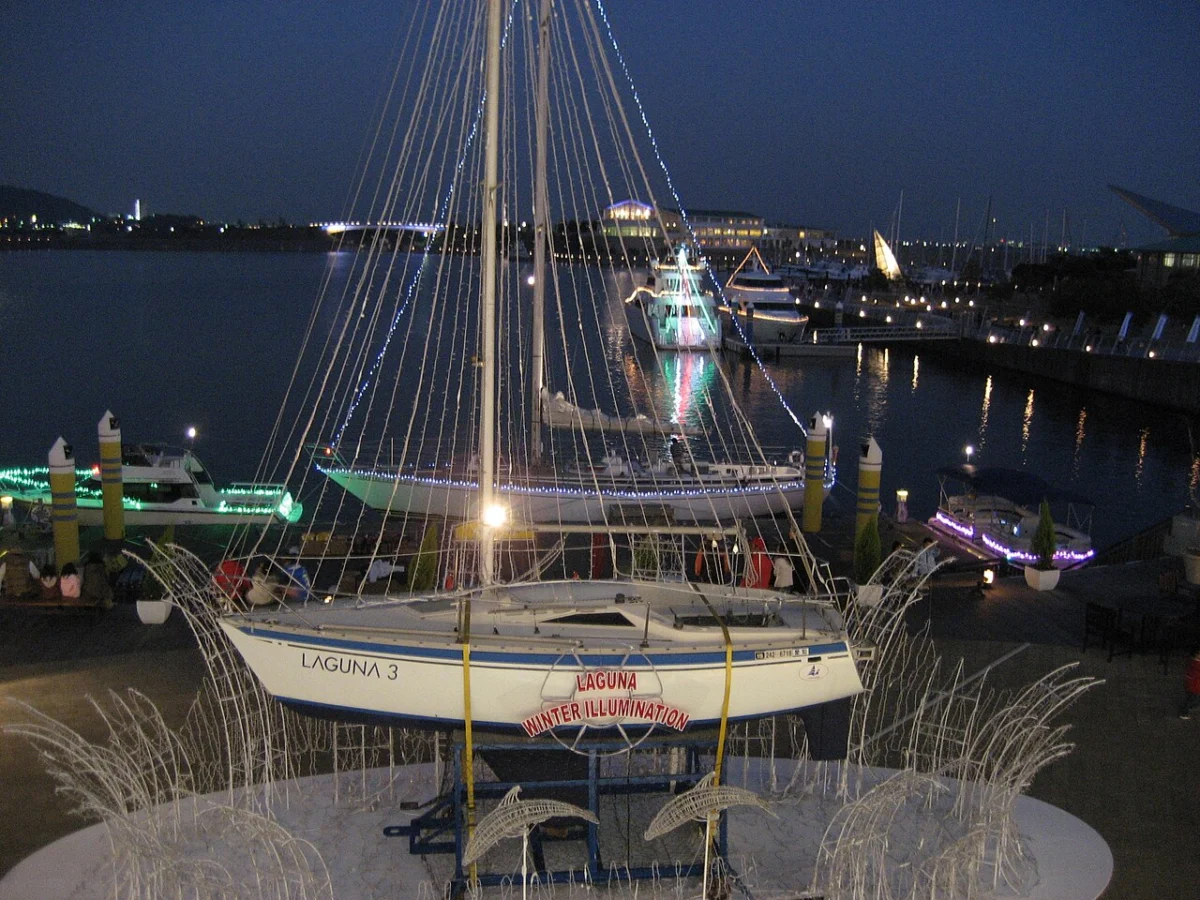
Perched along the serene coastline of Mikawa Bay in Aichi Prefecture, roughly 30 kilometers southeast of Nagoya, lies a destination that defies the conventional expectations of Japanese theme parks. Laguna Ten Bosch, formerly known as Laguna Gamagori, serves as a unique nexus of marine-themed entertainment, local culinary heritage, and Mediterranean-inspired architecture. While it lacks the global brand recognition of Universal Studios Japan or the sheer adrenaline-pumping scale of Nagashima Spa Land, Laguna Ten Bosch offers a meticulously curated, low-intensity resort experience that has become a vital fixture for families and local travelers in central Japan.
Main Facts: The Anatomy of a Resort
Laguna Ten Bosch is more than just an amusement park; it is a multifaceted marine resort complex designed to cater to various demographics. Its physical footprint is divided into four distinct yet integrated sectors:
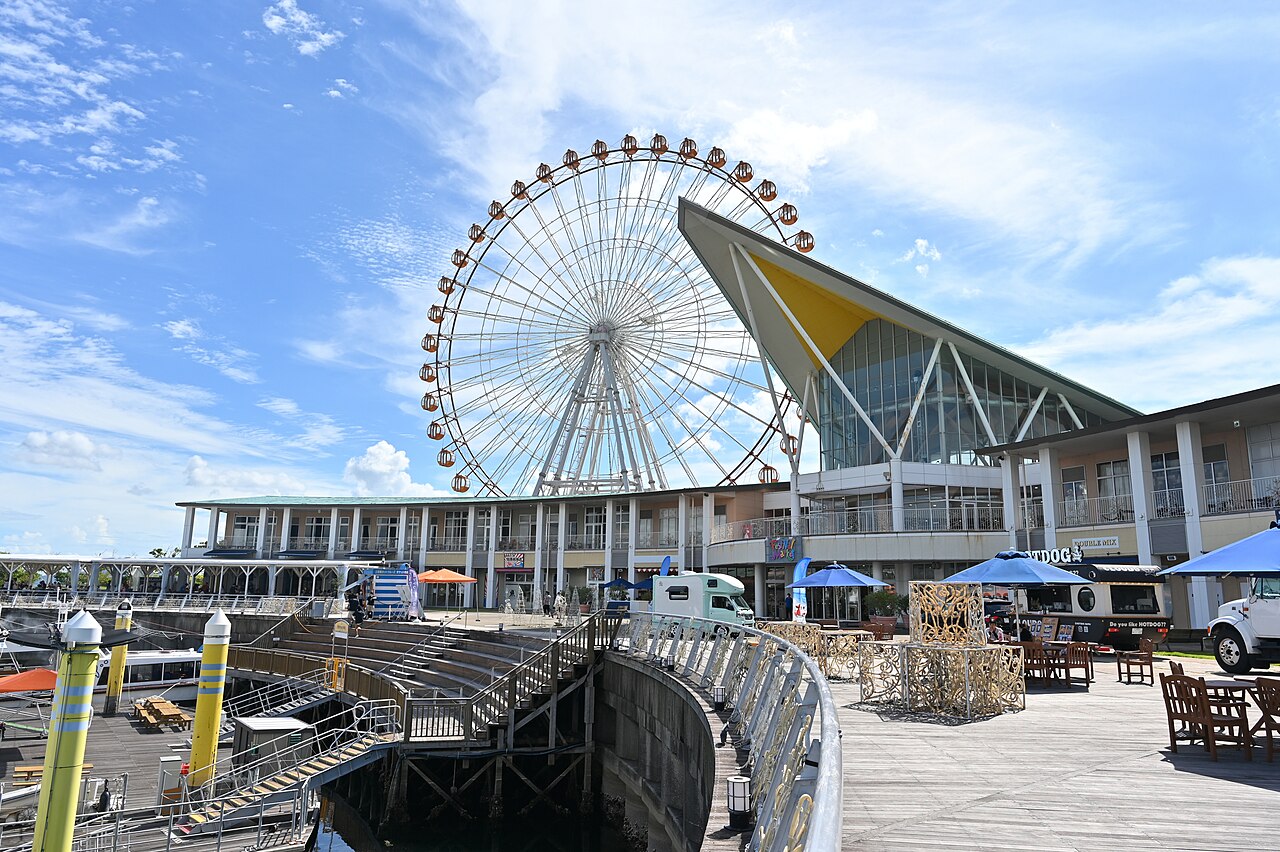
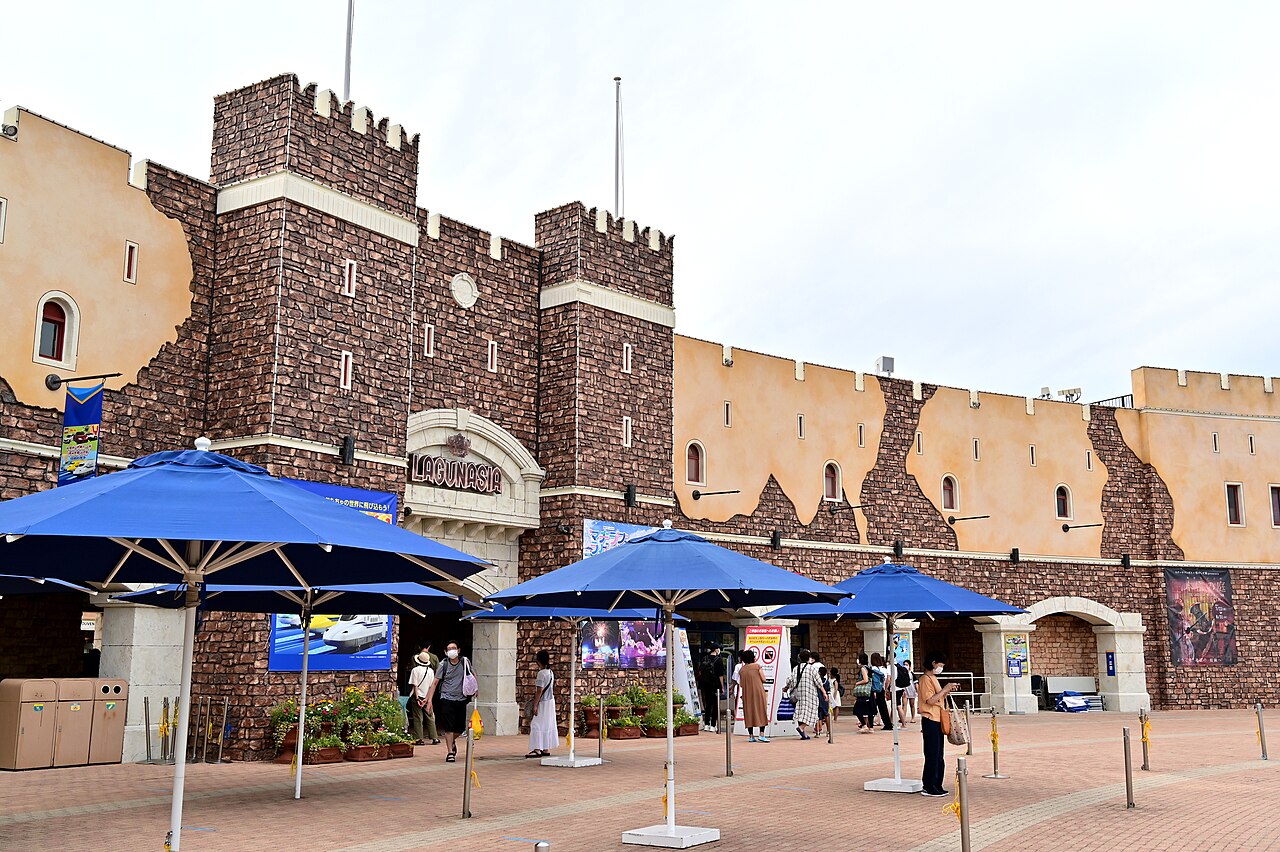
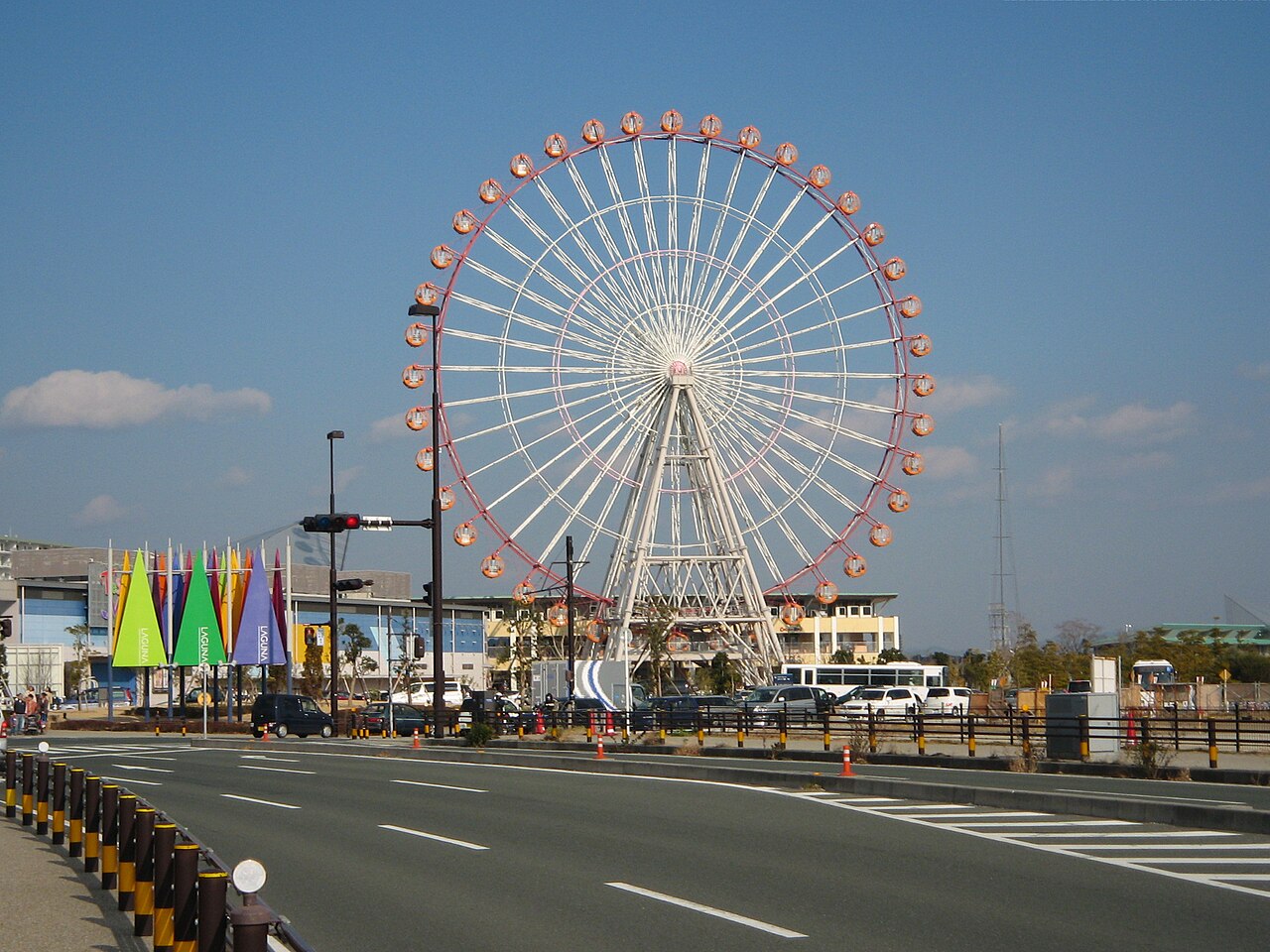
- Lagunasia: The core theme park, centered on a "Silk Road of the Sea" concept. It features 23 rides, including four roller coasters and a prominent 65-meter Ferris wheel that offers panoramic views of Mikawa Bay.
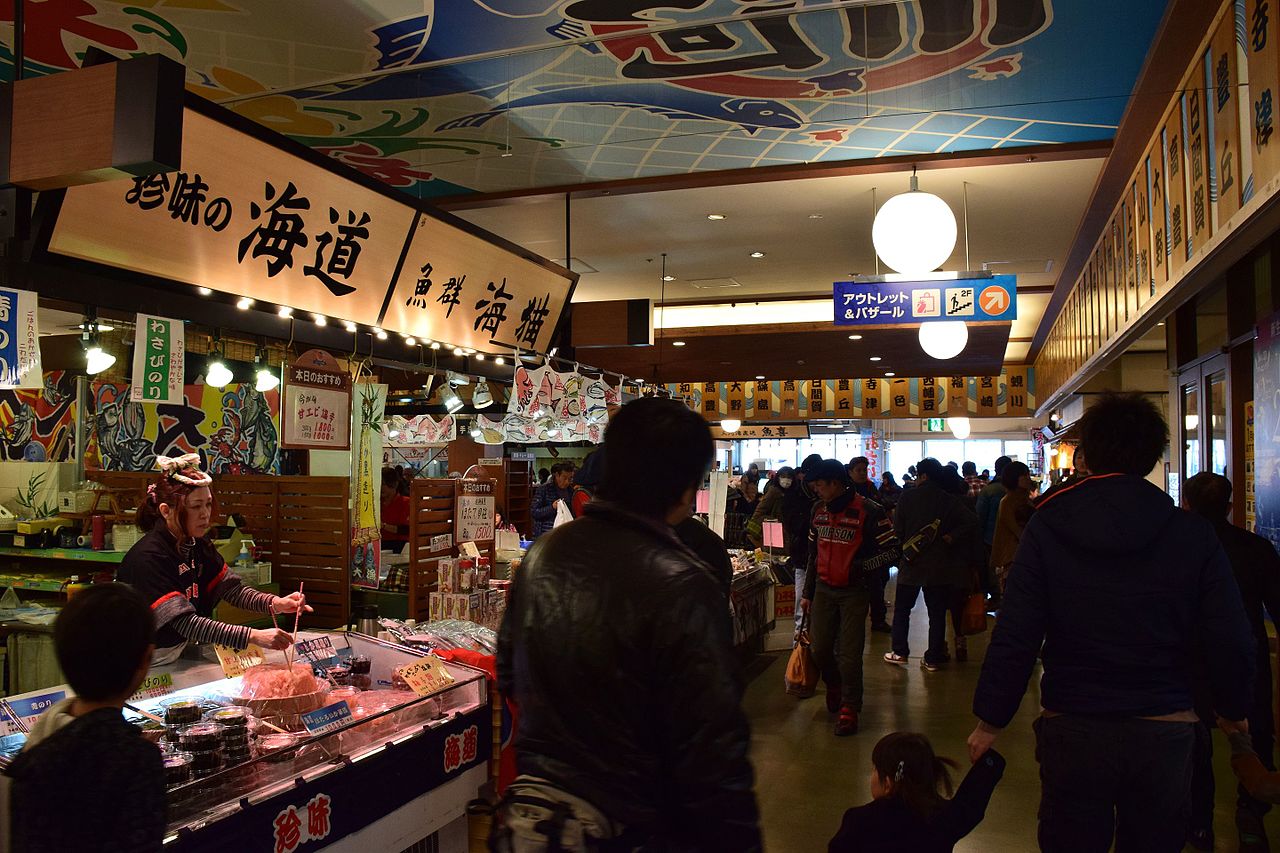
- The Festival Market: A sprawling shopping and dining complex that functions as the resort’s public gateway. It includes a fresh-fish market where the Gamagori fishing fleet unloads its daily haul, alongside various retail outlets.
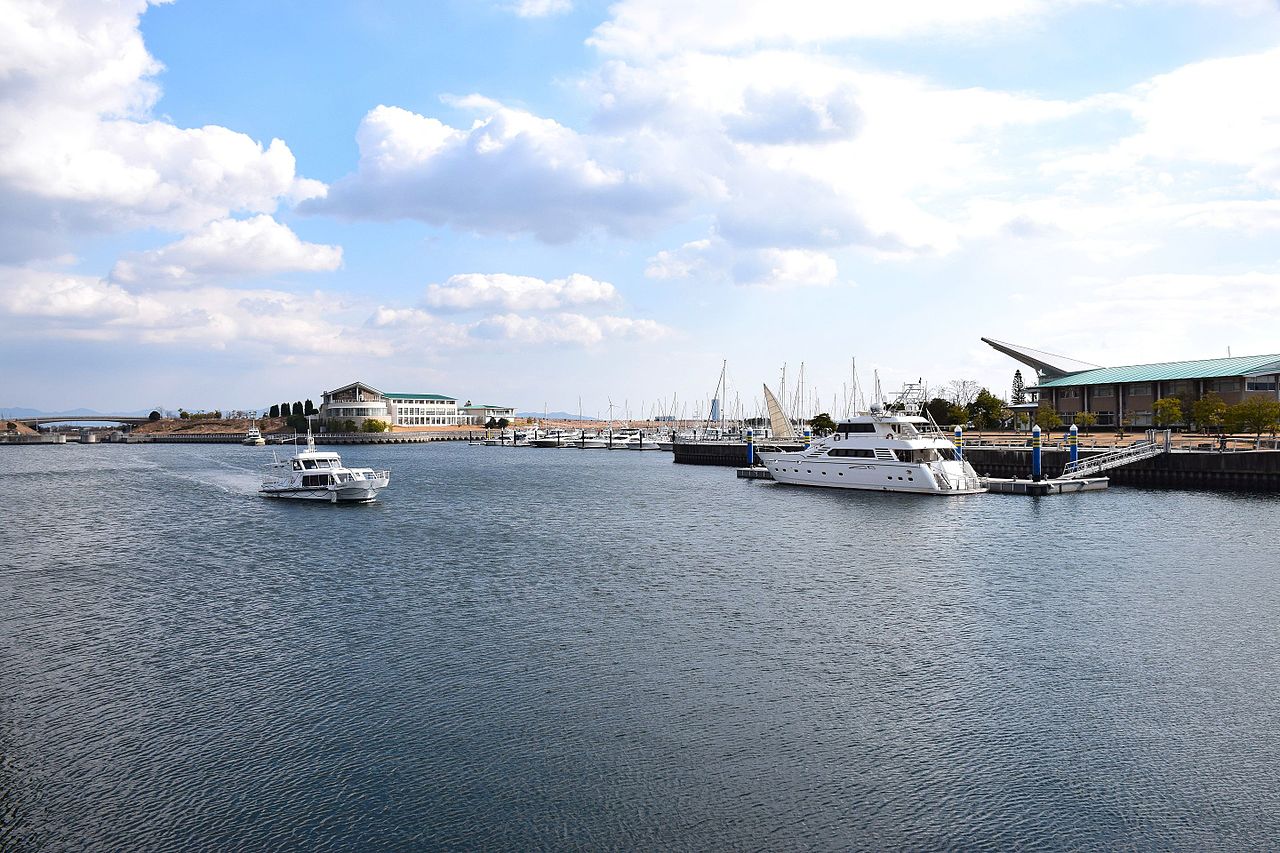
- The Marina and Water Park: A functional marina supporting charter boats and, during the summer months (early July to early September), a dedicated water park featuring a 230-meter lazy river and extensive swimming facilities.
- Thalassa Spa Hotel: An on-site resort hotel that emphasizes balneotherapy, utilizing heated seawater and traditional spa treatments to mirror the Mediterranean health-resort aesthetic.
With an all-inclusive passport priced at approximately ¥3,990, the resort positions itself as a budget-friendly alternative to Japan’s mega-parks, making it an ideal half-day or full-day excursion for those based in Nagoya.
Chronology: From Industrial Reclamation to Resort Rebranding
The history of the site provides essential context for its distinct aesthetic. The development originated in 2002 under the stewardship of a Toyota-affiliated division of Mitsubishi Real Estate. At the time, the project was envisioned as a futuristic “ocean resort” built on reclaimed land in Mikawa Bay, intended to combine an amusement park, an outlet mall, a marina, and a hotel into a single, cohesive leisure destination.
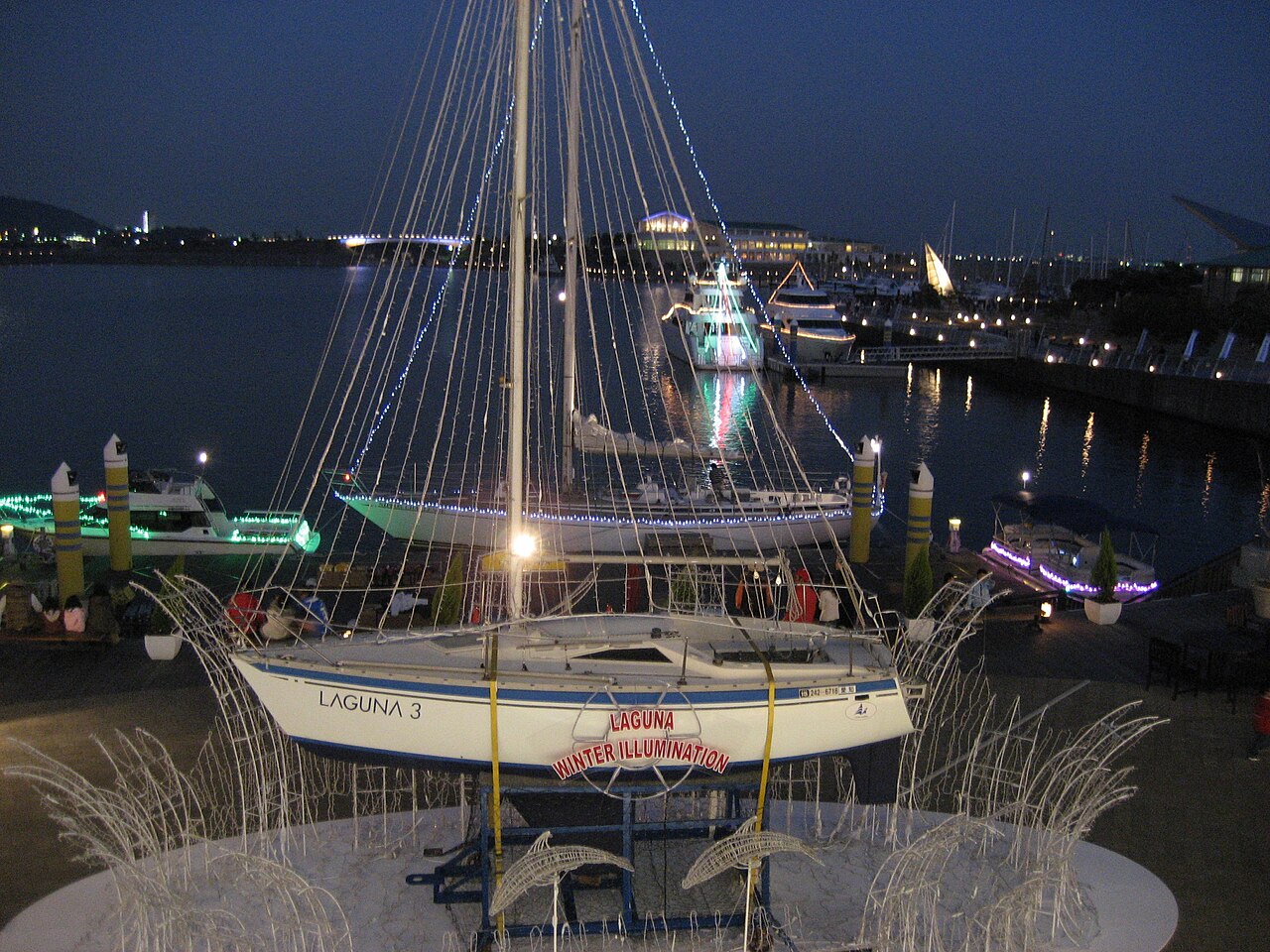
However, the path to commercial success was not linear. Through the 2000s and early 2010s, the resort experienced fluctuating fortunes as it struggled to define its identity within the competitive Japanese leisure market. By 2014, the original operators divested, leading to an acquisition by H.I.S. Holdings, a powerhouse in the Japanese travel and hospitality sector.
The acquisition proved to be a turning point. H.I.S. brought with them the expertise from their ownership of the renowned Huis Ten Bosch theme park in Nagasaki. In 2015, the property was rebranded as "Laguna Ten Bosch." This transition was not merely cosmetic; it involved an aesthetic overhaul that imported the signature Dutch-harbor-town theme found in Nagasaki. Windmills, canal-inspired architecture, and the introduction of the mascot "Hapira-chan" were implemented to foster a sense of thematic consistency, transforming the site from a generic industrial-era project into a more atmospheric, European-styled retreat.
Supporting Data: Why the Model Works
Laguna Ten Bosch operates on a "niche-appeal" model. It acknowledges that it is not a destination for "thrill-seekers" looking for the world’s tallest coasters. Instead, it leans into the demographic of families with children aged 4 to 10 and couples seeking a relaxed, scenic atmosphere.
Operational Metrics
The park’s compact size is one of its greatest assets. Unlike the sprawling urban parks of Osaka or Tokyo, the entirety of Lagunasia can be navigated on foot in under ten minutes. This density facilitates a more relaxed visitor experience.
- Wait Times: On standard weekdays, wait times for the signature "Aqua Wind" steel coaster—a 590-meter layout that provides a thrill-lite experience—rarely exceed 20 minutes. Even during peak seasons, queue management is facilitated by the park’s efficient layout.
- Interactive Innovation: Recognizing the shift in consumer preferences, recent investments have focused on "interactive dark rides," such as the Legend of Labyrinth. These attractions represent a move away from passive observation toward active participation, a trend that resonates strongly with the younger Japanese demographic.
Economic Impact and Local Integration
The Festival Market serves as an economic bridge between the theme park and the local community. By hosting a working fish market, the resort creates a symbiotic relationship with the Gamagori fishing fleet. This is not a "tourist trap" iteration of a fish market; it is a genuine point of trade where high-quality, seasonal catches—such as Mikawa Bay sea bream, hamaguri (large clams), and the prized shako (mantis shrimp)—are sold at wholesale-adjacent prices. This integration allows the resort to offer a high-value culinary experience that stands apart from the typical, often overpriced, "theme-park fare."
Official Perspectives and Strategic Implications
The corporate strategy of H.I.S. Holdings regarding Laguna Ten Bosch has been one of "synergistic branding." By aligning the park with the aesthetic and operational standards of Huis Ten Bosch, the company has successfully created a brand identity that emphasizes European charm.
From an industry standpoint, the implications of this strategy are significant. Regional parks in Japan often struggle to survive against the dominance of Disney and Universal. By choosing to differentiate itself through Mediterranean-style architecture and a focus on local seafood, Laguna Ten Bosch has carved out a sustainable, albeit smaller, market share. It functions as a "case study" for regional revitalization: using theme-park infrastructure to drive tourism to a secondary city (Gamagori) while maintaining a price point that makes it accessible to the local population.
Furthermore, the park’s commitment to "English-light" accessibility—providing basic signage and bilingual safety instructions—suggests that while they welcome international visitors, their primary focus remains the domestic market. This is a pragmatic choice, ensuring that the park remains authentic to its intended audience while remaining navigable for the occasional foreign traveler exploring the Aichi region.
The Future of Regional Tourism
For the prospective traveler, the question of whether to visit Laguna Ten Bosch depends heavily on one’s travel goals.
- For the Enthusiast: It serves as a fascinating example of domestic Japanese tourism design. Comparing the "imported" Dutch aesthetic of Laguna with the more organic, local development of Nagashima Spa Land provides a window into how Japanese developers attempt to curate "foreign" experiences for a local audience.
- For the Family: It is an unambiguous win. The combination of water activities in the summer, manageable crowds, and safe, well-maintained rides makes it one of the most stress-free theme park experiences in the country.
- For the Culinary Traveler: The Festival Market is a destination in itself. Being able to purchase fresh sashimi-grade fish and have it prepared on-site by a restaurant is a unique, high-value experience that transcends the standard "day-trip" itinerary.
Practical Considerations
The resort remains highly accessible. A direct train connection from Nagoya to Gamagori Station, followed by a frequent free shuttle, makes the trip an easy one-hour transit. For those visiting from Tokyo or Osaka, the proximity to the Shinkansen stop at Toyohashi allows for a seamless, if slightly tighter, connection.
While the park lacks the "wow factor" of a world-class rollercoaster, its success is measured in different units: the happiness of a young child on a merry-go-round, the satisfaction of a couple watching the sunset from the Ferris wheel, and the appreciation of a local foodie enjoying fresh sea bream by the bay. In the grand tapestry of Japanese leisure, Laguna Ten Bosch occupies a necessary and charming space—a reminder that not every park needs to be a global destination to be a success. It is a local treasure, functioning exactly as it was intended: as a place for the people of Aichi to play, eat, and relax by the sea.











