
 Evan Lee Salim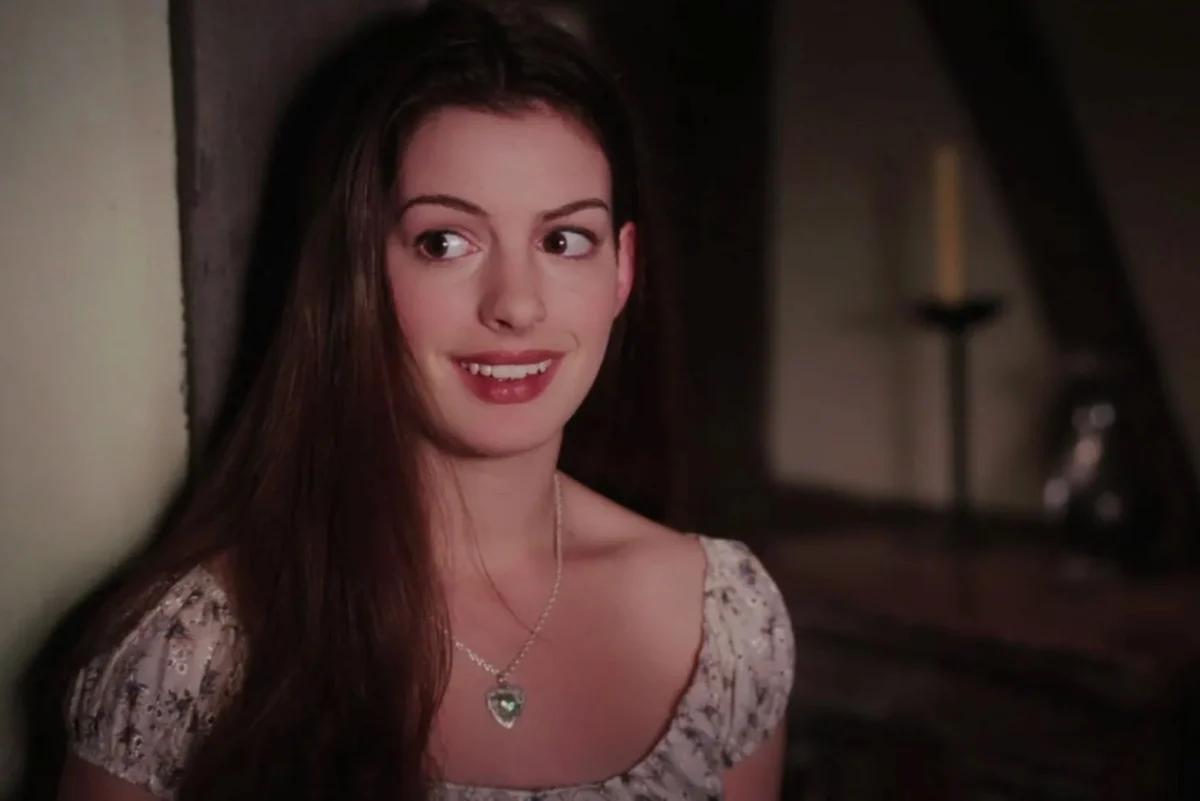
The world of Frell is set to open its gates once again. Disney+ has officially moved forward with a series adaptation of Gail Carson Levine’s beloved 1997 novel, Ella Enchanted. This development marks a significant return to one of the most cherished works of young adult fantasy literature, promising to reintroduce a new generation to the story of a girl cursed with the "gift" of obedience.
Industry insiders confirm that the project is in the early stages of development. While fans of the 2004 cult classic film will be thrilled to see familiar talent involved behind the scenes, the new iteration is expected to carve out a distinct identity, leaning into a boarding school aesthetic that prioritizes the coming-of-age elements of Levine’s original prose.
The Core Narrative: A Legacy of Obedience
At the heart of the story remains the central conflict introduced by Gail Carson Levine: the plight of Ella of Frell. Cursed at birth by the misguided fairy Lucinda Perriwether, Ella is compelled to obey any direct command given to her—no matter how trivial, dangerous, or bizarre. This magical affliction serves as a poignant metaphor for the loss of autonomy and the struggle for self-actualization.
In the original narrative, Ella’s journey is one of resilience. Rather than succumbing to the limitations imposed upon her, she embarks on a perilous quest to track down Lucinda and break the spell. Along the way, she encounters ogres, giants, and, of course, the dashing Prince Char. The story has long been celebrated for its clever subversion of the traditional "Cinderella" trope, replacing the passive damsel with a protagonist who fights for her agency with wit and determination.
A Tale of Two Adaptations: The Chronology
The history of Ella Enchanted on screen is a testament to the enduring appeal of the source material.
- 1997: Gail Carson Levine publishes Ella Enchanted, which receives the prestigious Newbery Honor, cementing its place in the canon of contemporary fantasy literature.
- 2004: Disney releases a feature-length musical adaptation starring Anne Hathaway. The film took significant liberties with the book’s tone and plot, leaning into a more whimsical, modernized fairy-tale style that introduced the story to a massive global audience.
- 2024–2025: Discussions regarding a television series adaptation gain traction, with Miramax and Disney+ exploring a deeper, more faithful exploration of the original text.
- 2026: Disney+ officially announces that the series is in active development, signaling a shift in the company’s strategy to leverage its library of intellectual property for long-form streaming content.
Behind the Curtain: The Creative Team
The involvement of Anne Hathaway is perhaps the most exciting reveal for long-time fans. Having portrayed the title character in the 2004 film, Hathaway now steps into the role of Executive Producer. Her presence serves as a bridge between the two iterations, offering a sense of continuity while allowing for a fresh, updated interpretation of the narrative.
The creative engine for the project is equally impressive. Ilana Wolpert, known for her sharp character work on Anyone But You and her contributions to High School Musical: The Musical: The Series, has been tapped to pen the scripts. Her expertise in crafting compelling teenage dynamics makes her a perfect fit for a series that aims to capture the complexities of the boarding school experience.
Joining her is showrunner Beth Schwartz. With a resume that includes the gritty, high-stakes storytelling of Arrow, the expansive world-building of Legends of Tomorrow, and the supernatural mystery of Dead Boy Detectives, Schwartz is well-equipped to balance the magical elements of Frell with the grounded, emotional character arcs required for a successful series.
Shifting Focus: The "Boarding School" Aesthetic
One of the most notable departures from the 2004 film is the decision to center the series around a boarding school setting. While the original novel includes a segment where Ella attends finishing school, the film adaptation largely bypassed this period in favor of a more traditional road-trip adventure.
By anchoring the narrative in a boarding school, the series creators are clearly aiming for a "coming-of-age" tone. This setting allows for a more granular exploration of Ella’s internal struggles. In a school environment, the curse of obedience becomes even more volatile; a simple command from a teacher, a bully, or a rival student could have catastrophic consequences for Ella. This structure provides a natural framework for episodic tension, allowing the show to explore social hierarchies, academic pressure, and the formation of identity—all through the lens of a high-stakes fantasy world.
Industry reports suggest that the series will likely incorporate musical elements, drawing on the talents of the creative team and acknowledging the success of the 2004 film’s musical numbers. However, the tone is expected to be more aligned with modern young adult dramas, focusing on character-driven storytelling rather than the slapstick comedy that characterized the early 2000s film.
The Business of Nostalgia: Why Now?
Disney’s decision to revisit Ella Enchanted is part of a broader industry trend of "re-imagining" successful intellectual property for the streaming era. For Disney+, which relies heavily on subscriber retention, established titles offer a "built-in" audience.
However, the success of such adaptations depends on the ability to modernize themes. In the 25 years since the book’s publication, the conversation surrounding bodily autonomy and consent has shifted dramatically. Ella Enchanted is uniquely positioned to capitalize on these themes. The "curse" of being unable to say "no" provides a rich, albeit challenging, foundation for exploring the importance of personal boundaries—a theme that resonates deeply with modern audiences.
Furthermore, the "boarding school" pivot is a strategic move to tap into the market currently dominated by shows like Wednesday or Fate: The Winx Saga. By blending the nostalgic fantasy of the late 90s with the polished, moody aesthetic of current streaming hits, Disney is attempting to capture both the millennial demographic that grew up with the book and the Gen Z audience that favors character-led fantasy series.
Implications for the Future of Disney+ Fantasy
The development of the Ella Enchanted series suggests that Disney+ is becoming more comfortable with "deconstructed" fairy tales. By moving away from the rigid, princess-centric narratives of the past, the studio is signaling a shift toward more nuanced storytelling.
If successful, the show could pave the way for more adaptations of 90s and early 2000s YA classics. There is a vast, untapped library of literature from that era that combines whimsical world-building with relatable adolescent angst—a combination that is currently seeing a resurgence in popularity.
Unanswered Questions
As the production enters its early development phase, several questions remain:
- Casting: Who will take on the mantle of Ella? Finding an actress who can balance the vulnerability of the character with the fierce spirit required to break the curse will be the most critical casting decision of the series.
- The World of Frell: How will the production design translate the kingdom of Frell for television? Will it lean into the high-fantasy aesthetic, or will it be more grounded and period-inspired?
- Release Window: Given the complexity of special effects and the logistical requirements of a series, fans should likely expect a significant wait before the show hits the platform.
For now, the return to Frell is a welcome prospect. Whether it will mirror the lighthearted charm of the 2004 film or offer a darker, more introspective look at the curse of obedience remains to be seen. But with a team that clearly understands both the magic of the original novel and the mechanics of modern television, there is every reason to believe that Ella Enchanted will find its voice once again, proving that some stories never truly lose their spell.

 Nana Wu
 Ali Ikhwan





