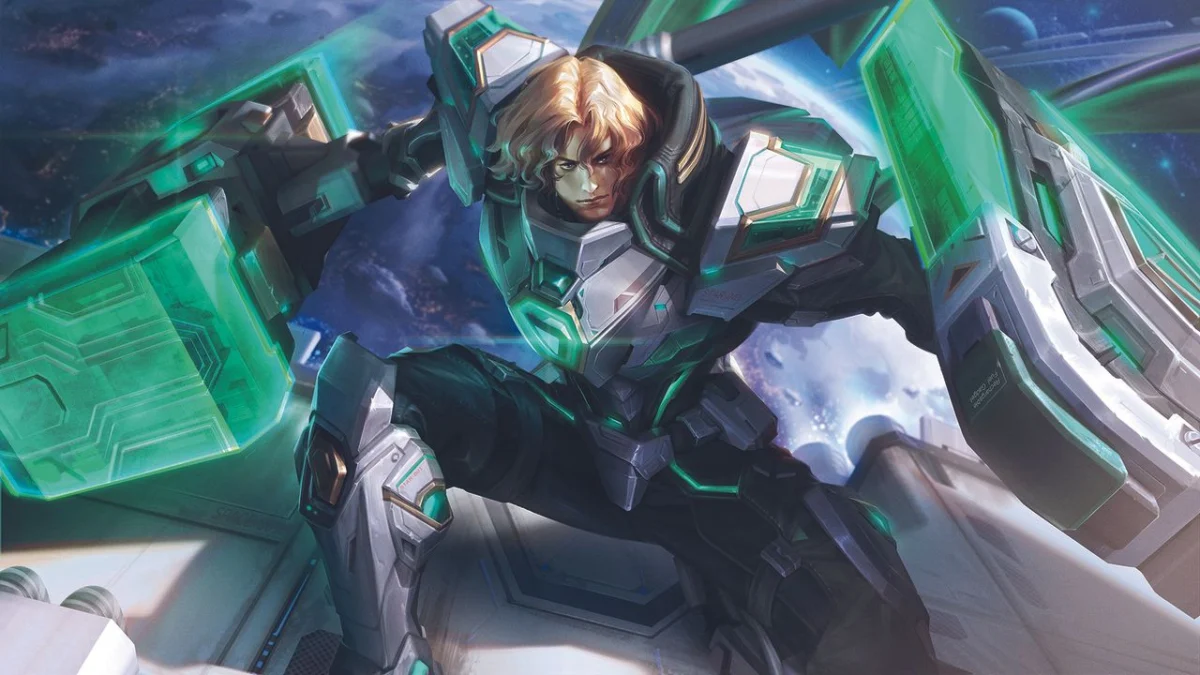
In the rapidly evolving landscape of global digital entertainment, few artists manage to capture the kinetic energy of combat and the intricate weight of fantasy armor quite like Justice Wong. Based in the bustling creative hub of Hong Kong, Wong has cemented his reputation as a formidable self-taught illustrator and concept artist. With a portfolio that reads like a “who’s who” of the gaming industry—boasting contributions to titans such as League of Legends, Honor of Kings, and the atmospheric, challenging landscapes of Dark Souls—Wong’s work serves as a masterclass in visual storytelling.
Wong’s trajectory from a self-taught enthusiast to an industry-standard professional is a testament to the power of disciplined practice and an obsession with the mechanics of form. By blending technical precision in software like Adobe Photoshop and Clip Studio Paint with an intuitive grasp of lighting and movement, he has created a signature aesthetic that defines "dynamic realism."
A Career Defined by Evolution: The Chronology of an Artist
The story of Justice Wong is not one of traditional academic fine-art routes, but rather a journey of relentless self-improvement and platform-driven growth.
The Formative Years:
In the early stages of his career, Wong focused heavily on the tactile nature of his subjects. His obsession with armor, for instance, became the bedrock of his style. This period was marked by an intense study of how metal, leather, and fabric interact with the human form under the duress of movement. It was during this time that he developed the foundational elements of his artistic identity—a focus on readability, silhouette, and the "heroic" posture.
Professional Expansion:
As his reputation grew, Wong transitioned into the demanding world of AAA game development. Working on titles like League of Legends required him to adapt his detailed, realistic style to match the highly stylized, readable, and vibrant requirements of MOBA (Multiplayer Online Battle Arena) design. This period forced a shift from purely aesthetic illustration to functional concept art, where every brushstroke needed to support the gameplay and character identity.
The Current Era:
Today, Wong is widely recognized for his versatility. Whether he is crafting the brooding, gothic textures required by the Dark Souls aesthetic or the high-octane, futuristic designs for Honor of Kings, he remains a master of visual hierarchy. His recent work demonstrates a move toward more complex environmental storytelling, where the character is no longer just a figure in a void, but a living component of a breathing world.
The Toolkit: Anatomy of a Digital Workflow
For those looking to emulate Wong’s success, understanding his technical pipeline is essential. Wong advocates for a streamlined, industry-standard approach. His primary digital canvas is Adobe Photoshop, favored for its robust layer management and brush engine, while Clip Studio Paint frequently enters his workflow for its superior line-work capabilities and specialized asset management.
However, Wong is quick to point out that the software is merely the vessel for the artist’s intent. For those beginning their journey in digital art, he emphasizes the importance of hardware—specifically, investing in high-quality drawing tablets that provide the sensitivity and pressure control required for complex rendering. The transition from a mouse-and-keyboard approach to a professional-grade tablet remains, in his view, the most critical leap for any aspiring illustrator.
A Curated Portfolio: Four Masterpieces Analyzed
To understand Wong’s approach, one must examine his self-selected highlights. These pieces represent the bridge between his early experiments and his current professional status.
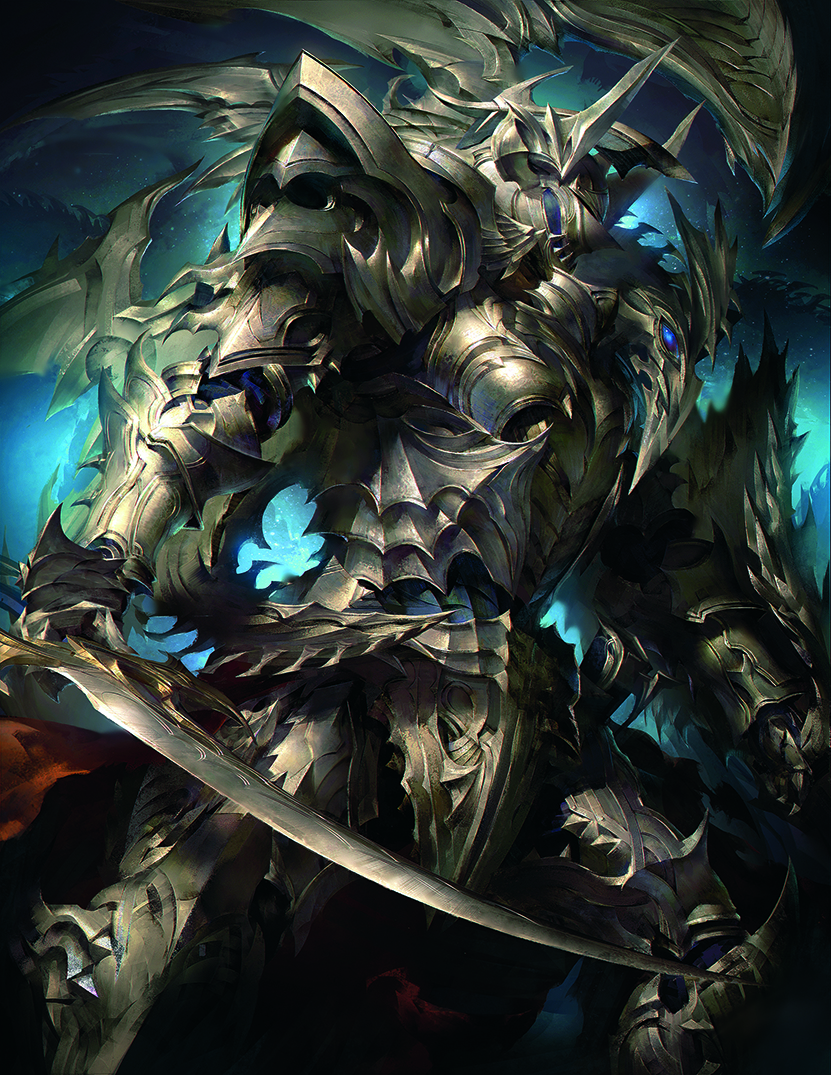
1. Dragon the Man
"Dragon the Man" serves as the touchstone for Wong’s career. Despite being an early personal project, it acts as a manifesto for his love of armor design. The piece showcases a meticulous attention to material physics; the way light catches the edges of the plates and the subtle weathering on the metal surfaces tell a story of a warrior who has seen battle. It remains, in his own words, the work that solidified his artistic DNA.
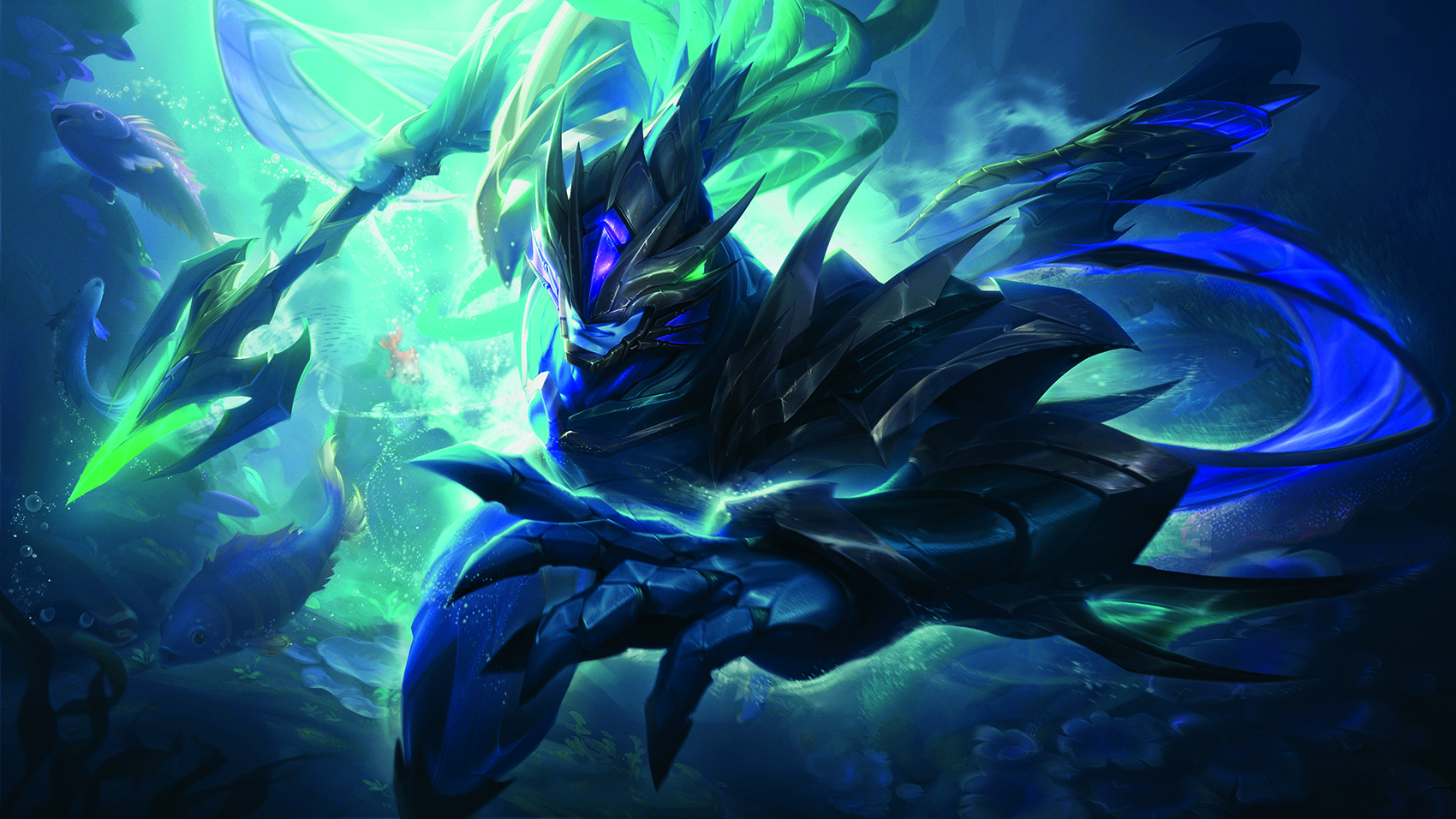
2. Alpha – Sea Gladiator
In "Alpha – Sea Gladiator," Wong demonstrates his ability to translate high-speed motion onto a static 2D plane. By utilizing extreme perspective and a "charging" composition, the piece forces the viewer into the path of the character. The underwater environment is not merely a backdrop but a medium for light refraction and distortion, highlighting Wong’s evolution in environmental lighting.
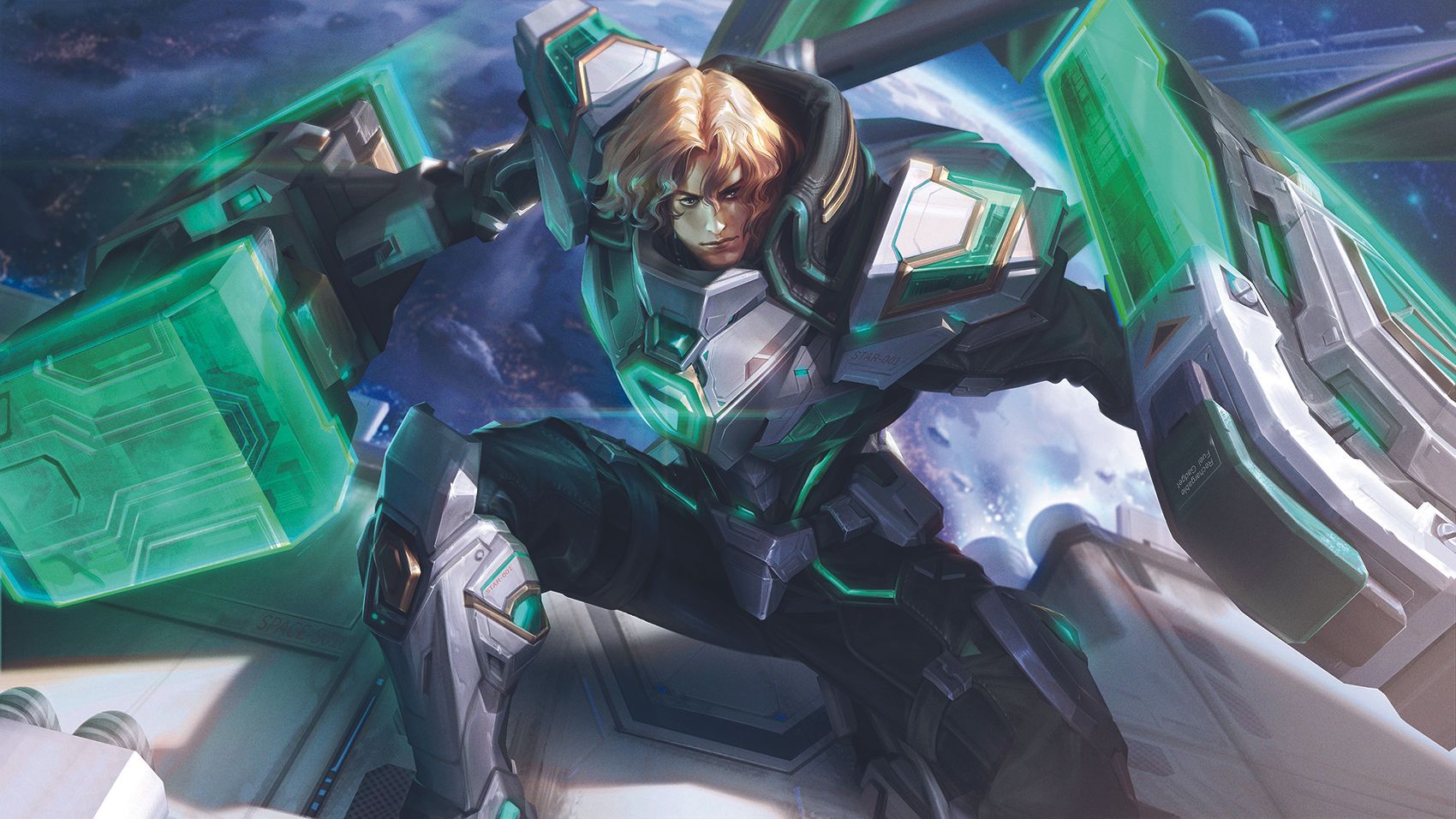
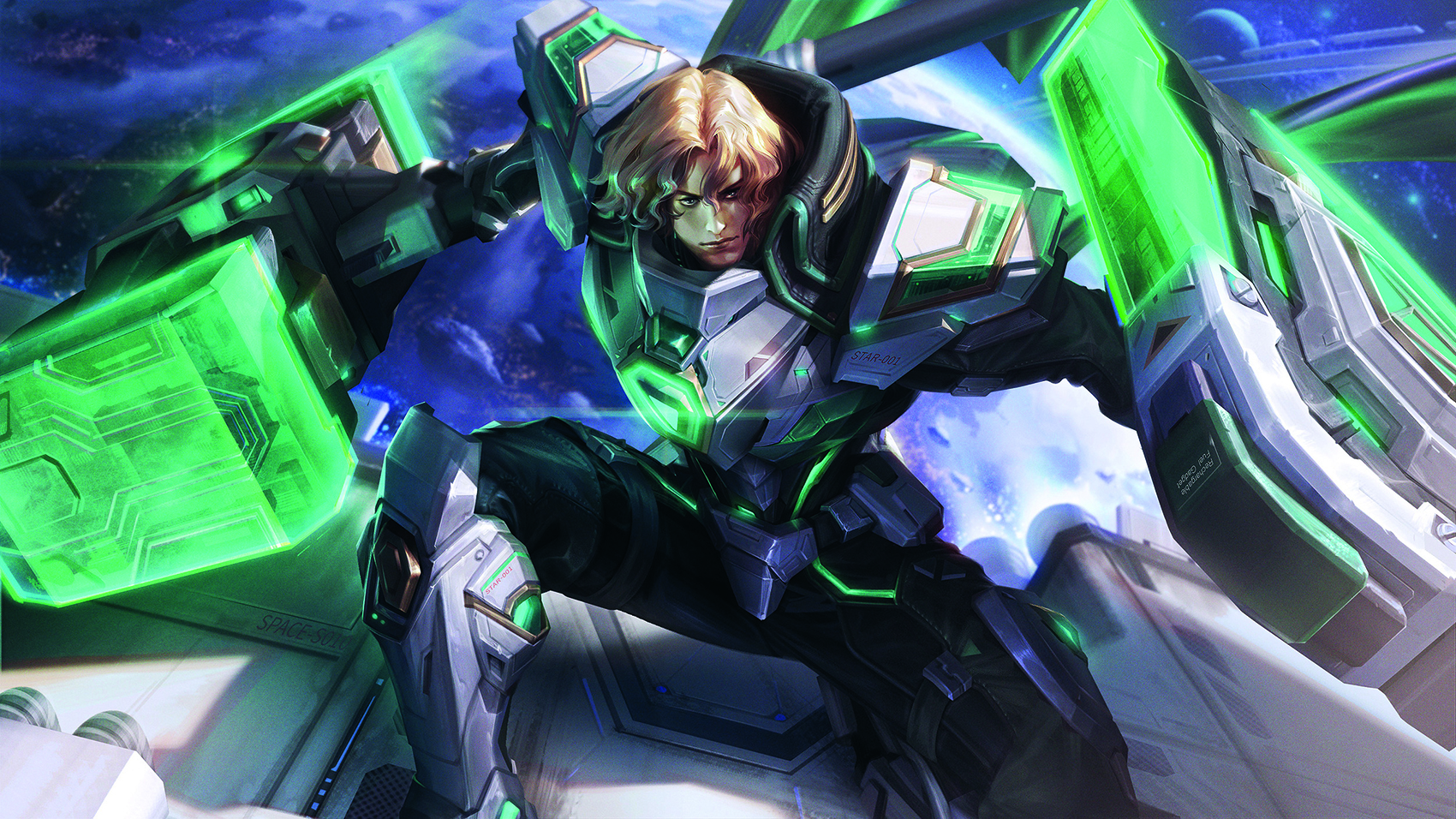
3. Tigreal – Galactic Marshal
This piece highlights Wong’s prowess in the "Mecha" and sci-fi genres. For "Tigreal," Wong moved beyond organic armor to explore the interplay between heavy, industrial cybernetics and atmospheric effects. The composition is deliberately chaotic yet controlled, with swirling particles and neon highlights that ground the character in a believable, high-stakes science fiction setting.
4. The Fairy-Tale Collaboration
Representing a departure from his usual dark or aggressive themes, this fairy-tale-inspired illustration showcases Wong’s range. Collaborating with a wider art team allowed him to explore a more whimsical color palette and softer line work. It serves as evidence that, despite his mastery of the "warrior" archetype, he is capable of shifting tone to meet the diverse narrative requirements of modern game studios.
The Implications of Wong’s Methodology
The rise of artists like Justice Wong signals a broader shift in the creative industry. The "self-taught" label is no longer an anomaly but an increasingly common profile for top-tier talent. This shift has significant implications for how we view arts education:
- Democratization of Skill: Platforms like ArtStation have allowed artists to build global portfolios without the gatekeeping of traditional institutions.
- Specialization vs. Versatility: Wong’s career proves that while having a niche (such as armor design) is vital for getting noticed, the ability to adapt that skill to various genres (from high-fantasy to sci-fi) is what keeps an artist relevant in a competitive market.
- The Technical-Creative Synthesis: Wong’s success is built on the marriage of art and technology. He does not treat his tools as separate from his craft; rather, he treats the software as an extension of his hand, allowing him to focus entirely on the emotional impact of his work.
Conclusion: Looking Ahead
Justice Wong’s journey continues to inspire a new generation of digital artists. By maintaining a balance between his personal passion projects and his professional commitments to major gaming studios, he ensures that his art remains fresh and evolving. As the gaming industry pivots toward more immersive, visually demanding experiences, artists who can bridge the gap between technical proficiency and narrative depth—much like Wong—will be the ones leading the charge.
For those eager to follow in his footsteps, his advice remains consistent: practice the fundamentals, respect the materials you are depicting, and never stop experimenting with composition. Whether you are working in the grimdark halls of a souls-like dungeon or the vibrant arenas of a galactic marshal, the principles of light, form, and movement remain the universal language of the successful illustrator.
For those interested in exploring his full body of work, Justice Wong maintains a curated collection on his ArtStation profile, which continues to serve as an essential resource for students and peers alike.