

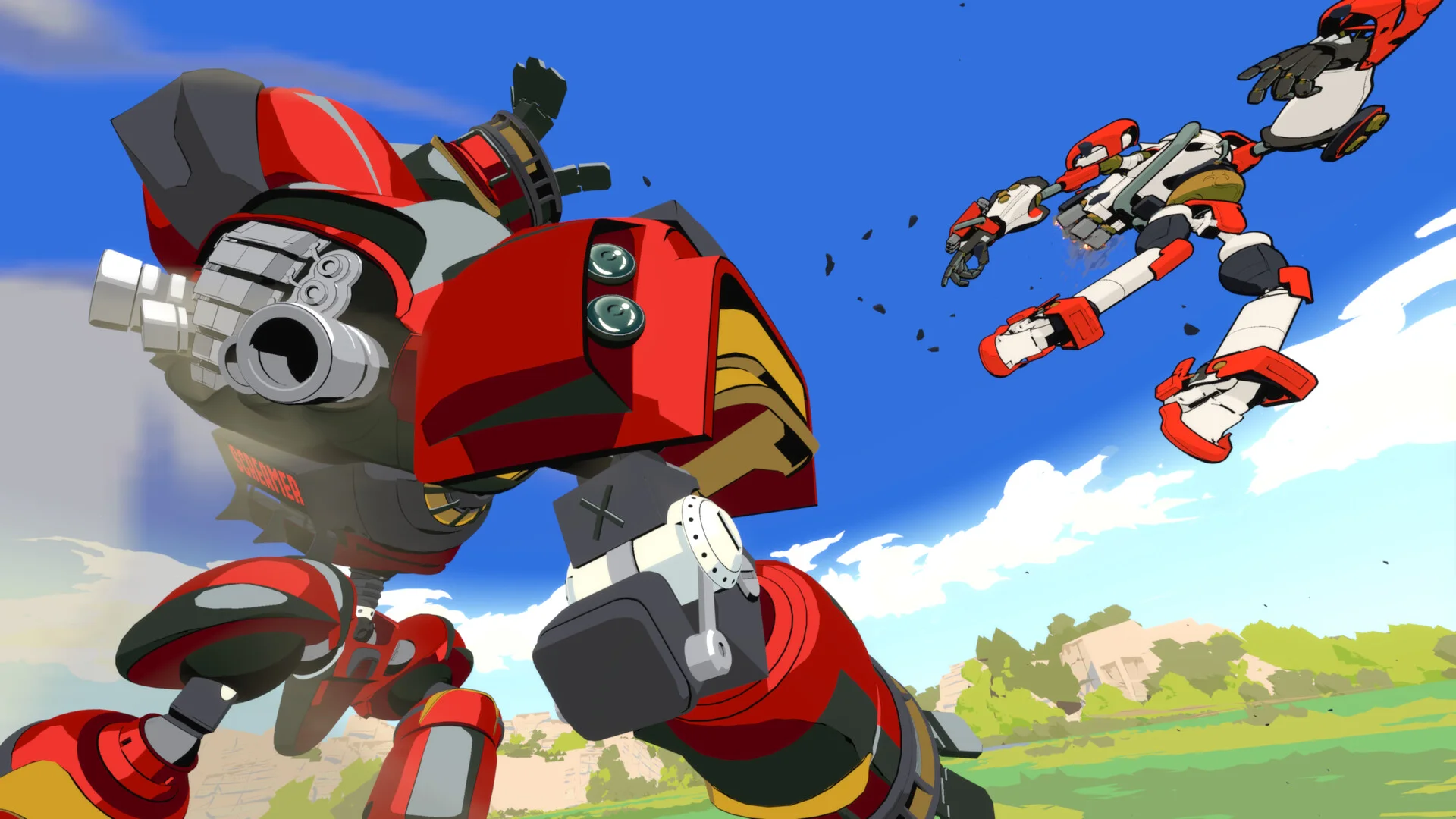
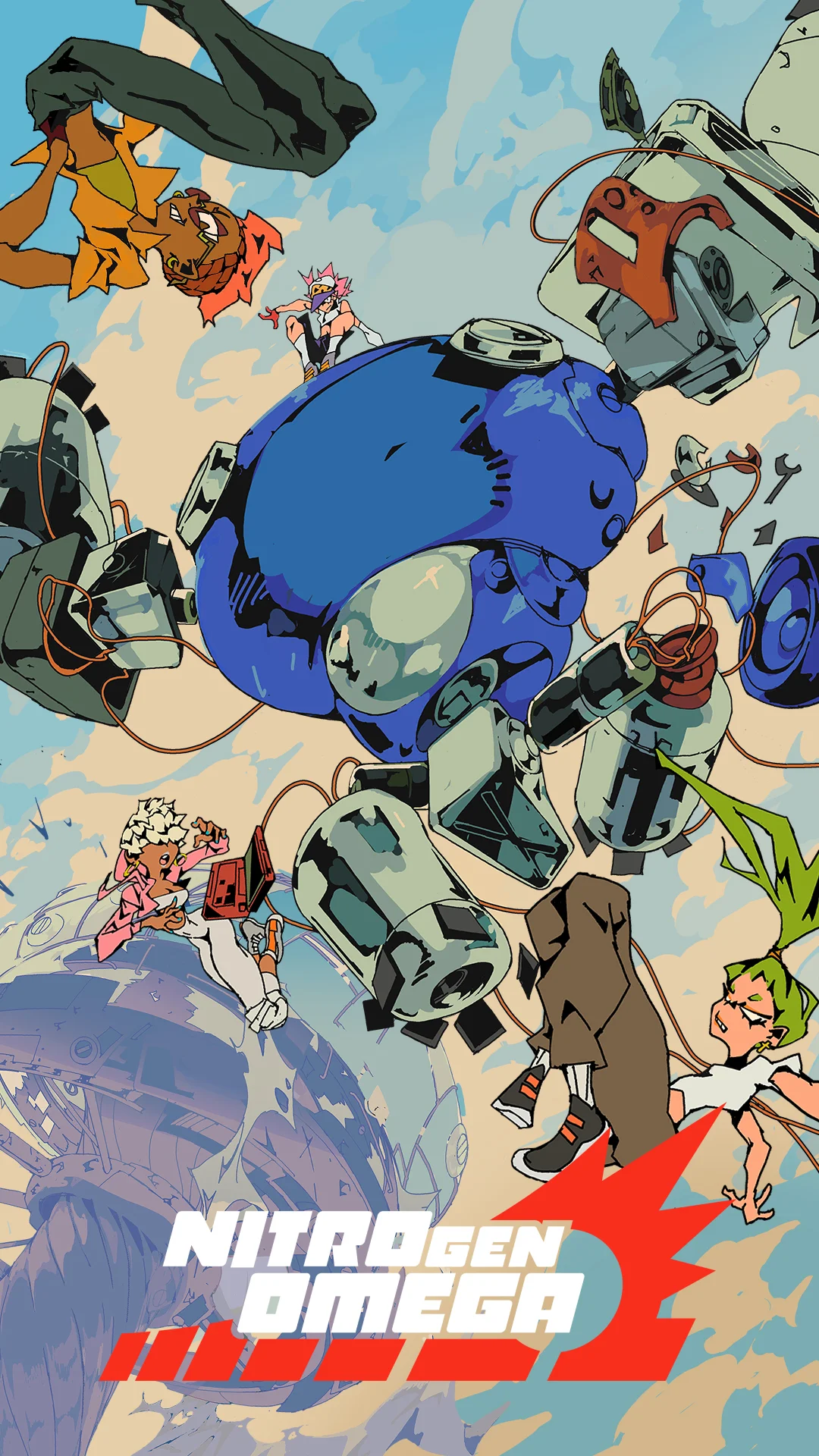
Mechs and anime share a bond as inseparable as the weekend ritual of sugary cereal and cable television. It is a specific, potent brand of nostalgia that developer DESTINYbit attempts to bottle in Nitro Gen Omega, a turn-based roguelike RPG that wears its influences on its metallic sleeves. By marrying high-octane, fluid animations with a complex, timeline-based combat system, the studio has crafted an experience that feels like a lost artifact from a bygone era of giant-robot epics. Yet, beneath the vibrant, cel-shaded exterior lies a game that is as punishingly tactical as it is narratively thin.
The Aesthetic of Apocalyptic Nostalgia
Nitro Gen Omega establishes a striking visual identity from the very first frame. The narrative delivery—a polished blend of fluidly animated cutscenes and expressive, static character portraits—immediately evokes the kinetic energy of classic morning cartoons. This aesthetic extends into the top-down overworld, where a saturated color palette and heavy, high-contrast shadows transform a post-apocalyptic landscape into a work of gritty, stylized art.
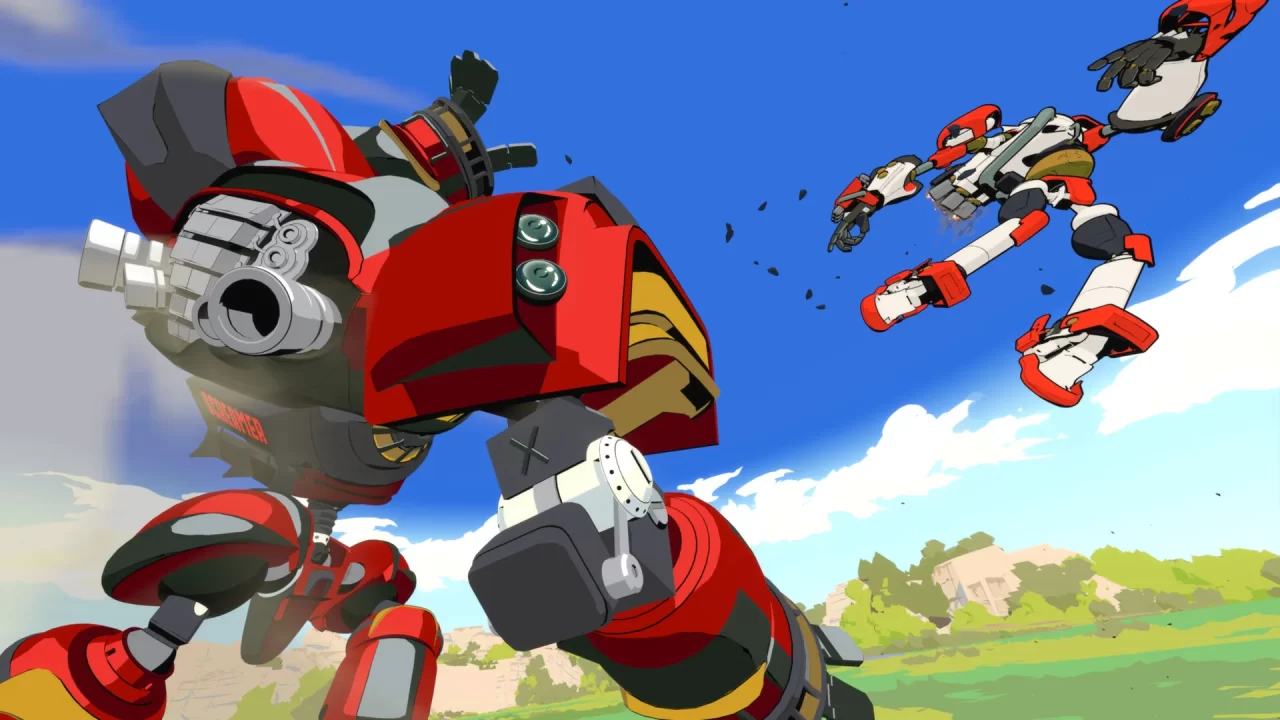
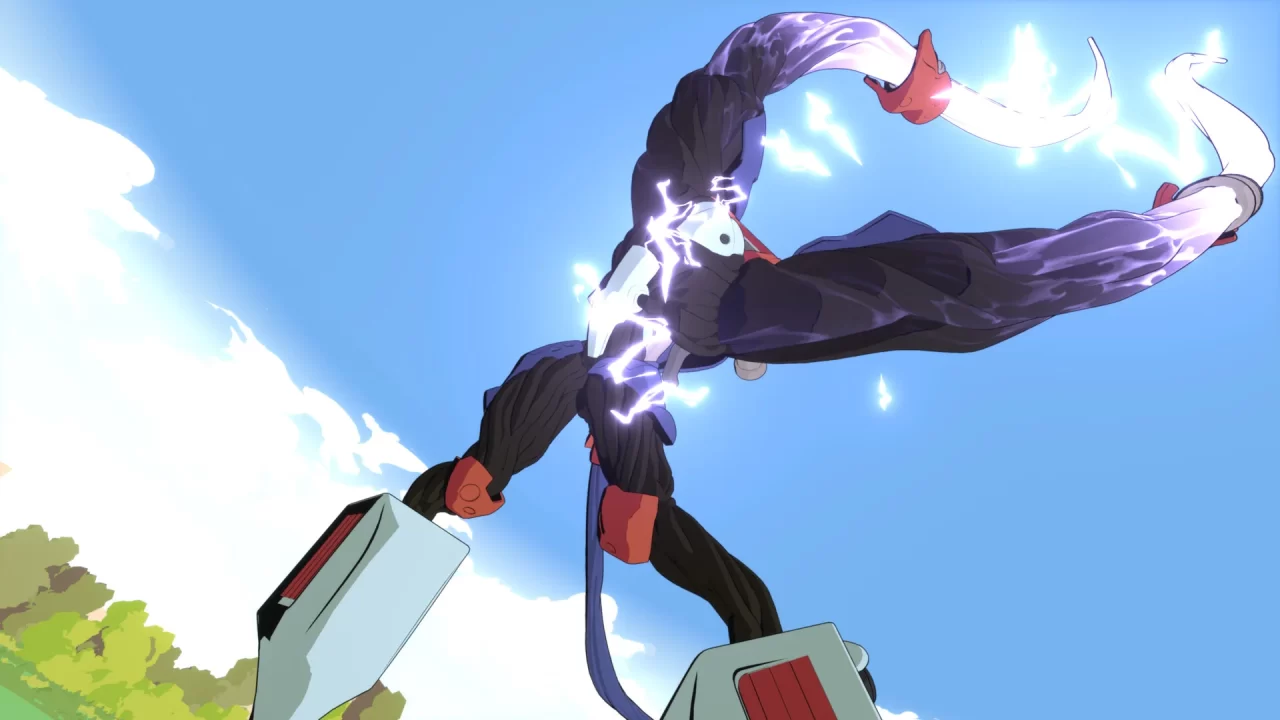
The world itself is a character, scarred by massive craters and ridged, distorted earth. Every environmental detail feels intentional, serving as a silent, cryptic clue to the planet’s slow, inevitable downfall. The character and mech designs double down on this punchy, visual language. Each anthropomorphic machine feels distinct, bolstered by vignettes that mirror the dramatic flair of 1980s and 90s animation—ranging from light-hearted character pranks to intense, high-speed combat sequences featuring parries, dodges, and devastatingly explosive weapon effects. A rock-infused, synth-heavy score ties the package together, successfully anchoring the player in a "nostalgia matrix" that feels both comforting and dangerously sharp.
The Chronology of Combat: A Mechanical Masterpiece
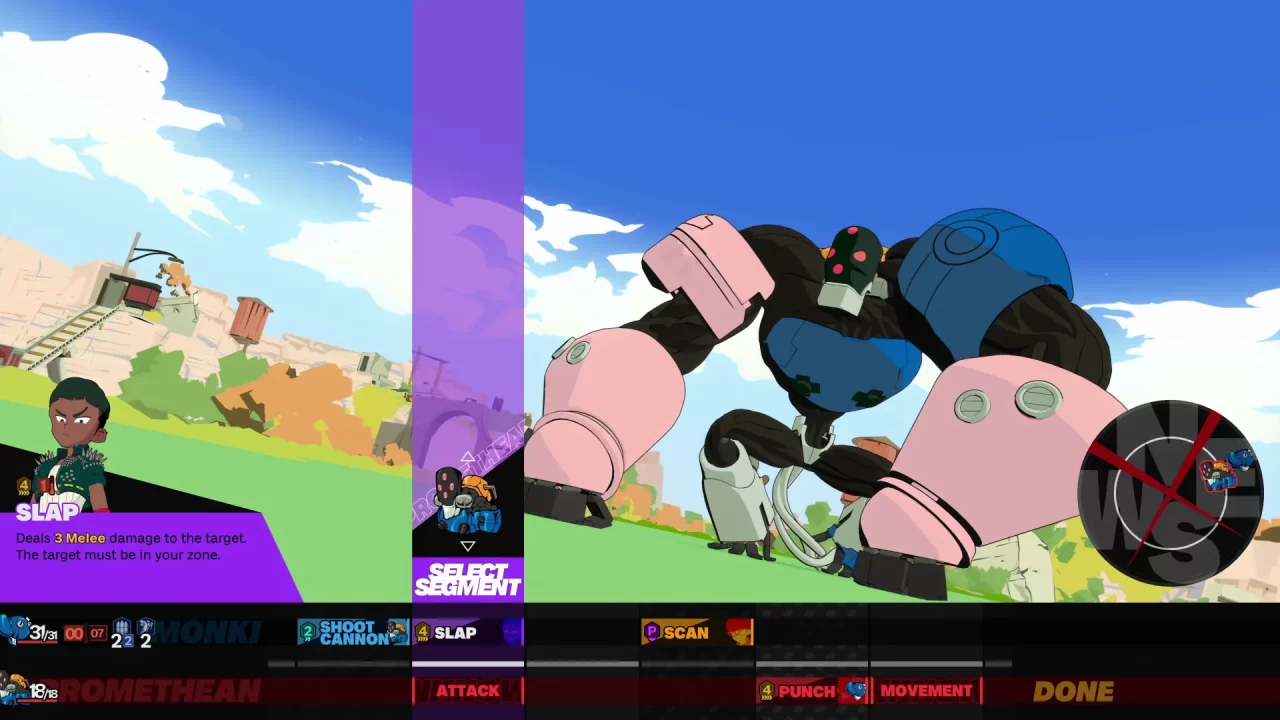
If the story provides the framework, the combat mechanics serve as the heart and soul of Nitro Gen Omega. Moving away from the conventional turn-based tropes, DESTINYbit has implemented a timeline-based system split into six distinct segments. This is not merely a "move and shoot" affair; it is a high-stakes tactical puzzle where every action—whether from your squad or the opposition—consumes one or more of these temporal segments.
The Tactical Dance
Positioning is the primary variable that complicates the math of every encounter. Enemies occupy one of four cardinal directions, and these positions dictate the efficiency and viability of your ranged or melee arsenals. Because certain abilities trigger instantly while others require multi-segment wind-ups, players are forced to anticipate the flow of battle rather than react to it.
The system thrives on the friction between limited information and agonizing choice. At the start of a round, enemy intentions are hidden. Players must decide whether to commit to a massive, segment-heavy strike, knowing full well the target might shift positions before the blow lands. While the "Scan" ability offers a glimpse into an enemy’s next move, its once-per-turn limitation forces the player to weigh its use against the need for more immediate tactical data. This creates a rhythmic, almost balletic quality to the gameplay. By the time a player faces a boss like the "Promethean"—a foe that executes a fiery, four-segment dervish across the map—the game’s mechanical depth transforms from a learning curve into a masterclass in risk management.
Supporting Data: Complexity, Customization, and Management
The depth of Nitro Gen Omega is not limited to the battlefield. It extends into a robust, if occasionally cluttered, management layer. Players must juggle heat build-up, ammunition constraints, and finite ability uses, all while navigating a UI that—while stylish—can occasionally obscure critical information.
The Engineering Suite
The part-upgrade system is where the game’s strategic potential truly blossoms. While standard statistical boosts (HP, damage output) exist, the most compelling gear introduces utility-focused modifications that redefine how a squad approaches a fight. For instance, enhanced scanning modules provide the ability to read enemy actions both before and after the current segment, granting an information advantage that can completely neuter an opponent’s strategy. Specialized plating can negate fire damage, turning an overwhelming threat into a non-factor. Such upgrades are essential, as the game’s difficulty curve does not pull its punches.
Squad Dynamics
Managing a four-person mech squad requires the administrative oversight of an XCOM-style commander. Pilots suffer from physical degradation and plummeting morale, necessitating a deep roster of personnel. Relationships between squaddies are not just flavor text; they provide tangible mechanical benefits, such as the ability to swap command types mid-turn. Between missions, crewmates engage in downtime activities—cooking, training, or bickering—which are rendered in the same high-quality animation style as the rest of the game.
The Narrative Gap: A Paper-Thin Foundation
Despite the mechanical triumphs, Nitro Gen Omega suffers from a significant narrative deficit. The developers clearly prioritized the "loop" of the combat over the "why" of the war. The story is a collection of well-worn tropes: a rogue AI, a near-extinction event, and survivors clinging to life in massive towers above the surface.
While this setup serves as an adequate excuse for the skirmishes, the lack of context regarding the squad’s origins or the factions they represent leaves the player feeling disconnected from the world. Missions often feel like generic requests from settlements that, despite their varied aesthetic, lack meaningful political friction or distinct motivations. Without a narrative hook to bridge the gap between combat encounters, the conflict feels like a series of context-free battles rather than a desperate struggle for the survival of the human race. Furthermore, unless the player manually renames their pilots, the crew remains a collection of interchangeable, blank-slate cogs. The game’s emotional stakes are, unfortunately, almost entirely self-generated by the player.
Implications for the Genre and Player Retention
Nitro Gen Omega is a title of extremes. It is a punishing, demanding experience where a single lapse in judgment can trigger a downward spiral from which a player may never recover. The loot curve is notoriously stingy, often forcing players to grind through side missions to survive the main story beats. There are no adjustable difficulty settings, only the unforgiving reality of the wasteland.
For the hardcore strategy enthusiast, this lack of hand-holding is a feature, not a bug. Every victory feels earned, and every successful "Riposte" against a swarm of Goblin mechs feels like a hard-won triumph of intellect over AI. However, for those looking for a narrative-driven experience, the barrier to entry may be too high. The game demands a significant investment of time and resources before the player feels truly capable of standing toe-to-toe with the endgame threats.
Final Verdict: A Mecha Worth the Fuel
At its core, Nitro Gen Omega successfully captures the soul of the best Saturday morning cartoons. It is bright, breezy, and hyper-stylized. Even if it leaves behind very little in the way of lasting character growth, the visual and mechanical thrill remains constant. The anime aesthetic never truly loses its luster; it flourishes every time a rare narrative event triggers or a new, specialized chassis is unlocked.
Ultimately, Nitro Gen Omega is a game that knows exactly what it is: an intense strategic puzzle. If you are willing to forgo a deep, sprawling plot in favor of a combat system that rewards meticulous min-maxing and tactical foresight, this game could easily become your next obsession. It is a stylish, punishing tribute to the mecha genre that mostly succeeds on raw charm and significant mechanical depth. For those who live for the tactical dance and the glow of a well-animated explosion, Nitro Gen Omega is a mission well worth accepting. Pajamas and sugary cereal are, of course, optional.











No comments yet. Be the first to join the conversation!