Iffa Jayyana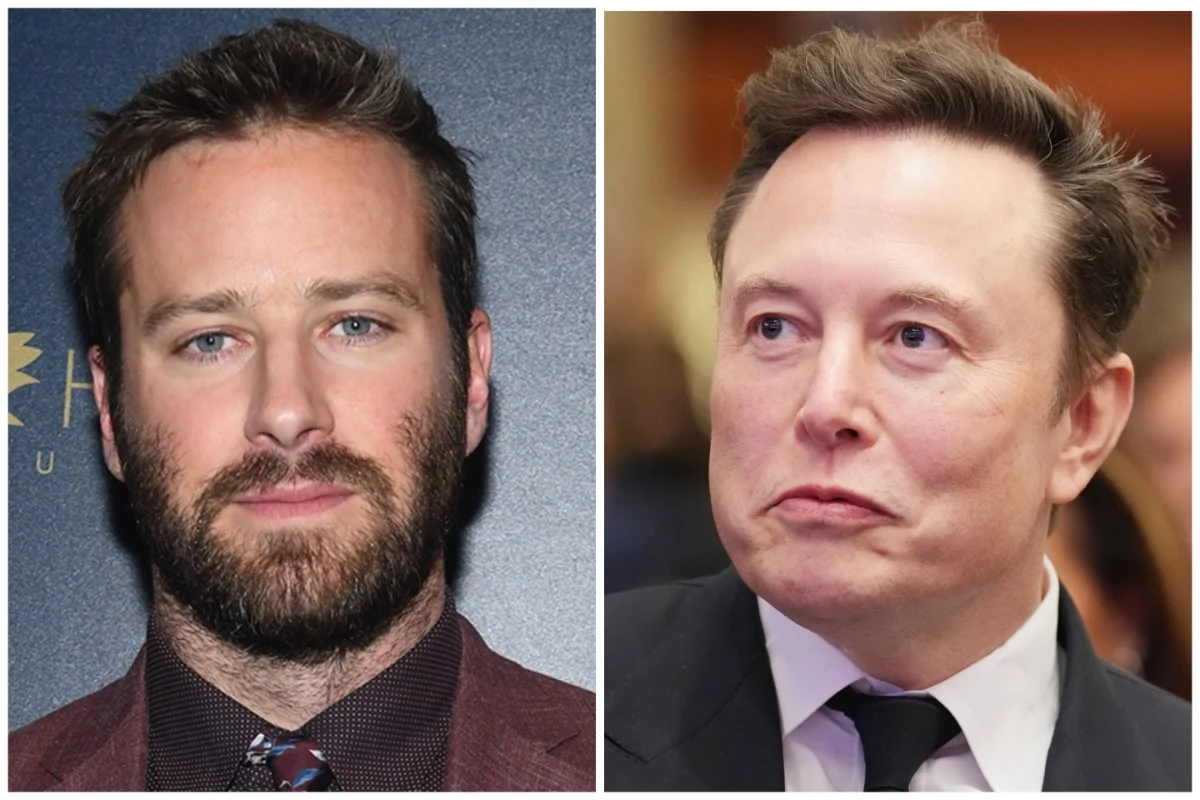
In a move that has reignited debates over platform moderation, celebrity influence, and the boundaries of cinematic provocation, Elon Musk, the owner of X (formerly Twitter), utilized his massive reach—boasting over 240 million followers—to amplify one of the year’s most polarizing films. On Friday, Musk shared a link to Citizen Vigilante, a gritty, hyper-violent indie-action project starring Armie Hammer and directed by the notoriously combative German filmmaker Uwe Boll. The post remained active for approximately 48 hours before the link mysteriously went dark on Sunday, leaving industry analysts and social media observers to parse the implications of such a high-profile endorsement for a film already embroiled in international scandal.
A Chronology of the Controversy
The saga began in earnest on Friday, when Musk posted the link to the film, which had been released in the United States on June 19. The post was not a mere suggestion; it was an active promotion of a title that had already been effectively blacklisted in its director’s home country.
For two days, the link directed users to a platform where Citizen Vigilante was climbing the digital charts. By Saturday, the film had reached the No. 2 spot on Apple TV’s rankings, a surge in interest that directly correlated with the visibility Musk provided. During this window of maximum exposure, Uwe Boll himself took to X to capitalize on the momentum, announcing that a sequel, Citizen Vigilante 2, is already slated for a 2027 release.
Musk, seemingly doubling down on the endorsement, replied to a chart-tracking post on X with the comment, “Citizen Vigilante 2 will be even better.” By Saturday evening, however, the original link shared by Musk went dark. While neither X nor the hosting platform provided a specific rationale for the removal of the link, the development signaled an abrupt end to the most high-profile promotional campaign the film had ever received.
The Film: A Descent into “Morally Bankrupt” Exploitation
To understand the scale of the backlash, one must look at the content of the film itself. Citizen Vigilante features Armie Hammer as an American expatriate navigating a dystopian version of Europe. The plot follows his character on a “blood-soaked mission” to systematically eliminate migrants accused of criminal activity.
Critics have not been shy about the film’s nature. In a scathing review for Variety, film critic Todd Gilchrist described the project as a “violent, incoherent, morally bankrupt slice of exploitation.” Gilchrist drew uncomfortable parallels between Citizen Vigilante and the early 2000s output of Uwe Boll—a director whose resume includes critically maligned features such as House of the Dead, Alone in the Dark, and BloodRayne.
“Boll, a cinematic embarrassment since the early 2000s, here delivers a product that is so astonishingly bad, it almost feels like the writer-director-producer is deliberately sabotaging his star,” Gilchrist noted. The review highlights the core issue: the film is not merely a failed artistic endeavor but a work that leans into inflammatory, xenophobic themes. According to reports from The Telegraph, the film was banned in Germany for its extreme depictions of violence and its overt anti-migrant messaging, which authorities deemed to be in violation of public order standards.
The Context: Armie Hammer’s Complicated Comeback
The inclusion of Armie Hammer in this project adds another layer of gravity to the story. Hammer, once a leading man in prestigious Hollywood productions like The Social Network, Call Me By Your Name, and Sorry to Bother You, saw his career evaporate in 2021 following a series of highly public allegations of sexual assault and emotional abuse.
Although Hammer consistently denied these allegations and was cleared by prosecutors in 2023—who declined to file criminal charges due to insufficient evidence—his standing in the industry remains fractured. Industry insiders have long speculated about the nature of a potential “comeback” for the actor. By attaching his name to a film as controversial and critically panned as Citizen Vigilante, Hammer’s trajectory has become the subject of intense scrutiny. Critics argue that rather than re-establishing himself as a bankable star, the film serves only to alienate the mainstream studios and audiences that once propelled his career.
Official Responses and Industry Silence
The silence from major studios and traditional distribution arms regarding the film’s success on Apple TV is deafening. The film’s rapid ascent to the No. 2 spot on Apple’s charts is being viewed by many as a “digital anomaly”—a result of the massive, concentrated traffic driven by Musk’s account rather than genuine organic demand.
Uwe Boll, however, has been anything but silent. Known for his adversarial relationship with critics and his penchant for public confrontation, Boll has leaned into the controversy. His response to the backlash has been consistent with his career-long persona: a mix of defiance and self-promotion. By using the platform provided by Musk to announce a sequel, Boll has signaled that he is not interested in moderating his output to satisfy critical or societal norms. Instead, he is pivoting toward a strategy of “niche mobilization,” where the controversy itself becomes the marketing engine.
Implications for X and the Creator Economy
The intersection of Musk’s platform and a film as divisive as Citizen Vigilante raises significant questions regarding the responsibility of social media titans in the curation of media. When a billionaire with global influence shares a piece of content, it is no longer just a “post”; it is a massive signal boost that can manipulate market data and influence cultural discourse.
1. The Algorithm as a Kingmaker
The fact that Citizen Vigilante hit the No. 2 spot on Apple TV following Musk’s post demonstrates the raw power of the X algorithm. It suggests that legacy metrics of success—such as critical acclaim or positive word-of-mouth—are increasingly secondary to the “influencer effect” of high-profile users. This creates a dangerous precedent where films with extremist or inflammatory messaging can find a massive audience simply by aligning with the political or ideological preferences of a platform’s owner.
2. The Normalization of “Anti-Establishment” Media
Musk’s endorsement of a film that was banned in Germany for being “anti-migrant” reflects a broader cultural trend. There is a growing segment of the digital audience that views “banned” or “controversial” content as inherently authentic. By engaging with this film, Musk effectively validates the “outsider” status that Boll and his cohorts cultivate. This serves to blur the line between artistic freedom and the amplification of hate speech or extremist rhetoric.
3. The Future of Independent Distribution
The ease with which Citizen Vigilante bypassed traditional gatekeepers to find a global audience points to a new era of distribution. While this is, in theory, a win for indie creators, it also presents a dilemma. When platforms like Apple TV or Amazon Prime host content that has been rejected by international regulatory bodies, who holds the responsibility? The removal of the link on Sunday suggests that even the platforms themselves are sensitive to the brand-safety risks associated with hosting content that is linked to inflammatory, real-world political grievances.
Conclusion: A Cautionary Tale
The story of Citizen Vigilante is more than just a bad movie review or a celebrity misstep. It is a microcosm of the current state of media, where the lines between political endorsement, digital marketing, and artistic expression are increasingly porous.
For Armie Hammer, the film is a reminder that a comeback is not merely about finding a role, but about finding a project that the public—and the industry—can support. For Uwe Boll, the project is a testament to the fact that notoriety remains a viable business model in an era of fractured media consumption. And for Elon Musk, the incident serves as a stark reminder of the outsized power he wields; when he clicks “post,” he isn’t just sharing a link—he is shaping the cultural narrative of the day.
As the industry looks toward 2027 and the promised sequel, the debate is unlikely to subside. The question remains whether the digital marketplace will continue to host and promote content that challenges the social fabric, or if the backlash from this incident will lead to more stringent oversight. For now, Citizen Vigilante stands as a controversial case study in the power, reach, and risks of the modern digital square.

 Sagoh
Sagoh
 Suro Senen