Raul Delapena Setiawan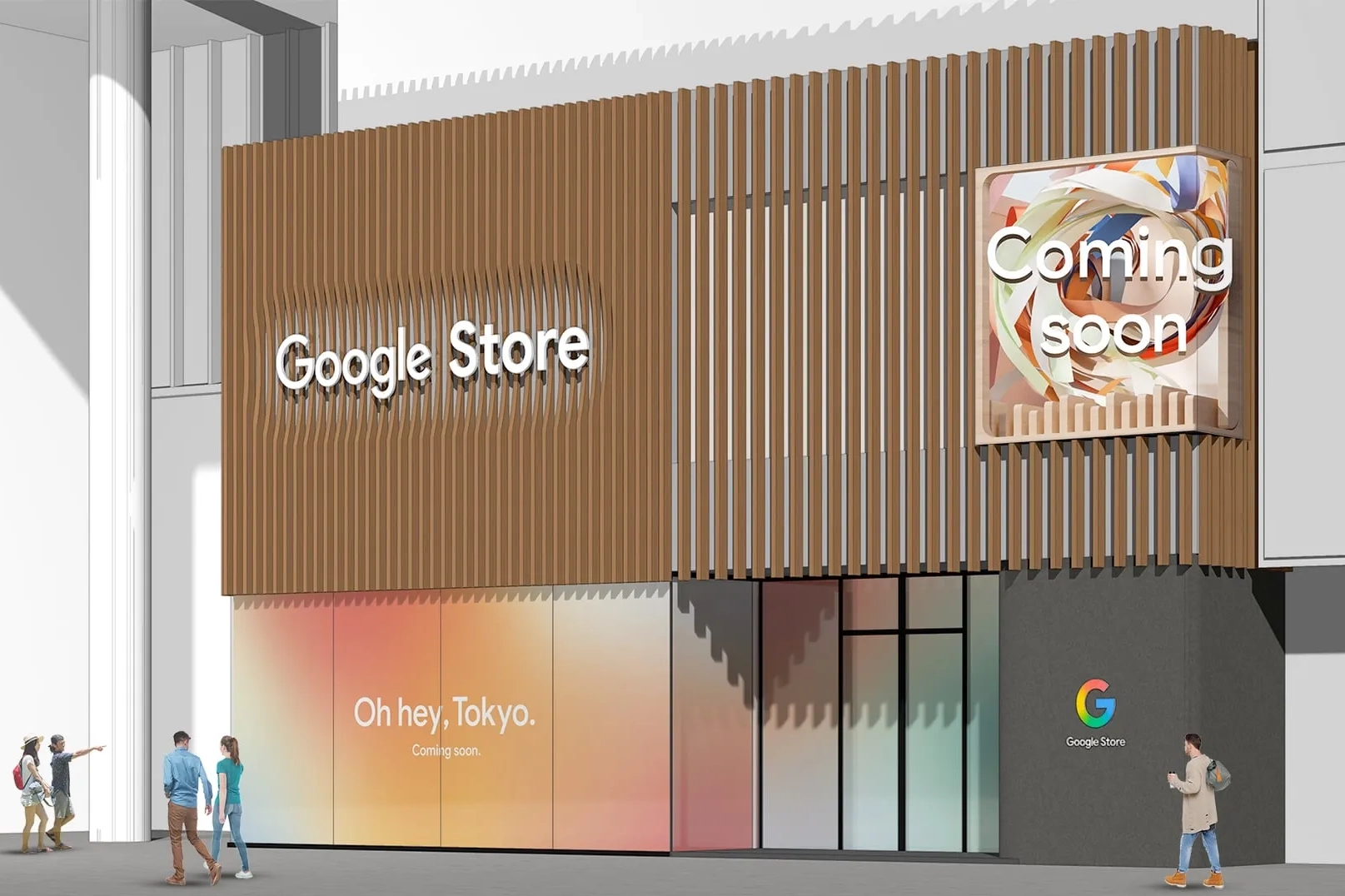
In a strategic maneuver that signals a significant pivot in its global hardware strategy, Google has announced the impending launch of the "Google Store Omotesando." Scheduled to open its doors this summer in Tokyo, Japan, the retail space will represent a milestone for the Silicon Valley giant: it is the company’s first directly operated, physical retail store outside of the United States.
Located on the first floor of the iconic Tokyu Plaza Omotesando, colloquially known as "Omokado," the store is situated in one of Tokyo’s most prestigious and fashion-forward districts. This expansion represents more than just a new storefront; it is a declaration of intent to deepen the company’s roots in the Japanese market—a country that holds special historical significance as the site of Google’s very first overseas office.
A Historical Pivot: From Search Engine to Physical Experience
The selection of Tokyo as the inaugural site for Google’s international retail expansion is rooted in deep historical ties. When Google first began its global ascent, Japan served as the gateway to its international operations. By establishing the Omotesando flagship, the company is effectively closing a loop, moving from digital infrastructure to physical presence in the market that helped define its early global success.
For years, the Japanese consumer has engaged with Google primarily through the browser and, more recently, through carrier-led partnerships for Pixel distribution. However, this new flagship is designed to transcend the transactional nature of mobile carrier stores. It is framed as an immersive "brand experience" center, intended to cultivate a stronger, more emotional connection with Japanese users who have supported the company’s growth for decades.
Chronology of a Retail Evolution
The road to the Google Store Omotesando was not an overnight decision, but rather the culmination of a decade-long hardware evolution.
- 2010–2015: The Experimental Phase: Google’s initial hardware efforts, such as the Nexus program, relied almost exclusively on online storefronts and third-party retail partners.
- 2016: The Pixel Launch: The birth of the "Made by Google" brand signaled a shift toward a vertically integrated hardware strategy.
- 2021: The US Blueprint: Google opened its first-ever physical store in Chelsea, New York. This served as the testing ground for the customer experience model that is now being exported to Japan.
- 2023–2024: Market Maturation: With the consistent growth of the Pixel smartphone line in Japan, Google identified a need for a centralized physical hub to support its expanding ecosystem of Nest, Fitbit, and Pixel devices.
- Summer 2024: The Omotesando Opening: The store officially joins the ranks of Tokyo’s retail landmarks.
The In-Store Experience: Beyond the Transaction
The Google Store Omotesando is not merely a showroom; it is a multi-functional hub designed to cater to the diverse needs of the modern consumer. The space is partitioned into several distinct zones, each addressing a different aspect of the Google hardware ecosystem.
Hands-On Hardware Discovery
Visitors will have unfettered access to the complete Google hardware catalog. This includes the latest iterations of Pixel smartphones, Nest smart-home integration tools, and Fitbit health and fitness wearables. Unlike traditional retail environments where devices are locked behind glass, the Omotesando store encourages physical interaction, allowing users to test camera capabilities, interface fluidity, and device ergonomics.
The AI Integration Showcase
Perhaps the most ambitious aspect of the store is its focus on Artificial Intelligence. In an era where "AI" has become a buzzword, Google is positioning its retail space as a classroom for practical application. Staff will guide visitors through AI-driven experiences, such as the Magic Editor in Google Photos or real-time language translation features, demonstrating how these complex algorithms manifest as tangible benefits in a user’s daily life.
Support and Technical Literacy
A critical component of the store is the inclusion of a dedicated service area. The store will offer:
- Pixel Repairs: On-site troubleshooting and hardware repairs, reducing the need for customers to mail in their devices.
- Initial Setup: Guided assistance for users who may feel intimidated by the transition to a new ecosystem.
- Workshops: Scheduled sessions designed for both the tech-savvy and the curious. Whether a user is trying to master the nuances of their Pixel Watch or learning to optimize their smart home with Nest, the store aims to provide education alongside sales.
A Competitive Landscape: The Omotesando Rivalry
The choice of Omotesando as a location is highly symbolic. Known as the "Champs-Élysées of Tokyo," the avenue is a testament to the power of luxury retail. It is a neighborhood where heritage brands like Louis Vuitton and Prada stand alongside global tech giants.
Notably, the new Google Store will be located just a short walk from the existing Apple Omotesando store. For years, Apple has utilized its physical presence as a core pillar of its brand identity, creating "Town Squares" that foster community. By planting its flag in such close proximity, Google is directly challenging the status quo.
While Apple has long relied on physical retail as its primary showcase, Google has historically been an online-first company. This shift represents a maturity in Google’s retail strategy. It acknowledges that to capture a higher market share in the premium smartphone segment—currently dominated by Apple in Japan—the company must offer the same high-touch, in-person service experience that has made its rival so successful.
Implications for the Tech Industry
The opening of this flagship carries significant weight for the broader consumer electronics market.
Strengthening Brand Loyalty
By providing a physical space for repairs and education, Google is signaling to the Japanese consumer that it is a long-term player. This builds trust. A consumer is more likely to invest in a premium smartphone if they know there is a physical location they can visit for support if something goes wrong.
The "O2O" (Online-to-Offline) Strategy
The store acts as a bridge between Google’s massive online presence and the physical world. By allowing customers to purchase online and pick up in-store, Google is perfecting its O2O strategy. This not only increases convenience but also drives foot traffic into the store, where sales staff have additional opportunities to upsell accessories or introduce users to the broader Google ecosystem.
A Template for Global Expansion?
If the Omotesando flagship succeeds in driving growth and deepening brand engagement, it is likely that Tokyo will serve as the template for future international retail expansions. Cities like London, Paris, and Berlin could follow, provided the "Omokado" experiment proves that Google can successfully translate its unique brand culture into a local retail format.
Official Responses and Corporate Outlook
While Google has remained tight-lipped regarding specific revenue targets, the company’s executives have framed the store as a "love letter" to its Japanese user base.
"Japan has been a cornerstone of our innovation and our history," a Google spokesperson stated during the announcement. "The Google Store Omotesando is our way of saying thank you to our Japanese users by bringing the best of our hardware, software, and AI-powered services to their doorstep in a space designed for community and discovery."
Analysts suggest that this move is a necessary hedge against the saturation of the online hardware market. As smartphone hardware becomes increasingly commoditized, the "experience" of the brand becomes the primary differentiator. By creating a space that feels like a cross between a gallery, a workshop, and a tech hub, Google is attempting to elevate its hardware from mere utility to a lifestyle choice.
Conclusion: The Future of Google Retail
The Google Store Omotesando is more than just a building; it is a manifestation of Google’s evolution. It marks the company’s transition from a digital-only utility provider to a lifestyle brand that values human interaction as much as it values code.
As the doors open this summer, the eyes of the tech world will be on Tokyo. If Google can successfully mirror the success of its US retail operations while navigating the unique nuances of the Japanese retail landscape, the Omotesando flagship will be remembered as the moment the company truly became a global physical retailer. For the residents of Tokyo, it marks the arrival of a new, highly anticipated neighbor that promises to make the future of AI not just a concept, but a tangible part of everyday life.


 Neng Nana
 Asro
Asro