By Investigative Desk
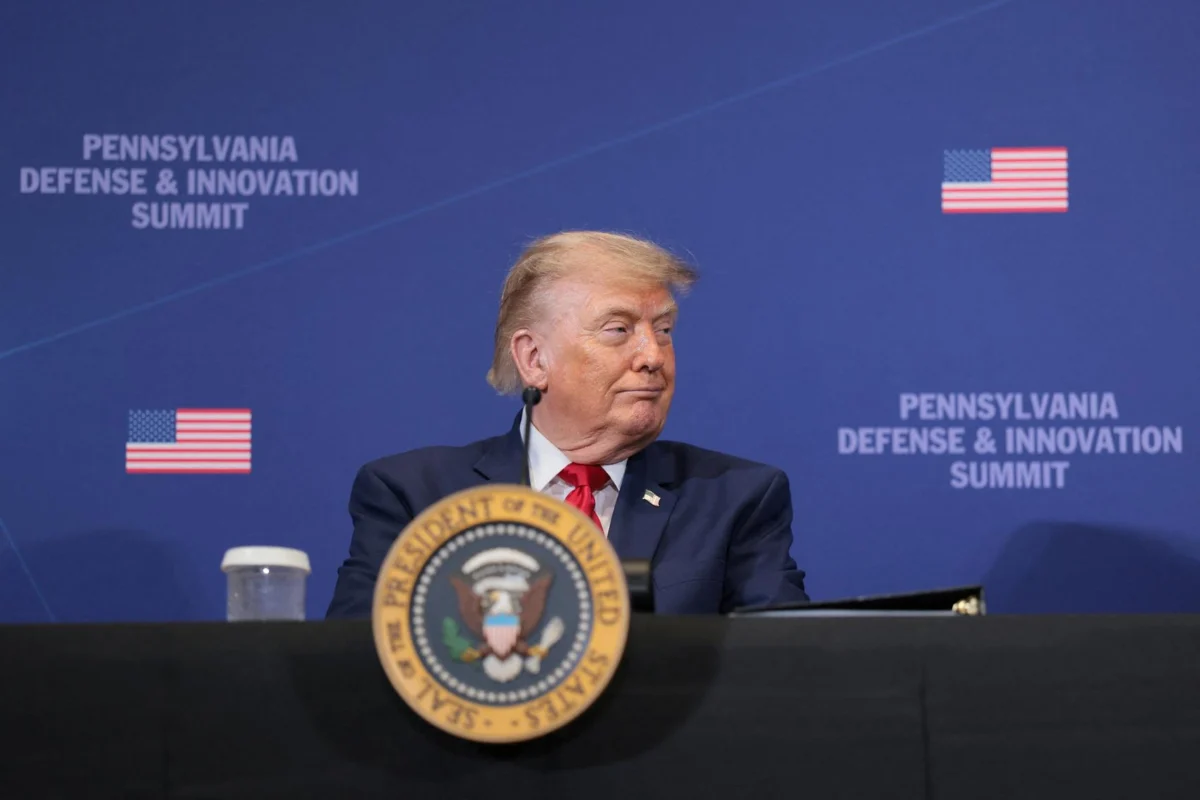
In a move that underscores the deepening fracture between the American political establishment and the media landscape, two of the three major U.S. broadcast networks—ABC and NBC—alongside CNN, have opted against airing a high-stakes, prime-time address by President Donald Trump on their primary channels. The decision, coming just four months before critical midterm elections, has ignited a firestorm regarding the limits of journalistic discretion, the neutrality of regulatory bodies, and the influence of a polarizing political figure on the traditional broadcast model.
The administration, which has maintained an adversarial stance toward mainstream media throughout its tenure, faces the prospect of its message being relegated to secondary streaming platforms, a decision that critics of the White House characterize as a necessary guardrail against the dissemination of misinformation, while supporters decry it as a form of state-sponsored censorship.
The Core Conflict: A Shift in Broadcast Norms
Historically, the American broadcast landscape has operated on an unwritten mandate: when a sitting President requests airtime to address the nation on matters of significant public interest, the major networks—ABC, NBC, and CBS—provide the platform. This tradition is rooted in the "public interest, convenience, and necessity" standard mandated by the Federal Communications Commission (FCC).
However, the current administration’s reliance on controversial rhetoric regarding election integrity—specifically the persistent, unsubstantiated claims that the 2020 election was marred by widespread fraud—has forced network executives into a precarious position. By choosing to carry the speech on streaming-only services like ABC News Live and NBC News NOW, the networks are effectively choosing to fulfill their informational duty without granting the President the "prime-time megaphone" of their main broadcast frequencies.
This "digital-first" strategy, while technically providing the content, creates a significant barrier to entry. Streaming services, despite their growth, reach a fraction of the audience captured by traditional terrestrial broadcast signals, which remain the bedrock of American news consumption.
Chronology of the Decision
The decision-making process within the networks remained fluid until the final hours before the scheduled address.
- Wednesday: Reports emerged via Reuters that the White House intended to use the address to declassify sensitive intelligence regarding alleged foreign interference in the 2020 election. Intelligence officials reportedly expressed internal concerns that the data—analyzed during the President’s first term—could be presented in a misleading context.
- Thursday Morning: Pressure mounted as White House Press Secretary Karoline Leavitt publicly argued that the wide scope of the speech—covering Iran, the economy, and election security—made it essential for prime-time broadcast.
- Thursday Afternoon: ABC News confirmed it would bypass its primary channel, opting to stream the speech via its digital platforms. Shortly thereafter, sources familiar with NBC News’ internal strategy confirmed a parallel move: the speech would be carried on NBC News NOW but excluded from the main broadcast signal.
- Thursday Evening: CNN issued a formal statement indicating it would treat the event as a news-gathering opportunity rather than a sanctioned broadcast, providing a live feed on its digital subscription service, CNN All Access, while reserving the right to curate and fact-check the remarks in real-time.
The Regulatory Shadow: The FCC and Political Interference
The backdrop to this media standoff is a climate of unprecedented regulatory pressure. The Federal Communications Commission, led by Chairman Brendan Carr, has become a focal point of concern for media executives.
The Paramount and Disney Inquiries
The corporate landscape is shifting rapidly. With David Ellison’s acquisition of Paramount—and the looming potential for his firm to take control of Warner Bros. Discovery—the industry is bracing for consolidation. Critics point to the fact that Ellison’s father, Larry, is a prominent Trump ally, as evidence of potential future editorial influence.
Simultaneously, the Walt Disney Company (owner of ABC) is navigating a two-pronged inquiry from the FCC. One investigation focuses on "equal-time" rules—a policy requiring stations to provide equivalent airtime to opposing political candidates—stemming from an interview with a Democratic Senate candidate on The View. The threat of the FCC moving to revoke the licenses for Disney’s eight company-owned ABC stations has created an atmosphere of intimidation that observers suggest cannot be separated from the networks’ current editorial caution.
The "Concast" Conflict
NBC’s parent company, Comcast, has faced similar pressures. President Trump’s frequent derogatory references to the company as "Concast" are matched by tangible administrative actions. Chairman Carr has launched investigations into NBC’s internal diversity practices, linking these reviews to his broader aggressive oversight of major media conglomerates. When asked about the networks’ refusal to air the President, Carr maintained that the public has an "inviolable right" to access these remarks over the airwaves—a sentiment that serves as both a policy stance and a thinly veiled warning to broadcasters.
The Intelligence Debate: Fact vs. Narrative
The content of the President’s speech remains the primary point of contention. The White House has indicated a desire to focus on "election security," a phrase that has become synonymous with the President’s campaign to undermine confidence in democratic processes.
The concern among intelligence professionals—and some members of the President’s own staff—is that the selective disclosure of raw, unvetted intelligence could be weaponized. If the President presents data concerning Chinese influence in 2020 as definitive proof of a "stolen" election, it would bypass the traditional vetting processes that usually govern intelligence releases.
"The danger," says a former intelligence analyst who requested anonymity, "is that the President is using the cloak of national security to validate a political narrative that has been thoroughly debunked by every major court and election board in the country. By airing this live, networks are effectively forced to broadcast potential disinformation as official government policy."
Implications for the Midterm Elections
As the nation approaches the midterm cycle, the role of the media as a gatekeeper of democratic discourse is under existential strain.
The Democrat Response
Prominent Democrats, including Representative Alexandria Ocasio-Cortez, have been vocal in their calls for the media to prioritize public truth over political access. Their argument is rooted in the belief that the "both-sides" approach to journalism—where false claims are given equal weight to verified facts—is a failing strategy in the current political climate.
The Conservative Perspective
Conversely, the administration’s supporters argue that the networks are engaging in a coordinated effort to silence the President. They view the shift to streaming as a deliberate attempt to marginalize the executive branch and restrict the public’s access to the President’s unfiltered agenda. This perspective has further solidified the base’s distrust of "mainstream" sources, fueling the growth of alternative media ecosystems.
Conclusion: A Fractured Future
The decision to relegate the President’s speech to digital-only platforms is more than a mere scheduling change; it is a manifestation of a profound crisis in American civil society. The tension between the First Amendment rights of the networks to determine their own content and the public’s expectation of access to their leader has reached a boiling point.
As the FCC continues its investigations and the media conglomerates face the pressures of consolidation and political scrutiny, the definition of what constitutes "public importance" is becoming increasingly subjective. Whether this trend represents a necessary evolution in media responsibility or a dangerous slide into a fragmented, partisan information landscape remains to be seen. What is clear is that the relationship between the White House and the press has been irrevocably altered, with the digital divide now serving as the new frontline in the battle for the American public’s attention.