

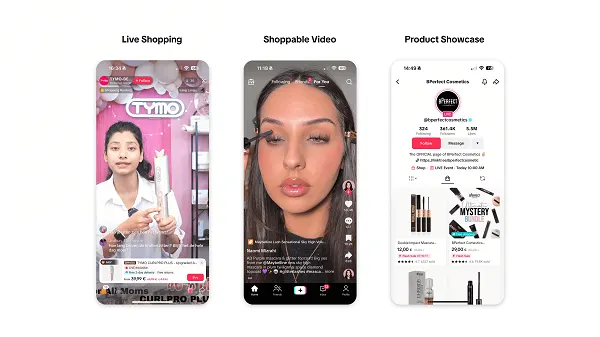
In a significant push to cement its position as a global retail powerhouse, TikTok has officially announced the expansion of its integrated e-commerce platform, TikTok Shop, into four new European markets: Austria, Belgium, the Netherlands, and Poland. Effective June 15, millions of users and thousands of local retailers across these nations will gain the ability to buy and sell products directly within the application, marking a pivotal moment in the company’s long-term strategy to transform its platform from a social entertainment hub into a dominant e-commerce ecosystem.
This move follows a period of rapid development for TikTok’s European division, which has been aggressively rolling out shopping features since early 2024. By integrating native checkout experiences, shoppable videos, and interactive live-stream shopping, TikTok is betting that it can shift consumer behavior away from the traditional "search-first" e-commerce model toward a more impulsive, discovery-driven "shoppertainment" experience.
The Strategy: Bridging Entertainment and Commerce
At the heart of TikTok’s ambition is the desire to capture the attention of its massive European user base. According to the company, approximately 200 million Europeans visit the platform every month to seek inspiration and entertainment. By folding commerce into this flow, TikTok aims to capitalize on the "discovery" phase of the buyer’s journey, where consumers encounter products while scrolling through their feeds rather than seeking them out on legacy platforms like Amazon or Google.
This "shoppertainment" model is not a novel invention but a strategic import. TikTok is actively attempting to mirror the staggering success of its sister app, Douyin, in China. Douyin, the domestic version of the platform owned by parent company ByteDance, has pioneered the live-stream commerce sector, turning the app into a primary retail destination. While the cultural and regulatory landscapes of Europe differ significantly from China, the potential for revenue growth remains the primary driver behind this expansion.
Chronology of an E-Commerce Pivot
TikTok’s journey into the European retail market has been defined by trial, error, and eventual refinement.
The Early Turbulence (2022)
The company’s initial foray into the U.K. market in 2022 was met with significant headwinds. The launch struggled with operational friction, low consumer adoption, and internal controversy. Reports surfaced regarding "hustle culture" in the company’s U.K. commerce division, with employees citing grueling 12-hour shifts and unrealistic sales targets. The lack of early traction forced TikTok to hit the pause button and recalibrate its approach.
The Rebound (2024–2025)
After a period of quiet reflection and strategic restructuring, TikTok returned to the EU market in late 2024 and early 2025. This second wave—covering France, Germany, Italy, Spain, and Ireland—was markedly more successful. By focusing on logistics partnerships and localized creator support, the company managed to onboard over 100,000 European businesses in a short timeframe.
The Current Expansion (June 2025)
The inclusion of Austria, Belgium, the Netherlands, and Poland represents the next logical step in the company’s geographic scaling. By June 15, the platform will have a near-contiguous footprint across the major economic zones of the European Union, setting the stage for a standardized, cross-border retail strategy.
Data-Driven Growth: The Numbers Behind the Move
The urgency behind TikTok’s expansion is rooted in hard data. While the platform has become a cultural juggernaut, the financial disparity between its Chinese operations and its international markets remains glaring.
The Douyin Benchmark
According to data from KrAsia, the Chinese version of the app, Douyin, generated an eye-watering $500 billion in Gross Merchandise Value (GMV) in 2025. This figure serves as the "North Star" for TikTok’s global leadership team, demonstrating what happens when social commerce achieves total market saturation.
The European Ascent
In contrast, while TikTok’s international figures are growing, they are still in a "scale-up" phase. Reports from Marketing Maze indicate that TikTok Shop generated approximately $26.2 billion in GMV during the first half of 2025. While this is a fraction of Douyin’s volume, the momentum is undeniable. Between August 2025 and February 2026, the company reported triple-digit growth in daily GMV across its primary European markets.
Furthermore, the U.K. market, once considered a failure, has become a case study for success. Last year, TikTok Shop U.K. reported a 60% year-over-year growth in the beauty category, solidifying its status as the fourth-largest beauty retailer in the country. These metrics provide the empirical evidence needed to convince investors that TikTok is not just a passing trend in retail, but a viable, long-term shopping destination.
Official Responses and Operational Features
TikTok’s leadership emphasizes that the expansion is not merely about adding buttons to an interface, but about providing a comprehensive "Sell Across Europe" ecosystem.
"Every month, 200 million people across Europe turn to TikTok to be entertained, inspired, and to discover new trends," a company spokesperson stated. "By bringing together entertainment and commerce, TikTok Shop creates a seamless shopping experience which is completely different from the traditional, search-first e-commerce model."
Key Features of the Expansion:
- Sell Across Europe: This initiative allows merchants to scale their operations across EU borders with minimal friction. The service enables sellers to localize product descriptions and utilize TikTok’s network of logistics partners to fulfill orders internationally.
- Creator Affiliate Network: The expansion grants sellers access to an expanded network of creators. These influencers can promote products via their content, earning commissions on sales. This "affiliate" layer is crucial for TikTok, as it incentivizes the creator economy to actively push products to their followers.
- Native Integration: By keeping the entire experience—from product discovery to checkout—within the app, TikTok minimizes the "friction" that often leads to cart abandonment in traditional web-based e-commerce.
Implications: A New Retail Frontier?
The long-term implications of this expansion are far-reaching for both legacy retailers and the digital advertising landscape.
1. The Death of the "Search-First" Monopoly
For decades, Google and Amazon have dominated the retail funnel—Google for discovery, and Amazon for the transaction. TikTok is effectively attempting to collapse this funnel. If a user can see a product on a video, click, and purchase it without ever leaving the "For You" page, the need for a separate search query is eliminated. This poses a structural threat to traditional digital advertising spend.
2. The Power of "Habitual Shopping"
By consistently integrating shopping into the social feed, TikTok is trying to change consumer behavior. If users become accustomed to "TikTok-ing" their way through a shopping list, the platform becomes a utility rather than just a pastime. This shift could make TikTok an essential partner for small-to-medium-sized enterprises (SMEs) that lack the marketing budget to compete for expensive keywords on search engines but can thrive on viral, creator-led campaigns.
3. Logistical Hurdles and Regulatory Scrutiny
While the outlook is positive, the road ahead is not without obstacles. European regulators are notoriously vigilant regarding data privacy and consumer protection. As TikTok expands its role from a content platform to a retail clearinghouse, it will face increased scrutiny regarding how it handles user transaction data and the quality control of goods sold through its affiliate network. Additionally, the logistics of cross-border shipping within the EU, while facilitated by TikTok’s partnerships, remains a complex operational challenge that could impact customer satisfaction if not managed with precision.
Conclusion
TikTok’s expansion into Austria, Belgium, the Netherlands, and Poland is more than a geographic update; it is a declaration of intent. The company is signaling that it is prepared to move beyond the limitations of ad-based revenue and compete directly with the giants of global e-commerce. By leveraging the immense power of its algorithm to connect consumers with products in an entertaining, frictionless environment, TikTok is attempting to rewrite the rules of modern retail. Whether it can maintain this growth trajectory while navigating the complexities of the European market will determine if the platform truly becomes the global retail leader it aspires to be.












No comments yet. Be the first to join the conversation!