Siti Muinah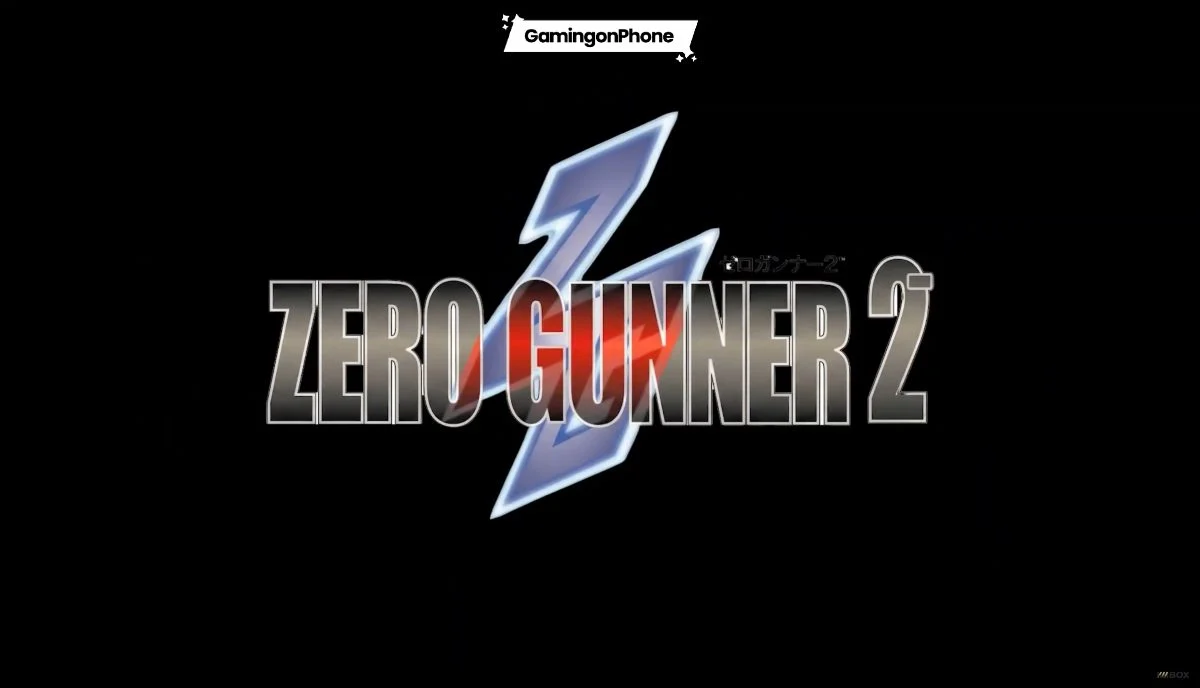
KMBOX has officially announced the long-awaited launch of the iconic fast-paced shooter sequel, Zero Gunner 2, now available for Android devices. This classic title, originally developed by the esteemed Psikyo and first gracing the Sega Dreamcast in Japan back in 2001, marks a significant moment for retro gaming enthusiasts and mobile players alike. Known for its innovative 360-degree multidirectional helicopter combat, the game previously saw a PC release in 2020, extending its reach beyond its initial console confines. While Android users can now immerse themselves in its unique aerial battles, information regarding an iOS release remains unavailable at this time.
The arrival of Zero Gunner 2 on mobile platforms is more than just another port; it represents a continuation of a legacy, bringing a distinctive arcade experience to a new generation of players while offering a nostalgic trip for veterans. The game’s core appeal lies in its dynamic combat system, which liberates players from the typical vertical or horizontal scrolling shooter constraints, allowing for unparalleled tactical freedom in its high-octane engagements.
A Legacy Reborn: The Main Facts of Zero Gunner 2’s Android Launch
The essence of Zero Gunner 2 lies in its revolutionary gameplay. Unlike most shoot ’em ups (shmups) of its era, which confined players to a fixed axis of movement and firing, Zero Gunner 2 introduced a groundbreaking 360-degree rotation mechanic. Players pilot powerful combat helicopters, capable of rotating their firing direction independently of their movement, allowing them to engage enemies from any angle. This mechanic is not merely a gimmick; it is fundamental to the game’s strategic depth, forcing players to constantly adapt to threats emerging from all directions.
KMBOX’s decision to bring this cult classic to Android taps into a growing market for premium retro titles on mobile. The port promises to deliver the authentic arcade experience, complete with challenging boss battles, a roster of distinct helicopters, and the same frantic pace that defined its Dreamcast and PC iterations. For many, this marks the first opportunity to experience a piece of gaming history that, for various reasons, may have eluded them in its previous forms. The convenience of having such a title accessible on a smartphone or tablet opens new avenues for its appreciation and longevity.
A Chronological Flight: The Evolution of Zero Gunner 2 Across Eras
The journey of Zero Gunner 2 from an arcade cabinet concept to a mobile application is a testament to its enduring appeal and the persistent efforts to preserve and reintroduce classic gaming experiences. Its history is intertwined with the rise and fall of console generations and the evolving landscape of game distribution.
The Psikyo Era: Birth of an Arcade Innovator (Late 1990s – Early 2000s)
To understand Zero Gunner 2, one must first acknowledge its pedigree. Psikyo, the original developer, was a Japanese game development studio renowned for its contributions to the shoot ’em up genre. Active primarily from the mid-1990s to the early 2000s, Psikyo carved a niche for itself with its distinct art style, intricate bullet patterns, and challenging gameplay. Titles like Strikers 1945, Gunbird, and Dragon Blaze became synonymous with quality arcade action.
The first Zero Gunner debuted in arcades around 1997/1998, laying the groundwork for its sequel. It introduced the novel concept of a freely rotating player craft, a significant departure from the fixed-forward firing of most shmups. This innovation immediately set the series apart, demanding a different kind of spatial awareness and tactical thinking from players.
The Dreamcast Pinnacle: A Cult Classic on Sega’s Final Console (2001)
Zero Gunner 2 truly came into its own with its release on the Sega Dreamcast in 2001. The Dreamcast, Sega’s final foray into the console market, was a console ahead of its time, known for its powerful arcade-quality graphics and a library rich with unique and experimental titles. It was a natural home for Psikyo’s arcade-perfect ports and ambitious projects.
Upon its release, Zero Gunner 2 was praised for its polished 3D graphics, intense action, and, crucially, its refined 360-degree combat system. While it didn’t achieve mainstream commercial success on the scale of some other Dreamcast titles, it quickly garnered a dedicated following among shmup aficionados and Dreamcast enthusiasts. Its status as a hidden gem or cult classic was solidified during this period, often cited as one of the console’s most innovative and enjoyable shooters. The game’s scarcity and the Dreamcast’s eventual discontinuation only enhanced its mystique and desirability among collectors.
The PC Revival: A Modern Accessibility Push (2020)
After nearly two decades of being primarily accessible through its original Dreamcast release or emulation, Zero Gunner 2 experienced a significant revival with its PC release in 2020. This move was part of a broader trend within the gaming industry to re-release classic titles on modern platforms, making them accessible to a new generation of players who might not own legacy hardware.
The PC port, often handled by specialized studios focusing on retro conversions, aimed to maintain the integrity of the original while ensuring compatibility with contemporary operating systems and hardware. This reintroduction allowed the game to reach a wider audience, including those who had heard of its legendary status but never had the chance to play it. The PC release was generally well-received, reaffirming the game’s timeless design and solidifying its place in the shmup pantheon.
The Mobile Frontier: KMBOX and the Android Launch (Current)
The latest chapter in Zero Gunner 2‘s storied history is its arrival on Android, spearheaded by KMBOX. This move is indicative of the growing power and versatility of mobile devices as gaming platforms. For many, smartphones and tablets have become their primary gaming machines, and the demand for quality, premium gaming experiences beyond free-to-play models is on the rise.
KMBOX’s decision to port Zero Gunner 2 to Android reflects a strategic understanding of this market. It offers a convenient, portable way to experience a full-fledged arcade shooter. The leap from dedicated console/PC controls to touch-based interfaces presents unique challenges, which the developers would have had to address meticulously to ensure a smooth and enjoyable experience. The success of this Android launch could pave the way for more classic arcade titles to find a new home in the mobile ecosystem, further enriching the portable gaming landscape.
Supporting Data: Unpacking Zero Gunner 2’s Core Appeal and Mechanics
The enduring fascination with Zero Gunner 2 stems from a combination of its innovative mechanics, robust design, and challenging gameplay loop. Delving into these aspects reveals why the game remains relevant and exciting, even decades after its initial release.
The Ingenious 360-Degree Combat System
At the heart of Zero Gunner 2‘s design is its revolutionary "Target Switching System," which allows players to freely rotate their helicopter’s firing direction. Instead of simply moving left, right, up, and down while firing forward, players can lock their aim onto enemies regardless of their movement vector. This creates a highly dynamic combat experience:

- Strategic Positioning: Players aren’t just dodging; they’re actively positioning themselves to flank enemies, exploit weak points, and manage threats from multiple angles. A large boss might be vulnerable from the rear, requiring the player to circle around while still firing.
- Enhanced Spatial Awareness: The game demands constant awareness of the entire battlefield. Enemies can appear from any direction, and the ability to instantly pivot and respond is crucial for survival. This differentiates it significantly from the often-linear progression of traditional shmups.
- Tactical Depth: The 360-degree mechanic adds layers of tactical depth. Players must decide when to focus fire on a single target, when to sweep their guns across multiple enemies, and when to prioritize dodging over offensive maneuvers.
A Fleet of Fighters: Helicopter Variety and Unique Abilities
Zero Gunner 2 offers players a selection of distinct helicopters, each possessing its own unique characteristics, primary weapon, and special attack. This variety encourages replayability and allows players to find a craft that suits their playstyle:
- Different Weaponry: Some helicopters might feature spread shots, ideal for clearing waves of smaller enemies, while others might have focused beams perfect for dealing heavy damage to bosses.
- Varied Special Attacks: These powerful, limited-use abilities can turn the tide of battle, offering temporary invincibility, screen-clearing explosions, or enhanced firepower.
- Strategic Choice: Selecting the right helicopter for a particular stage or boss can be a critical strategic decision, as some crafts are better suited to certain enemy types or environmental challenges.
Relentless Onslaught: Enemy Design and Epic Boss Battles
The game throws a relentless stream of diverse enemies at the player. From agile fighter jets and lumbering tanks to heavily armored battleships and ground turrets, the enemy roster is varied and designed to challenge players in different ways. However, the true test of skill comes during the game’s iconic boss battles.
- Massive Scale: Bosses in Zero Gunner 2 are often colossal, dominating a significant portion of the screen. They are visually impressive and mechanically complex.
- Multi-Phase Encounters: Many bosses feature multiple phases, transforming their attack patterns and weak points as they take damage, keeping players on their toes.
- Intricate Bullet Patterns: While not a "bullet hell" in the most extreme sense, boss attacks involve dense and varied bullet patterns that require precise dodging and quick reflexes.
- Environmental Interaction: Some boss battles might incorporate environmental elements, further complicating the fight and demanding adaptive strategies.
Visuals and Audio: The Charm of Retro Arcade Aesthetics
The visuals of Zero Gunner 2, while originating from the early 2000s, possess a distinct arcade charm. The 3D models, though not as detailed as modern graphics, are clear and functional, effectively conveying the intensity of the action.
- Clean Design: The art direction prioritizes clarity, ensuring that bullets and enemies are easily discernible amidst the chaos.
- Vibrant Environments: Levels are diverse, ranging from futuristic cityscapes to sprawling industrial complexes and open seas, each with its own aesthetic.
- Explosive Effects: Explosions and weapon fire are satisfyingly rendered, providing impactful feedback for successful hits and enemy destruction.
The game’s audio design complements the visuals perfectly. Energetic techno soundtracks drive the frantic pace, while crisp sound effects for gunfire, explosions, and enemy alarms enhance the immersion and provide crucial auditory cues for incoming threats. While the original article suggests a "slight visual upgrade" might be welcome, many retro enthusiasts appreciate the game’s authentic visual presentation, seeing it as part of its historical charm.
The Shmup Landscape: Zero Gunner 2’s Place in History
Zero Gunner 2 occupies a unique space within the broader shoot ’em up genre. While shmups have a long and storied history, from Space Invaders to modern "bullet hell" subgenres, Zero Gunner 2‘s multidirectional approach set it apart. It wasn’t about memorizing linear patterns or navigating dense bullet curtains in a fixed direction; it was about dynamic evasion and offensive flexibility. This innovation secured its place as a significant title for genre enthusiasts, demonstrating that there was still room for fresh ideas within a seemingly well-established genre. It serves as a reminder of Psikyo’s willingness to experiment and push boundaries.
Official Responses: The Voices Behind the Android Launch
While direct quotes from KMBOX are not extensively provided in the original announcement, the launch of Zero Gunner 2 on Android speaks volumes about the company’s strategic intent and the broader industry’s recognition of classic games.
KMBOX’s Vision: Accessibility and Preservation
KMBOX, as the publisher responsible for this Android port, is likely driven by a desire to make beloved classics accessible to a wider, modern audience. Their decision to invest in porting Zero Gunner 2 suggests a belief in the game’s enduring quality and its potential to resonate with mobile gamers. This aligns with a growing trend of "premium retro" titles on mobile, where players are willing to pay a one-time fee for a high-quality, ad-free, and complete gaming experience, contrasting with the often free-to-play, microtransaction-heavy landscape.
The act of porting such a game also contributes to game preservation. By bringing older titles to current platforms, developers ensure that these games don’t become lost to time as original hardware becomes obsolete or difficult to maintain. It’s a way of honoring the creative work of past studios like Psikyo and allowing new generations to appreciate their contributions.
Psikyo’s Enduring Legacy
Though Psikyo itself is no longer active in its original form, its legacy continues to thrive through games like Zero Gunner 2. The original development studio’s innovative design principles and commitment to challenging, high-quality arcade experiences are evident in every aspect of the game. Modern ports serve as a tribute to their pioneering spirit and a testament to the timelessness of well-crafted game design. The current publishers and porting studios act as custodians of this legacy, ensuring the original vision is respected while adapting it for new platforms.
Anticipated Player Reception and Developer Challenges
The general sentiment surrounding such releases is usually a mix of excitement and cautious optimism. Retro fans are thrilled to see a classic revived, especially on a convenient platform like mobile. However, concerns often revolve around the quality of the port, particularly the control scheme adaptation for touchscreens. Developers face the challenge of translating complex arcade controls, designed for joysticks and buttons, into an intuitive touch interface without compromising responsiveness or accuracy. Successful implementation, perhaps through customizable virtual controls, haptic feedback, or even external controller support, will be key to the port’s long-term success and player satisfaction. The absence of an iOS release announcement also leaves a segment of the mobile gaming community anticipating future developments, indicating a strong interest across both major mobile operating systems.
Implications: The Broader Impact of Zero Gunner 2’s Mobile Debut
The arrival of Zero Gunner 2 on Android carries implications that extend beyond just the game itself, touching upon trends in mobile gaming, game preservation, and the future of retro revivals.
Shifting Mobile Gaming Trends: The Rise of Premium Retro
For years, the mobile gaming market has been dominated by free-to-play titles reliant on in-app purchases and advertisements. However, there’s a discernible shift, with a growing appetite for premium, complete gaming experiences. Zero Gunner 2‘s launch on Android reinforces this trend. Players are increasingly willing to pay an upfront cost for a high-quality game that offers deep gameplay without predatory monetization schemes. This opens up opportunities for more classic console and PC titles to find a profitable home on mobile, diversifying the platform’s library beyond casual games. It signals a maturation of the mobile gaming market, where quality and depth are increasingly valued.
Preserving Gaming History for Future Generations
One of the most significant implications of such ports is their contribution to game preservation. Video games are a cultural artifact, and like any art form, they deserve to be preserved and made accessible. As original hardware ages and becomes more difficult to acquire and maintain, digital re-releases on modern platforms become crucial. Zero Gunner 2 on Android ensures that a piece of Dreamcast and arcade history remains playable and discoverable for new generations who might never encounter the original hardware. This ongoing effort helps prevent "digital dark ages" where valuable interactive experiences are lost to technological obsolescence.
Future Prospects: iOS, More Psikyo, and Beyond
The success of Zero Gunner 2 on Android will undoubtedly influence KMBOX’s strategy for potential future releases.
- iOS Release: Strong performance on Android will likely accelerate efforts to bring the game to iOS, satisfying a significant portion of the mobile gaming market. Development resources, market demand, and technical challenges are typically the main factors influencing the timeline for cross-platform mobile releases.
- Other Psikyo Titles: A successful Zero Gunner 2 port could pave the way for other beloved Psikyo titles to make their mobile debut. Imagine Strikers 1945 or Gunbird with optimized touch controls, offering a comprehensive Psikyo arcade collection on the go. This would be a boon for shmup fans and a fantastic way to introduce more of Psikyo’s innovative work to a broader audience.
- Broader Retro Revival: Beyond Psikyo, this release contributes to the broader trend of retro game revivals. It encourages other publishers and developers to look into their back catalogs, identifying cult classics and historically significant titles that could thrive on modern mobile platforms.
Cultural Significance: Bridging Gaming Generations
Zero Gunner 2‘s mobile debut also holds cultural significance. It acts as a bridge between different generations of gamers. For those who played it on the Dreamcast, it’s a potent dose of nostalgia. For younger players, it’s an introduction to a unique design philosophy from a bygone era, demonstrating that engaging and innovative gameplay transcends graphical fidelity. This cross-generational appeal fosters a deeper appreciation for video game history and the evolution of interactive entertainment.
In conclusion, Zero Gunner 2‘s arrival on Android is far more than a simple port. It’s a celebration of arcade innovation, a testament to enduring game design, and a significant step forward in making gaming history accessible to all. As players take to the virtual skies in their 360-degree combat helicopters, they are not just playing a game; they are engaging with a rich legacy that continues to shape the landscape of interactive entertainment. The skies are open, and the classic battle awaits.


 Lina Irawan
 Sagoh
Sagoh