

By [Your Name/Editorial Desk]
The landscape of contemporary horror is currently undergoing a radical transformation, shifting away from the jump-scares of the early 2000s toward a more existential, lingering dread known as "liminal horror." At the heart of this movement are two recent genre titans: the A24-produced Backrooms and 20th Century Studios’ Alien: Romulus. While these films share little in terms of narrative DNA, they are bound together by a single, towering force of nature: Robert Bobroczkyi.
Standing at a staggering 7 feet, 7 inches (2.31 meters), the Romanian-born former basketball player has quietly become the most effective "creature performer" in modern cinema. By anchoring the most terrifying sequences in both Alien: Romulus and Backrooms, Bobroczkyi has proven that true horror isn’t just about the design of a monster; it is about the physical, uncanny presence of something that moves in ways the human brain refuses to reconcile.
The Genesis of the Backrooms: Liminality and Manifestation
The Backrooms film, based on the internet’s most pervasive creepypasta, centers on the concept of liminal space—the unsettling feeling one gets when standing in a space that should be occupied but is eerily vacant. However, the film elevates this concept by introducing the idea of "manifestation." In this version of the lore, the dimension acts as a psychic echo chamber, twisting the memories and identities of its visitors into physical, monstrous entities.
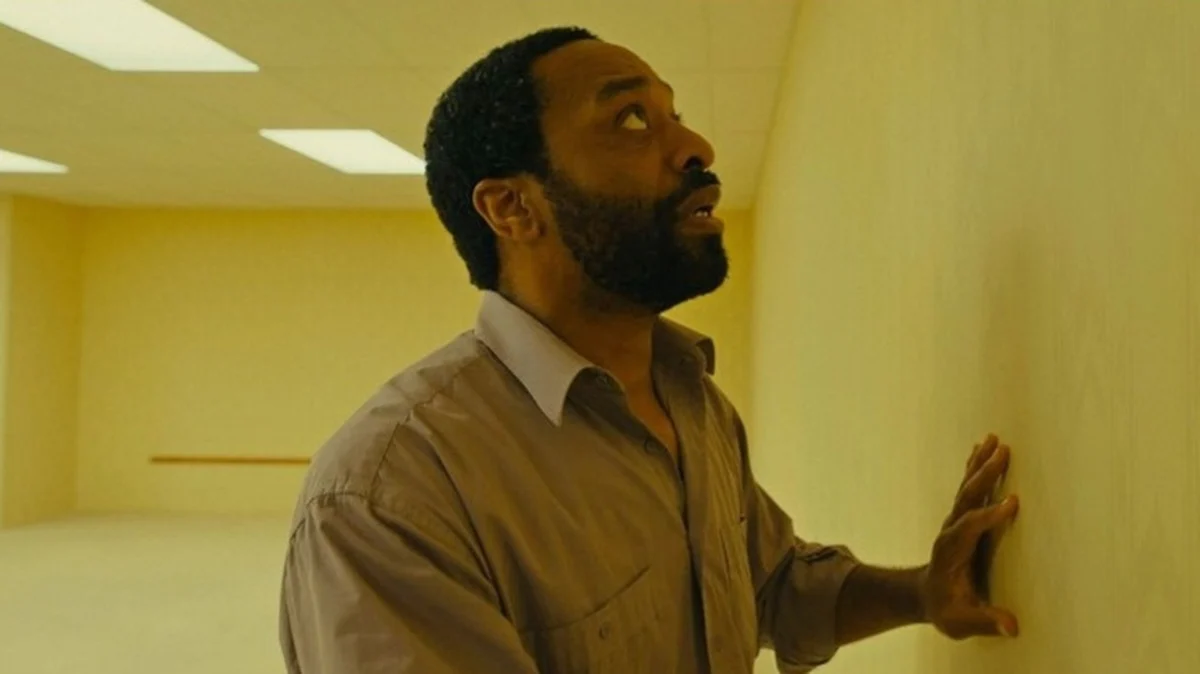
The film follows Clark, played by Chiwetwel Ejiofor, an unsuccessful entrepreneur running a defunct furniture chain called "Cap’n Clark’s Ottoman Empire." In a stroke of narrative genius, the Backrooms does not merely kill Clark; it consumes his persona, regurgitating it as "Pirate Clark"—a grotesque, eight-foot-tall homunculus that haunts the protagonist’s therapist, Dr. Mary Kline (Renate Reinsve).
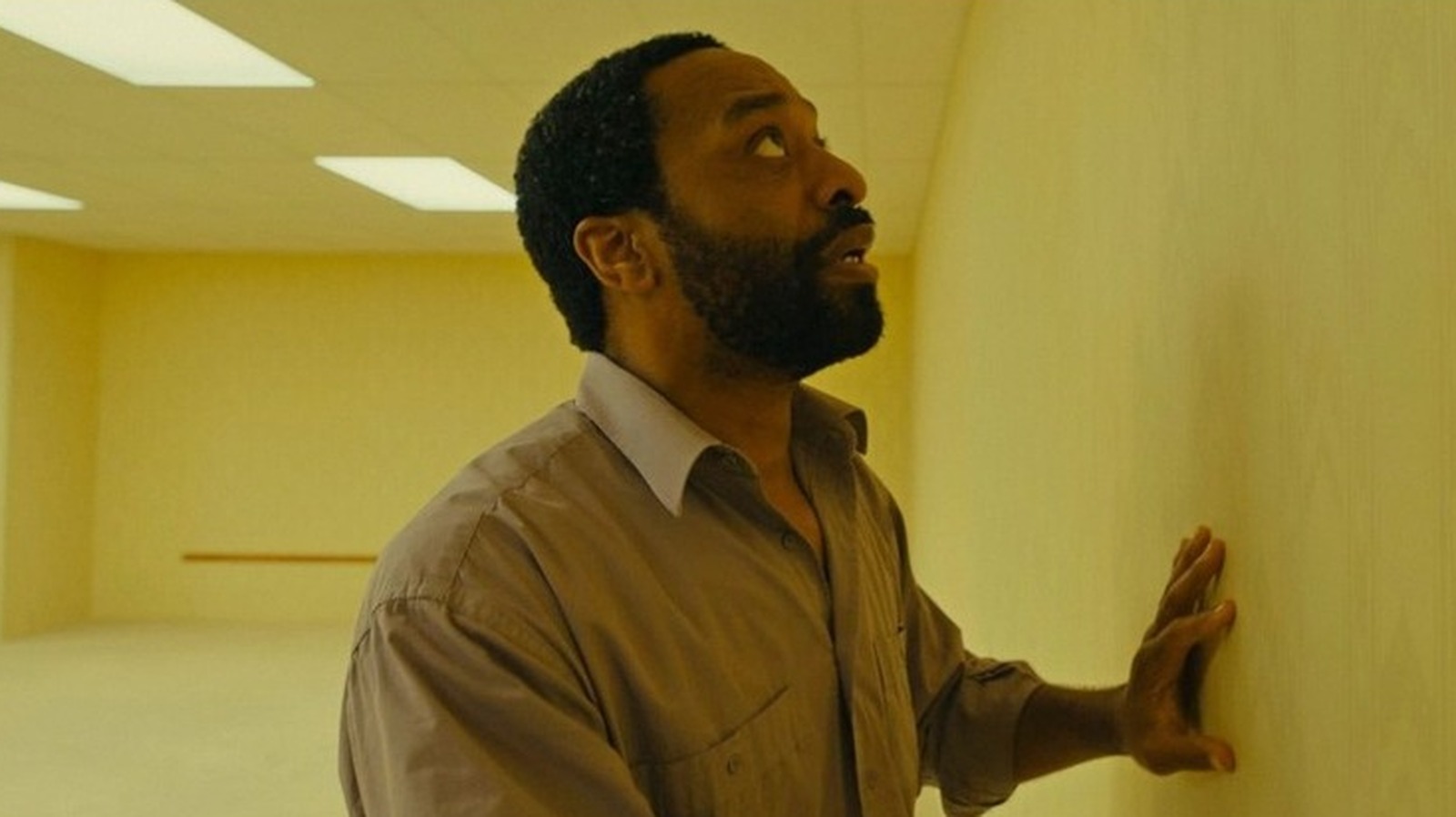
This is not a digital creation. The sheer scale and unnatural, lanky gait of Pirate Clark are the result of Robert Bobroczkyi’s physical performance, enhanced by masterful prosthetic makeup that bridges the gap between Ejiofor’s human features and the distorted reality of the Backrooms.
Chronology: From the Basketball Court to the Soundstage
To understand how Bobroczkyi arrived at the center of the horror zeitgeist, one must look at his unconventional trajectory.
- 2010s–Early 2020s: Bobroczkyi gains international attention as a basketball prodigy. His height, combined with a lanky, unconventional frame, makes him a standout athlete in Romania and later in the United States. However, the physical demands of high-level basketball often pushed his body to its limits.
- 2023: The production of Alien: Romulus begins, and director Fede Álvarez searches for a physical performer capable of embodying "The Offspring." Traditional CGI was deemed insufficient for the director’s vision of a creature that felt physically tethered to the reality of the Nostromo-era aesthetic.
- 2024 (August): Alien: Romulus hits theaters. Bobroczkyi’s portrayal of The Offspring—the horrifying, mutated hybrid birthed by the character Kay—becomes the film’s most discussed element.
- 2024 (Post-Romulus): Following the critical and commercial success of his turn in the Alien franchise, Bobroczkyi is cast in Backrooms. His performance here marks a shift from the purely animalistic movements of a Xenomorph hybrid to the more psychological, character-driven horror of "Pirate Clark."
The Science of the "Offspring" and Supporting Data
In Alien: Romulus, the horror is rooted in the "black goo" mutagen, a bio-weapon originally introduced in Ridley Scott’s Prometheus. When Kay (Isabela Merced) is exposed to this mutagen, her pregnancy is accelerated into a nightmarish, accelerated gestation. The resulting creature, The Offspring, is a disturbing synthesis of human, Xenomorph, and Engineer DNA.
Technical Breakdown of the Performance
- Prosthetic Integration: Unlike many modern monsters, The Offspring was primarily a practical effect. Bobroczkyi’s height meant that the creature’s silhouette—a jarring, spindly figure—could be achieved without the "weightlessness" often associated with CGI.
- The Uncanny Valley: Psychologists define the "uncanny valley" as the point where an artificial object looks almost human but slightly off, triggering a feeling of revulsion. By using a real human of Bobroczkyi’s proportions, the film bypassed the "artificial" aspect entirely. It wasn’t a computer trying to mimic a human; it was a human distorted into something unnatural.
- Movement Analysis: Because of his background in athletics, Bobroczkyi possesses an unusual level of body control. He was able to move with a "twitchy," erratic rhythm that contradicts the natural fluidity of a human body, adding to the sense that the creature is not entirely in control of its own limbs.
Official Responses and Creative Vision
The creative teams behind these projects have been vocal about why they chose a physical performer over digital puppetry.
"We didn’t want the audience to think for a second that this was a video game character," noted a member of the Alien: Romulus VFX team. "When you put a performer like Robert in the suit, you get the light hitting the skin in a way that’s organic. You get the way the shoulders hunch when he’s stalking a victim—that’s not an animator’s guess. That’s a human body occupying a space that shouldn’t be there."
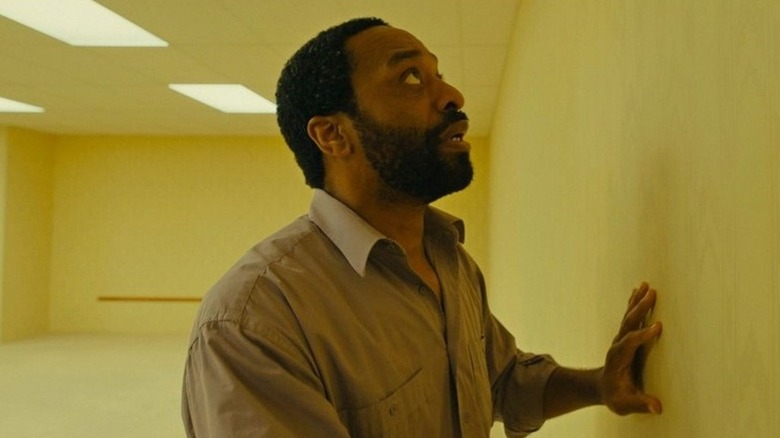
In the case of Backrooms, director and producers have highlighted that the film is a meditation on how humans imprint themselves onto the world. The horror of Pirate Clark is that he is essentially a discarded advertisement for a failed life. The casting of Bobroczkyi was essential to ensure that the monster felt "stuffed" into the space, much like a piece of oversized furniture that doesn’t fit the room.
Implications: The Return of the Physical Performer
The success of Robert Bobroczkyi in these two high-profile films signals a broader shift in Hollywood. For years, the industry leaned heavily on motion-capture and digital replacement. However, the "uncanny valley" effect of digital creatures has led to a noticeable "horror fatigue" among audiences.
The return to physical, practical creature effects carries several implications for the future of the genre:
- Authenticity as a Commodity: Audiences are becoming increasingly sophisticated. They can tell when a creature lacks weight. By prioritizing performers with unique physical attributes, studios are finding that they can generate higher levels of audience engagement and fear.
- The Rise of Specialized Physical Actors: We are likely to see a new "stable" of physical actors who are scouted specifically for their skeletal structure and ability to perform in extreme makeup, moving away from the era of anonymous stuntmen.
- Collaborative Horror: The synergy between the art department (prosthetics) and the performer is becoming the new "Gold Standard." It is no longer enough to have a good script; the monster must have a physical reality that the cast can react to on set.
Conclusion
Whether he is the terrifying, mutated offspring of a cosmic biological experiment or a warped, cannibalistic mascot from a forgotten furniture store, Robert Bobroczkyi has established himself as the premier purveyor of modern cinematic fear.
His performance in Backrooms—and his breakout role in Alien: Romulus—remind us that while CGI can create anything, it cannot replicate the raw, uncomfortable presence of a human body twisted into a shape that defies logic. As the Backrooms continues its theatrical run, audiences aren’t just watching a monster movie; they are witnessing a masterclass in how to turn the human form into the ultimate vessel of dread. The Backrooms are empty, but with performers like Bobroczkyi, they have never felt more occupied.











No comments yet. Be the first to join the conversation!