

By [Your Name/Journalistic Staff]
Reporting from the Tech & Gaming Desk
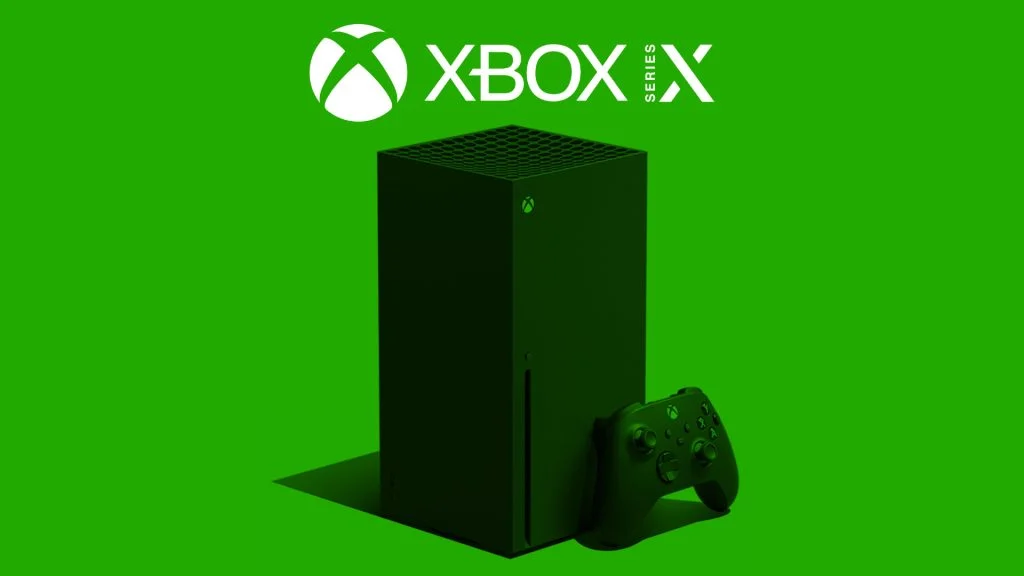
In a move that signals a turbulent shift in the gaming hardware market, Microsoft has officially confirmed a sweeping price increase across its entire Xbox Series console lineup. Starting August 1st, consumers will face a significantly higher barrier to entry for the current generation of Xbox gaming. The company, citing unsustainable surges in the cost of raw components—specifically memory and storage—has laid out a new pricing structure that reflects the volatile nature of the global semiconductor supply chain.
As the cost of living continues to exert pressure on consumer wallets, this decision places Microsoft in a precarious position. With hardware sales already trending downward, industry analysts are questioning whether this strategy will stabilize the company’s margins or further alienate a base already grappling with the economic realities of the mid-2020s.
The New Pricing Landscape: A Breakdown of the Increases
The updated pricing, published via the official Xbox Wire, leaves no model untouched. The adjustments are substantial, effectively erasing previous retail discounts and pushing hardware into a significantly higher price bracket.
The New Xbox Price List (Effective August 1st):
- Xbox Series S (512GB): Increasing from $399 to $499.
- Xbox Series S (1TB): Increasing from $449 to $599.
- Xbox Series X (1TB Disc Edition): Increasing from $649 to $800.
- Xbox Series X (1TB Digital Edition): Increasing from $599 to $750.
- Discontinuation: The 2TB model of the Xbox Series X is being phased out, removing the premium storage option from the official retail lineup entirely.
These figures represent a dramatic leap, with some models seeing a price hike of over 25%. For many families and casual gamers, this adjustment effectively pushes the console out of the "affordable" category, narrowing the gap between entry-level consoles and enthusiast-grade PC builds.
Chronology of Cost: How We Got Here
The decision to raise prices is not a spontaneous reaction but the culmination of months of mounting pressure within the global supply chain.
Early 2024: Industry experts began noting a tightening in the supply of high-bandwidth memory (HBM) and NAND flash storage, driven by the massive surge in demand for AI-focused hardware. As data centers and AI companies hoovered up available supply, consumer electronics manufacturers found themselves competing for limited stock at premium prices.
Spring 2024: Microsoft began internal reviews of its hardware margins. Despite strong service performance through Xbox Game Pass, the physical hardware division faced mounting losses for every unit sold at current retail prices.
June 2026 (Present): Microsoft officially announced the price hikes, citing internal projections that suggest memory and storage costs are set to double again by Autumn 2027. By acting now, the company is attempting to front-run these projected costs, hoping to stabilize the long-term profitability of the Xbox brand.
Supporting Data: The Shrinking Console Market
The timing of this announcement is particularly fraught. According to data provided by Circana industry analyst Matt Piscatella, Xbox hardware sales have consistently trended downward throughout the second quarter of 2026.
The decline is not isolated to Microsoft; the entire console industry is seeing a stagnation in hardware adoption. However, Microsoft’s reliance on its "Xbox Everywhere" strategy—pushing Game Pass and cloud gaming—has often been interpreted by the market as a de-prioritization of physical console sales. By raising prices now, Microsoft risks accelerating the decline of its hardware ecosystem.
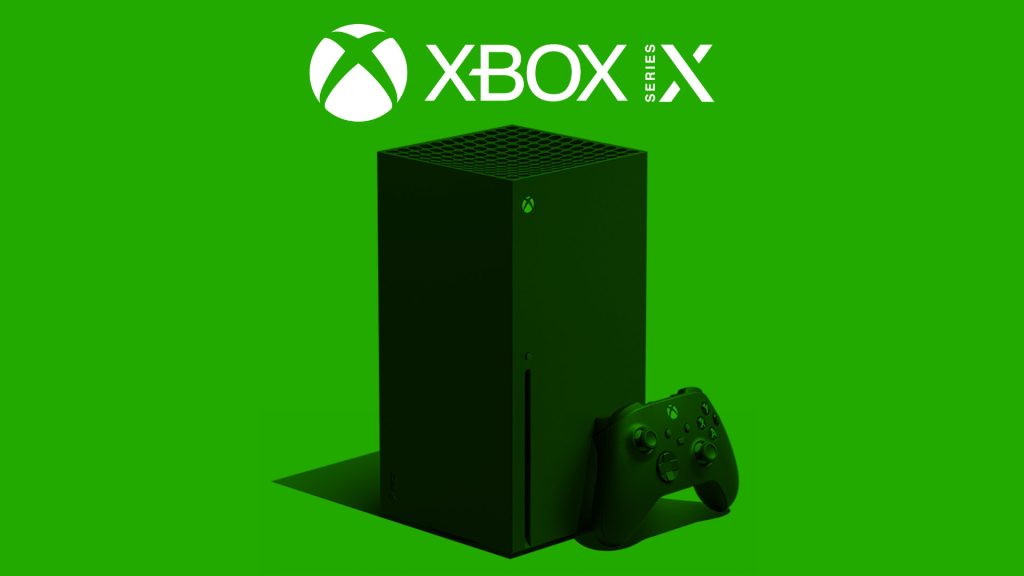
Furthermore, recent reports from hardware manufacturers indicate that the cost of silicon fabrication has not seen the typical "generational decrease" that usually occurs as a product line matures. Instead, due to inflation and the complexities of modern node manufacturing, the cost to produce a Series X console remains remarkably high years after its initial launch.
Official Responses and Strategic Pivot
Microsoft has acknowledged the difficulty of this announcement. In its statement, the company emphasized that these price adjustments are necessary to "ensure the continued delivery of high-quality hardware and innovation."
To mitigate the immediate backlash, Microsoft is reintroducing a "Buy Now, Pay Later" (BNPL) initiative. This program, reminiscent of their previous subscription-based hardware bundles, aims to decouple the console from the massive upfront cost. By spreading payments over 12 to 24 months, Microsoft hopes to keep the Xbox ecosystem accessible to those who are sensitive to immediate price spikes.
Industry insiders suggest that this pivot is a calculated attempt to normalize subscription-based hardware acquisition. If consumers begin to view the Xbox as a "service" rather than a one-time purchase, the psychological impact of the higher sticker price may be lessened.
Implications: The $1,000 Console Horizon
The ramifications of this decision extend far beyond the Xbox brand. Analysts have already begun warning that the next generation of consoles—the hypothetical "Xbox Series Next" or "PlayStation 6"—could launch at the $1,000 price point.
Why the Price Ceiling is Breaking:
- Complexity of Components: Modern consoles require high-end SSDs and custom APUs that are significantly more expensive to manufacture than those used in the PS4/Xbox One era.
- The AI Effect: As long as AI companies require the same type of memory that gaming consoles use, the competition for manufacturing capacity will remain fierce, keeping prices elevated.
- Inflationary Pressures: Global logistics, labor, and materials have seen a permanent shift in cost, making the era of the $399-$499 flagship console appear increasingly like a historical anomaly.
For gamers, this suggests a future where high-end console gaming is no longer a "budget-friendly" alternative to PC gaming. As the price gap closes, consumers may increasingly weigh the benefits of a locked-down console against the versatility and upgradeability of a PC.
Conclusion: A New Era of Hardware Economics
The gaming industry is currently undergoing a painful recalibration. Microsoft’s decision to increase prices is a stark reminder that the "console war" is no longer just about software exclusives or controller design; it is a battle against the rising costs of global production.
As we look toward 2027 and beyond, the industry faces a daunting question: Will consumers continue to support a platform that keeps raising the barrier to entry, or will this move drive more players toward cloud-based gaming and mobile alternatives?
For now, the Xbox Series lineup stands as a bellwether for the rest of the industry. If Microsoft can successfully navigate these price hikes through financing schemes and value-add services, it may set a precedent that Sony and Nintendo will eventually feel compelled to follow. If not, the hardware market may be headed for its most significant contraction in over two decades.
The console gaming experience is evolving, but as of August 1st, that evolution comes with a much higher price tag. As the dust settles, one thing remains clear: the days of cheap, high-performance hardware are, for the foreseeable future, a thing of the past.











