


For nearly a decade, the Moto G Stylus line has served as the undisputed champion of the budget-friendly smartphone market. By offering a functional stylus at a sub-$400 price point, Motorola carved out a unique niche for students, artists, and mobile professionals who couldn’t justify the exorbitant cost of a Galaxy S Ultra series device. However, the 2026 iteration represents a tectonic shift for the brand. With a $100 price hike—a 25% increase—bringing the MSRP to $499, the Moto G Stylus (2026) is moving out of the "impulse buy" category and into the competitive mid-range tier.
Is this newfound premium positioning justified, or has Motorola priced itself out of its own target demographic? After spending extensive time with the device, the answer is as complex as the hardware itself.
The Core Evolution: Main Facts and Design Philosophy
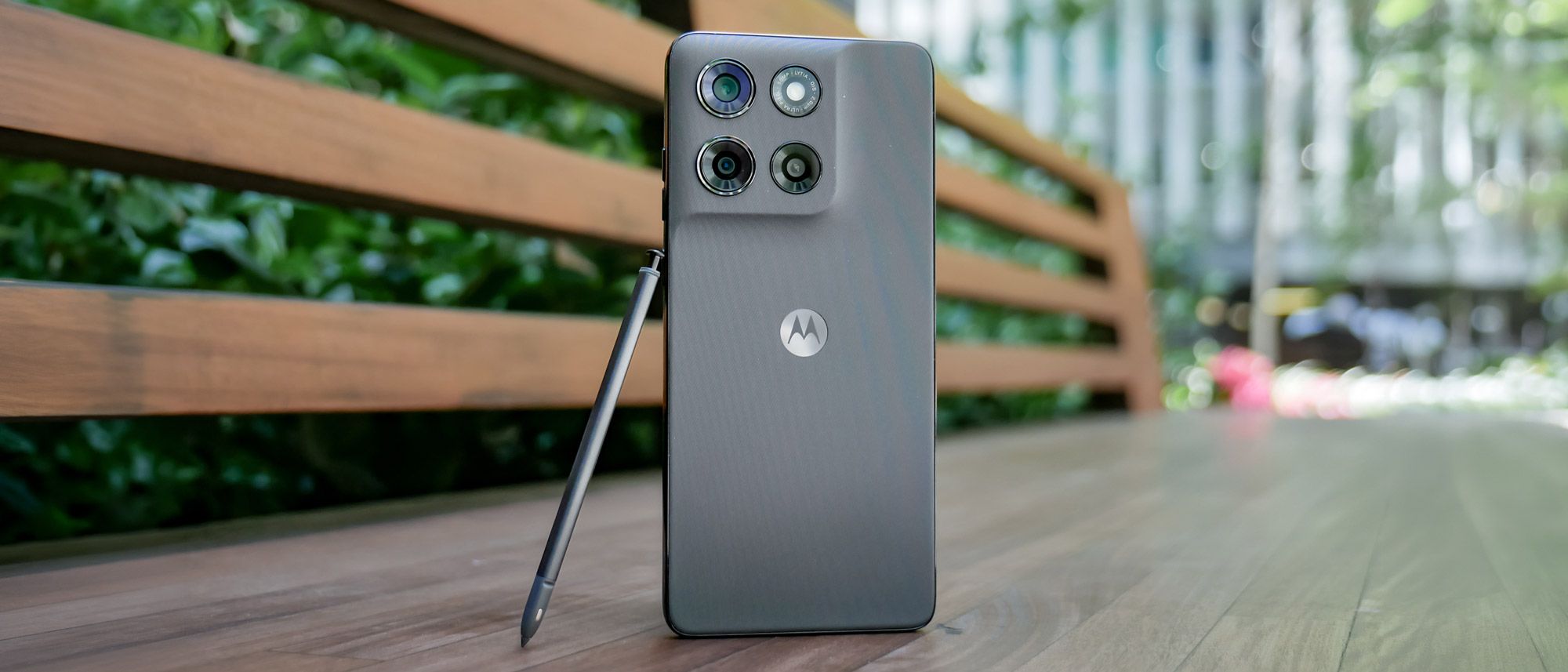
The Moto G Stylus (2026) is not merely a spec-bump; it is a fundamental reimagining of what a mid-range productivity device can be. The headline feature is the transition from a passive, capacitive pointer to a sophisticated active stylus. Unlike previous generations, which were essentially glorified plastic sticks, this new stylus features integrated pressure sensitivity and tilt detection.
Technical Specifications at a Glance
- Display: 6.7-inch AMOLED, 2712 x 1220 resolution, 120Hz refresh rate.
- Processor: Snapdragon 6 Gen 3.
- Memory/Storage: 8GB RAM; 128GB/256GB storage (expandable via microSD).
- Battery: 5,200 mAh with 68W wired and 15W wireless charging.
- Build: Vegan leather finish, MIL-STD-810H durability, IP68/IP69 water resistance.
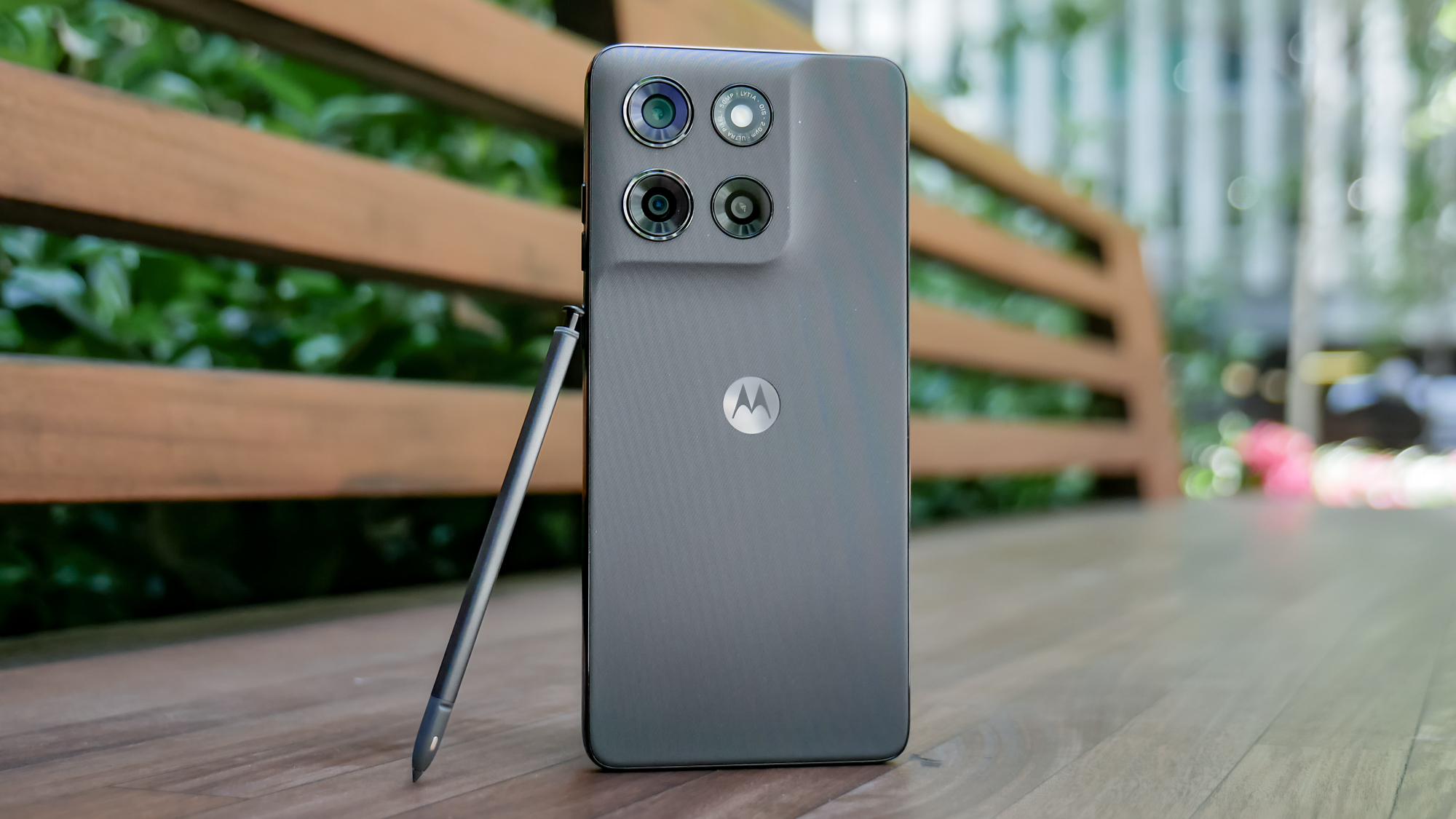
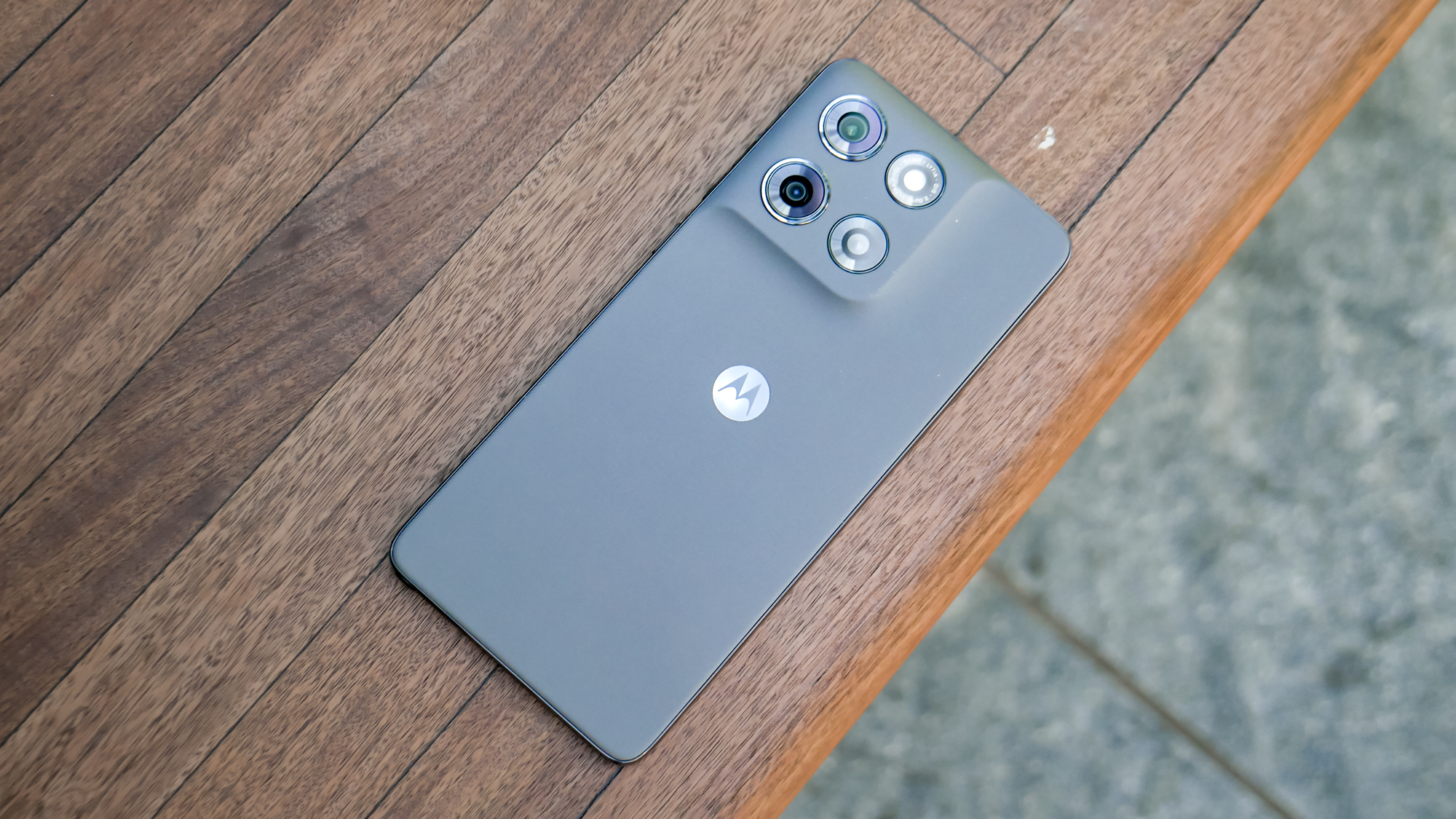
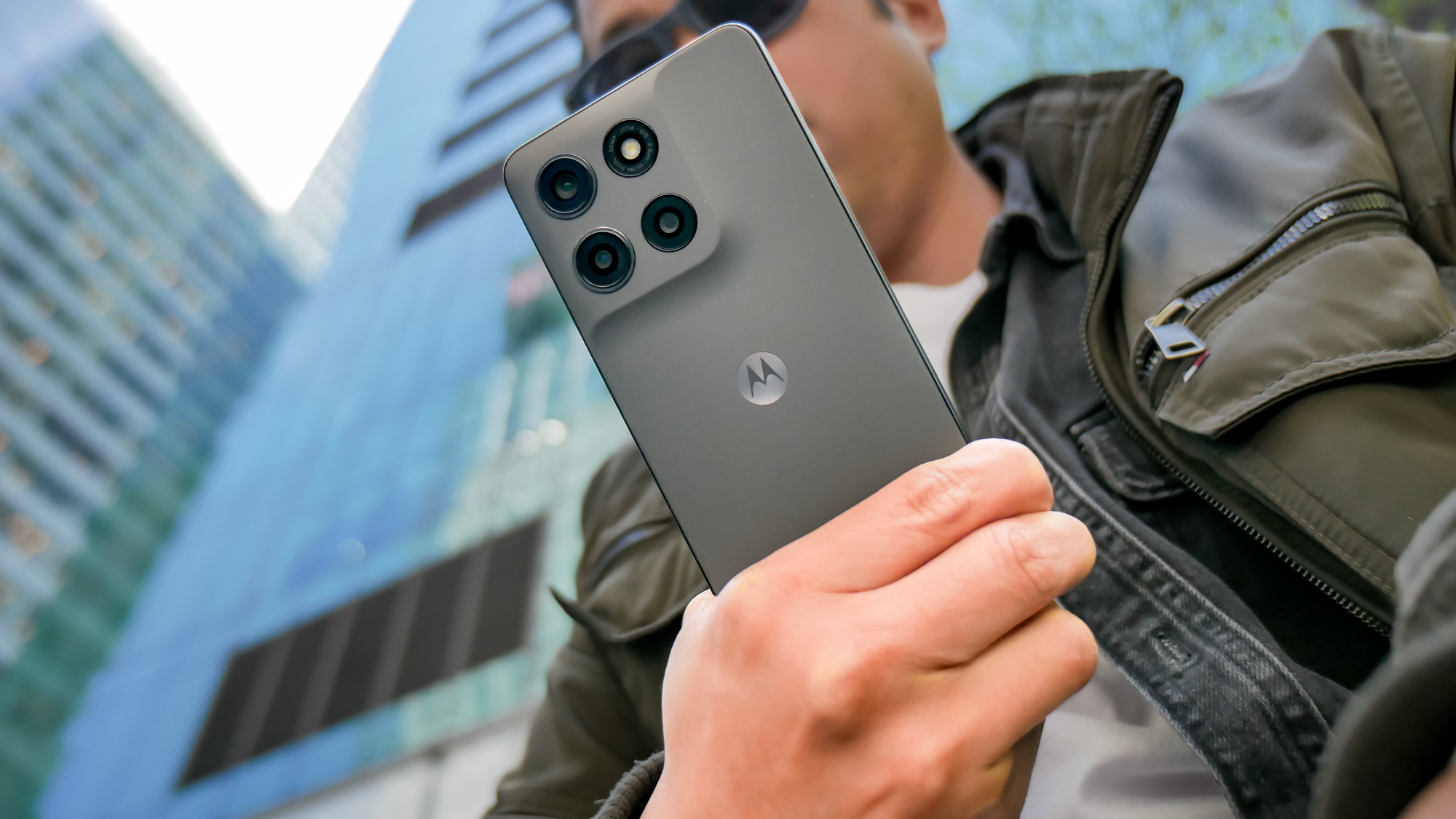
The aesthetic departure from the typical "glass sandwich" design is refreshing. The inclusion of a textured, vegan leather back panel provides a tactile, premium grip that effectively repels fingerprints—a common grievance with modern glass-backed handsets. More importantly, the build quality is objectively superior to its predecessors, featuring a MIL-STD-810H rating that promises survival against the rigors of daily life, including drops and high-pressure water exposure.
A Chronology of the Stylus Shift
To understand the 2026 model, one must look at the trajectory of the series.
- 2023-2024: The Moto G Stylus focused on maintaining a sub-$350 price point, utilizing basic LCD panels and passive pens. The focus was on utility over performance.
- Early 2025: Rumors surfaced regarding Motorola’s attempt to pivot to a "premium mid-range" ecosystem, moving away from the race to the bottom in pricing.
- Launch 2026: The device arrives with a bold $499 price tag. To mitigate sticker shock, Motorola introduced aggressive, value-packed bundles that include wearable and audio hardware, signaling a move toward "ecosystem-as-a-service."
This pivot represents a calculated risk. By bundling products like the Moto Buds 2 Plus and Moto Tags, Motorola is attempting to convince the consumer that they aren’t paying $500 for just a phone, but for a comprehensive mobile workstation.
Supporting Data: Performance and Real-World Usage
When analyzing the performance, there is a distinct divergence between synthetic benchmarks and user experience.
The Display and UI Fluidity
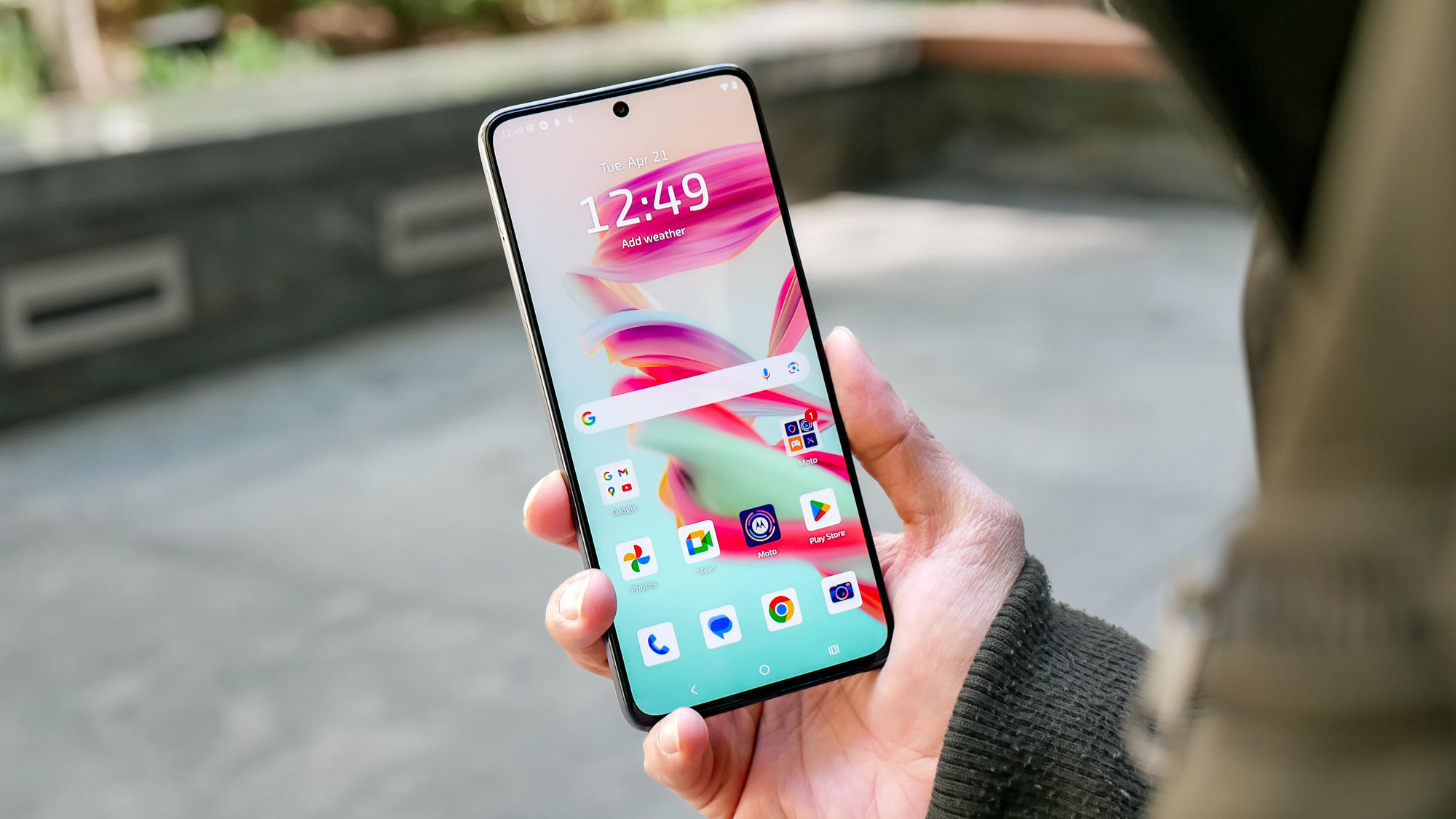
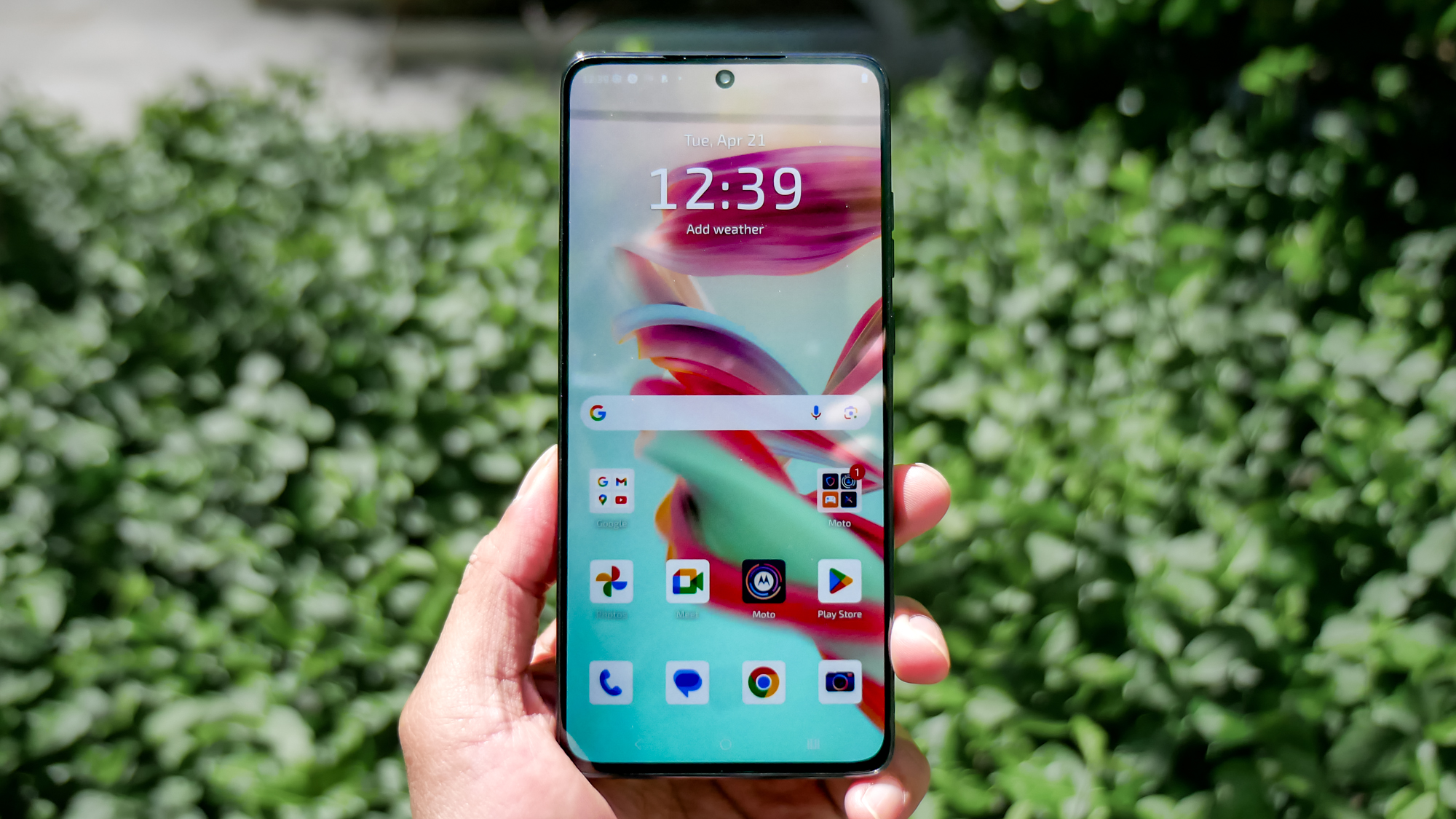
The 6.7-inch AMOLED display is the standout feature. When set to the "Hyper Smooth" 120Hz mode, the device feels remarkably fast. Navigating the UI and scrolling through web pages is fluid, effectively masking the mid-range limitations of the Snapdragon 6 Gen 3 chipset.
The Benchmark Reality
In Geekbench 6 testing, the device yielded a single-core score of 1,011 and a multi-core score of 3,042. These are respectable numbers for the mid-range, but they don’t tell the whole story. While day-to-day productivity apps (email, word processors, web browsing) run without a hitch, gaming is a different story. In 3DMark’s Wild Life Unlimited test, the device struggled to maintain a consistent frame rate, averaging 20.33 fps. If your primary goal for this phone is high-fidelity mobile gaming, the hardware will leave you wanting.
Battery Life Analysis
The 5,200 mAh battery is substantial, yet the results are mixed. In the Tom’s Guide battery test, the device achieved 12 hours and 36 minutes in "Smart and Balanced" mode. While this comfortably spans a full day of typical usage, it pales in comparison to devices like the Google Pixel 10a, which hit over 15 hours. The 68W fast charging is a massive saving grace, bringing the device from near-zero to 76% in just 30 minutes.

AI Integration: The Software Ecosystem
Motorola has leaned heavily into AI this year, integrating features that make the active stylus feel like a core component rather than an add-on.
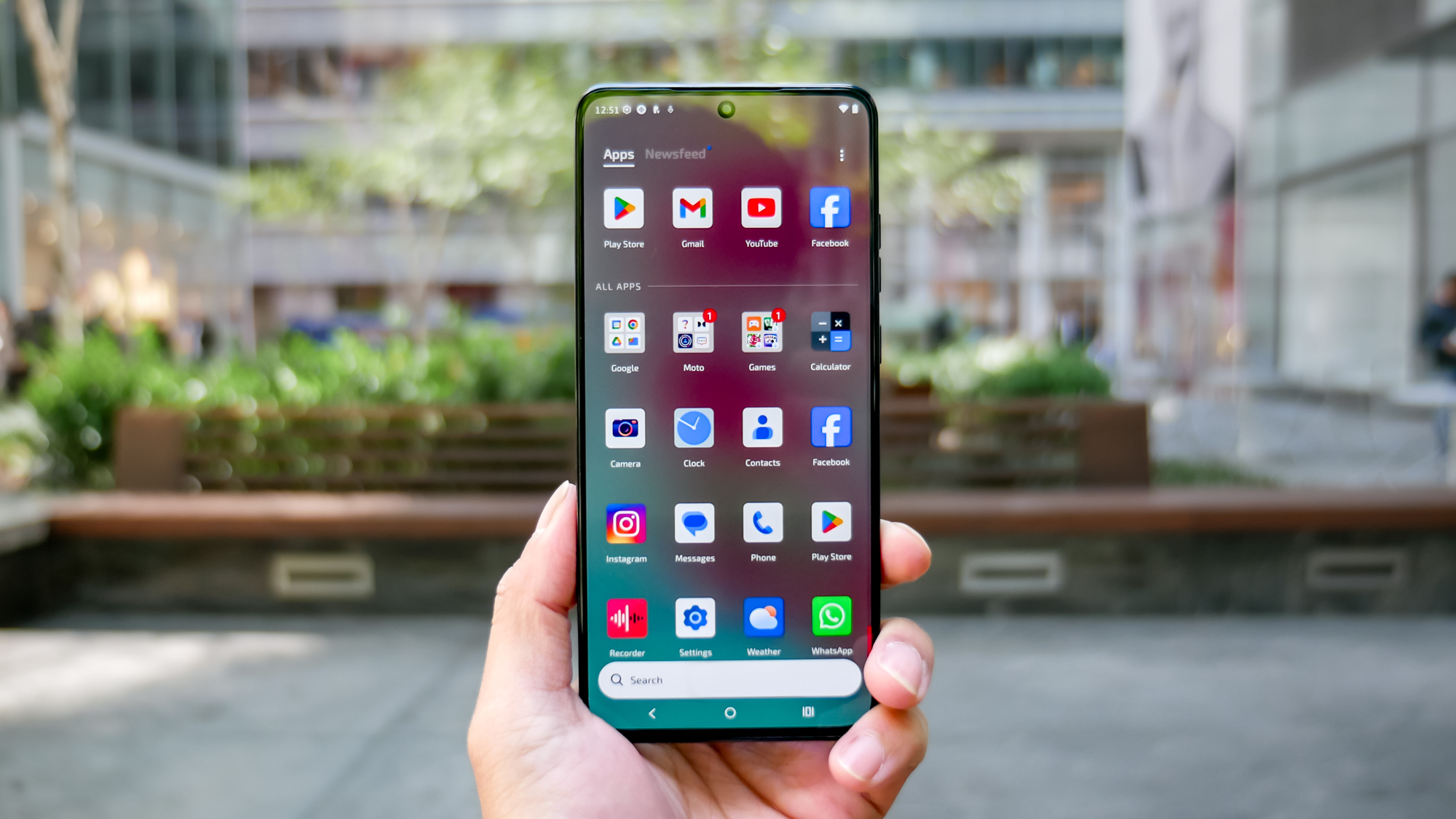
The integration of "Sketch to Image" and "Circle to Search" aligns the Moto G Stylus (2026) with the functionality found in much more expensive flagship devices. Combined with Motorola’s "Smart Connect" software, which enables a desktop-like experience on external monitors, the phone legitimately serves as a pocket computer. The software experience is clean, largely devoid of bloatware, and offers a robust Android 16 interface that feels modern and intuitive.
The Camera Experience: Bright Lights vs. Dark Realities
The camera system consists of a 50MP main sensor and a 13MP ultrawide lens. In well-lit, outdoor environments, the camera performs admirably. Detail retention is sharp, and the dynamic range is surprisingly good, accurately balancing exposure in complex, high-contrast city scenes.
However, the "Night Vision" mode—a feature Motorola touts as a solution for low-light photography—falls short. Despite the longer exposure times, the resulting images often lack the clarity and brightness found in competing mid-range handsets. It is a capable daylight shooter, but serious night-time photographers should approach with caution.
Implications: Is the $499 Price Tag Justified?
The decision to hike the price to $499 creates an interesting dichotomy. If you evaluate the phone as a standalone device, the value proposition is debatable. However, Motorola’s strategy rests on the value of the bundles.
- The 128GB Tier ($499): Includes Moto Buds 2 Plus and a 4-pack of Moto Tags. These items carry a retail value of roughly $248. If you were planning to purchase these accessories anyway, the effective cost of the phone drops to roughly $251.
- The 256GB Tier ($599): Includes a complete ecosystem package: Moto Tag, Moto Buds Loop, and a Moto Watch.
For the average consumer, this "ecosystem-in-a-box" approach makes the $100 increase feel like a bargain rather than a tax. The implication is clear: Motorola is no longer competing solely on hardware specs; it is competing for "wallet share" by locking users into their peripheral ecosystem.

Final Verdict: Who is this for?
The Moto G Stylus (2026) is a specialized tool. It is not the fastest phone on the market, nor is it the best camera phone in its price bracket. However, it is arguably the best productivity-focused phone for those on a budget.
Pros:
- Active Stylus: The addition of pressure and tilt sensitivity is a game-changer for digital note-taking and light illustration.
- Build Quality: The vegan leather back and military-grade durability make this a phone that feels built to last.
- Ecosystem Value: The bundled accessories provide undeniable value that softens the blow of the price hike.
- Software: Clean, productive-focused software with excellent desktop-mode integration.
Cons:
- Gaming: The Snapdragon 6 Gen 3 is not built for demanding 3D titles.
- Low-Light Photography: Night performance remains a significant weakness despite the software processing.
- Battery Efficiency: While the battery is large, power management is not as efficient as its primary competitors.
Final Thought: If you are a student, a professional who needs a quick way to annotate documents on the go, or a user who appreciates having an entire connected ecosystem right out of the box, the Moto G Stylus (2026) is an exceptional choice. If you are a mobile gamer or a photography enthusiast, your money might be better spent elsewhere. Motorola has successfully elevated the G Stylus brand—now we wait to see if the market is ready to pay the premium for that elevation.












No comments yet. Be the first to join the conversation!