Raul Delapena Setiawan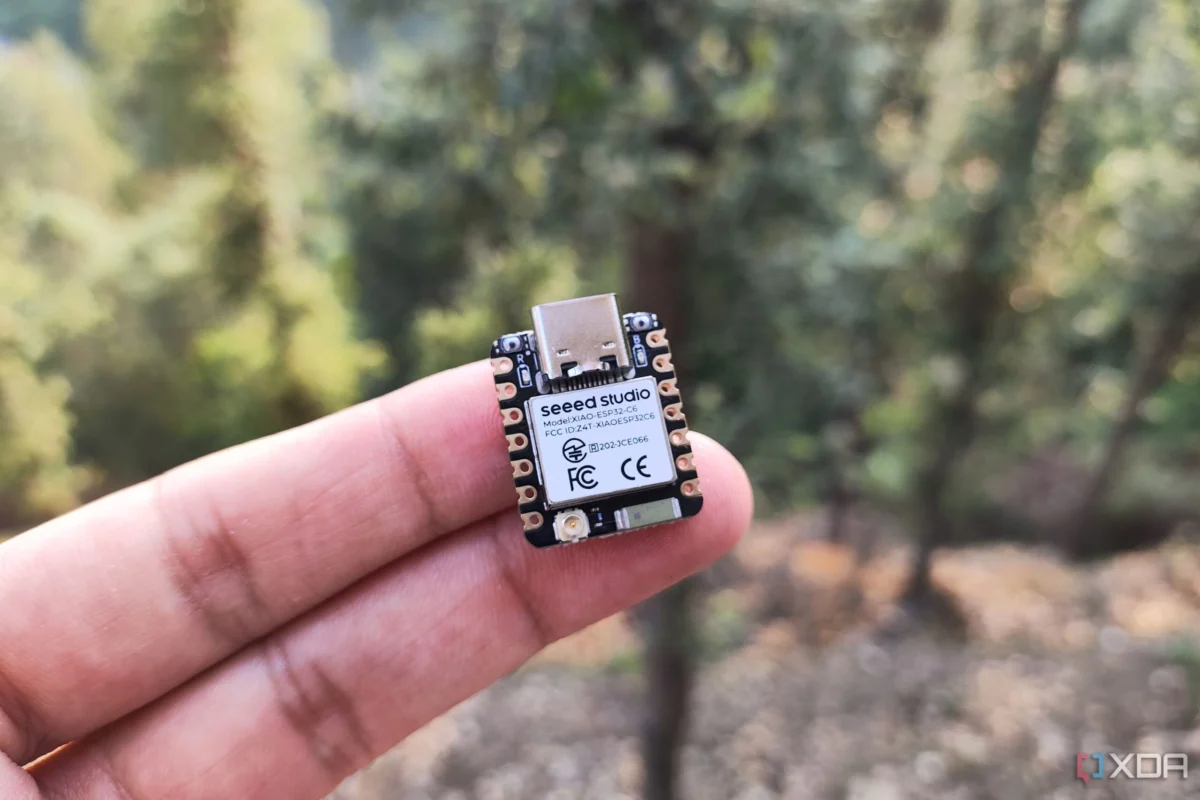
For many technology enthusiasts who grew up during the dawn of the personal computing era, the blue-and-gray text interface of the Basic Input/Output System (BIOS) is more than just a configuration utility—it is a nostalgic relic of a time when the user had absolute, granular control over their hardware. Before the transition to the complex, mouse-driven Unified Extensible Firmware Interface (UEFI), the BIOS was the gateway to the machine. Today, that aesthetic and functional philosophy is being resurrected in the most unlikely of places: the ESP32-C6, a low-cost, high-efficiency microcontroller unit (MCU).
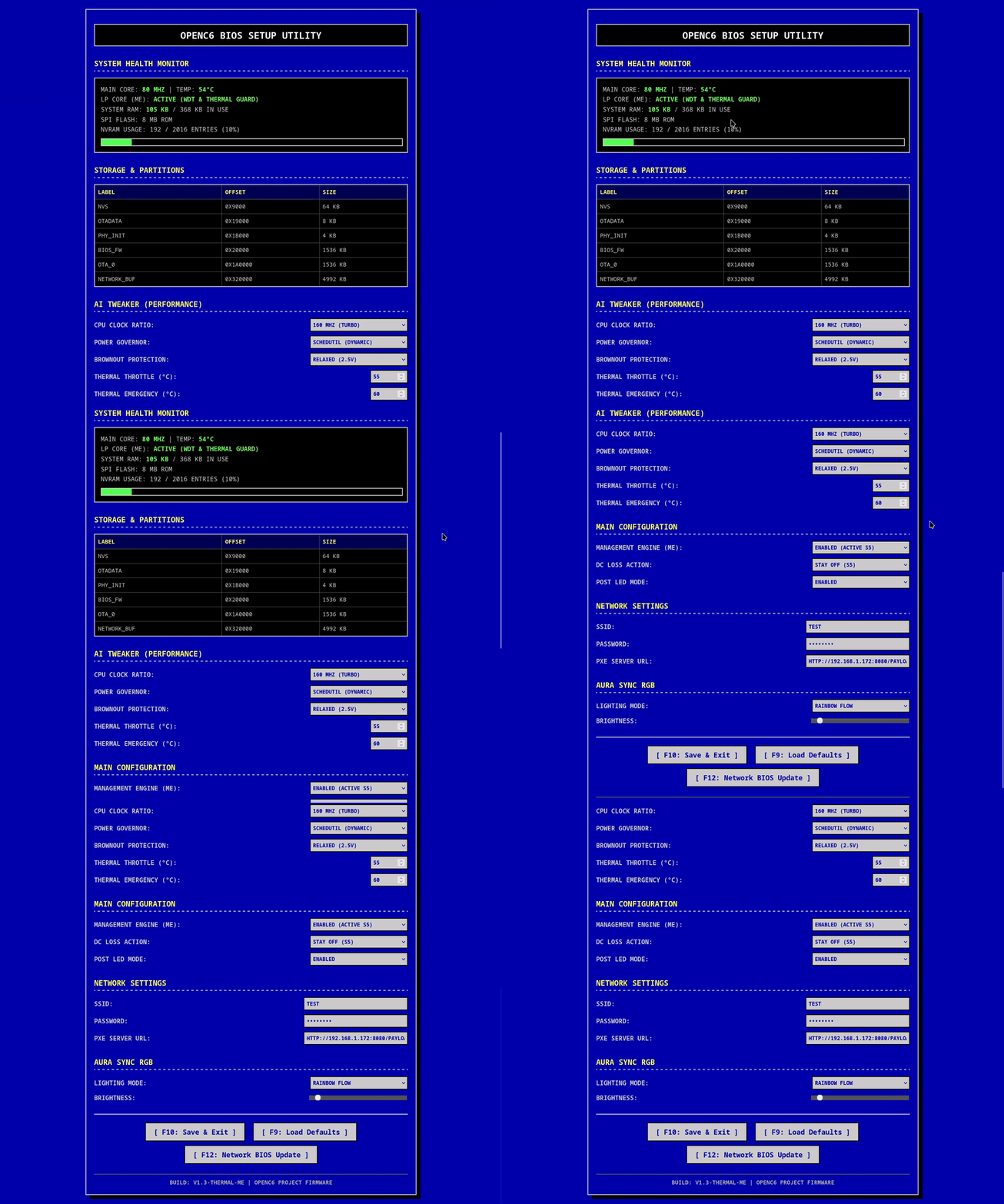
A developer known as Rompass has unveiled "OpenC6 BIOS," an open-source project that brings a retro-style BIOS interface to the ESP32-C6. While the project is still in its nascent stages, it represents a significant shift in how developers interact with embedded systems, effectively treating a $2 chip like a miniature server or a vintage workstation.
The Core Concept: Why a BIOS for a Microcontroller?
To understand the significance of OpenC6, one must first understand the limitations of standard embedded development. Typically, microcontrollers like the ESP32 series are programmed with monolithic firmware. This means the hardware abstraction layer, the application logic, and the communication protocols are all compiled into a single binary. If a developer wants to update a specific module or change a hardware configuration, the entire firmware usually needs to be recompiled and reflashed.
OpenC6 flips this paradigm. By acting as a host platform, the OpenC6 BIOS initializes the hardware and provides a standardized System Call Interface (ABI). This creates a layer of abstraction between the silicon and the user’s software. As Rompass describes it, the system allows for the hot-swapping and execution of tiny, lightning-fast "Payloads" directly into RAM or through Execute-In-Place (XIP) Flash.
This architecture transforms the ESP32-C6 from a static, single-purpose device into a dynamic, modular computing platform, echoing the design principles of early PC architecture.
Chronology of Development: From Concept to Community Project
The project’s emergence follows a growing trend in the DIY electronics community to bridge the gap between retro-computing aesthetics and modern IoT functionality.
- Initial Conception: The project began as a personal endeavor by Rompass to explore the capabilities of the ESP32-C6’s RISC-V architecture. By leveraging the chip’s LP-Core (Low-Power Core) coprocessor, the developer sought to create a system that could handle background tasks independently of the main application logic.
- Proof of Concept: The initial prototype focused on the visual interface, mimicking the classic blue screens of 1990s-era motherboards. This visual feedback was crucial for proving that the chip could handle a graphical terminal output without compromising system stability.
- Public Release and Documentation: In June 2026, the project was pushed to GitHub, accompanied by comprehensive documentation on how to set up the environment. The release sparked immediate interest in the embedded systems community, particularly among those who value modularity in their coding projects.
- Current State: As of late June 2026, the project remains in an "alpha" state. While the core framework is functional, the developer has established a bounty board to encourage community contributions, signaling a transition from a solo experiment to a collaborative open-source endeavor.
Supporting Data: Understanding the ESP32-C6 Architecture
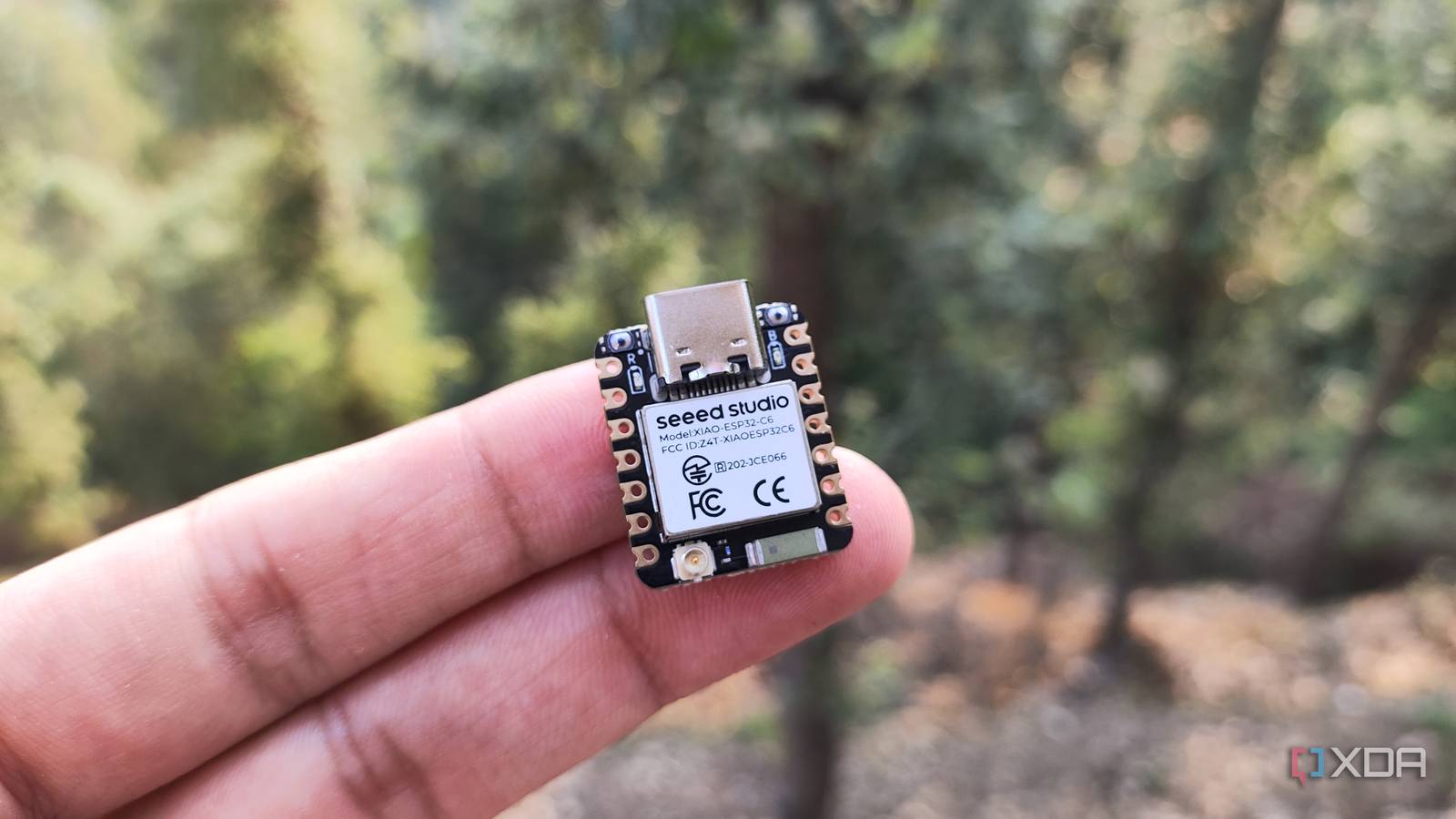
The ESP32-C6 is a formidable choice for such an ambitious project. Unlike its predecessors, the C6 features a 32-bit RISC-V processor and includes native support for Wi-Fi 6 (802.11ax) and Bluetooth 5 (LE).
Technical Specifications at a Glance:
- Processor: RISC-V 32-bit single-core, up to 160 MHz.
- Memory: 512 KB SRAM, 16 KB LP-SRAM.
- Connectivity: Wi-Fi 6, Bluetooth 5.3, Zigbee, Thread, and Matter.
- Power Consumption: Extremely low, ideal for battery-operated devices.
By placing a BIOS-like layer on top of these specs, the OpenC6 project is effectively managing a sophisticated hardware ecosystem. The use of the LP-Core is particularly clever; it handles "out-of-band management," ensuring that even when the main processor is in a deep-sleep state, the system can remain responsive to environmental triggers or network pings.
Official Responses and Developer Insights
The developer, Rompass, has been transparent about the limitations of the current iteration. In various forum discussions and the project’s GitHub repository, the focus has remained on "standardization."
"Instead of monolithic firmwares, OpenC6 acts as a host platform," Rompass stated in the project documentation. The goal is to move away from the "all-or-nothing" nature of traditional firmware. The community response has been largely positive, with veteran hardware hackers praising the project for its documentation and the "cool factor" of having a boot menu on an IoT sensor board.

However, professional embedded engineers have noted the challenges of implementing such a system in production environments. The overhead of a BIOS layer—even a lightweight one—can introduce latency and memory overhead that may not be suitable for time-critical industrial applications. Despite this, the project is seen as a major win for educational purposes and hobbyist experimentation.
Implications for the Future of Embedded Systems
The success of the OpenC6 BIOS could have ripple effects across the maker community and potentially the wider IoT industry.
1. Modular Firmware Ecosystems
If successful, this could lead to a standard "plug-and-play" ecosystem for ESP32 devices. Imagine a future where you can download a "driver" or "payload" for a specific sensor, flash it to a partition on your chip, and have it recognized by the BIOS, much like installing a peripheral on a PC. This would drastically reduce development time for complex multi-sensor projects.
2. Enhanced Security Measures
One of the key items on the project’s "bounty board" is the development of security measures to prevent corrupted executions. By having a BIOS-level gatekeeper, the system can verify the integrity of payloads before they are executed in RAM. This provides a layer of security that is often absent in simple microcontroller deployments, where a single bug in a sensor-reading loop can crash the entire system.
3. Bridging the Generational Gap
The project serves as a bridge between the computer science of the 1980s and the hardware of the 2020s. It teaches younger developers about the fundamental concepts of boot sequences, system calls, and memory management—topics that are often abstracted away by modern high-level frameworks like Arduino or ESP-IDF.
4. The "Server-on-a-Chip" Philosophy
As microcontrollers become more powerful, the distinction between a "controller" and a "computer" continues to blur. The OpenC6 BIOS treats the ESP32-C6 not as a simple chip, but as a host for services. This philosophical shift is likely to gain traction as chips like the C6 become more capable of hosting web servers, local databases, and AI-inference tasks locally on the edge.
Challenges Ahead: What Needs to be Done?
Despite the enthusiasm, the project faces several hurdles before it can be considered "production-ready":
- File System Integration: Developing a robust, open-source file system that can handle XIP flash operations efficiently is the current priority.
- Error Handling: As with any BIOS, it must be resilient. A corrupted BIOS is a "bricked" device, and the developer is currently working on fail-safes to ensure that users can recover their hardware even if a payload fails to boot.
- Community Standardization: For this to become a standard, other developers need to adopt the same System Call Interface. The project relies on the hope that the community will embrace this specific ABI as a standard for future ESP32-C6 modifications.
Conclusion
The OpenC6 BIOS project is a testament to the creativity of the open-source community. By applying the retro sensibilities of early PC architecture to the modern, ultra-efficient ESP32-C6, Rompass has created a tool that is as educational as it is functional.
Whether it becomes a standard for IoT development or remains a niche project for retro-enthusiasts, it serves as a powerful reminder that there is always room to innovate, even on the most well-trodden hardware paths. As we move deeper into the era of the Internet of Things, the ability to manage our hardware with the same transparency and control we had in the days of BIOS screens may become an increasingly vital skill for the next generation of engineers and makers.
For those interested in exploring the project, the GitHub repository remains the primary source of truth, offering a look into the code that makes this unique piece of software possible. As the bounty board continues to see contributions, the OpenC6 BIOS is poised to evolve from a clever hack into a robust platform for the future of embedded computing.


 Pevita Pearce
 Muslim