Suro Senen
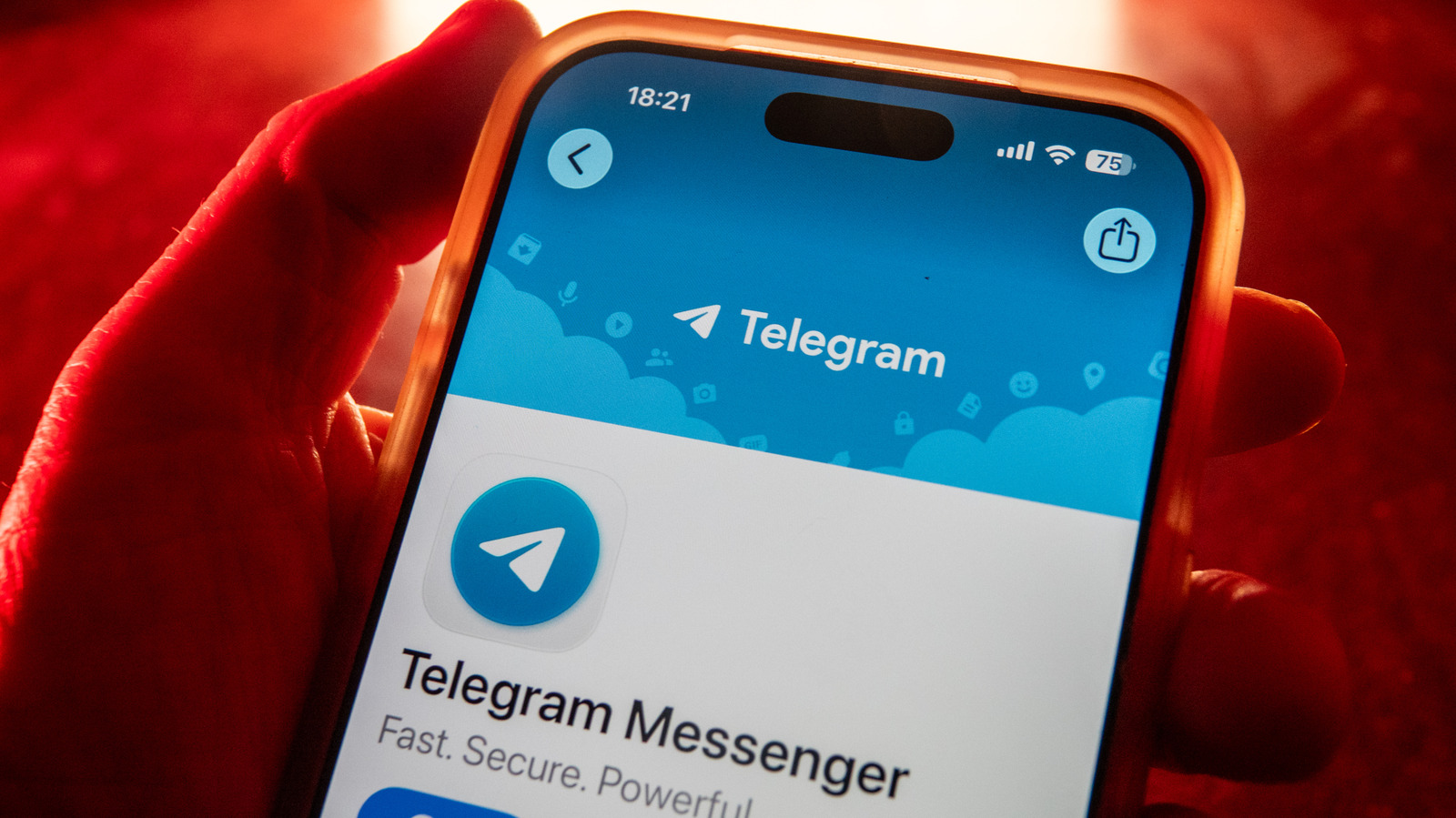
In a move that has ignited a fierce national debate over digital censorship and institutional accountability, the Indian government has imposed a temporary, nationwide block on the encrypted messaging platform Telegram. The measure, which aims to curb rampant exam fraud, renders the service inaccessible to its largest global user base—estimated at approximately 84 million people—until the conclusion of a high-stakes medical re-examination on June 22.
The ban comes as the culmination of weeks of escalating civil unrest and political friction surrounding the National Eligibility cum Entrance Test (NEET), the gateway for millions of students aspiring to enter India’s elite medical schools. While the government maintains that the blackout is a surgical necessity to prevent the illicit circulation of exam papers, critics argue that the measure is a disproportionate “band-aid” that obscures deeper, systemic failures within the country’s testing infrastructure.
A Chronology of the Crisis: From Test to Turmoil
The controversy traces its roots to May 3, when approximately 2.28 million students sat for the NEET examination. The stakes for these candidates are immense; for many, it represents the culmination of years of intensive preparation. However, shortly after the exam concluded, the process devolved into a chaotic scandal that has shaken public confidence in the National Testing Agency (NTA).
The Breakdown of Trust
The trouble began with the implementation of a new "On-Screen Marking" system intended to streamline the grading of millions of answer sheets. The contract for this digitization project was awarded to a firm that quickly became a lightning rod for criticism. Following the publication of results, students began reporting severe discrepancies.
The situation turned from administrative concern to public outcry when students gained access to scanned copies of their answer sheets. One student, posting on X (formerly Twitter), revealed that the document provided to him as his own was, in fact, not his paper. "I studied for an entire year. And now I don’t even know whether MY actual Physics paper was checked," the student lamented, sparking a wave of similar testimonies across social media.
The Security Breach
The credibility of the testing process suffered a terminal blow when a student-researcher publicly exposed significant security vulnerabilities within the NTA’s digital marking portal. The whistleblower claimed that the portal’s architecture was so flawed that an external user could theoretically navigate into the system and manually edit marks. This revelation turned localized frustration into a national movement, drawing the attention of opposition leaders who characterized the entire testing apparatus as "broken and corrupt."
The Telegram Connection
On May 12, the NTA officially annulled the results of the NEET exam. The agency cited compelling evidence that the examination paper had been leaked and disseminated via Telegram channels—many bearing explicit titles such as "Paper Leaked NEET"—where users were allegedly selling access to the questions for monetary gain. By June, as the government prepared for a re-test scheduled for June 21, the decision was made to effectively pull the plug on the platform to prevent a repeat of the leaks.
Supporting Data: The Scale of the Digital Ecosystem
To understand the gravity of the Indian government’s decision, one must consider the scale of Telegram’s footprint in the country. With roughly 84 million active users, India is the messaging app’s largest market. The platform is not merely a tool for private communication; it serves as a vital infrastructure for news distribution, student groups, professional networks, and informal marketplaces.
The government’s decision to block the platform for over a week has profound economic and social implications:
- User Base: 84 million users are effectively cut off from a primary communication tool.
- Market Impact: The ban forces a massive migration to other platforms like WhatsApp or Signal, potentially causing temporary service strain elsewhere.
- The "Paper Leak" Economy: Authorities claim that the decentralized, encrypted nature of Telegram makes it the primary marketplace for the "cheating economy," where leaked papers are traded in closed groups, making it difficult for law enforcement to track the origin of the leaks.
Official Responses and Political Repercussions
The response to the ban has been sharply polarized. For the government of Prime Minister Narendra Modi, the measure is presented as an act of "exam integrity protection." Officials argue that in a digital age, where organized syndicates use encrypted technology to undermine the future of millions of students, the state has a duty to restrict the medium to protect the message.
The Opposition’s Stance
Primary opposition leaders have leveraged the scandal to target the current administration, framing the NTA’s failures as symptomatic of a broader governance crisis. They argue that the focus on blocking an app is a diversionary tactic. By shifting the conversation to "Telegram-based cheating," the government is accused of avoiding a forensic audit of the testing agencies and the controversial companies that hold the contracts for exam administration.
The Internet Freedom Foundation’s Critique
Perhaps the most vocal opposition has come from civil society organizations. The Internet Freedom Foundation (IFF) has been scathing in its assessment, describing the ban as a "reactive and ineffective" measure.
"The block of Telegram is a band-aid solution that is inherently disproportionate," the IFF stated in a public release. "It punishes tens of millions of ordinary citizens, students, and businesses who rely on the platform for legitimate reasons, rather than addressing the systemic corruption and technical vulnerabilities within the testing agencies themselves."
Implications: The Future of Digital Governance in India
The temporary blackout of Telegram serves as a critical case study in the tension between national security (or public order) and digital civil liberties.
The Precedent of "Kill Switches"
India has increasingly utilized internet shutdowns and service blocks as a primary tool for managing civil unrest or exam malpractice. While the government argues that these "digital kill switches" are necessary in a country with a massive, rapidly digitizing population, international human rights monitors argue that such moves set a dangerous precedent. When the state treats a platform as a threat rather than a utility, it risks stifling legitimate democratic discourse and economic activity.
Addressing the Root Cause
The fundamental question remains: does blocking a platform stop the cheating, or does it merely move the activity elsewhere? Security experts suggest that until the NTA reforms its internal procurement processes, improves the cybersecurity of its marking portals, and institutes rigorous background checks for those handling confidential materials, leaks will continue regardless of which messaging app is used.
The focus on Telegram ignores the human element of the scandal—the "insider" access that likely allowed the paper to be leaked in the first place. If the source of the leak is an official within the testing agency, a platform-level ban will do nothing to prevent future occurrences.
Conclusion: A Turning Point for the NTA
As the June 21 re-test approaches, the eyes of the nation are fixed on the government’s ability to conduct a clean examination. The blocking of Telegram is, at best, a symbolic gesture of control. At worst, it is an admission that the state cannot secure its own digital infrastructure and must therefore resort to silencing the platforms where its failures are exposed.
The NEET scandal has transcended the issue of medical admissions; it has become a defining moment for the relationship between the Indian youth and the state’s digital administration. Regardless of whether the re-test goes smoothly, the demand for transparency, technical accountability, and a move away from "blunt-force" digital policies is likely to intensify. The government may have blocked an app, but it has not managed to mute the broader outcry for a systemic overhaul of a testing system that millions of students feel has failed them.

 Layla Zulfa
 Nana Muazin