

By Melissa Sarnowski
Published May 26, 2026, 8:31 AM EDT
Paralives, the highly anticipated life simulation game, has officially launched its Early Access phase, ushering in a new era for players eager to craft unique stories and build vibrant virtual lives. While the game shares familiar DNA with established life sims, its current Early Access status means that many features are still in development, leading to some less-than-intuitive gameplay mechanics. Among these, the care of the youngest Para residents – infants and toddlers – presents a particular challenge, demanding a closer look at how players can effectively manage their needs in these formative stages.
The early days of a Para’s life are entirely dependent on the attentive care of older family members. However, the current implementation of infant and toddler care in Paralives, while functional, often lacks the streamlined polish that seasoned life simulation players have come to expect. This article will delve into the intricacies of managing these crucial life stages, offering insights and guidance for navigating the current mechanics while anticipating future refinements.
The Foundation of Family: Understanding Infant Care in Paralives
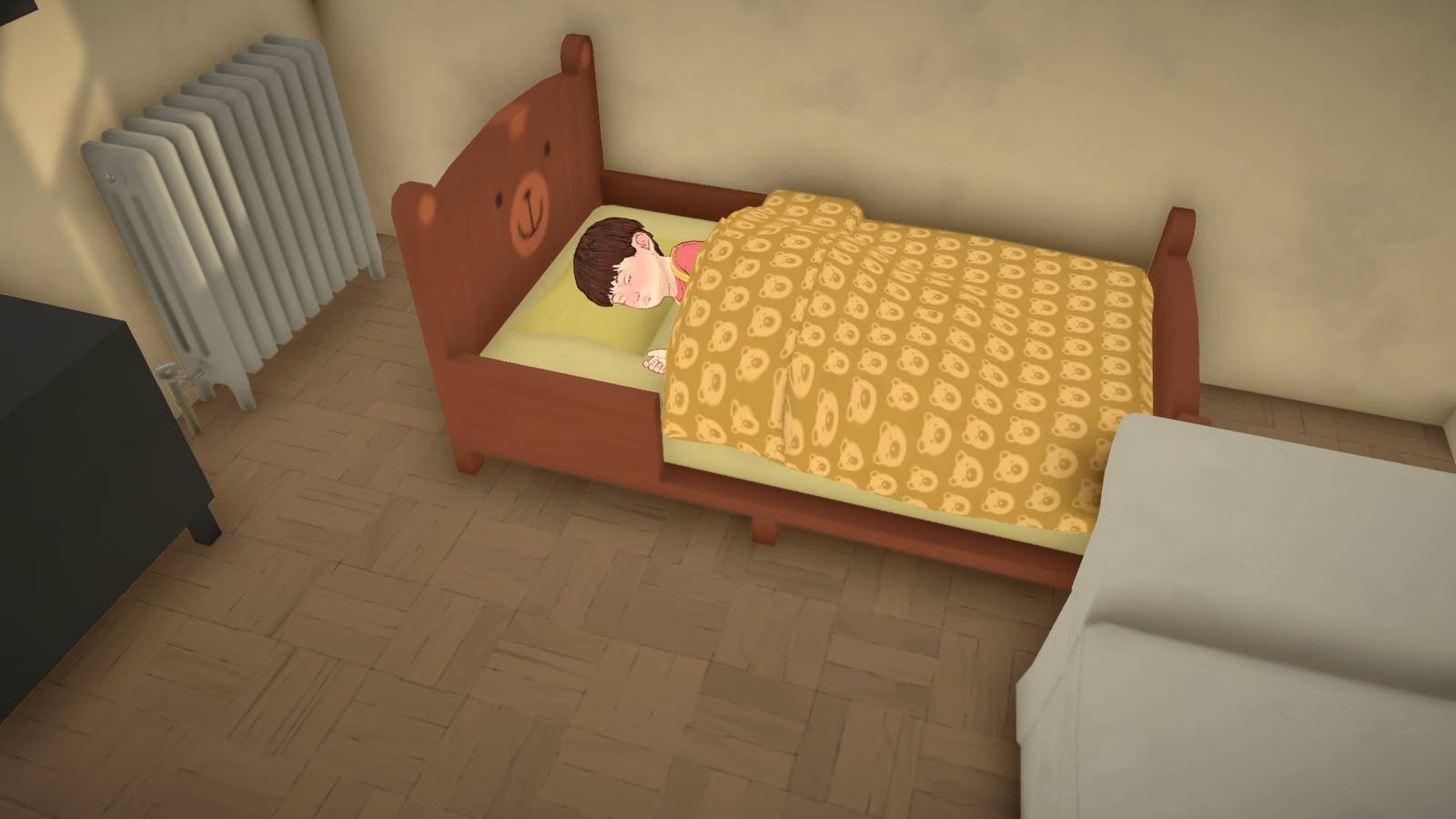
Infants in Paralives, much like in reality, are completely reliant on their caregivers. Their needs are simple but constant, ranging from hunger and hygiene to comfort and sleep. While the game provides dedicated options for addressing most of these, the process can feel disjointed, requiring players to execute specific sequences of actions rather than a single, comprehensive interaction.
Meeting an Infant’s Core Needs: A Step-by-Step Approach
When an infant requires attention, players will need to select the baby and then initiate interactions with specific objects or other Paras. This indirect approach, while a placeholder for now, necessitates a keen understanding of each need’s trigger and resolution.
-
Hunger: The most immediate and frequent need for an infant is hunger. To feed a baby, players must first ensure the baby is not already being held by another Para. Then, the player should select the baby and choose the "Feed" option. This action will automatically prompt an adult Para to prepare and offer a bottle to the infant, satisfying their hunger need. It’s important to note that this is a direct interaction with the baby itself, rather than an interaction with a high chair or feeding station, as might be seen in other life simulation titles.
-
Hygiene: Maintaining an infant’s hygiene is crucial, and in Paralives, this primarily revolves around diaper changes. The game provides a clear visual cue for when a diaper change is necessary: a small green cloud will appear above the infant’s head. When this occurs, players must select the baby and then choose the "Change Diaper" option. Similar to feeding, this interaction is initiated by selecting the infant, and an adult Para will then perform the necessary task. Unlike hunger, there isn’t a separate interaction with a changing table; the action is directly tied to the baby’s needs.
-
Sleep: While infants can self-soothe to some extent once placed in their cribs, initiating sleep often requires direct caregiver intervention. To put a baby to sleep, players must first "Pick Up" the infant. Once the baby is being held, the player can then interact with the crib. This interaction will present the option to "Place Baby in Crib." Once settled, the baby may engage in self-soothing activities like playing with a rattle to drift off to sleep. Interacting with the crib without holding a baby will not offer any sleep-related options, emphasizing the need for the caregiver to physically transport the infant.
-
Comfort and Affection: While not explicitly detailed as a separate "need" in the same vein as hunger or hygiene, ensuring an infant feels safe and loved is implicitly handled through general care. When an adult Para is interacting with a baby, such as during feeding or changing, the baby generally experiences a sense of comfort. As the game progresses and more social interactions are developed, it is expected that direct "cuddle" or "comfort" actions will become available, further enhancing this aspect of infant care.

The current system for infant care, while functional, highlights the Early Access nature of Paralives. The lack of a more integrated, "click-and-play" system for every need means players must be attentive to specific cues and execute multi-step processes. This can lead to moments of frustration, especially when multiple needs arise simultaneously.
The Growing Independence: Navigating Toddlerhood in Paralives
As infants transition into toddlers, they gain a significant degree of independence. This new stage introduces more complex needs and the ability to perform some self-care actions. However, caregivers still play a vital role in ensuring their well-being, particularly in areas of social interaction and specialized care.
Mastering Toddlerhood: Key Needs and Interactions
Toddlers possess a more developed set of needs, and their ability to address some of them independently simplifies caregiving. However, crucial needs like love, hygiene, and hunger still require active parental involvement.
-
Bladder Control and Potty Training: One of the most significant advancements for toddlers is their ability to use a training potty. By interacting with the training potty, toddlers can manage their bladder needs without immediate adult assistance. If a toddler is not placed on the potty in time, they will resort to using their diaper, which will then require a change, mirroring the process for infants. This introduces an element of proactive care, where players can encourage potty use to prevent diaper messes.
-
Sleep Independence: Toddlers can also initiate their own sleep by interacting with their bed. This means that while an adult can tuck them in, they can also manage to fall asleep independently, reducing the direct intervention required for this need compared to infants.
-
Love and Social Needs: The need for "Love" is paramount for toddlers. Unlike other needs that are directly addressed through objects, love is nurtured through social interaction. Regular engagement with a toddler, whether through conversation, play, or simply spending time in their presence, is essential for fulfilling this need. The game emphasizes that quality family time is a core component of a toddler’s emotional well-being.
-
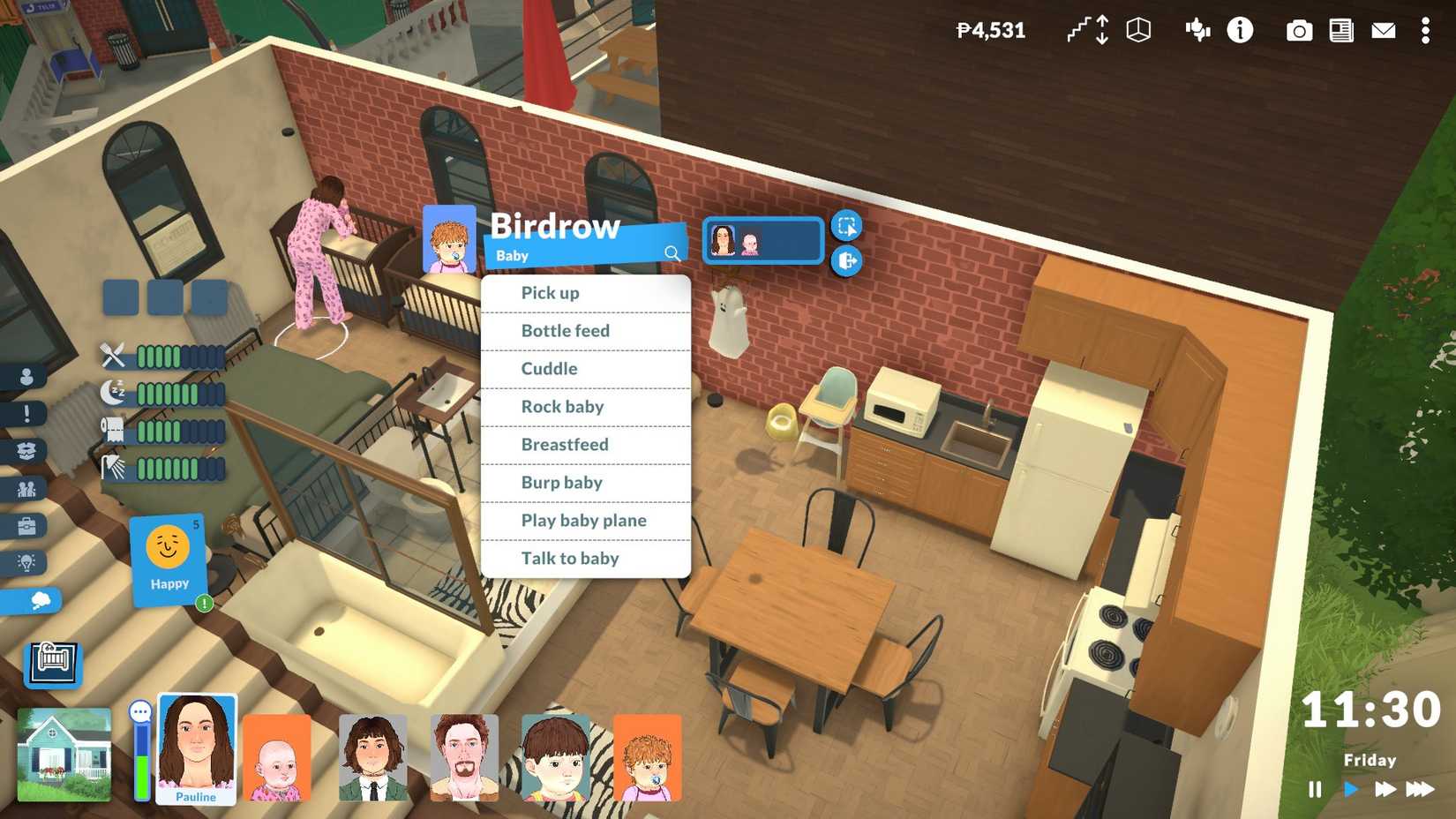
Hygiene and Feeding: The "Pick Up" Requirement: While toddlers can manage their bladder, their hygiene and hunger needs require a specific, and at times, unintuitive approach. In a departure from the more direct interactions seen in some other life sims, players must first "Pick Up" the toddler before they can effectively address their hunger or hygiene needs.
-
Feeding: Once a toddler is being held, players can then select a high chair. Interacting with the high chair while holding the toddler will initiate the feeding process, satisfying their hunger. This multi-step requirement – picking up the toddler, then interacting with the high chair – can be a point of confusion for new players.
-
Bathing: Similarly, for hygiene, players must pick up the toddler and then interact with a bathtub. This interaction will then present the option to bathe the toddler, raising their hygiene need. The necessity of physically holding the toddler before interacting with care objects highlights a current design choice that may be refined in future updates.
-
The comparison to established titles like The Sims is inevitable here. In The Sims, high chairs and bathtubs often allow for direct interaction without the need to pick up the Sim first. Paralives’ current approach, while functional, adds an extra layer of complexity that can feel cumbersome. The visual feedback for these needs, such as the green cloud for diaper changes, is helpful, but the underlying interaction mechanics are where the current friction lies.

Early Access Realities and Future Expectations
It is crucial to remember that Paralives is in Early Access. This means that the current state of the game is a snapshot of its ongoing development, and many features are subject to change and improvement. The less streamlined nature of infant and toddler care is a common characteristic of games in this phase, where core functionality is prioritized before extensive polish.
The developers at Paralives Studio have consistently communicated their commitment to community feedback. It is highly probable that the interactions for caring for the youngest Paras will undergo significant refinement as the game matures. Players can anticipate:
- Streamlined Interaction Flows: The current multi-step processes for feeding and bathing toddlers are likely candidates for simplification. Future updates might introduce direct interactions with high chairs and bathtubs, or a more intuitive context-sensitive menu system.
- Enhanced Visual and Auditory Cues: While current cues are helpful, further development could introduce more nuanced visual and auditory feedback to signal a Para’s needs, making it easier for players to respond promptly.
- Expanded Social Interactions: As the game’s social simulation deepens, it’s expected that more specific "comfort" or "affection" interactions will be available for infants and toddlers, contributing to their overall happiness and well-being.
- Bug Fixes and Performance Improvements: Early Access games are prone to glitches. Players should expect ongoing updates to address bugs and improve the overall performance and stability of the game, which can indirectly affect the seamlessness of gameplay mechanics.
The journey of Paralives is just beginning, and the Early Access period is an integral part of its evolution. While the current methods for caring for infants and toddlers may present a learning curve, they also offer a glimpse into the foundational systems that will eventually blossom into a rich and engaging life simulation experience. Players who are willing to embrace the imperfections of Early Access will undoubtedly find a rewarding experience as they contribute to shaping the future of this promising title.
Conclusion: A Promising Start, A Hope for Refinement
Paralives’ Early Access launch has provided a valuable opportunity for players to engage with a world brimming with potential. The current mechanics for infant and toddler care, while not without their quirks, demonstrate a clear intent to simulate the responsibilities of raising young families. The reliance on direct interaction with the babies and toddlers themselves, and the somewhat convoluted steps for feeding and bathing toddlers, highlight areas ripe for improvement.
As Paralives continues its development journey, the anticipation is high for a more polished and intuitive system for managing the youngest members of our Para households. The commitment to community feedback suggests that these gameplay elements will be refined, ensuring that the joys of raising virtual families are as seamless and rewarding as possible. For now, players are encouraged to adapt to the current mechanics, understanding that each interaction, however clunky, is a step towards the fully realized vision of Paralives. The foundation is laid, and the future promises a more elegant and engaging experience for all.












No comments yet. Be the first to join the conversation!