

By [Your Name/Journalistic Desk]
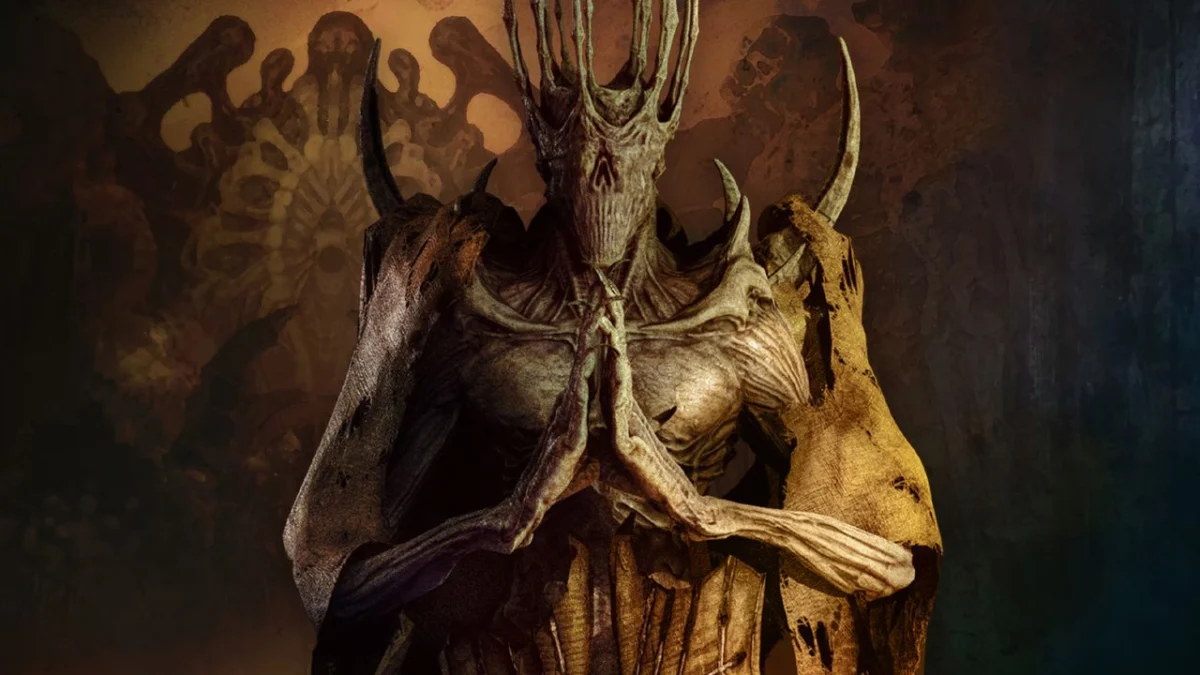
In the vast, often saturated landscape of modern horror gaming, developers are constantly seeking new ways to unnerve the player. While the industry is frequently dominated by jump-scares and relentless, axe-wielding antagonists, Necrophosis: Full Consciousness—the latest title from Greek developer Dragonis Games—opts for a different, more chilling approach. It aims to unsettle rather than merely startle, presenting a world of surrealist nightmare-scapes that linger in the psyche long after the console is turned off.
However, as is often the case with high-concept indie titles, the execution of the gameplay loop creates a friction between the game’s breathtaking aesthetic ambitions and its functional shortcomings.
Main Facts: A Descent into Cosmic Decay
Necrophosis is a first-person, atmospheric horror-adventure that plunges players into a universe existing billions of years after the literal death of existence. Published by PQube Ltd, the game serves as a testament to the power of Unreal Engine 5, utilizing high-fidelity environmental design to craft a world of decay and biological horror.
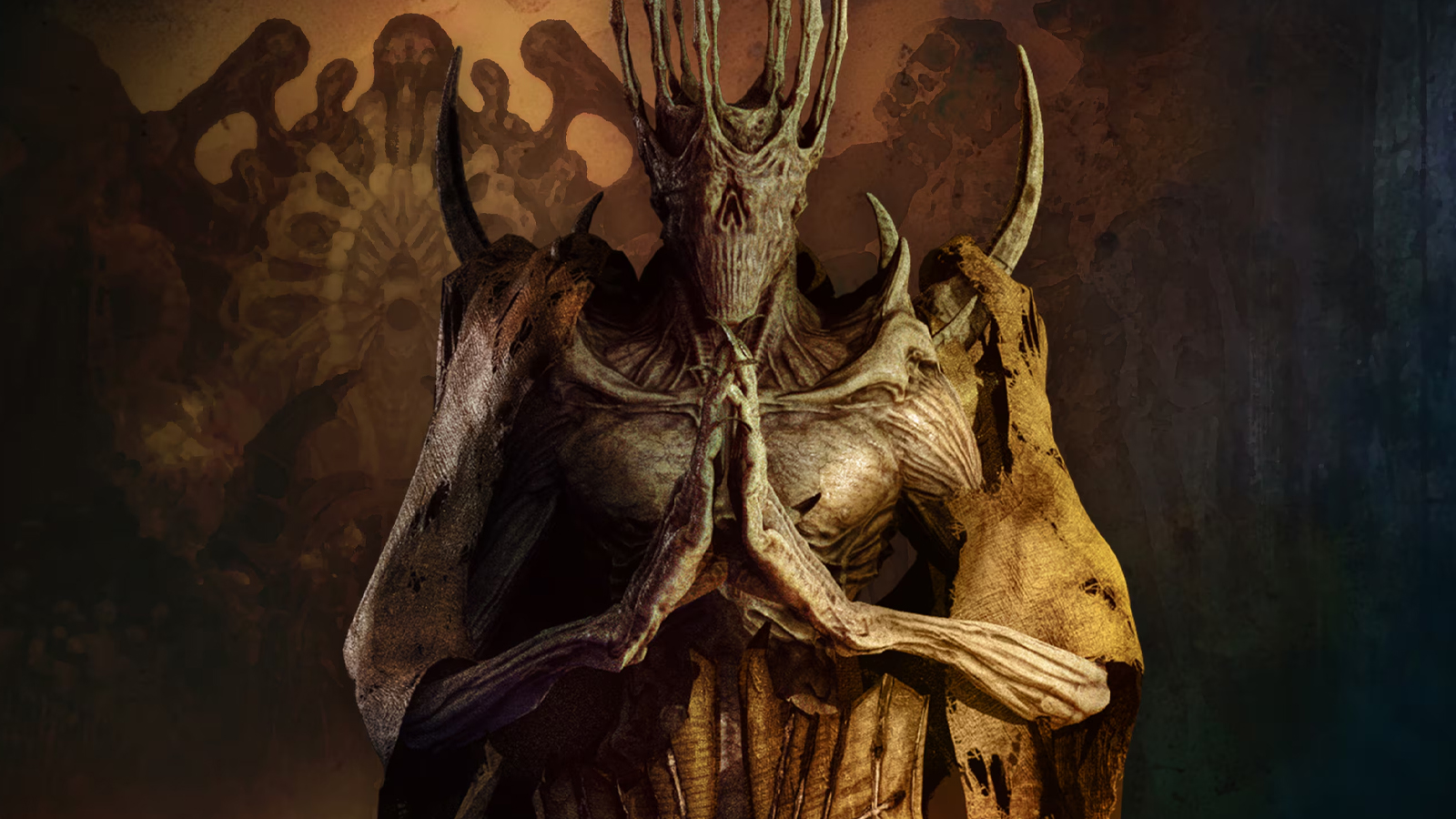
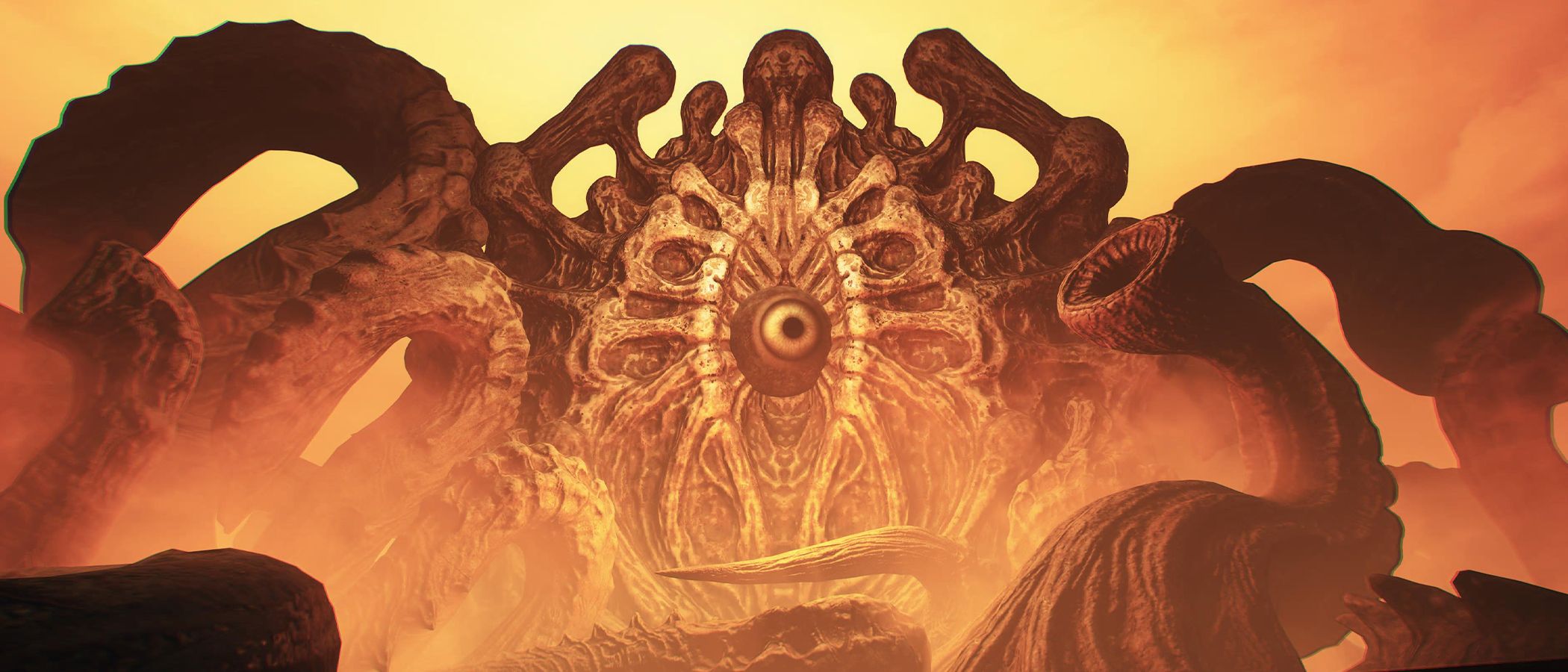
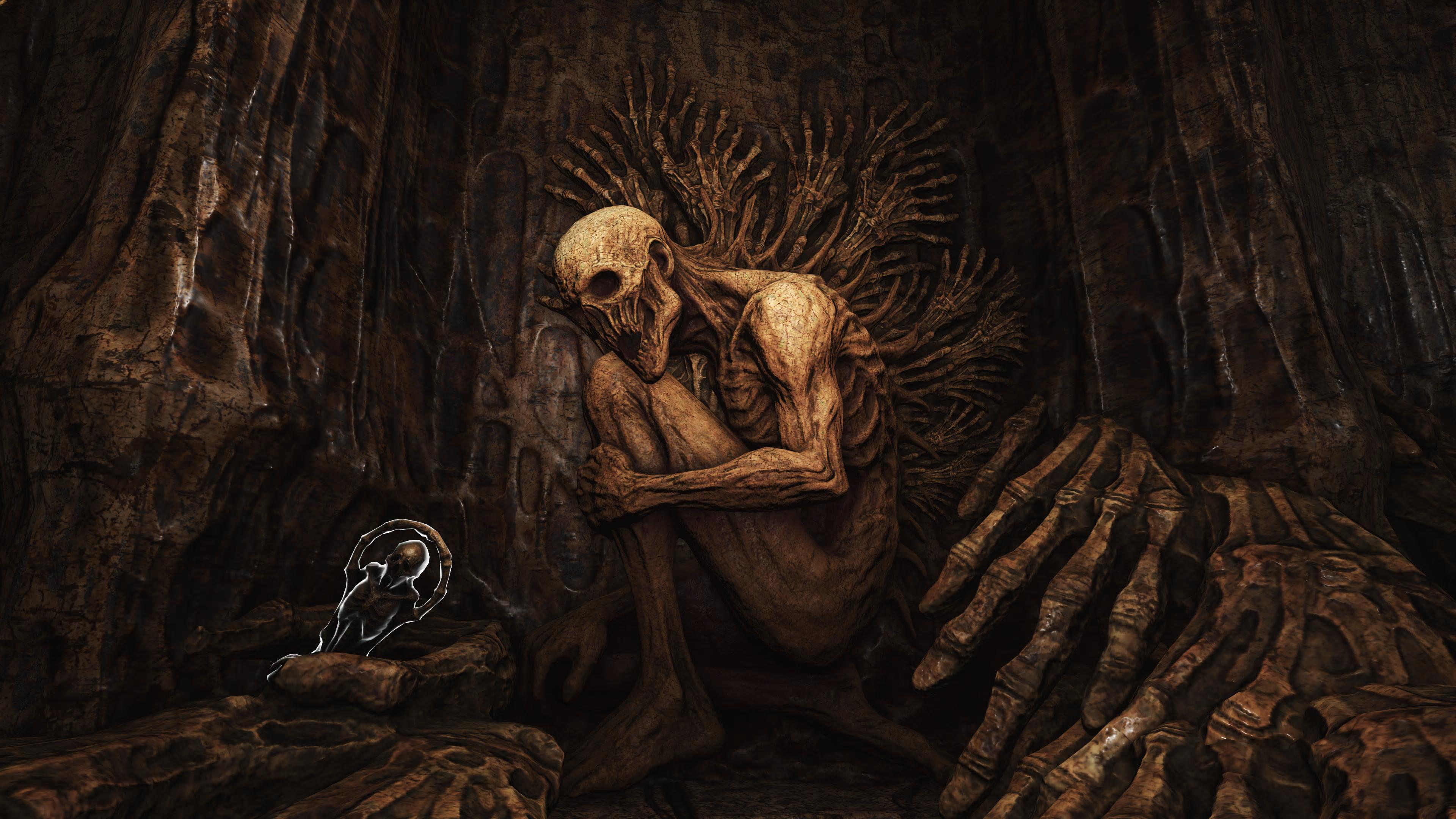
Released on May 28, 2026, for PlayStation 5, Xbox Series X/S, and PC, the game is a clear love letter to the masters of surrealism. Its visual DNA is heavily influenced by the biomechanical terror of H.R. Giger and the haunting, apocalyptic visions of Zdzisław Beksiński. Players navigate this dying cosmos, piecing together the story through cryptic fragments of poetry and environmental storytelling. The central experience is one of exploration, where the "horror" is found in the architecture itself: cities built from bones, temples fused with human husks, and colossal faces carved into monolithic blocks of flesh and stone.
The Chronology of Development and Inspiration
Dragonis Games is no stranger to the genre. Their previous work, The Shore, established their interest in Lovecraftian themes, but Necrophosis feels like the studio’s most concentrated effort to date. It is a refinement of their artistic philosophy, where the environment is not just a backdrop but a primary character.
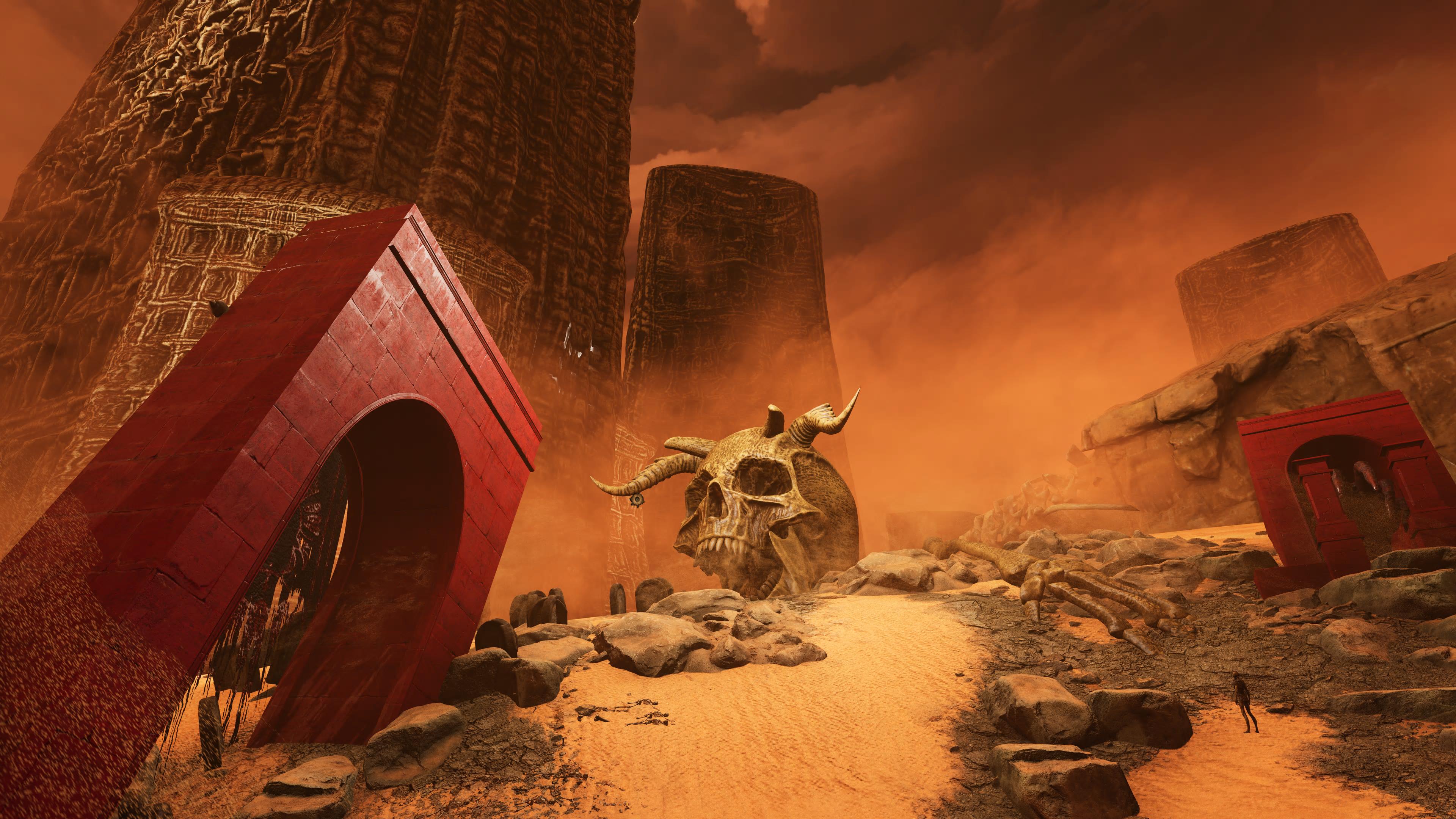
The development cycle of the game appears to have been focused heavily on the visual pipeline. By leveraging the advanced lighting and geometry capabilities of Unreal Engine 5, the team has managed to create some of the most distinct, grotesque visuals in recent gaming memory. The "chronology" of the player’s experience is defined by these shifts in atmosphere; as the player progresses, the landscapes move from simple, desolate ruins to increasingly complex, impossible structures that challenge the viewer’s perception of spatial logic.
Supporting Data: The Artistic Dichotomy
The strength of Necrophosis lies in its visual commitment. The design is "game-coded," meaning the puzzles are integrated directly into the horrific anatomy of the world.
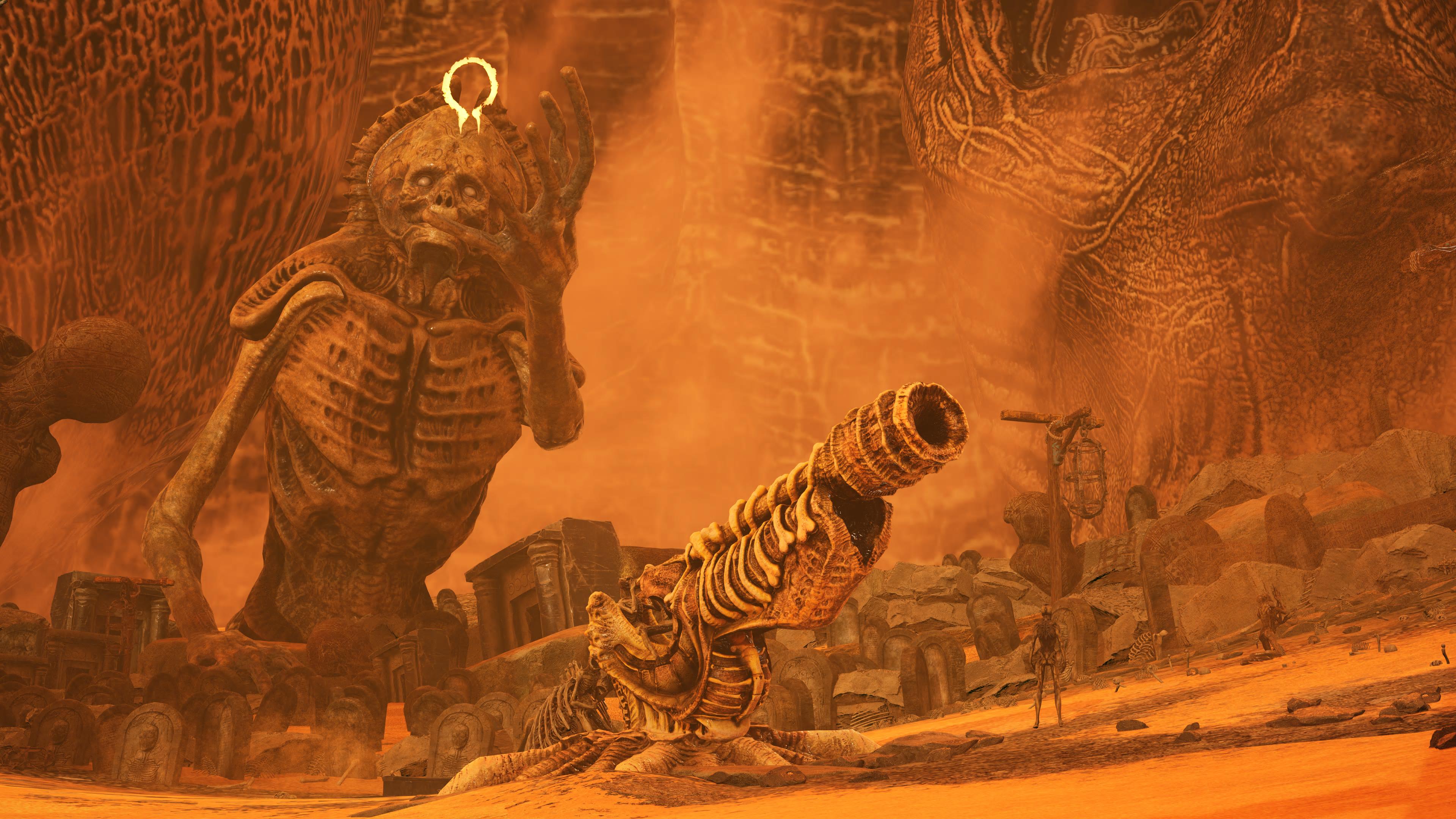
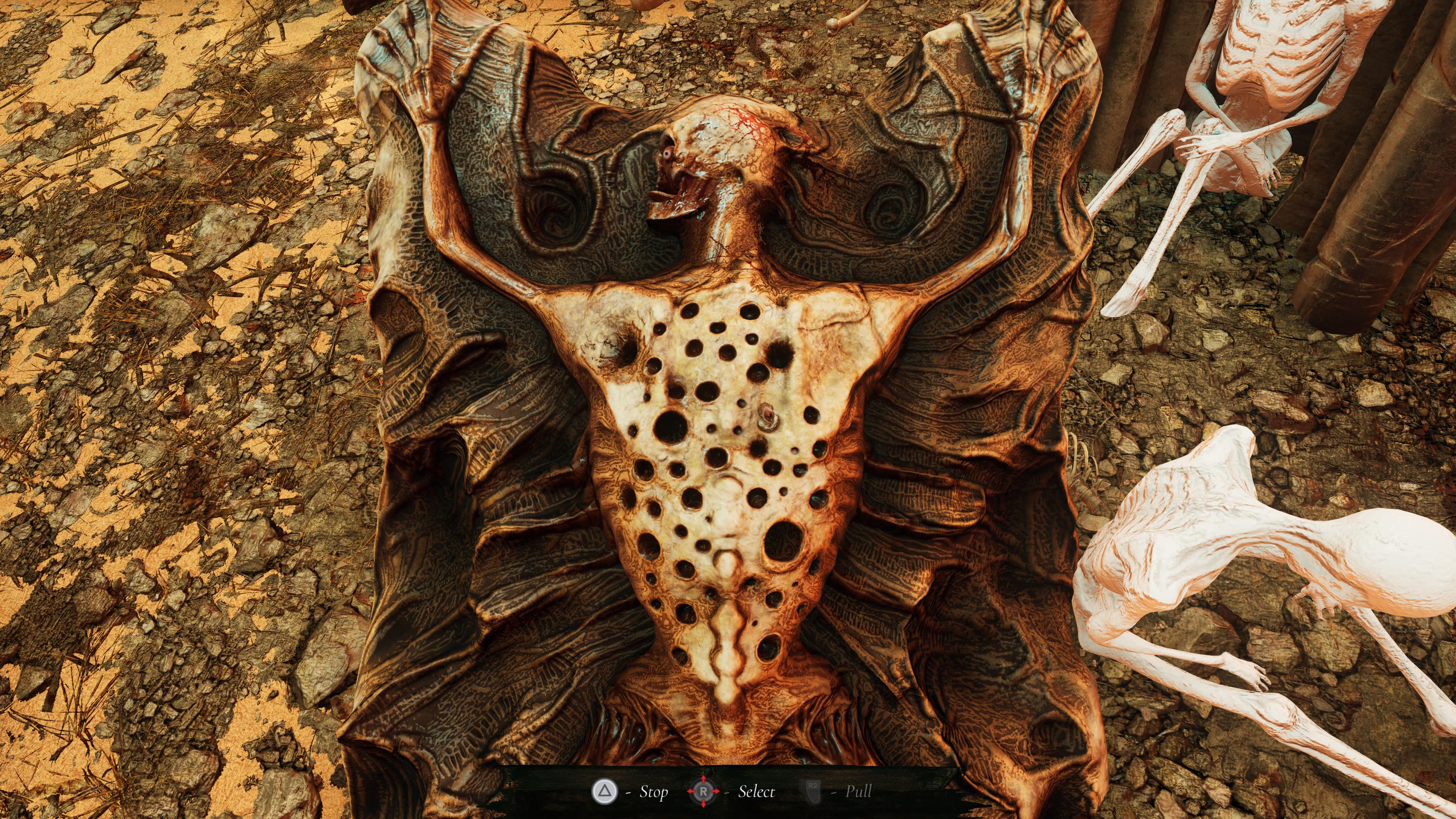
- Environmental Integration: Unlike games that rely on generic keys or switches, progression in Necrophosis requires interacting with the environment in deeply uncomfortable ways. Players might find a necessary item inside the hollowed-out cavity of a giant, statuesque creature, or be tasked with "birthing" a soul from a wall of flesh to open a door.
- The "Ick" Factor: The game utilizes visceral, biological elements—such as a puzzle involving the removal of maggots from a corpse—to maintain a high level of tension. These moments are brief but serve as a masterclass in using discomfort to sustain engagement.
- Technical Performance: On the PlayStation 5, the game maintains a consistent aesthetic presentation, with the lighting engine handling the shifting, often murky palettes of a post-universal decay with ease.
Despite these artistic triumphs, the game’s mechanical depth is its greatest weakness. The gameplay is essentially a "walking simulator" with light puzzle-solving elements. Most tasks devolve into a repetitive cycle of "collecting an object and placing it into another object." After the initial shock of the visual design wears off, the gameplay can feel thin, bordering on monotonous.
Official Responses and Creative Direction
In discussions regarding the game’s design, the developers at Dragonis Games have emphasized that Necrophosis is intended to be an experience of "existential unease." They have leaned heavily into the ambiguity of their world-building. For the player, this means that while the game is visually stunning, it is also deliberately obtuse.
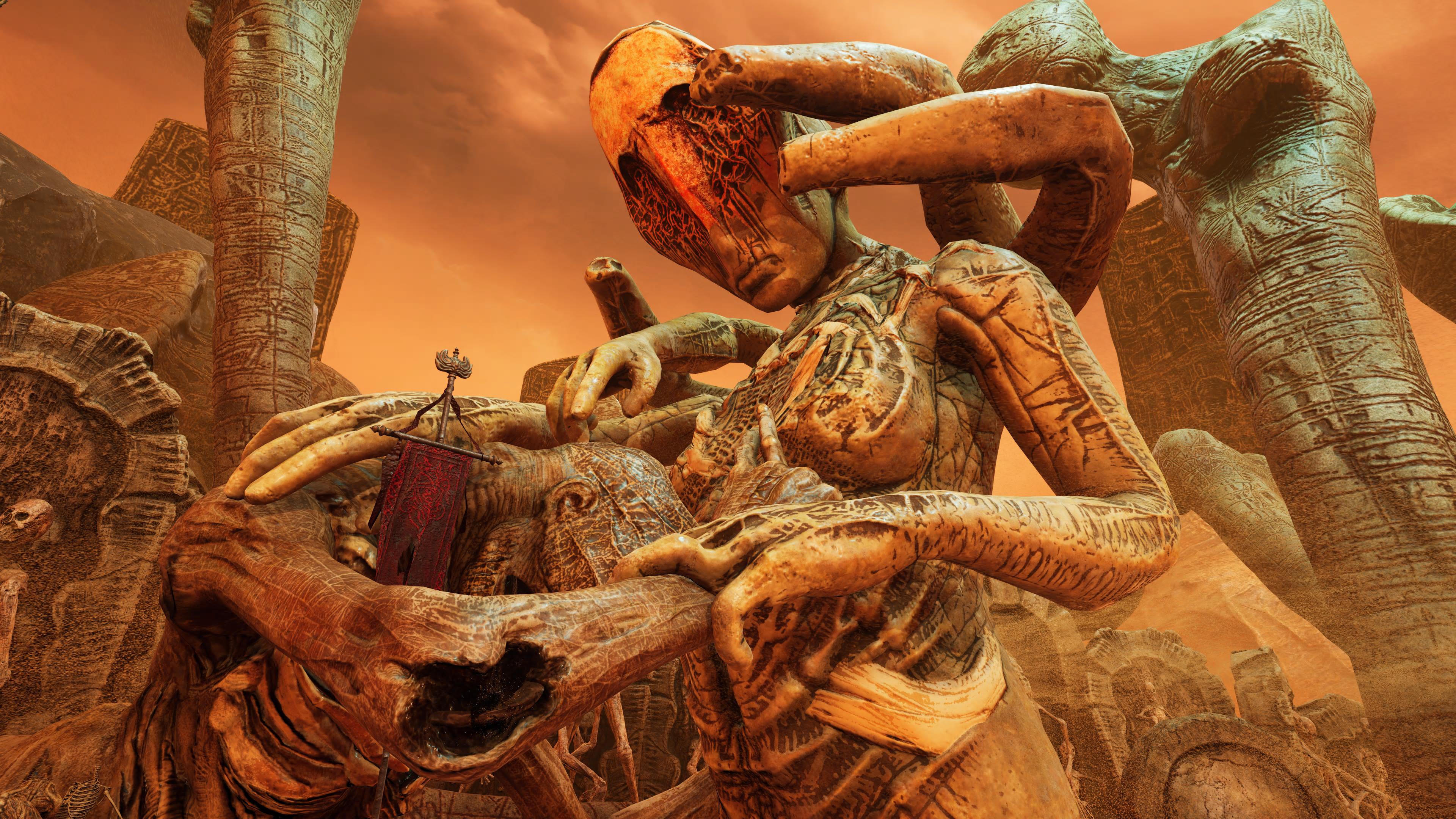
The studio’s decision to avoid explicit hand-holding or conventional narrative beats is a double-edged sword. While it succeeds in preserving the mystery—the "real" puzzle being the nature of the universe itself—it risks alienating players who require more traditional feedback loops. There is a palpable sense that the developers were more interested in the presentation of the nightmare than in the interaction with it.
Implications: The Future of Surrealist Horror
Necrophosis serves as a poignant case study for the current state of independent horror. It highlights a growing trend: the "Art-First" approach. As engine technology like Unreal Engine 5 becomes more accessible, smaller teams are capable of producing visuals that rival AAA studios. The implication is that we are entering a golden age of "visual-novel-style" horror, where the primary objective is to transport the player to a unique, disturbing place rather than to provide a challenging, competitive, or mechanically dense experience.
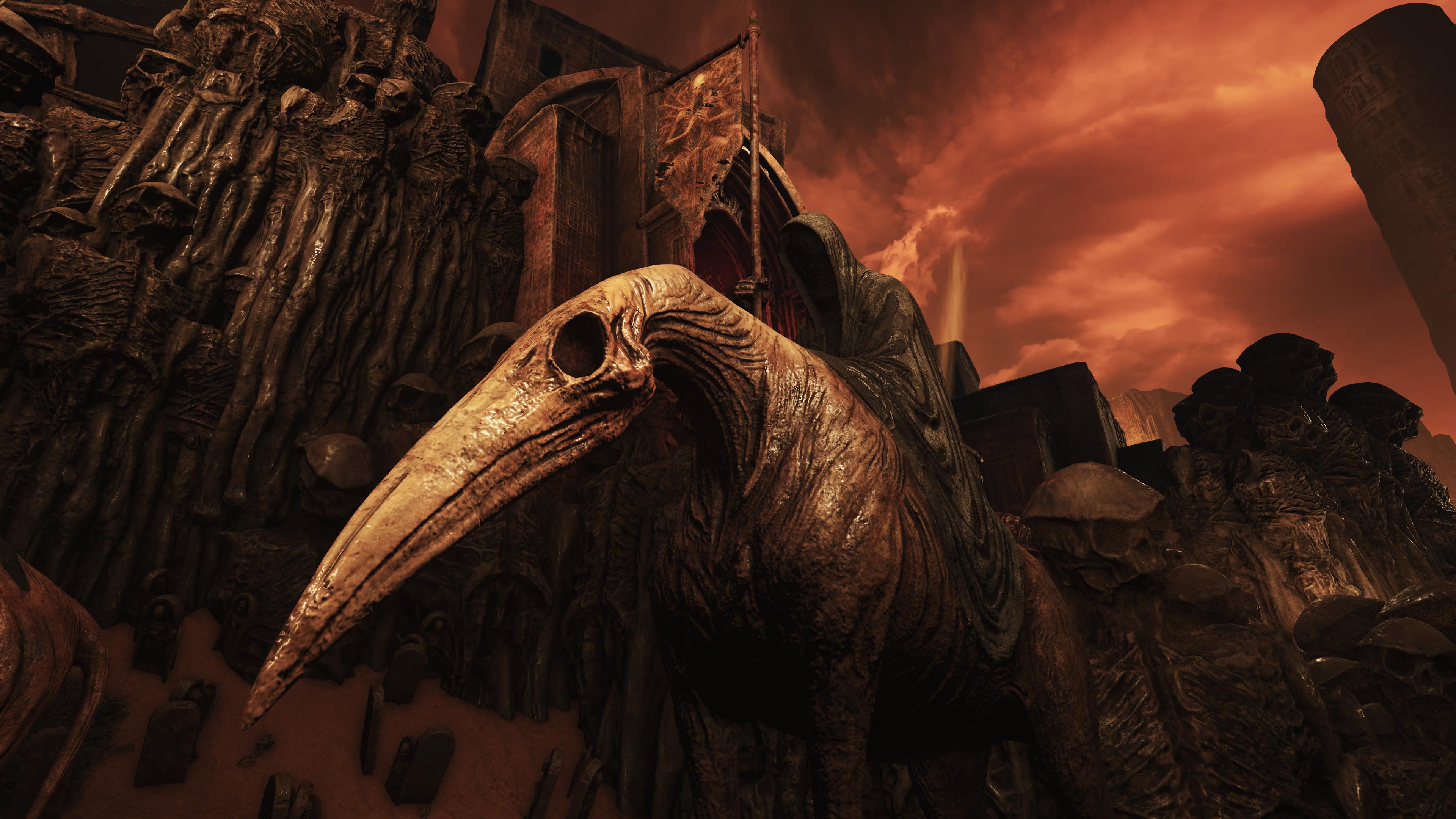
However, the game also serves as a warning. Atmosphere, no matter how thick or beautifully rendered, can only carry a game so far. The repetitive nature of the puzzles in Necrophosis suggests that for this genre to evolve, developers must find ways to make the act of playing as engaging as the act of looking. When the mechanics are simple, the story and the pacing must be tight. In Necrophosis, the storytelling occasionally disappears too far into abstraction, causing the player to lose the emotional thread of their journey.
Verdict: A Flawed, Yet Essential Experience
Is Necrophosis worth playing? For fans of Giger-esque surrealism and those who appreciate "walking simulators" that prioritize mood over challenge, the answer is a resounding yes. It is an unforgettable visual journey that captures the feeling of a waking nightmare.
However, those seeking deep, complex puzzle mechanics will likely find themselves frustrated. The game is short—clocking in at roughly four to five hours—which actually works in its favor, preventing the repetition from becoming truly unbearable.
Final Thoughts:
Necrophosis is a game that is difficult to recommend based on its gameplay, but easy to recommend based on its artistry. It is a bold, uncompromising, and deeply strange experiment in horror. It does not chase you with an axe; it invites you to stare into the abyss, and for the most part, the abyss is well worth looking at. It remains a title that will be remembered for its imagery, proving that sometimes, the most effective horror isn’t found in what kills you, but in what the world—and the souls within it—are forced to endure in silence.
As the industry continues to push the boundaries of what is possible with new rendering technologies, titles like Necrophosis will likely become the benchmark for how digital art can evoke profound existential dread. Despite its rougher edges, the game’s commitment to its dark, surreal vision is a triumph of artistic identity, ensuring it will hold a place in the pantheon of indie horror for years to come.









No comments yet. Be the first to join the conversation!