

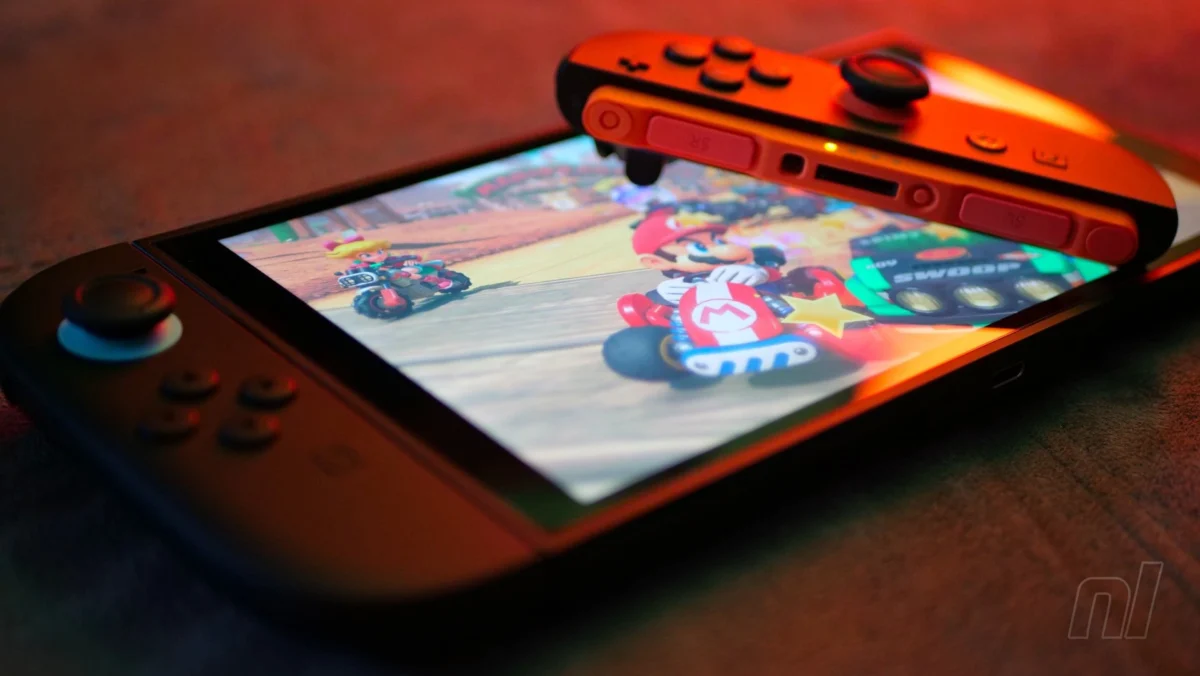
Tokyo, Japan – [Insert Date] – The first week of Nintendo’s price adjustments for its Switch consoles in Japan has sent shockwaves through the Japanese gaming market, with hardware sales experiencing a dramatic and precipitous decline. Data released by Famitsu reveals a significant drop-off in console unit sales across all Switch models, a stark contrast to the preceding weeks which were characterized by a surge in "pre-price-rise panic buying." Despite the overall downturn, the evergreen title Tomodachi Life: Living the Dream continues to defy the trend, dominating software sales and holding firm at the top of the charts.
The Immediate Aftermath: A Steep Decline in Hardware Sales
The impact of the price increase, which took effect on May 25th, is undeniably evident in the latest hardware sales figures. The flagship Nintendo Switch 2, which had previously enjoyed immense popularity, saw its unit sales plummet from a peak of 247,880 units in the prior week to a mere 31,751 units in the first week of the price hike. While this figure was still sufficient to secure the top spot in the console rankings, the sheer magnitude of the decrease signals a significant consumer recalibration.
Even more dramatic was the performance of the standard Nintendo Switch, often referred to as Switch 1. This model, once a consistent seller, has fallen out of the thousands entirely, managing to shift only 229 units. This figure is particularly striking as it places the venerable Switch model behind the Xbox Series X, a console that has historically struggled to gain significant traction in the Japanese market. The Switch Lite and Switch OLED models also experienced substantial drops, with sales figures considerably lower than in previous reporting periods.
This widespread decline across Nintendo’s hardware offerings suggests that the price adjustments, coupled with the anticipation of these changes, have had a profound effect on consumer purchasing decisions. The period leading up to the price hike appears to have been a final push for many, eager to acquire the consoles before the increased cost came into effect.
Software Sales: A Tale of Two Trends
While hardware has taken a significant hit, the software charts present a more nuanced picture. Tomodachi Life: Living the Dream has once again proven its enduring appeal, selling an impressive 52,483 units in the past week. This remarkable performance not only kept it at the pinnacle of the software sales charts but also managed to outsell the newly released PlayStation 5 title, 007 First Light, which debuted in second place with 20,690 units sold.
The success of Tomodachi Life is a testament to its unique gameplay loop and dedicated fanbase. The life simulation game, which allows players to create and interact with quirky virtual characters, has consistently performed well since its release, demonstrating a strong and sustained consumer interest that appears to be largely unaffected by broader market shifts.
Beyond the top spot, the charts saw the debut of several new titles. AQUAPLUS’s JRPG, Utawarerumono: Past and Present Rediscovered, made a notable entrance, appearing in both fifth and ninth positions with its PlayStation 5 and Switch 2 versions, respectively. The game sold 6,225 units on PS5 and 2,863 units on Switch 2. Another new entrant was Demon Kill Demon: Yomi 1985, which secured the seventh position on the charts with 3,719 units sold on the standard Switch.
Other notable software performances included Pokémon Pokopia on the Switch 2, which sold 14,122 units, and Yoshi and the Mysterious Book, also on the Switch 2, which garnered 12,701 sales. Long-standing bestsellers like Mario Kart World (Switch 2) and Minecraft (Switch) continued to maintain a presence, albeit with lower unit sales compared to the top performers.
A Chronology of Market Dynamics: Pre-Hike Boom to Post-Hike Bust
The current sales figures represent a dramatic reversal of fortunes when viewed in the context of the preceding weeks. The period leading up to the price increase on May 25th was characterized by a significant surge in Switch hardware sales. Consumers, anticipating the impending price hike, rushed to purchase consoles, leading to exceptionally high unit sales. This "panic buying" phenomenon artificially inflated the numbers, creating a false sense of continued momentum.
Following the implementation of the price adjustments, the market has experienced a swift and substantial correction. The data from May 25th to May 31st clearly illustrates the immediate impact of this shift. The sharp decline in Switch console sales is a direct consequence of this normalization after the pre-hike buying frenzy.
Supporting Data: A Detailed Look at the Numbers
Software Sales (May 25th – May 31st):
| Position | Game | Platform | Unit Sales (25th – 31st May) | Total Unit Sales |
|---|---|---|---|---|
| 1 | Tomodachi Life: Living the Dream | Switch | 52,483 | 1,259,031 |
| 2 | 007 First Light | PS5 | 20,690 | NEW |
| 3 | Pokémon Pokopia | Switch 2 | 14,122 | 1,038,407 |
| 4 | Yoshi and the Mysterious Book | Switch 2 | 12,701 | 52,362 |
| 5 | Utawarerumono: Past and Present Rediscovered | PS5 | 6,225 | NEW |
| 6 | Mario Kart World | Switch 2 | 5,865 | 2,958,073 |
| 7 | Demon Kill Demon: Yomi 1985 | Switch | 3,719 | NEW |
| 8 | Minecraft | Switch | 3,480 | 4,214,562 |
| 9 | Utawarerumono: Past and Present Rediscovered | Switch 2 | 2,863 | NEW |
| 10 | Super Mario Party Jamboree – Switch 2 Edition | Switch 2 | 2,858 | 202,741 |
Hardware Sales (May 25th – May 31st):
| Position | Console | Unit Sales (25th – 31st May) | Lifetime Unit Sales |
|---|---|---|---|
| 1 | Switch 2 | 31,751 | 5,865,213 |
| 2 | PlayStation 5 Digital Edition | 6,527 | 1,302,820 |
| 3 | Switch OLED | 4,162 | 9,585,830 |
| 4 | Switch Lite | 1,810 | 6,972,953 |
| 5 | PlayStation 5 Pro | 1,479 | 360,308 |
| 6 | Xbox Series X Digital Edition | 408 | 31,544 |
| 7 | PlayStation 5 | 367 | 5,919,834 |
| 8 | Xbox Series X | 304 | 327,214 |
| 9 | Switch | 299 | 20,300,305 |
| 10 | Xbox Series S | 123 | 342,219 |
The hardware chart breakdown further emphasizes the dominance of the PlayStation 5 in terms of combined unit sales for the week. The PS5, across its various models, accounted for 8,373 units sold. In contrast, the three Switch 1 models (standard Switch, OLED, and Lite) collectively sold 6,271 units, a figure significantly lower than the PS5’s total. This highlights a broader market trend where the PlayStation 5 is capturing a larger share of the hardware market in Japan, at least for this particular reporting period.
Official Responses and Industry Analysis
While no direct official statements from Nintendo regarding these specific sales figures have been released at the time of this report, the company’s prior announcement of the price increases cited factors such as evolving exchange rates and the overall economic climate as drivers for the adjustments. Industry analysts, however, are closely scrutinizing these numbers.
"The dramatic drop in Switch hardware sales in Japan following the price hike was largely anticipated," commented [Analyst Name], a senior gaming industry analyst at [Firm Name]. "We saw a similar pattern in other regions when prices were adjusted. The key question now is whether this is a temporary dip as the market adjusts, or if it signifies a more fundamental shift in consumer willingness to purchase Nintendo hardware at the new price points. The continued strength of Tomodachi Life is a fascinating anomaly, suggesting that loyal fanbases can remain resilient even in the face of broader market challenges."
The data also suggests a potential shift in platform preference within Japan. While the Nintendo Switch has enjoyed unparalleled dominance for years, the increased sales figures for the PlayStation 5, particularly when aggregated across its models, indicate a growing presence for Sony’s console. The Xbox Series X and S, while still trailing significantly, also appear to be holding their own in the post-price-hike landscape, especially when compared to the drastically reduced sales of the standard Switch.
Implications for the Future of Gaming in Japan
The implications of these sales figures are far-reaching for the Japanese gaming market. The substantial decline in Switch hardware sales raises questions about Nintendo’s future pricing strategies and its ability to maintain its near-monopoly on the console market in Japan. While the Switch 2 remains the best-selling console, its significant drop in sales indicates that even its robust popularity is not immune to price sensitivity.
The resilience of Tomodachi Life underscores the importance of evergreen titles and strong intellectual property. Games with established fanbases and unique gameplay experiences can often weather market fluctuations more effectively than new releases. This could encourage developers and publishers to focus on cultivating and supporting long-term franchises.
Furthermore, the performance of the PlayStation 5, particularly its combined sales strength, suggests that the console gaming landscape in Japan may be becoming more competitive. As the generation progresses, consumers may be increasingly weighing their options between the various platforms, and price is undoubtedly a significant factor in these decisions.
The coming weeks and months will be crucial in determining whether this sharp decline in Switch sales is a temporary recalibration or a more sustained trend. Nintendo’s ability to adapt its strategies, potentially through software releases, promotional activities, or even future hardware revisions, will be key to navigating this evolving market. For now, the Japanese gaming charts paint a clear picture: the era of unchecked Switch dominance has been challenged, and the market is responding accordingly to the new economic realities.












No comments yet. Be the first to join the conversation!