Reynand Wu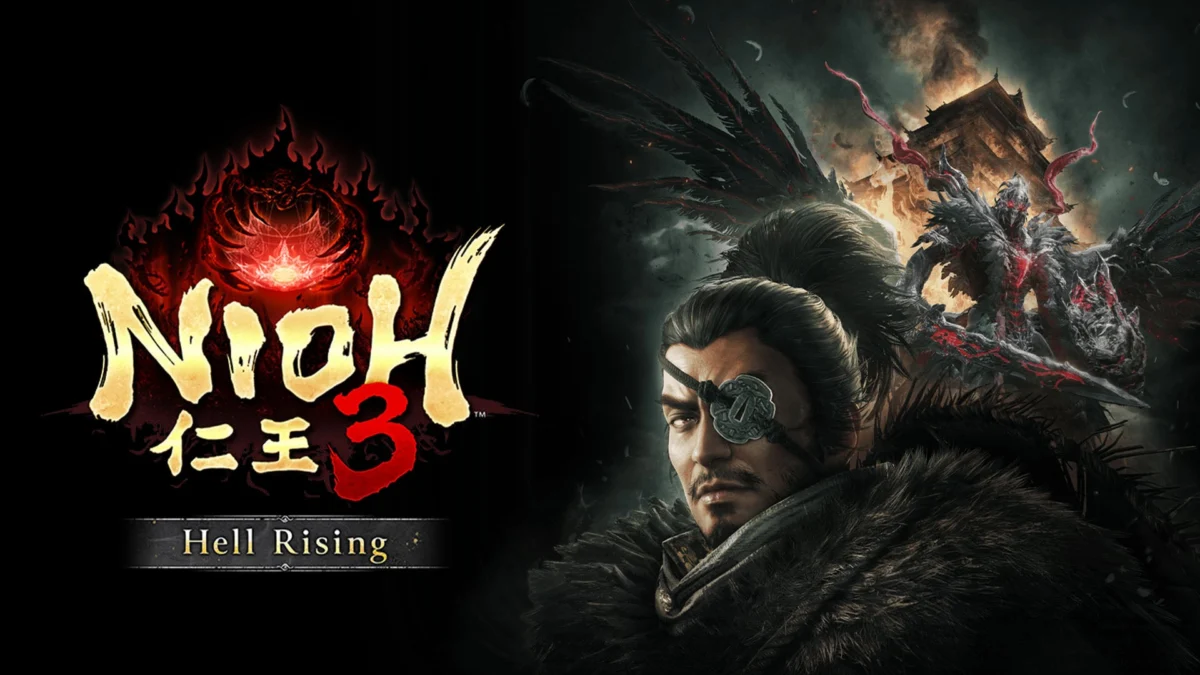
TOKYO, Japan – Fans of Team NINJA’s critically acclaimed action-RPG, Nioh 3, are gearing up for a fresh descent into a yokai-infested Japan, albeit one drastically altered by the passage of time. Publisher Koei Tecmo and developer Team NINJA have officially announced that "Hell Rising," the first major downloadable content (DLC) expansion for Nioh 3, will launch globally on August 19. This highly anticipated addition promises to transport players to a ravaged "Future Edo," introducing new narrative twists, formidable challenges, and innovative gameplay mechanics designed to test even the most seasoned samurai.
The announcement was accompanied by a "First Look" trailer, offering a tantalizing glimpse into the DLC’s dark futuristic setting and the new threats that await protagonist Takechiyo. "Hell Rising" is included as part of the game’s Season Pass, which also guarantees access to the forthcoming second DLC, "Bloody Insurrection," signaling Team NINJA’s commitment to a robust post-launch content roadmap for their challenging title.
Main Facts: Nioh 3’s "Hell Rising" DLC Unleashes Future Edo’s Yokai Threat on August 19
The core revelation centers on the imminent arrival of "Hell Rising," a narrative and gameplay expansion that pushes the boundaries of the established Nioh universe. Developed by the renowned Team NINJA, known for their demanding yet rewarding action games, and published by Koei Tecmo, this DLC aims to deepen the rich lore of Nioh 3 while injecting fresh vigor into its combat-centric experience.
Immediate Release Details
"Hell Rising" is slated for release on August 19. This date positions the DLC to provide a significant mid-to-late summer content injection for the Nioh 3 player base. The expansion will be available for players on PlayStation 5 and PC via Steam, the platforms on which the base game is currently accessible. The immediate availability of the "First Look" trailer across both English and Japanese channels underscores the global focus of this release, ensuring that the diverse international player community can engage with the new content simultaneously. The announcement on Team NINJA’s official Nioh 3 DLC page provided the definitive confirmation, setting the stage for eager players to mark their calendars.
The Looming Shadow of the Season Pass
For those who invested in the Nioh 3 Season Pass, "Hell Rising" represents the first substantial return on that commitment. The Season Pass strategy is a common approach in modern gaming, designed to offer players a comprehensive package of future content at a potentially discounted rate compared to purchasing individual expansions. The inclusion of "Bloody Insurrection" as the second upcoming DLC within the same pass indicates a planned arc of post-launch narratives and challenges, ensuring sustained engagement for players over several months. This structured release schedule allows Team NINJA to build anticipation and maintain a vibrant community around Nioh 3, continuously offering new reasons for players to hone their skills and delve deeper into its intricate world. The value proposition of the Season Pass is further solidified by the promise of two significant content drops, suggesting a substantial expansion of the game’s overall playtime and narrative scope.
Chronology: A New Chapter in the Saga of Takechiyo and the Spirit Stones
The narrative of "Hell Rising" promises a dramatic departure from the familiar historical settings of Nioh 3, propelling protagonist Takechiyo into an unfamiliar and treacherous future. This temporal displacement introduces a fascinating layer of intrigue and offers Team NINJA an opportunity to blend their signature historical fantasy with elements of speculative fiction.
The Journey to Future Edo
The central premise of "Hell Rising" revolves around Takechiyo, the appointed shogun, being mysteriously drawn into "Future Edo" by an enigmatic yokai encountered in his dreams. This narrative device immediately sets a mysterious tone, hinting at forces beyond human comprehension manipulating the flow of time and destiny. The state of Future Edo is grim: the era of peace has concluded, Takechiyo’s future self has perished, and the city has fallen under the oppressive grip of the "Crucible." This concept of a future Edo, devastated and overrun by supernatural entities, provides a stark contrast to the historical settings Nioh players are accustomed to, suggesting new environmental aesthetics and enemy designs that reflect this dystopian future. The Crucible, though vaguely defined, likely represents a new, overarching antagonistic force or a heightened state of yokai proliferation, pushing the world further into chaos. The death of future Takechiyo presents a significant personal stakes for our protagonist, forcing him to confront the potential consequences of his own path and perhaps even alter the course of history. This temporal paradox and the unknown yokai’s guidance introduce complex philosophical undertones, questioning fate, free will, and the cyclical nature of conflict that defines the Nioh universe.
Alliances Forged Against a Common Foe
To navigate the perils of Future Edo, Takechiyo will not be alone. The DLC introduces two pivotal allies: Yagyu Jubei, a one-eyed swordsman, and Rodrigo, a Spanish envoy. The inclusion of these characters immediately resonates with the historical tapestry that Nioh intricately weaves. Yagyu Jubei, a legendary figure in Japanese history, is renowned as one of the most famous samurai and a master swordsman of the early Edo period. His portrayal as a "one-eyed swordsman" immediately brings to mind the historical accounts of his father, Yagyu Munenori, and the various legends surrounding the family’s martial prowess. In the Nioh universe, such figures are often depicted with enhanced abilities or connections to the supernatural, making Jubei a formidable companion.
Rodrigo, the Spanish envoy, continues Nioh‘s tradition of incorporating foreign influences and characters into its narrative. The historical presence of European traders and missionaries in Sengoku and Edo Japan was significant, and Nioh has consistently used these interactions as a source of plot points and character development. Rodrigo’s involvement suggests a broader, perhaps international, dimension to the conflict in Future Edo, potentially hinting at the global implications of the Spirit Stone crisis or the Crucible’s influence. These alliances are crucial, not only for the narrative progression but also for potentially introducing new combat styles, co-op mechanics, or strategic options in battles, mirroring the companion system often seen in the series. Their diverse backgrounds and skill sets promise a dynamic interplay with Takechiyo’s own journey, providing both tactical advantages and narrative depth.
The Enduring Threat of Spirit Stones
At the heart of "Hell Rising’s" conflict lies the familiar yet ever-dangerous presence of Spirit Stones. These mystical crystals have been a cornerstone of the Nioh lore since its inception, serving as a powerful energy source that can grant immense power but also lead to corruption and the proliferation of yokai. The plot description explicitly states that Takechiyo faces "yet another plot revolving around Spirit Stones and an enemy with a strong resentment towards the shogunate." This confirms that despite the temporal shift, the fundamental drivers of conflict in the Nioh universe remain rooted in the manipulation and misuse of these potent artifacts.
The "enemy with a strong resentment towards the shogunate" is a particularly intriguing detail. This antagonist’s motivation ties directly into Takechiyo’s role as shogun, suggesting a personal or ideological vendetta against the established order, possibly exacerbated by the chaotic conditions of Future Edo. Such an enemy could be a disillusioned samurai, a powerful yokai with historical grievances, or even a figure from Takechiyo’s own past whose resentment has festered over time or across dimensions. This antagonist provides a clear foil for Takechiyo, allowing for a deeper exploration of themes like leadership, loyalty, and the price of power in a world constantly teetering on the brink of supernatural disaster. The continued relevance of Spirit Stones ensures that the core mechanics and lore elements that define Nioh remain central, even as the setting undergoes a radical transformation.
Supporting Data: Innovations in Gameplay and Replayability
Beyond its compelling narrative, "Hell Rising" introduces a significant new gameplay feature designed to enhance Nioh 3‘s renowned combat system and significantly boost its replayability: the Hundred Demon Realms Picture Scrolls. This innovation promises to offer players unprecedented control over their challenges, fostering a dynamic and ever-evolving combat experience.
Unveiling the Hundred Demon Realms Picture Scrolls
The Hundred Demon Realms Picture Scrolls represent a bold new direction for Nioh 3‘s endgame and challenge structure. This feature allows players to engage in "highly customizable battles over and over again," where they can "carefully select the effects of Hundred Demon Realms Picture Scrolls to create self-imposed challenges." This level of player agency is a game-changer for a title celebrated for its difficulty. Imagine curating specific combinations of enemy types, environmental modifiers, and unique rules – such as increased enemy damage, reduced healing, or specific weapon restrictions – to craft a truly bespoke challenge. This mechanic taps into the desire of hardcore players for ever-increasing difficulty and unique combat scenarios, reminiscent of "curse" systems in roguelikes or self-imposed restrictions common in speedrunning communities.
The reward structure for these scrolls is equally compelling. "Winning the unique battles of each scroll will enable players to unlock that scroll as a piece of equipment and earn the chance to obtain special effects by winning further battles." This creates a tangible progression system, where the challenges themselves become valuable loot. The scrolls, once equipped, could potentially offer powerful passive bonuses or active abilities, encouraging players to collect and master a variety of them to optimize their builds. The "special effects" obtainable from subsequent wins further incentivize repeated engagement, fueling the always-present loot hunt that drives many Nioh players.
Team NINJA emphasizes the procedural nature of this system: "The combination of enemies, stages, and special rules offer countless variations." This ensures that each scroll battle feels fresh and unpredictable, mitigating the risk of repetition that can plague even the best action games. The promise that "Highly valuable scrolls may also appear at times" introduces a rarity factor, encouraging players to constantly seek out the most potent and challenging scrolls for the best rewards.
Crucially, this feature is not limited to solo play. "This feature is available not only for solo play, but for multiplayer sessions as well. Train alongside your friends by challenging yourself on millions of battlefields." This multiplayer integration is a significant boon, allowing players to tackle these dynamic challenges cooperatively. Nioh 3‘s multiplayer system is already a beloved aspect, and extending the Hundred Demon Realms Picture Scrolls to co-op play promises endless hours of collaborative strategizing and intense combat with friends, further extending the game’s social longevity. It also creates a shared experience, as players compare their most challenging scrolls or collaborate to overcome seemingly impossible odds.
Other Anticipated Elements
While the official overview for "Hell Rising" primarily focuses on the narrative and the Hundred Demon Realms Picture Scrolls, history and typical DLC patterns for Team NINJA’s titles suggest several other anticipated additions that will undoubtedly enrich the experience:
- New Yokai and Bosses: A new setting like Future Edo almost certainly implies the introduction of new yokai types, potentially futuristic or cybernetically enhanced versions of existing ones, or entirely new creatures born from the Crucible’s influence. New boss encounters, each with unique mechanics and demanding strategies, are a hallmark of the Nioh series and a key draw for players. These bosses will likely be deeply integrated into the narrative of the Spirit Stone plot and the resentment against the shogunate.
- New Weapon Types and Armor Sets: Expansions typically introduce new weapon categories or variants, alongside fresh sets of armor that offer unique stat bonuses and visual flair. These additions provide new build diversity and customization options, allowing players to experiment with different playstyles and aesthetics. Given the "Future Edo" setting, there’s potential for visually distinct armor or even weapons that blend traditional samurai aesthetics with more advanced, anachronistic designs.
- New Guardian Spirits: Guardian Spirits are integral to Nioh‘s combat, offering passive buffs and powerful Yokai Shift abilities. New Guardian Spirits, perhaps tied to the yokai of Future Edo or the newfound allies, would offer further strategic depth and customization for character builds.
- Increased Difficulty Levels/New Game Modes: For a game as challenging as Nioh 3, post-launch content often includes additional difficulty tiers or specialized game modes to push players even further. This could manifest as new cycles of New Game Plus, or entirely separate challenge modes that complement the Picture Scrolls.
- New Areas and Environments: While Future Edo is the primary setting, it’s plausible that the DLC will introduce several distinct sub-areas or dungeons within this temporal landscape, each with its own environmental hazards and unique enemy placements, offering diverse combat scenarios.
These potential additions, coupled with the revolutionary Hundred Demon Realms Picture Scrolls, underscore Team NINJA’s commitment to delivering a comprehensive and deeply engaging expansion that caters to both narrative enthusiasts and combat aficionados.
Official Responses and Developer Insights
The announcement of "Hell Rising" comes directly from the official channels of Koei Tecmo and Team NINJA, reflecting a concerted effort to manage expectations and build excitement for the upcoming content.
Koei Tecmo and Team NINJA’s Vision
Koei Tecmo, as the publisher, plays a pivotal role in disseminating information and shaping the overall market presence of Nioh 3. Their strategy involves supporting successful titles with substantial post-launch content, ensuring player retention and maximizing the game’s lifespan. The decision to bundle "Hell Rising" with "Bloody Insurrection" in a Season Pass aligns with this approach, providing a clear roadmap for future content and a strong value proposition for consumers.
Team NINJA, the acclaimed developer, has forged a reputation for crafting some of the most challenging yet deeply rewarding action games in the industry. From the brutal precision of the Ninja Gaiden series to the intricate combat of Nioh and the recent Wo Long: Fallen Dynasty, their design philosophy consistently prioritizes skill-based combat, robust enemy design, and extensive replayability. "Hell Rising" appears to be a direct embodiment of this philosophy. The narrative leap to "Future Edo" demonstrates their willingness to experiment with established lore, while the Hundred Demon Realms Picture Scrolls highlight their continuous innovation in gameplay mechanics to keep the combat fresh and engaging. This DLC isn’t just more content; it’s a strategic evolution of the Nioh experience.
The "First Look" trailers, released simultaneously in English and Japanese, serve as crucial communication tools. The English trailer, titled "Nioh 3 – Hell Rising DLC Vol. 1 First Look Trailer," likely emphasizes the core gameplay and narrative hooks for a global audience. The Japanese trailer, with its more evocative title, "『仁王3』DLC第一弾『黄泉比良坂』告知映像," (Nioh 3 DLC Vol. 1 "Yomi Hirasaka" Announcement Video, referring to the mythological Japanese underworld) caters to the domestic market, often with subtle cultural nuances in its presentation. Analyzing these trailers would likely reveal glimpses of the new Future Edo environments, the designs of new yokai or enemies, and potentially brief snippets of Takechiyo interacting with his new allies or engaging in combat. The atmosphere conveyed through these trailers is expected to be dark and intense, fitting the "Hell Rising" moniker and the grim state of Future Edo.
Community Anticipation and Developer Communication
The Nioh community is known for its dedication and passion for challenging gameplay. Announcements of new content are typically met with a surge of discussion, speculation, and excitement. Players eagerly dissect trailers for clues, analyze every detail of the official descriptions, and share their theories on potential new bosses, weapons, and narrative developments. Team NINJA’s direct communication through their official website and social media channels is vital for fostering this engagement. By providing clear release dates and detailed overviews, they empower the community to anticipate and prepare for the new challenges. The introduction of the Hundred Demon Realms Picture Scrolls, in particular, is likely to generate significant buzz, as it directly addresses the desire for endless, customizable challenges that push player skill to its absolute limit, both solo and with friends. This strong line of communication helps build a bridge between the developers’ vision and the players’ expectations, ensuring a successful launch for the DLC.
Implications: Shaping the Future of Nioh 3 and the Soulslike Genre
The release of "Hell Rising" carries significant implications, not only for the immediate future of Nioh 3 but also for its standing within the broader soulslike genre and Team NINJA’s trajectory as a developer.
Extending the Narrative Universe
"Hell Rising" represents a bold narrative step for the Nioh series. By transporting Takechiyo to a "Future Edo," Team NINJA is demonstrating a willingness to explore temporal shifts and alternate realities within its historically grounded universe. This opens up a myriad of possibilities for future storytelling, potentially allowing for greater creative freedom in enemy design, environmental art, and plot development. The exploration of a timeline where Takechiyo’s future self is dead adds a layer of existential dread and personal conflict, suggesting that the consequences of the Spirit Stones’ influence can ripple through time itself. This expansion doesn’t just add chapters; it fundamentally broadens the narrative canvas of Nioh. Furthermore, "Hell Rising" is explicitly designed to set the stage for the second DLC, "Bloody Insurrection." The events and revelations of the first expansion will undoubtedly inform and escalate the conflicts in the subsequent one, creating a cohesive and evolving narrative arc that rewards players who engage with the full Season Pass. This approach fosters a sense of anticipation and investment in the overarching story, ensuring that Nioh 3‘s lore continues to grow in complexity and scope.
Impact on Player Engagement and Longevity
The Hundred Demon Realms Picture Scrolls feature is arguably the most impactful aspect of "Hell Rising" for player engagement and the game’s long-term longevity. In a genre where replayability is paramount, offering "countless variations" of "highly customizable battles" provides an almost infinite wellspring of content. This system goes beyond simply adding new missions; it empowers players to craft their own challenges, fostering creativity and a deeper understanding of the game’s mechanics. For dedicated players, this means an endless supply of opportunities to refine their builds, master new weapons, and test their skills against ever-changing odds. The multiplayer integration of the scrolls further amplifies this, transforming what could be a solitary grind into a cooperative, shared experience. This continuous stream of personalized challenges is crucial for maintaining a vibrant player base between major content drops and until the eventual release of "Bloody Insurrection." It positions Nioh 3 as a game that truly evolves with its players, offering new experiences long after the main story has been completed. The Nioh series has consistently proven itself to be a formidable contender in the soulslike genre, standing alongside titans like FromSoftware’s Dark Souls and Elden Ring. By continually innovating with features like the Picture Scrolls, Nioh 3 reinforces its unique identity and appeal, cementing its place as a staple for fans of challenging action-RPGs.
The Evolving Landscape of Post-Launch Content
The robust Season Pass strategy employed for Nioh 3 reflects a broader trend in the video game industry, where post-launch content has become an integral part of a game’s lifecycle. Players increasingly expect substantial expansions that not only add new areas and enemies but also introduce significant gameplay innovations. Team NINJA’s commitment to delivering two major DLCs through a Season Pass demonstrates their understanding of this evolving landscape. This approach allows them to extend the game’s commercial viability, generate ongoing revenue, and build stronger relationships with their player community by consistently providing fresh and engaging content. The value proposition for players who purchased the Season Pass is clear: a guaranteed stream of high-quality content that significantly expands the core game. This strategy not only benefits current players but also serves as an attractive selling point for new players considering purchasing Nioh 3, knowing that a wealth of additional challenges and narratives awaits them. "Hell Rising" is thus more than just an expansion; it’s a strategic move that solidifies Nioh 3‘s position as a living, evolving title in the highly competitive action-RPG market.


 Lina Irawan
 Sagoh
Sagoh