Iffa Jayyana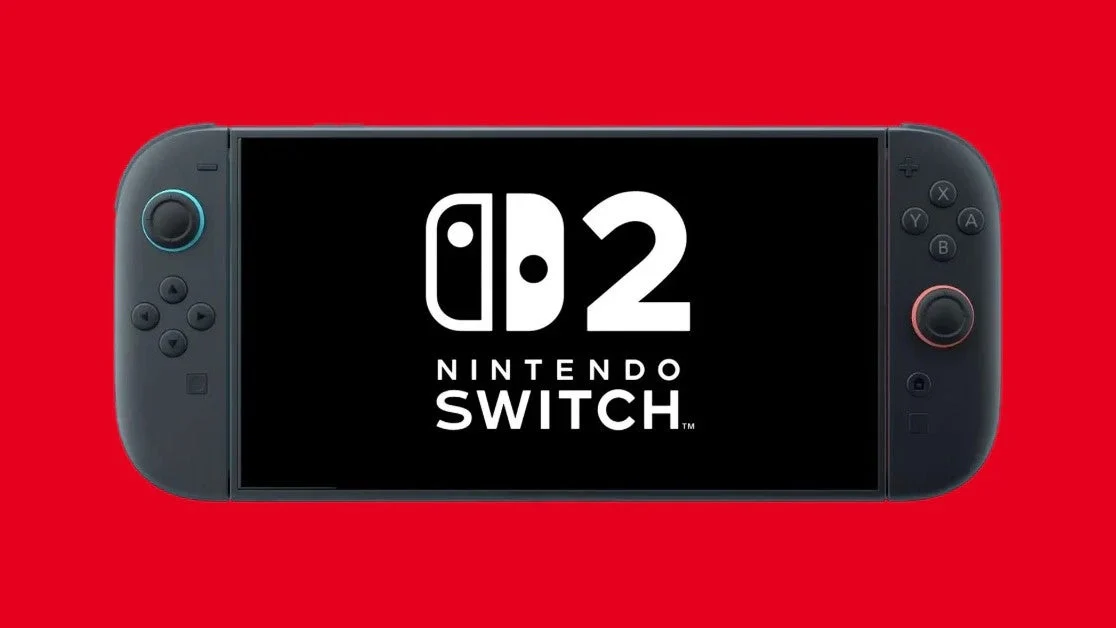
WASHINGTON D.C. – May 2026 – In a surprising turn for the video game industry, the United States has witnessed its first year-on-year increase in physical game spending since 2009, largely propelled by the formidable launch and sustained demand for the Nintendo Switch 2. Market tracker Circana, through its senior director Mat Piscatella, reported a modest yet significant 3% rise in spending for the 12 months ending May 2026, pushing the segment to $1.6 billion. While a relatively small increment compared to the market’s peak, this uptick marks a profound disruption to nearly two decades of consistent decline in boxed game sales, a trend previously thought irreversible by many industry analysts.
However, Piscatella, a respected voice in market analysis, cautions against over-optimism, emphasizing that this surge is likely a "temporary blip" attributable almost entirely to Nintendo’s latest console. The broader industry trend towards digital distribution remains overwhelmingly dominant, with other console ecosystems continuing to experience double-digit percentage drops in physical sales. This moment, therefore, stands as a testament to Nintendo’s unique market position and the enduring appeal of physical media within its dedicated fanbase, even as the industry at large hurtles towards an all-digital future.
The Main Facts: A Glimmer in the Digital Dawn
The headline finding from Circana’s latest data is clear: after a relentless downward trajectory stretching back to the late 2000s, US consumer spending on physical video games has shown a year-on-year increase. For the 12-month period concluding in May 2026, the market recorded a 3% rise, reaching an estimated $1.6 billion. This modest percentage gain belies a monumental shift in a sector that has been steadily eroded by the convenience, accessibility, and evolving business models of digital distribution.
The last time the US physical game market registered an annual increase was in 2009, when it commanded a staggering $11.5 billion. That era represented the zenith of the physical retail model, before the widespread adoption of high-speed internet, the proliferation of digital storefronts like Steam, PlayStation Store, Xbox Marketplace, and Nintendo eShop, and the subsequent paradigm shift in consumer purchasing habits. For 17 consecutive years, the trend was unequivocally negative, leading many to predict the complete obsolescence of physical game cartridges and discs.
According to Mat Piscatella, senior director at Circana, the primary catalyst for this unexpected turnaround is unequivocally the Nintendo Switch 2. "This is the Switch 2 bump," Piscatella confirmed, highlighting that physical software sales on Nintendo platforms alone have soared by approximately 26% compared to the previous year. This substantial growth within a single ecosystem has been powerful enough to offset the continued, steep declines observed across all other gaming platforms, thereby tipping the national average into positive territory. The data underscores Nintendo’s enduring ability to cultivate a robust market for physical products, a strategy that increasingly distinguishes it from its competitors.
Chronology of Decline and Unexpected Rebound
The story of physical game sales in the US is one of a gradual but relentless transformation, culminating in the recent, surprising twist.
The Golden Age and the Onset of Decline (Pre-2009 to 2010s)
The late 2000s marked the peak of physical game sales, with 2008 and 2009 representing a golden age for brick-and-mortar retailers and disc-based media. Games were almost exclusively sold in physical formats, fostering a vibrant second-hand market and a culture of collecting. However, the seeds of change were already being sown. The advent of faster internet connections, the launch of comprehensive digital storefronts on consoles (Xbox Live Arcade, PlayStation Store), and the burgeoning PC digital distribution platform Steam began to offer consumers an alternative. By 2010, the decline became evident, as more players opted for the convenience of downloading games directly to their consoles or PCs.
The Digital Dominance (2010s to Early 2020s)
Throughout the 2010s, digital sales rapidly gained ground, fueled by several factors:
- Convenience: Instant access to games without leaving home.
- Cost: Digital sales often featured aggressive discounts, particularly during seasonal sales.
- Storage: The decreasing cost of internal and external storage for consoles and PCs made digital libraries more practical.
- Exclusives: Many indie titles and some larger releases debuted exclusively in digital formats.
- Subscription Services: The rise of services like Xbox Game Pass and PlayStation Plus further incentivized digital adoption, offering vast libraries of games for a monthly fee.
During this period, physical retailers like GameStop struggled, leading to store closures and a significant restructuring of the retail landscape. The decline was consistent, steep, and widely seen as irreversible, pushing physical media to the fringes of the mainstream market.
The Nintendo Anomaly (Mid-2010s to Present)
Even amidst the digital wave, Nintendo consistently demonstrated a stronger attachment to physical media than its rivals. The Nintendo Switch, launched in 2017, became a massive success, and its cartridge-based games maintained significant physical sales, driven by collectibility, strong first-party titles, and a family-friendly audience that often preferred tangible products. While still impacted by the broader digital trend, Nintendo’s ecosystem proved more resilient.
The Anticipation and Launch of Switch 2 (2024-2025)
Rumors and speculation surrounding a successor to the highly successful Nintendo Switch had been circulating for years. Consumer anticipation for the "Switch 2" (or whatever its official name would be) reached a fever pitch throughout 2024. Nintendo officially unveiled the console, launching it globally in June 2025. The launch was met with unprecedented demand, immediately breaking sales records.
Post-Launch Performance and the Circana Report (June 2025 – May 2026)
Following its launch, the Nintendo Switch 2 rapidly established itself as a commercial powerhouse. In the United States, the hardware shattered previous records, selling over 1.1 million units in its inaugural week alone. Globally, by March 2026, the console had already shifted an astounding 19.86 million units, showcasing its immense appeal and Nintendo’s continued ability to capture a massive audience. This hardware success directly translated into software sales. The 12-month period ending May 2026, which encapsulates the majority of the Switch 2’s first year on the market, is precisely when Circana observed the 3% year-on-year increase in overall US physical game spending. This period’s data thus vividly illustrates the direct impact of the new console’s software sales.
The "Code-in-the-Box" Trend and GTA 6 (Late 2025 – Early 2026)
Adding another layer of complexity to the physical market, 2026 has seen a notable increase in "code-in-the-box" physical games. Mat Piscatella noted that 30 video games have sold over 1,000 copies of these hybrid products so far in 2026. These are technically physical purchases, but the box contains only a download code, not a game cartridge or disc. This trend was notably highlighted by the announcement that Grand Theft Auto 6, one of the most anticipated titles in gaming history, will be download-only when it launches on November 20, 2026, with its "physical" copies being merely a code in a box. This development further blurs the lines between physical and digital, demonstrating a pragmatic adaptation by publishers to consumer habits while still maintaining a retail presence.
Supporting Data: A Deep Dive into the Numbers
The data presented by Circana offers a compelling snapshot of a market in flux, highlighting the extraordinary influence of the Nintendo Switch 2.
The 3% Rebound: A Micro-Gain, Macro-Impact
The reported 3% year-on-year rise in US physical game spending, bringing the total to $1.6 billion for the 12 months ending May 2026, is a modest figure in isolation. However, its significance lies in breaking a 17-year streak of decline. To put this into perspective, the physical market’s value in 2009 stood at a colossal $11.5 billion. The current $1.6 billion represents just a fraction of that former glory, underscoring the immense contraction the physical segment has undergone. Yet, the fact that it grew at all, rather than shrinking further, is the story. It indicates that a dedicated segment of consumers still values physical media, and that certain market forces (like a blockbuster console launch) can still move the needle.
The Nintendo Effect: A 26% Surge
The primary driver of this national uplift is unequivocally the Nintendo ecosystem. Physical software sales on Nintendo platforms have surged by approximately 26% compared to the previous year. This substantial growth is a direct consequence of the Nintendo Switch 2’s launch and the accompanying software lineup. Nintendo has a history of strong first-party titles that often sell exceptionally well in physical formats, and the Switch 2’s early releases have clearly continued this trend. This figure illustrates Nintendo’s unique market position, where its audience shows a pronounced preference for collecting tangible game cartridges.
The Broader Market: Double-Digit Declines Persist
In stark contrast to Nintendo’s performance, Mat Piscatella highlighted that "all other ecosystems are continuing to drop by double-digit percentages." This crucial piece of data underscores the "temporary blip" assessment. For PlayStation, Xbox, and PC platforms, the inexorable march towards digital-only consumption continues unabated. Factors contributing to this include:
- Aggressive Digital Sales: Publishers and platform holders frequently offer deep discounts on digital storefronts, often making digital versions cheaper than physical ones.
- Subscription Services: Services like Xbox Game Pass and PlayStation Plus Premium provide vast libraries of games, reducing the incentive to buy individual titles, physical or digital.
- Storage Solutions: Modern consoles come with large internal storage drives, and external SSDs are readily available, alleviating concerns about download sizes.
- PC Gaming: The PC market has been almost entirely digital for years, with physical releases being rare exceptions.
Hardware as the Catalyst: Switch 2’s Monumental Success
The surge in physical software sales is inextricably linked to the phenomenal success of the Nintendo Switch 2 hardware:
- Global Sales: As of March 2026, the console had sold 19.86 million units worldwide in just nine months. This rapid adoption provides a massive install base for new software.
- US Launch Records: In the United States, the Switch 2 broke all previous hardware launch records, selling over 1.1 million units in its debut week. This unprecedented initial demand translated directly into strong day-one and week-one software sales.
- Production Increase: To keep pace with overwhelming demand, Nintendo reportedly planned a 20% increase in production for the Switch 2 in May, signaling sustained confidence in the console’s trajectory. A high volume of new console owners inherently fuels software purchases, both digital and physical.
The "Code-in-the-Box" Conundrum
Piscatella’s additional observation that 30 video games have sold over 1,000 copies of "code-in-the-box" physical games in 2026 introduces an interesting nuance. Titles like Just Dance 2026, Split Fiction, and Mario + Rabbids: Sparks of Hope exemplify this trend. These are "physical" in the sense that a physical product (a box) is purchased at retail, but the content itself is delivered digitally via a download code. This hybrid model reflects publishers’ efforts to maintain a presence in physical retail channels, cater to consumers who prefer the act of buying a physical product, while simultaneously embracing the operational efficiencies of digital distribution (no manufacturing, shipping, or returns of physical media). The announcement that Grand Theft Auto 6 will follow this model is particularly significant, as it signals that even the industry’s biggest blockbusters are adapting to a digital-first reality, even if they retain a "physical" presence on store shelves.
Official Responses and Expert Commentary
While Nintendo itself has not issued a direct "official response" to Circana’s specific physical sales report, the insights from Mat Piscatella of Circana offer the most authoritative commentary on the findings. His statements provide crucial context and temper expectations, emphasizing the unique nature of this market anomaly.
Mat Piscatella’s Cautious Optimism
Mat Piscatella’s public statements, shared on BlueSky and through an interview with GamesIndustry.biz, are central to understanding the data. His assertion that the 3% rise is "highly likely to be just a temporary blip" is a critical caveat. He attributes the entire phenomenon to the "Switch 2 bump," underscoring that this is not a systemic recovery for the physical market but rather a localized surge driven by a single, exceptionally successful hardware launch.
"Physical software sales on Nintendo platforms are up around 26% compared to a year ago, but still down from the year ending May 2024 period," Piscatella noted, further specifying the extent of Nintendo’s impact. The fact that even Nintendo’s physical sales are "still down from the year ending May 2024 period" suggests that while the Switch 2 has provided a significant uplift, it’s operating within a long-term context of digital dominance, and even Nintendo isn’t immune to the overarching trend. The comparison highlights that the rate of decline for Nintendo’s physical sales might have slowed or even reversed temporarily, but it doesn’t necessarily indicate a return to past peaks.
His blunt assessment that "all other ecosystems are continuing to drop by double-digit percentages" reinforces the idea that the Switch 2 is an outlier. PlayStation and Xbox continue their aggressive push towards digital, with many games launching as digital-only or offering significant incentives for digital purchases. This dichotomy paints a clear picture: Nintendo’s strategy and audience demographics allow it to defy, or at least significantly slow, a trend that is overwhelming its competitors.
Piscatella also offered a long-term perspective on the future of physical media: "At some point, this will all bottom out – perhaps we’re getting there now – until the console manufacturers decide to no longer produce units with physical drives." This statement acknowledges the eventual inevitability of a fully digital future for the majority of the industry. The "bottoming out" might refer to a stabilization at a very low level of physical sales, or it could precede the complete abandonment of physical media by console manufacturers. The ongoing debate around disc drives in next-generation consoles (e.g., speculation about a digital-only Xbox or PlayStation) suggests that this future is not far off.
Nintendo’s Implied Strategy
While Nintendo hasn’t commented directly on this report, their actions speak volumes about their commitment to physical media. The Switch 2, like its predecessor, utilizes game cartridges, a format that inherently supports physical ownership. Nintendo’s first-party titles are consistently released in physical editions, often with attractive box art that appeals to collectors. Their strategy seems to be one of offering choice: robust digital storefronts coexist with a strong physical retail presence. This approach caters to a diverse audience, including families who might prefer physical games for gifting, and collectors who value tangible assets. The reported 20% increase in Switch 2 production also indirectly supports the physical market, as more consoles in homes mean more potential physical software sales.
Implications: A Glimpse into the Future of Gaming
The unexpected rebound in US physical game sales, spearheaded by the Nintendo Switch 2, carries significant implications for Nintendo, the broader gaming industry, retailers, and consumers alike.
For Nintendo: Reinforcement of a Unique Strategy
This data unequivocally validates Nintendo’s long-standing commitment to physical media. In an industry increasingly dominated by digital distribution, Nintendo has consistently maintained a strong physical presence, particularly with its first-party titles. The Switch 2’s ability to single-handedly reverse a 17-year decline in physical sales underscores:
- Audience Loyalty: Nintendo’s fanbase, often comprising younger players and families, demonstrates a strong preference for physical products for collectibility, gifting, and ease of sharing.
- Brand Power: The Switch 2’s immense launch success proves Nintendo’s unparalleled ability to generate excitement and drive hardware and software sales, regardless of broader industry trends.
- Strategic Differentiation: By continuing to champion physical media, Nintendo differentiates itself from Sony and Microsoft, potentially attracting consumers who value physical ownership. This strategy might become even more critical as competitors increasingly lean into digital-only console versions.
However, even for Nintendo, the long-term trend towards digital remains a factor, as Piscatella noted that even their physical sales are down from previous years. The challenge for Nintendo will be to maintain this balance as digital convenience continues to evolve.
For the Broader Industry: An Anomaly, Not a Trend Reversal
For PlayStation, Xbox, and PC ecosystems, the message from the Circana report is stark: the digital transition continues unabated. The double-digit declines in physical sales for these platforms confirm that the Switch 2’s success is an anomaly rather than a harbinger of a wider physical media renaissance. This reinforces the strategic paths taken by Sony and Microsoft, who are increasingly focusing on digital storefronts, subscription services, and potentially digital-only hardware iterations.
The "code-in-the-box" phenomenon, exemplified by Grand Theft Auto 6, is a crucial implication. It represents a pragmatic compromise: maintaining a physical retail presence for marketing and gift-giving purposes, while still leveraging the cost efficiencies of digital distribution. This hybrid model might become more prevalent for major third-party titles, effectively blurring the lines between "physical" and "digital" in a way that prioritizes digital delivery but still offers a tangible retail product. This trend suggests that while physical media might be fading, physical packaging could persist for some time.
For Physical Retailers: A Temporary Reprieve
For struggling physical game retailers, like GameStop, the Switch 2’s impact offers a temporary reprieve. A surge in physical software sales, even if confined to one platform, provides much-needed revenue and foot traffic. However, this is unlikely to be a sustainable lifeline in the long run. The continued decline in physical sales for other platforms, coupled with the "code-in-the-box" trend, means that the core business of selling physical discs and cartridges remains under severe pressure. Retailers will need to continue diversifying their offerings (e.g., collectibles, merchandise, pre-owned hardware) to survive in an increasingly digital landscape.
For Consumers: The Enduring Value of Choice (for now)
For consumers, the Switch 2’s success ensures that the option for physical game purchases remains viable, at least within Nintendo’s ecosystem. This is important for:
- Ownership and Resale: Physical games offer a sense of ownership and the ability to resell or trade-in games, which is not possible with most digital purchases.
- Collectibility: Many gamers enjoy collecting physical copies, appreciating the box art and the tangible nature of their libraries.
- Gifting: Physical games are often preferred for gifts, as they provide a tangible item to wrap and present.
- Digital Divide: For those with limited internet access or data caps, physical media can still be a more practical option.
However, the proliferation of "code-in-the-box" games dilutes the traditional benefits of physical ownership, as the game still requires a download. This forces consumers to weigh the benefits of a physical container against the digital reality of the content itself. The ongoing debate about physical vs. digital also touches upon game preservation, as physical media can theoretically outlast digital storefronts, which can be shut down.
Economic and Environmental Implications
The production and distribution of physical games involve manufacturing, packaging, shipping, and retail infrastructure, supporting numerous jobs. A rebound, however temporary, provides some economic benefit to these sectors. Conversely, the environmental impact of producing physical goods (plastics, paper, transportation) is higher than that of purely digital distribution. As the industry continues its digital migration, there will be shifts in economic activity and environmental considerations.
In conclusion, the Nintendo Switch 2 has delivered a remarkable, albeit likely temporary, boost to the US physical game market, breaking a nearly two-decade-long decline. It underscores Nintendo’s unique market position and the enduring appeal of physical media to a dedicated segment of consumers. However, the broader industry continues its inevitable march towards a digital-first future, making this "blip" a fascinating anomaly rather than a fundamental reversal of trends. The coming years will reveal whether Nintendo can continue to buck the digital tide, or if even its formidable influence will eventually yield to the overwhelming forces shaping the future of gaming.


 Lina Irawan
 Sagoh
Sagoh