Trending News:Psyren Anime Set to Electrify Screens with "ICARUS" Ending Theme and Hollywood PremiereThe Pocket-Sized Revolution: Boox Launches the Ultra-Compact ‘Picco’ E-ReaderThe Wrestling World Mourns: Iconic High-Flyer Benjamin ‘PAC’ Satterley Passes Away at 40The Race for the Gold: Navigating the High-Stakes Landscape of the International Feature OscarThe Digital Frontier: How Justin Jordan’s ‘Urban Animal’ Is Redefining Comic Book EconomicsThe "Sand Heist": Why AI Hardware is the New Gold Rush for Organized CrimeThe Home Fabrication Revolution: Is a 3D Printer Right for You in 2026?The Digital Matriarch: How 78-Year-Old Cath Bowie Redefined Gaming CultureMarvel’s "Endgame" Encore Dominates Chinese Box Office Amid Pre-Holiday LullThe Architect of Optimism: How David Rager is Safeguarding NASA’s Iconic Brand in the Age of AICapture the Moment: Nerissa Ravencroft and PHOTOISM Launch Global Immersive Photo ExperienceExciting Anime Adaptation of "Everyone’s Darling Has a Secret" Set to Premiere in April 2027Tapas Announces Third Annual "Inksgiving": A Deep Dive into the Platform’s Creator-Centric Holiday InitiativeBetween the Living and the Dead: A Deep Dive into Dave Boyle’s Never After DarkTaylor Swift’s Unexpected Encore: A Deep Dive into ‘The Life of a Showgirl’ ExpansionThe $1.7 Million Desktop: Inside the World’s Most Expensive Passive Mini PCNavigating the EV Charging Landscape: A Comprehensive Guide to Levels 1, 2, and 3An Enduring Legacy: Kacey Musgraves Leads Emotional VMA Tribute to Dolly PartonThe Enchanted Workshop: A Journey into the Studio of Gary A. LippincottFashion Meets Virtual Stardom: COVER Corporation Announces Exclusive “MikoMari” Collaboration with XRAGEBeyond the Console: Ubisoft Launches Massive Transmedia Expansion for Assassin’s CreedThe Greenfield Schism: How a Small-Town Lesbian Bar Became the Internet’s Latest Viral Fever DreamAkaza Samamiya’s Mr. Mallow Blue Side Story Manga Ends in Next ChapterHollywood Goes Electric: The 2026 MTV VMAs Return to Los Angeles with a Star-Studded SpectacleThe $1,000 Price Drop: Why the HP Omen Transcend 14 Is the Gaming Deal of the YearThe Great Convergence: Is a Foldable Phone Finally Ready to Replace Your Tablet?From Browser Nostalgia to Steam Success: The Unprecedented Resurgence of Happy WheelsBeyond the Lens: National Geographic’s Ambitious Quest to Chronicle the Planet’s SoulThe Battery Life Crisis: Why Performance Without Endurance Is a Failed DesignA New Era of Virtual Entertainment: hololive Production Unveils Ambitious Roadmap for 10th Anniversary‘Destroy All Humans. They Can’t Be Regenerated. A Magic: The Gathering Manga’ Gets Miniseries in OctoberBrooklyn Through the Looking Glass: AWA Studios Unveils the Supernatural "Lesser Evils" UniverseThe Quiet Heroism of Gary Hobson: Why Early Edition Remains a Masterclass in Moral StorytellingDiscord Reintroduces Age Assurance: A Measured Pivot Toward Platform SafetyPS5 Emulation Hits Major Milestone: SharpEmu Achieves 60 FPS GameplayBeyond the Shutter: Mastering Apple’s Live Text and Visual IntelligenceThe Syrup-Coated Conquest: Joey Chestnut Sets New World Record at Williamsburg Pancake FestivalThe Unfiltered Lens: Martin McDonagh on Political Cinema, Artistic Freedom, and "Wild Horse Nine"The Evolution of Interactive Erotica: A Deep Dive into the Rise of Gay Adult GamingMarvel’s Wolverine Review: A Visceral, Yet Restrained Claw at GreatnessTokyo Threads Meet Virtual Stars: COVER Corporation and BLACK BALLOON MARKET Unveil Premium Sukajan Collection"My Life Turned Around" Manga Set for English Release in July 2027, Promising a Tale of Betrayal and RedemptionABLAZE Expands Global Manga and Manhwa Portfolio with High-Stakes AcquisitionsBeyond the Temporal Veil: The Hidden Cameos of Star Trek: Strange New WorldsThe Algorithm of Abuse: How "Clavicular" and the Streaming Manosphere Monetize MisogynyBeyond the mAh Myth: A Comprehensive Guide to Selecting the Right Power Bank for Your LaptopDesigning the Future: How NASA’s Creative Director is Safeguarding Truth in the Age of AIBeyond the Veil: An In-Depth Look at Dave Boyle’s Never After DarkBeyond the Legend: ‘Because of You Ka Kui’ to Headline the Sixth Odyssey Film FestivalBrooklyn Through the Looking Glass: AWA Studios Unveils the Supernatural ‘Lesser Evils’ UniverseA New Era of Virtual Entertainment: hololive production Unveils Massive 10th Anniversary RoadmapNeon Streets Reimagined: How Modder ‘gebdag’ Brought 1999’s Grand Theft Auto 2 into the Ray-Tracing EraThe Crease Conundrum: Why Apple’s iPhone Duo Faces a Long-Term Durability TestThe Maine Red Snapper Evolution: Iconic Hot Dog Brand Pivots to Natural Bug-Based DyeSaturday Night Live Season 52 Premiere: Jeremy Culhane’s Tucker Carlson Skewer the Summer Blockbuster SeasonThe Evolution of Interactive Erotica: A Deep Dive into the Rise of Gay Adult GamingUpgrade Your Workspace: Sihoo’s Top-Tier Ergonomic Chairs See Significant Price CutsThreads of Tradition: Hololive and BLACK BALLOON MARKET Unveil Premium Sukajan CollaborationVisionary Filmmaker Toshio Masuda, Architect of Anime Epics and War Film Realism, Dies at 98Expanding the Horizon: ABLAZE Announces Major Webtoon Acquisitions for 2023Deep Space Easter Eggs: Analyzing the Surprise Animated Cameos in Star Trek: Strange New WorldsThe Algorithm of Degradation: How "Clavicular" and the Streaming Manosphere Monetize MisogynyNeon Streets Reborn: How a 27-Year-Old Classic, GTA 2, Was Transformed by Path TracingThe Crease Conundrum: Why Apple’s iPhone Duo Faces a Long-Term Durability TestA Cultural Institution Evolves: Maine’s Iconic "Red Snapper" Hot Dogs Trade Synthetic Dyes for Insect-Based ColoringThe Return of the Titans: How ‘Godzilla Minus Zero’ Reclaims the Mythic Power of CinemaLights, Camera, Action: Why Saber Interactive’s ‘Stuntman: Hollywood’ is the Ultimate Love Letter to CinemaA New Era of Virtual Entertainment: hololive production Unveils Massive Expansion and Rebranding for 10th AnniversaryA New Chapter Closes: Chizu Kamikou’s "Saint Melia and Knight of the Millennial Kingdom" ConcludesABLAZE Expands Global Manga and Manhwa Portfolio with High-Stakes AcquisitionsThe Caitian in the Shuttle Bay: Analyzing the Deep-Cut Canon Cameos in Star Trek: Strange New WorldsDiscord Resumes Age Verification Rollout: Navigating the Balance Between Safety and PrivacyThe Ergonomic Evolution: Why Sihoo’s Latest Price Drops Signal a Shift in Office SeatingThe Algorithmic Abyss: How "Clavicular" and the Streaming Manosphere Monetize MisogynySatire Without Borders: "SNL U.K." Takes Aim at Global Power Brokers in Latest Weekend UpdateThe Evolution of Interactive Erotica: A Deep Dive into the Rise of Premium Gay Adult GamingThreading Tradition with Talent: Hololive and BLACK BALLOON MARKET Unveil Exclusive Sukajan CollaborationBreathe New Life into Your Tech: Transforming Your Old Laptop into a Powerful Smart Home HubThe Evolution of an Icon: Maine’s Famous “Red Snapper” Hot Dogs Pivot to Natural ColoringThe Evolution of Interactive Erotica: A Deep Dive into the Modern Gay Adult Gaming LandscapeThe Ergonomic Revolution: Why Sihoo is Reshaping the Budget Office Chair MarketTradition Meets Virtual Stardom: COVER Corporation Unveils Premium hololive Sukajan Collection with BLACK BALLOON MARKET"Saint Melia and Knight of the Millennial Kingdom" Manga Concludes, Marking the End of an Enchanting Narrative ArcThe Algorithmic Pipeline: How Clavicular and the "Looksmaxxing" Sphere Normalized the Humiliation of WomenNvidia Elevates Geometry Rendering: A Deep Dive into RTX Mega Geometry 2.0 and the Future of High-Fidelity GamingThe Long Road to Vice City: How Savvy Xbox Players Are Securing GTA VI for FreeTikTok Agrees to $100 Million Settlement in Landmark Alabama Safety LawsuitThe Analog Renaissance: Why the Pomera DM250 is the Ultimate Tool for the Modern WriterA New Era of Virtual Entertainment: hololive production Unveils Ambitious 10th Anniversary RoadmapBeyond the Veil: An In-Depth Look at Dave Boyle’s Haunting New Feature, Never After DarkThe Long Shadow of Cambridge Analytica: New Mexico Jury Finds Meta Liable for Deceptive Privacy PracticesThe Digital Pipeline of Degradation: Clavicular and the Streaming Economy of MisogynyDigital Codebreaking Breakthrough: AI Cracks 85-Year-Old Enigma MessageBrooklyn Through the Looking Glass: AWA Studios Unveils the Supernatural "Lesser Evils" UniverseThe Colossus Expansion: Elon Musk’s Vision for AI Supremacy and the Race to a Million GPUs
Trending News:Psyren Anime Set to Electrify Screens with "ICARUS" Ending Theme and Hollywood PremiereThe Pocket-Sized Revolution: Boox Launches the Ultra-Compact ‘Picco’ E-ReaderThe Wrestling World Mourns: Iconic High-Flyer Benjamin ‘PAC’ Satterley Passes Away at 40The Race for the Gold: Navigating the High-Stakes Landscape of the International Feature OscarThe Digital Frontier: How Justin Jordan’s ‘Urban Animal’ Is Redefining Comic Book EconomicsThe "Sand Heist": Why AI Hardware is the New Gold Rush for Organized CrimeThe Home Fabrication Revolution: Is a 3D Printer Right for You in 2026?The Digital Matriarch: How 78-Year-Old Cath Bowie Redefined Gaming CultureMarvel’s "Endgame" Encore Dominates Chinese Box Office Amid Pre-Holiday LullThe Architect of Optimism: How David Rager is Safeguarding NASA’s Iconic Brand in the Age of AICapture the Moment: Nerissa Ravencroft and PHOTOISM Launch Global Immersive Photo ExperienceExciting Anime Adaptation of "Everyone’s Darling Has a Secret" Set to Premiere in April 2027Tapas Announces Third Annual "Inksgiving": A Deep Dive into the Platform’s Creator-Centric Holiday InitiativeBetween the Living and the Dead: A Deep Dive into Dave Boyle’s Never After DarkTaylor Swift’s Unexpected Encore: A Deep Dive into ‘The Life of a Showgirl’ ExpansionThe $1.7 Million Desktop: Inside the World’s Most Expensive Passive Mini PCNavigating the EV Charging Landscape: A Comprehensive Guide to Levels 1, 2, and 3An Enduring Legacy: Kacey Musgraves Leads Emotional VMA Tribute to Dolly PartonThe Enchanted Workshop: A Journey into the Studio of Gary A. LippincottFashion Meets Virtual Stardom: COVER Corporation Announces Exclusive “MikoMari” Collaboration with XRAGEBeyond the Console: Ubisoft Launches Massive Transmedia Expansion for Assassin’s CreedThe Greenfield Schism: How a Small-Town Lesbian Bar Became the Internet’s Latest Viral Fever DreamAkaza Samamiya’s Mr. Mallow Blue Side Story Manga Ends in Next ChapterHollywood Goes Electric: The 2026 MTV VMAs Return to Los Angeles with a Star-Studded SpectacleThe $1,000 Price Drop: Why the HP Omen Transcend 14 Is the Gaming Deal of the YearThe Great Convergence: Is a Foldable Phone Finally Ready to Replace Your Tablet?From Browser Nostalgia to Steam Success: The Unprecedented Resurgence of Happy WheelsBeyond the Lens: National Geographic’s Ambitious Quest to Chronicle the Planet’s SoulThe Battery Life Crisis: Why Performance Without Endurance Is a Failed DesignA New Era of Virtual Entertainment: hololive Production Unveils Ambitious Roadmap for 10th Anniversary‘Destroy All Humans. They Can’t Be Regenerated. A Magic: The Gathering Manga’ Gets Miniseries in OctoberBrooklyn Through the Looking Glass: AWA Studios Unveils the Supernatural "Lesser Evils" UniverseThe Quiet Heroism of Gary Hobson: Why Early Edition Remains a Masterclass in Moral StorytellingDiscord Reintroduces Age Assurance: A Measured Pivot Toward Platform SafetyPS5 Emulation Hits Major Milestone: SharpEmu Achieves 60 FPS GameplayBeyond the Shutter: Mastering Apple’s Live Text and Visual IntelligenceThe Syrup-Coated Conquest: Joey Chestnut Sets New World Record at Williamsburg Pancake FestivalThe Unfiltered Lens: Martin McDonagh on Political Cinema, Artistic Freedom, and "Wild Horse Nine"The Evolution of Interactive Erotica: A Deep Dive into the Rise of Gay Adult GamingMarvel’s Wolverine Review: A Visceral, Yet Restrained Claw at GreatnessTokyo Threads Meet Virtual Stars: COVER Corporation and BLACK BALLOON MARKET Unveil Premium Sukajan Collection"My Life Turned Around" Manga Set for English Release in July 2027, Promising a Tale of Betrayal and RedemptionABLAZE Expands Global Manga and Manhwa Portfolio with High-Stakes AcquisitionsBeyond the Temporal Veil: The Hidden Cameos of Star Trek: Strange New WorldsThe Algorithm of Abuse: How "Clavicular" and the Streaming Manosphere Monetize MisogynyBeyond the mAh Myth: A Comprehensive Guide to Selecting the Right Power Bank for Your LaptopDesigning the Future: How NASA’s Creative Director is Safeguarding Truth in the Age of AIBeyond the Veil: An In-Depth Look at Dave Boyle’s Never After DarkBeyond the Legend: ‘Because of You Ka Kui’ to Headline the Sixth Odyssey Film FestivalBrooklyn Through the Looking Glass: AWA Studios Unveils the Supernatural ‘Lesser Evils’ UniverseA New Era of Virtual Entertainment: hololive production Unveils Massive 10th Anniversary RoadmapNeon Streets Reimagined: How Modder ‘gebdag’ Brought 1999’s Grand Theft Auto 2 into the Ray-Tracing EraThe Crease Conundrum: Why Apple’s iPhone Duo Faces a Long-Term Durability TestThe Maine Red Snapper Evolution: Iconic Hot Dog Brand Pivots to Natural Bug-Based DyeSaturday Night Live Season 52 Premiere: Jeremy Culhane’s Tucker Carlson Skewer the Summer Blockbuster SeasonThe Evolution of Interactive Erotica: A Deep Dive into the Rise of Gay Adult GamingUpgrade Your Workspace: Sihoo’s Top-Tier Ergonomic Chairs See Significant Price CutsThreads of Tradition: Hololive and BLACK BALLOON MARKET Unveil Premium Sukajan CollaborationVisionary Filmmaker Toshio Masuda, Architect of Anime Epics and War Film Realism, Dies at 98Expanding the Horizon: ABLAZE Announces Major Webtoon Acquisitions for 2023Deep Space Easter Eggs: Analyzing the Surprise Animated Cameos in Star Trek: Strange New WorldsThe Algorithm of Degradation: How "Clavicular" and the Streaming Manosphere Monetize MisogynyNeon Streets Reborn: How a 27-Year-Old Classic, GTA 2, Was Transformed by Path TracingThe Crease Conundrum: Why Apple’s iPhone Duo Faces a Long-Term Durability TestA Cultural Institution Evolves: Maine’s Iconic "Red Snapper" Hot Dogs Trade Synthetic Dyes for Insect-Based ColoringThe Return of the Titans: How ‘Godzilla Minus Zero’ Reclaims the Mythic Power of CinemaLights, Camera, Action: Why Saber Interactive’s ‘Stuntman: Hollywood’ is the Ultimate Love Letter to CinemaA New Era of Virtual Entertainment: hololive production Unveils Massive Expansion and Rebranding for 10th AnniversaryA New Chapter Closes: Chizu Kamikou’s "Saint Melia and Knight of the Millennial Kingdom" ConcludesABLAZE Expands Global Manga and Manhwa Portfolio with High-Stakes AcquisitionsThe Caitian in the Shuttle Bay: Analyzing the Deep-Cut Canon Cameos in Star Trek: Strange New WorldsDiscord Resumes Age Verification Rollout: Navigating the Balance Between Safety and PrivacyThe Ergonomic Evolution: Why Sihoo’s Latest Price Drops Signal a Shift in Office SeatingThe Algorithmic Abyss: How "Clavicular" and the Streaming Manosphere Monetize MisogynySatire Without Borders: "SNL U.K." Takes Aim at Global Power Brokers in Latest Weekend UpdateThe Evolution of Interactive Erotica: A Deep Dive into the Rise of Premium Gay Adult GamingThreading Tradition with Talent: Hololive and BLACK BALLOON MARKET Unveil Exclusive Sukajan CollaborationBreathe New Life into Your Tech: Transforming Your Old Laptop into a Powerful Smart Home HubThe Evolution of an Icon: Maine’s Famous “Red Snapper” Hot Dogs Pivot to Natural ColoringThe Evolution of Interactive Erotica: A Deep Dive into the Modern Gay Adult Gaming LandscapeThe Ergonomic Revolution: Why Sihoo is Reshaping the Budget Office Chair MarketTradition Meets Virtual Stardom: COVER Corporation Unveils Premium hololive Sukajan Collection with BLACK BALLOON MARKET"Saint Melia and Knight of the Millennial Kingdom" Manga Concludes, Marking the End of an Enchanting Narrative ArcThe Algorithmic Pipeline: How Clavicular and the "Looksmaxxing" Sphere Normalized the Humiliation of WomenNvidia Elevates Geometry Rendering: A Deep Dive into RTX Mega Geometry 2.0 and the Future of High-Fidelity GamingThe Long Road to Vice City: How Savvy Xbox Players Are Securing GTA VI for FreeTikTok Agrees to $100 Million Settlement in Landmark Alabama Safety LawsuitThe Analog Renaissance: Why the Pomera DM250 is the Ultimate Tool for the Modern WriterA New Era of Virtual Entertainment: hololive production Unveils Ambitious 10th Anniversary RoadmapBeyond the Veil: An In-Depth Look at Dave Boyle’s Haunting New Feature, Never After DarkThe Long Shadow of Cambridge Analytica: New Mexico Jury Finds Meta Liable for Deceptive Privacy PracticesThe Digital Pipeline of Degradation: Clavicular and the Streaming Economy of MisogynyDigital Codebreaking Breakthrough: AI Cracks 85-Year-Old Enigma MessageBrooklyn Through the Looking Glass: AWA Studios Unveils the Supernatural "Lesser Evils" UniverseThe Colossus Expansion: Elon Musk’s Vision for AI Supremacy and the Race to a Million GPUs
In a move that has sent ripples of excitement through the long-term Call of Duty community, developer Treyarch has officially confirmed that the foundational pillars of the Black Ops sub-series—the original Call of Duty: Black Ops (2010) and its genre-defining sequel, Call of Duty: Black Ops 2 (2012)—are being ported to modern PlayStation hardware.
The announcement, delivered via the studio’s official social media channels, confirms that the ports are currently in active development under the stewardship of Iron Galaxy Studios. While the specific rollout for PlayStation 4 and PlayStation 5 remains somewhat ambiguous regarding cross-generational exclusivity, the industry is already abuzz with what this means for the preservation of one of gaming’s most lucrative franchises.
The Chronology: From Cold War Origins to Modern Restoration
To understand the weight of this announcement, one must look back at the historical trajectory of the Black Ops series.
2010: The Dawn of a New Era: When Treyarch released the original Call of Duty: Black Ops, it shifted the franchise’s focus from the sprawling conflicts of World War II to the tense, clandestine atmosphere of the Cold War. It introduced iconic characters like Alex Mason and Frank Woods, alongside a narrative structure that prioritized psychological thriller elements.
2012: Elevating the Formula: Two years later, Black Ops 2 took a bold, unprecedented step by introducing a non-linear campaign and a futuristic setting that bridged the gap between historical conflict and high-tech warfare. It remains, by many metrics, the most critically acclaimed title in the sub-series.
The Content Drought: For over a decade, PlayStation owners have been locked out of these titles on their native hardware. While Xbox users have enjoyed seamless access to these games through Microsoft’s robust backwards compatibility program—which even included visual enhancements for the Xbox Series X|S—PlayStation players were forced to maintain their aging PlayStation 3 consoles to revisit these maps and campaigns.
2026: The Restoration: The announcement of the Iron Galaxy collaboration marks the first official effort to bring these legacy titles into the modern PlayStation ecosystem.
Iron Galaxy: The Masters of the Port
The selection of Iron Galaxy Studios for this endeavor is a calculated strategic choice. Iron Galaxy has earned a reputation as the industry’s "porting specialists," having successfully handled high-profile projects such as the PC version of Uncharted: Legacy of Thieves Collection, The Elder Scrolls V: Skyrim on Nintendo Switch, and the recent ports of Batman: Arkham Knight.
Their involvement suggests that these Black Ops ports will likely receive more than just a simple "upscale." Given Iron Galaxy’s track record, the gaming community is anticipating improved frame rates, higher resolution textures, and potentially modernized control schemes that align with the refined fluidity of recent Call of Duty entries. However, neither Treyarch nor Iron Galaxy has yet confirmed whether these titles will feature updated multiplayer servers or if they will remain faithful, 1:1 experiences of the original software.
Supporting Data: Why Now?
The decision to port these games is not merely an act of fan service; it is a data-driven business move.
Retention and Engagement:Call of Duty has evolved into a "live service" giant. By reintroducing the classic Black Ops experience, Activision is effectively creating a bridge between the younger generation of players—who cut their teeth on Warzone—and the "Golden Era" of the franchise.
The Subscription Model: With the integration of Call of Duty titles into various subscription ecosystems, these games serve as high-value "content fillers" that keep users engaged within the PlayStation ecosystem.
Community Demand: For years, the #BringBackBlackOps hashtag has been a recurring theme on social media platforms. The sheer volume of engagement surrounding the original titles’ legacy maps—such as Nuketown, Firing Range, and Summit—has signaled to Activision that there is a massive, untapped market for nostalgic re-releases.
Official Responses and Industry Context
Treyarch’s official announcement was characteristically brief, emphasizing the studio’s desire to "honor the legacy" of the Black Ops series. In a statement released shortly after the social media confirmation, a representative for the studio noted:
"The Black Ops series has always been the heart of our studio’s identity. We recognize that our fans have been eager to revisit these stories and these battlefields on modern hardware. Working with Iron Galaxy allows us to bring these titles to PlayStation players with the level of quality and performance that they expect in 2026."
Analysts have noted that this move also serves as a defensive maneuver. As Activision Blizzard operates under the Microsoft umbrella, the company is under immense pressure to demonstrate "platform parity." By ensuring these legacy titles are available on PlayStation, the company maintains its presence on all major hardware, avoiding the perception that it is stripping content away from its largest player base.
The Implications: A New Standard for Legacy Content
The move to port Black Ops and Black Ops 2 has significant implications for the wider gaming industry, specifically regarding the "Remake vs. Remaster vs. Port" debate.
Preserving History
Modern consoles have struggled with the "lost generation" problem, where games released during the PS3/Xbox 360 era became increasingly difficult to play as physical hardware aged and died. If Iron Galaxy’s ports prove successful, it could set a precedent for other developers to revisit their back catalogs. Instead of forcing players to purchase expensive remakes, publishers could adopt this "modern port" model, keeping legacy software alive at a lower price point and development cost.
The Multiplayer Question
The most significant question remaining is the status of multiplayer. If these games are ported with their original peer-to-peer networking architecture, they may suffer from the same lag and connectivity issues that plagued the original releases. However, if the development team opts for a dedicated server overhaul, it could lead to a massive resurgence in the competitive scene. A stabilized, modernized Black Ops 2 multiplayer environment would arguably be one of the most popular shooters on the market, potentially even cannibalizing the player counts of newer, experimental titles.
Potential for Further Expansion
If this partnership proves fruitful, industry insiders are already speculating on what might come next. Call of Duty: Modern Warfare 2 (2009) and World at War are frequently cited as the next logical candidates for such a treatment. This strategy would allow Activision to maintain a steady stream of revenue and engagement without the massive resource allocation required to develop a brand-new title from scratch.
Looking Ahead to July
With the launch window set for July, the countdown has officially begun. The gaming community is currently waiting for further details regarding pricing, potential cross-play integration, and whether existing owners of the digital versions on older platforms will receive any form of upgrade path.
As the industry moves toward an increasingly digital-first future, the preservation of the games that defined the 2010s is a welcome development. Whether you are a veteran of the original Black Ops lobbies or a new player looking to experience the game that solidified the series’ reputation, the upcoming July release promises to be a significant event.
Treyarch and Iron Galaxy have taken a bold step toward bridging the gap between the past and the present. For the legions of Black Ops fans, the wait to jump back into the shoes of Mason, Woods, and Hudson is almost over. As the industry watches closely, the success of these ports will likely dictate the future of legacy content for one of the most successful franchises in gaming history. Stay tuned to Niche Gamer for further updates as we approach the official launch date.
A Quarter-Century of Island Life: Animal Crossing Celebrates 25 Years with Surprise New Horizons Update
Main Facts: A Unexpected Gift for Island Dwellers In a move that has delighted the global Animal Crossing community, Nintendo has released a surprise update for Animal Crossing: New Horizons.…
The Hollow Summit: Why Echoes of Aincrad Represents a Stagnant Era of RPG Design
For those who look back on the PlayStation 3 era of role-playing games with a sense of rose-tinted nostalgia, Echoes of Aincrad arrives as a jarring, cold-water wake-up call. Based…

 Asro
Asro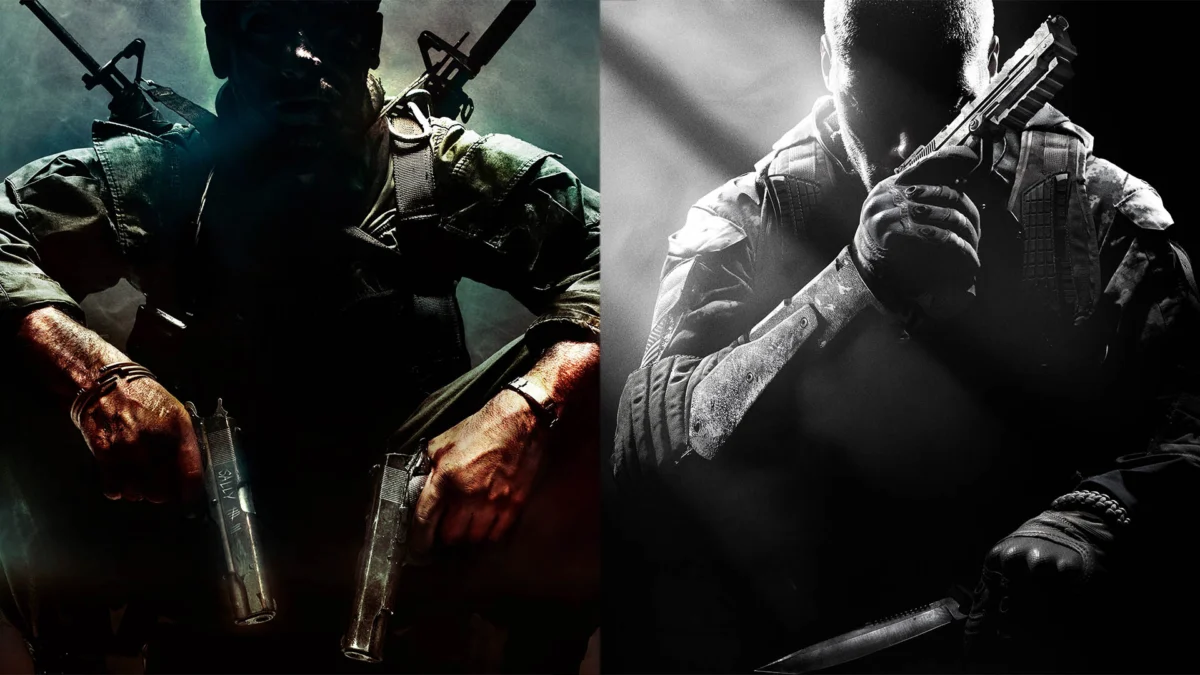




 Muslim