Asro
Asro
The realm of horror gaming is a notoriously subjective landscape. What sends shivers down one player’s spine might elicit a mere chuckle from another. This inherent subjectivity, coupled with the genre’s tendency to mirror societal anxieties and evolving fears, makes achieving universal acclaim a monumental task. Yet, amidst this challenging terrain, a select few titles have managed to transcend individual preferences and garner near-universal praise, achieving scores that place them at the zenith of horror gaming. These are not just games; they are experiences that have profoundly impacted players and the industry alike, pushing the boundaries of fear and storytelling.
The Elusive 100%: Navigating Critical Acclaim in Horror
While a perfect 100% score on aggregate review sites like Metacritic or OpenCritic remains an elusive dream for any horror title, several games have come remarkably close, reaching the upper 90s. This near-perfection speaks volumes about their masterful execution, innovative design, and profound ability to tap into the collective consciousness of fear. The games that achieve this echelon are those that not only terrify but also engage players with compelling narratives, innovative mechanics, and an atmosphere so thick it can be felt.
This exploration delves into the most highly-rated horror games, examining their impact, design philosophies, and the enduring legacy that has cemented their place in gaming history. These titles represent the apex of the genre, offering experiences that are as thought-provoking as they are terrifying.

System Shock 2: A Masterclass in Sci-Fi Dread
MetaCritic Score: 92
Released in 1999, System Shock 2 stands as an enduring icon in the realm of sci-fi horror and a pioneering example of genre hybridization. Its Metacritic score of 92 is a testament to its groundbreaking design, which masterfully blends elements of RPG, first-person shooter, and survival horror into a cohesive and deeply unsettling experience. While the original System Shock garnered a respectable score of 78, it was its sequel that truly captured the imagination and fear of players.
The narrative, set aboard the derelict starship Von Braun, plunges players into a desperate struggle for survival against a terrifying, mutated crew and the malevolent artificial intelligence, SHODAN. The writing in System Shock 2 rivals that of many contemporary narrative-driven titles, weaving a tale of psychological torment, existential dread, and the corrupting influence of unchecked power. Despite being a commercial flop upon its initial release, leading to the unfortunate closure of its development studio, the game’s critical reception and lasting influence speak volumes about its artistic merit.

As an immersive sim, System Shock 2 offers unparalleled player agency. Its intricate systems encourage experimentation and strategic thinking, all while amplifying the sense of vulnerability and dread. The introduction of the 25th Anniversary Remaster has made this seminal work more accessible to modern audiences, allowing new players to confront the terrifying brilliance of SHODAN and experience a piece of gaming history that continues to resonate. The remaster, while scoring an 84, successfully brings the game’s core experience to a new generation, proving that its terrifying vision remains potent.
Eternal Darkness: Sanity’s Requiem: A Descent into Madness
MetaCritic Score: 92
Eternal Darkness: Sanity’s Requiem, a GameCube exclusive released in 2002, remains a cult classic celebrated for its unique approach to psychological horror. Achieving a score of 92, it stands as a remarkable feat for a console-defining title that, to this day, has not received a remake or remaster. Its brilliance lies in its innovative sanity system, a mechanic that directly impacts gameplay by inducing hallucinations and blurring the lines between the player’s reality and the game’s unfolding nightmare.
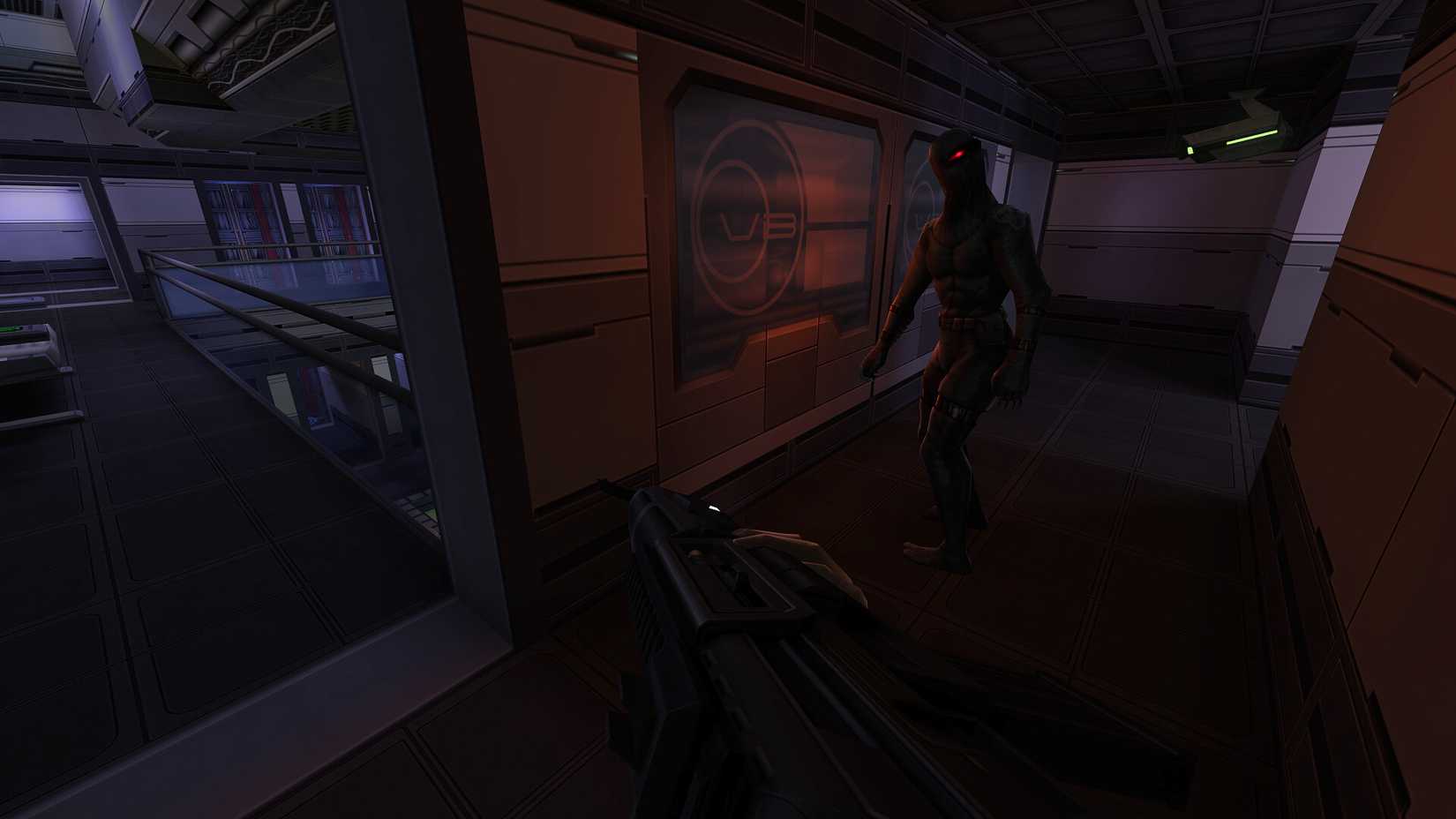
The game’s narrative spans centuries, following characters who uncover a dark conspiracy involving ancient evils and forbidden tomes. This ambitious storytelling, coupled with its intricate world-building, provides a rich tapestry of lore that rewards deep exploration. The sanity effects are not mere cosmetic additions; they actively manipulate the player’s perception, creating moments of genuine unease and paranoia. From virtual "error messages" appearing on screen to the game seemingly resetting itself, Eternal Darkness masterfully plays with player expectations and psychological manipulation.
The fact that a game of this caliber, with such a groundbreaking mechanic, has not been more readily available to modern audiences is a genuine disservice to horror enthusiasts. It represents a unique vision that has yet to be replicated, a testament to its "lightning in a bottle" status. For those fortunate enough to experience it, Eternal Darkness offers a profound and unforgettable journey into the abyss of the human psyche.
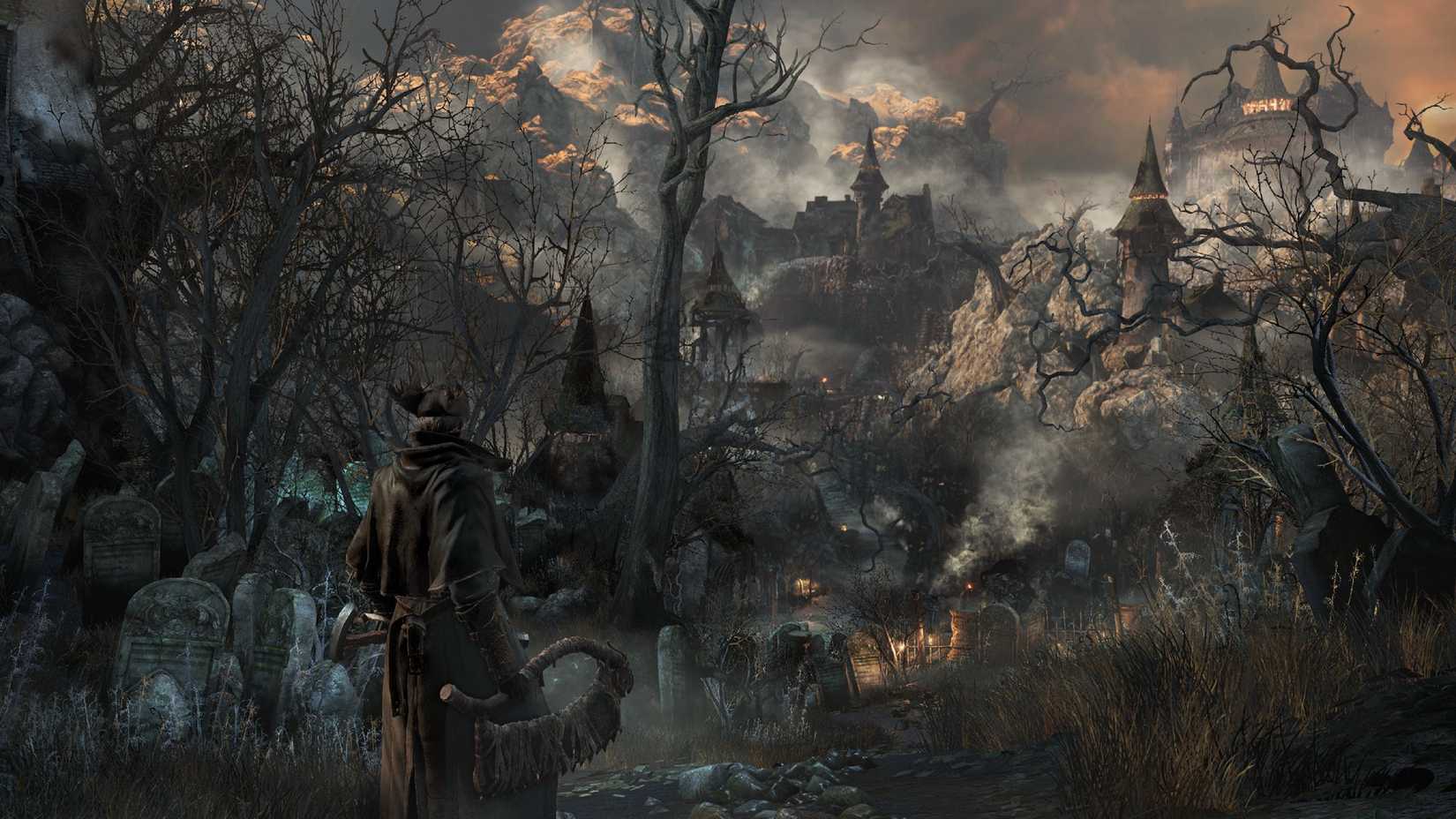
Bloodborne: The Gothic Nightmare of Souls
MetaCritic Score: 92
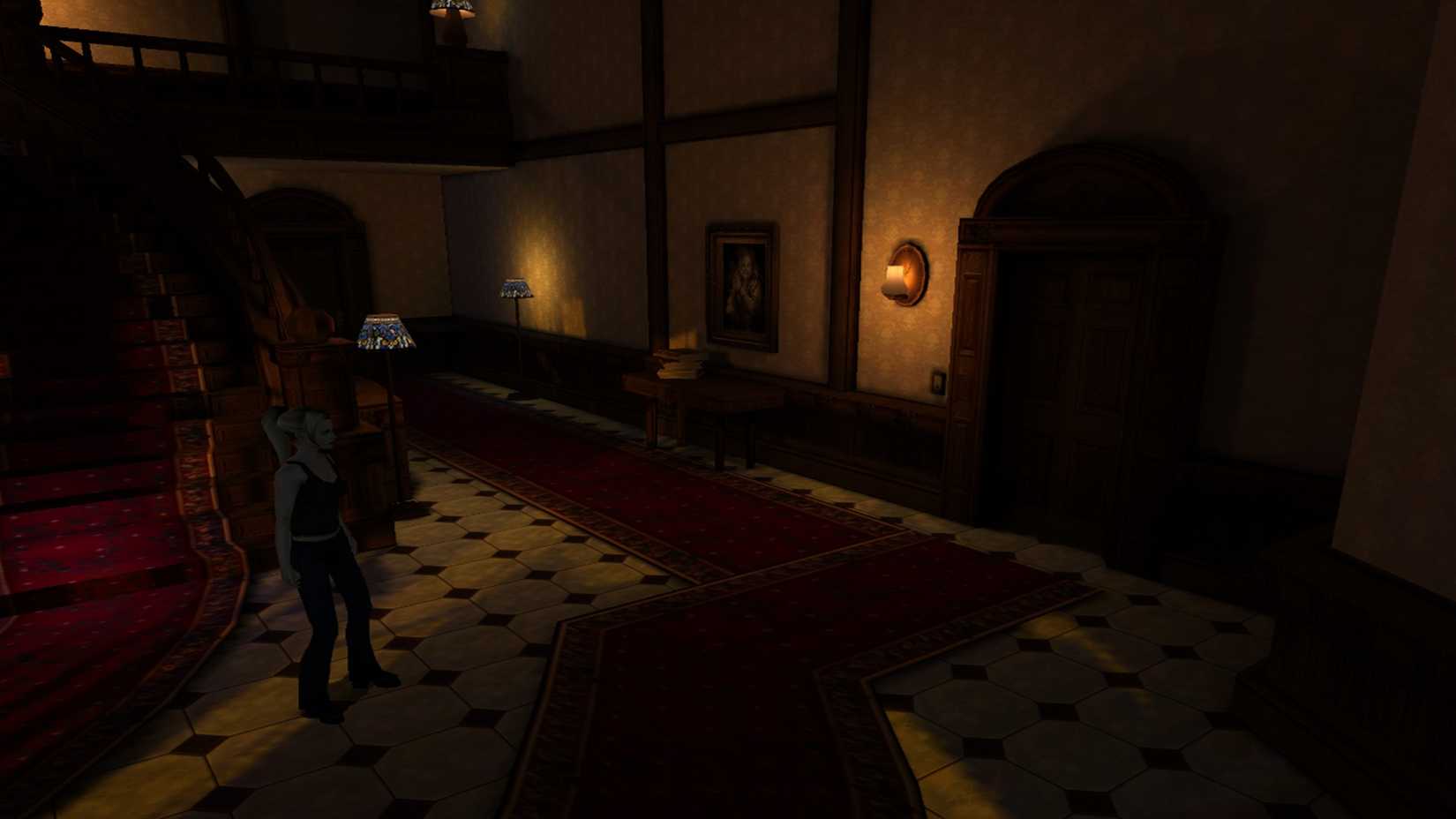
FromSoftware’s Bloodborne, a PlayStation 4 exclusive released in 2015, has firmly established itself as a titan in the action RPG and horror genres. Its Metacritic score of 92 reflects its masterful blend of challenging gameplay, intricate lore, and a suffocatingly atmospheric world. Despite its notorious difficulty, a hallmark of the Souls-like subgenre, Bloodborne has garnered a massive and dedicated fanbase, so much so that it is even inspiring an animated movie adaptation by prominent YouTuber Jacksepticeye.
The game transports players to the cursed Victorian-era city of Yharnam, a place steeped in Lovecraftian horror and gothic architecture. The combat system emphasizes aggressive, fast-paced encounters, rewarding players who embrace risk and retaliate with the "Regain" system. Beyond the visceral combat, Bloodborne’s true genius lies in its fragmented narrative and deeply layered lore. Much of the story is not explicitly told but is instead pieced together through item descriptions, environmental clues, and cryptic NPC dialogue, encouraging meticulous exploration and interpretation.
Yharnam itself is a character in the game, a city that feels alive with a terrifying beauty and a palpable sense of decay. This vibrant yet horrifying world-building, combined with the signature Soulsborne challenge, creates an experience that is both punishing and incredibly rewarding. For players who relish the thrill of overcoming insurmountable odds and unraveling deep, unsettling mysteries, Bloodborne remains an unparalleled masterpiece.
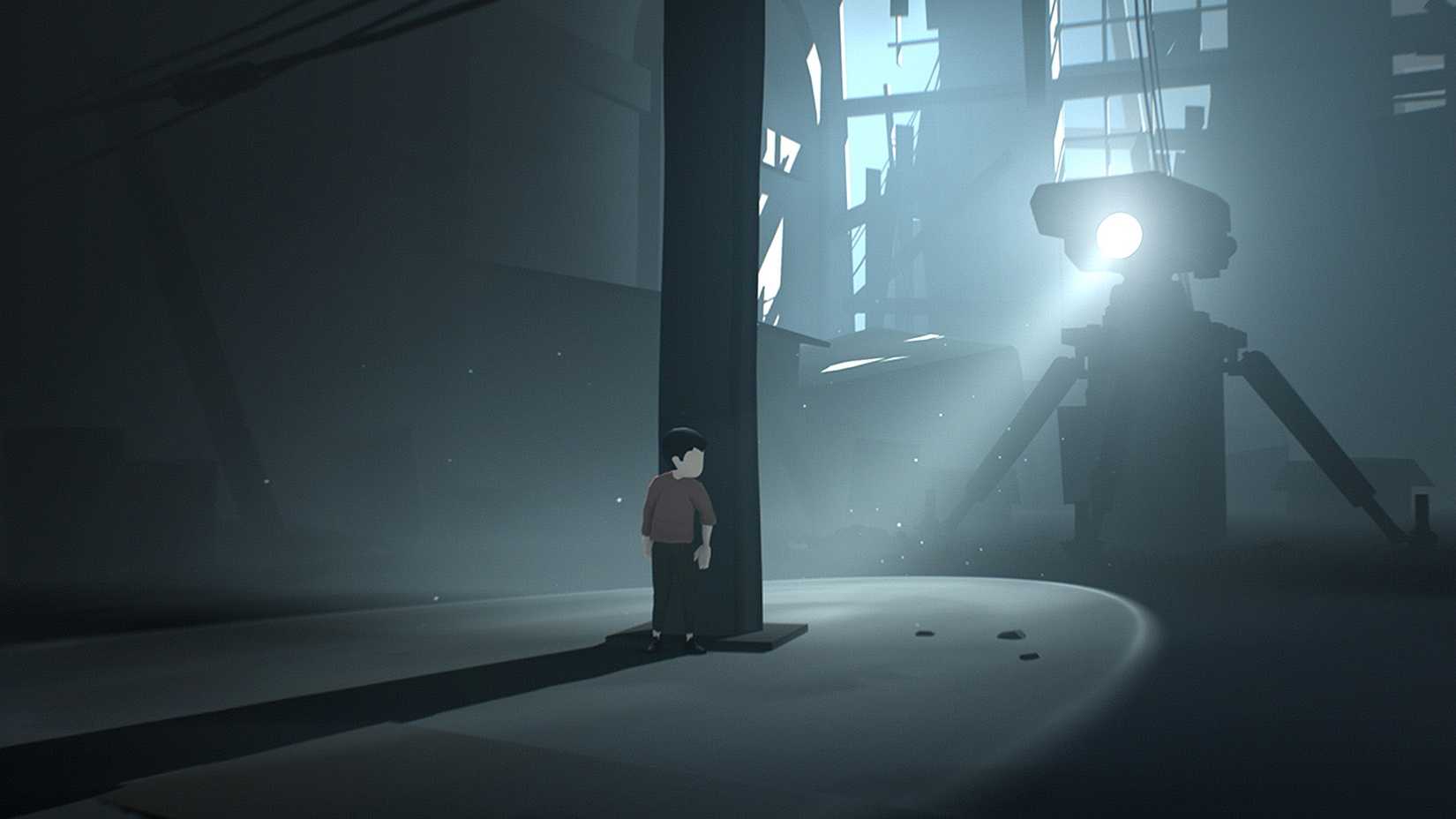
INSIDE: A Masterpiece of Environmental Storytelling
MetaCritic Score: 93
Playdead’s INSIDE, released in 2016, is a puzzle-platformer that masterfully tells its story through its environment and atmosphere, eschewing dialogue entirely. Its impressive 93 Metacritic score places it among the highest-rated indie titles and horror-adjacent experiences. The game draws parallels to its predecessor, Limbo, in its bleak aesthetic and reliance on environmental cues to convey narrative and tension.
Players control a nameless boy navigating a dystopian world filled with oppressive machinery, shadowy figures, and unsettling scientific experiments. The brilliance of INSIDE lies in its organic unfolding of events. The game never over-explains itself, allowing players to infer meaning from the unfolding horrors and bizarre occurrences. This minimalist approach creates a deeply immersive and thought-provoking experience, forcing players to actively engage with the world and piece together its disturbing narrative.

The game’s dark, moody atmosphere, coupled with its seamless environmental storytelling, makes it a standout title for horror fans who appreciate subtlety and intelligent design. It’s a testament to the power of suggestion and the impact of a well-crafted world that can evoke profound emotions and chilling dread without a single spoken word. INSIDE is a true gem that demonstrates the artistic potential of video games to deliver impactful narratives through pure gameplay and visual design.
The Last of Us: Part II: A Controversial Masterpiece
MetaCritic Score: 93
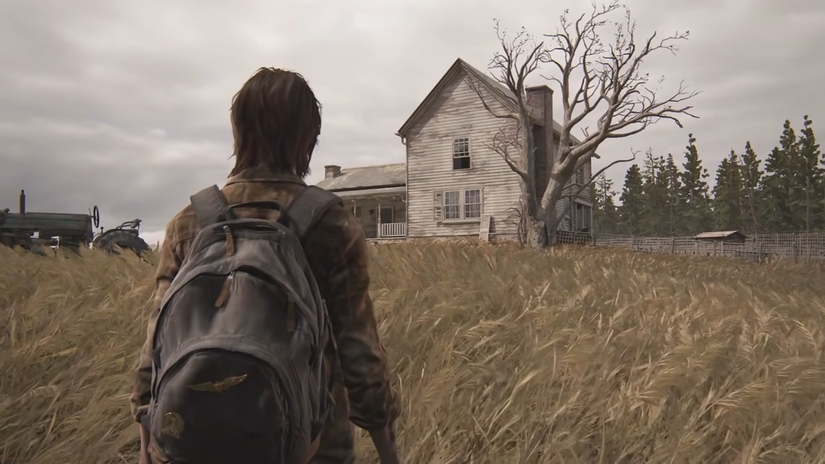
Naughty Dog’s The Last of Us Part II, released in 2020, is a game that continues to spark debate and inspire passionate discussion. Despite its divisive narrative choices, the game was met with widespread critical acclaim, earning a Metacritic score of 93 and securing numerous Game of the Year awards. Its success lies not only in its technical prowess but also in its unflinching exploration of complex themes like revenge, trauma, and the cyclical nature of violence.
The game’s narrative picks up several years after the events of the first title, following Ellie on a brutal quest for retribution. While the story itself was a point of contention for many, the game’s technical execution is undeniable. The performances are stellar, the character animations are remarkably lifelike, and the gameplay mechanics are refined and visceral. The AI is notably more sophisticated than in the original, leading to more challenging and dynamic combat encounters.
Even with the release of The Last of Us Part II Remastered in 2024, which scored a 90, the original’s impact remains profound. The remaster, while offering graphical enhancements and new content, did not fundamentally alter the experience that divided players. Ultimately, The Last of Us Part II is a testament to the power of ambitious storytelling in games, pushing boundaries and challenging player expectations, even if those choices lead to controversy. It is a game that demands to be experienced and discussed, cementing its place as a significant entry in the modern gaming landscape.
Resident Evil Code: Veronica: A Canonized Chapter of Survival
MetaCritic Score: 94
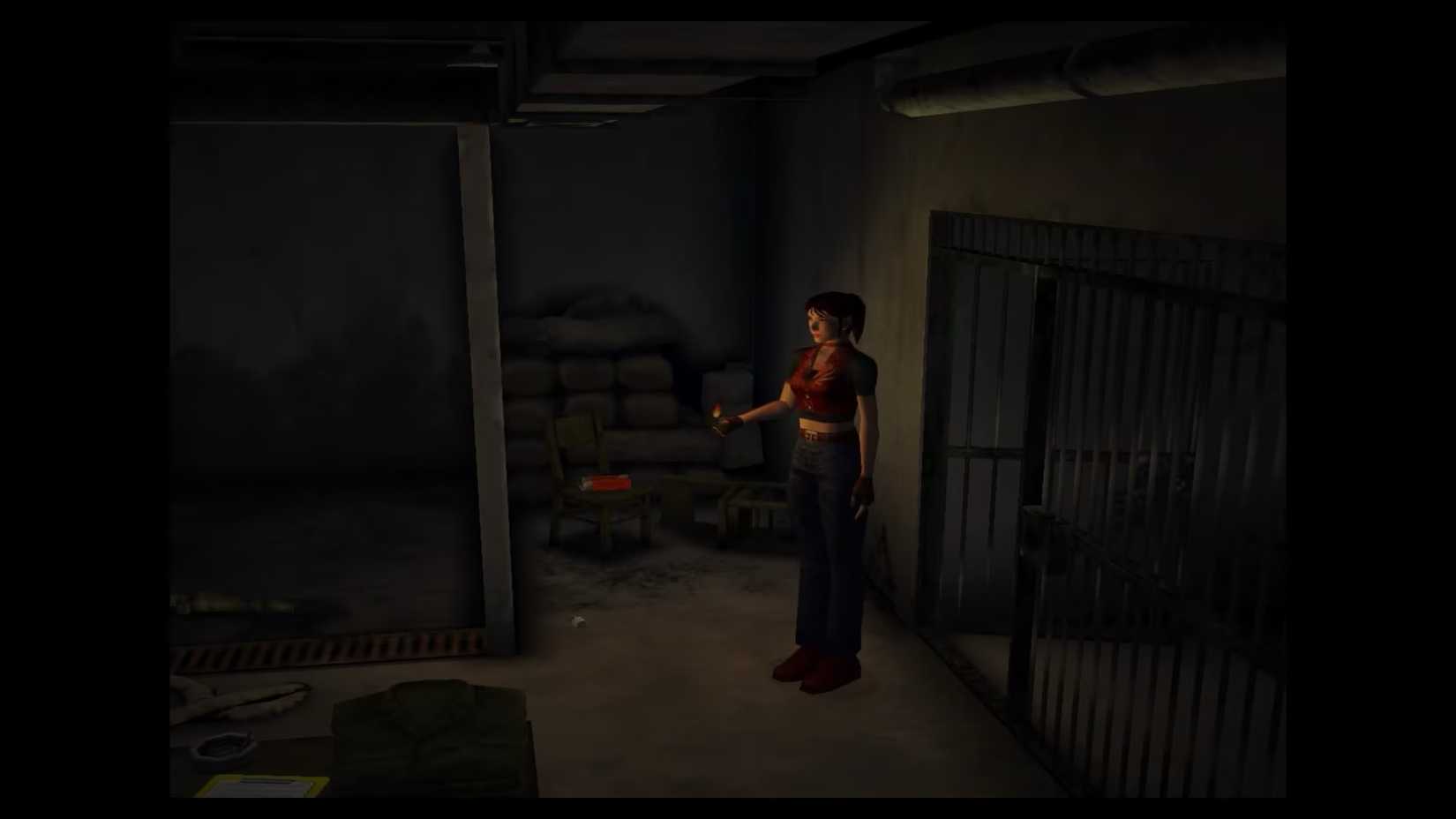
Capcom’s Resident Evil Code: Veronica, released in 2000, holds a significant place in the beloved survival horror franchise. Its Metacritic score of 94 underscores its critical success and its importance within the Resident Evil canon. As one of the few "side" games that is integral to the main storyline, it offers crucial developments in the overarching narrative, particularly concerning the Ashford family.
The game is lauded for its compelling story, its blend of classic Resident Evil survival horror mechanics, and its genuinely creepy atmosphere. While some of its narrative elements and characterizations, particularly concerning Alfred Ashford, are unique and perhaps even quirky, the game delivers the trademark tension, puzzle-solving, and resource management that fans of the series have come to expect.
The recent confirmation of a Resident Evil Code: Veronica Remake has generated considerable excitement, with many eager to see how Capcom will modernize this beloved entry. The prospect of re-experiencing the game’s chilling narrative with contemporary graphics and gameplay mechanics is highly anticipated. The challenge for the remake will be to retain the original’s unique charm and unsettling tone while navigating potentially sensitive themes with the delicacy they deserve.
The Last of Us (2013): Redefining Emotional Storytelling
MetaCritic Score: 95
Naughty Dog’s original The Last of Us, released in 2013, stands as a landmark achievement in video game storytelling and a pivotal moment for the horror genre. Its near-perfect Metacritic score of 95 is a testament to its profound impact on players and the industry. The game’s gripping narrative, exceptional character development, and emotionally resonant themes redefined what was possible in interactive storytelling.
The game’s opening sequence alone is a masterclass in emotional manipulation, immediately plunging players into a world ravaged by a fungal pandemic and forcing them to confront the harsh realities of survival. The journey of Joel and Ellie across a desolate America is not just a quest for survival but a deep exploration of human connection, loss, and the moral complexities of a post-apocalyptic world. The game’s influence can be seen in the subsequent rise of more cinematic and emotionally driven experiences in the gaming landscape.

The Last of Us’s narrative is a masterclass in character-driven drama set against a bleak backdrop where survival often trumps morality. The game’s phenomenal execution, from its tight gameplay to its breathtaking visuals and poignant score, earned it widespread acclaim. Many, including this author, believe it was unjustly denied Game of the Year in 2013, a testament to its revolutionary impact.
BioShock: An Underwater Odyssey of Ideology and Horror
MetaCritic Score: 96
BioShock, released in 2007, emerged from the ashes of System Shock’s studio, Irrational Games, and became a spiritual successor that far surpassed its predecessor in critical reception. Scoring an outstanding 96 on Metacritic, BioShock is celebrated for its masterful fusion of atmospheric horror, engaging gameplay, and a deeply philosophical narrative.

The game’s setting, the underwater city of Rapture, is a character in itself. This art deco dystopia, built on the ideals of radical Objectivism, is a haunting testament to the dangers of unchecked ambition and ideological extremism. Players are thrust into this decaying utopia, navigating its treacherous corridors, battling deranged Splicers, and uncovering the secrets of its downfall.
BioShock’s narrative is its crowning achievement. The story is expertly told, with twists and revelations that continue to resonate with players long after they’ve put down the controller. The game’s branching narrative paths, influenced by player choices, add a layer of replayability and personal investment. While subsequent entries in the BioShock franchise have been well-received, the original remains the undisputed champion, a benchmark for narrative-driven first-person shooters and a chilling exploration of societal collapse.
Half-Life and Half-Life 2: Pillars of First-Person Revolution
MetaCritic Score: 96 (for both)
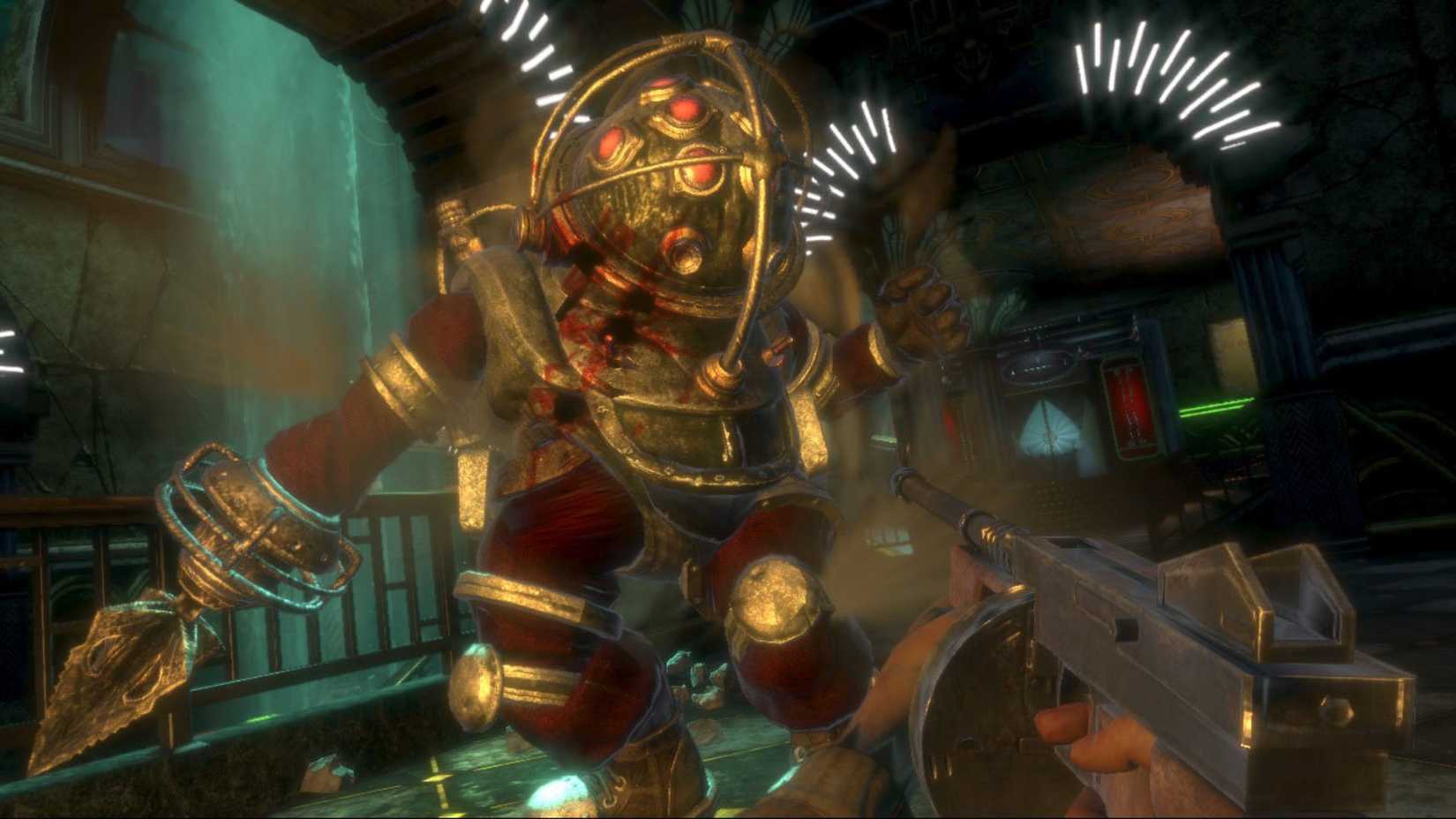
Valve’s Half-Life franchise, encompassing both the original 1998 release and its 2004 sequel, Half-Life 2, stands as a monumental achievement in PC gaming. Both titles boast an impressive Metacritic score of 96, a rare feat of critical consensus that highlights their enduring legacy and revolutionary impact on the first-person shooter genre.
The Half-Life series is renowned for its seamless integration of narrative and gameplay. The original Half-Life broke new ground by telling its story entirely through the player’s perspective, without relying on cutscenes. This immersive approach, coupled with its innovative physics and intelligent enemy AI, set a new standard for the genre. Half-Life 2 built upon this foundation, introducing the groundbreaking Source engine and the iconic Gravity Gun, which allowed for unprecedented player interaction with the game world.
The enduring appeal of the Half-Life games lies not only in their polished gameplay and captivating storylines but also in their robust modding communities. The Source engine has spawned countless fan-made experiences, including the critically acclaimed horror mod Cry of Fear, which further demonstrates the engine’s versatility and the franchise’s lasting influence. The persistent demand for a third installment, even after decades, speaks to the profound connection players have with these titles and the worlds they inhabit.
Resident Evil 4 (2005): The Genesis of Modern Survival Horror
MetaCritic Score: 96
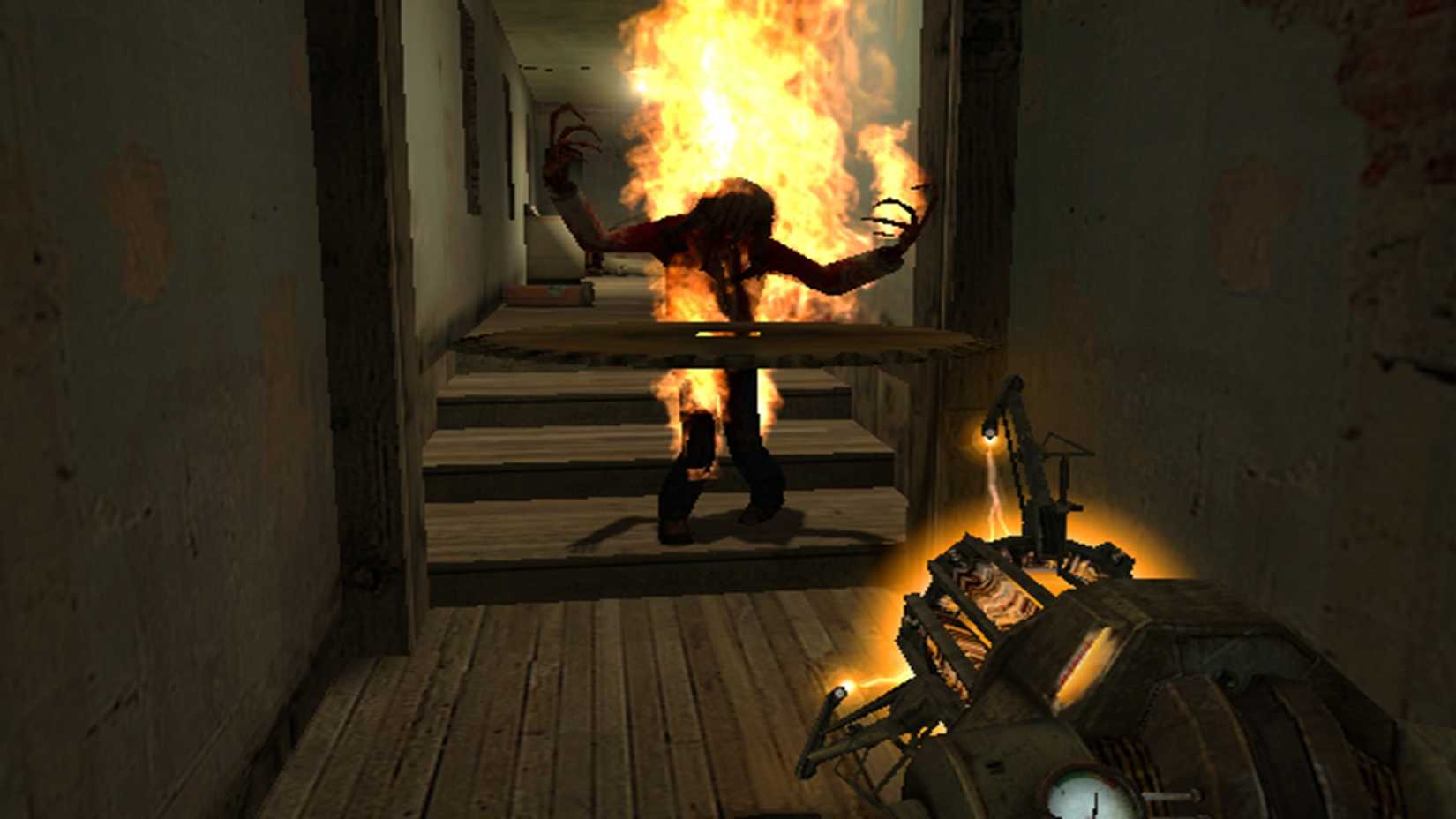
It is no surprise that Resident Evil 4, released in 2005, sits at the pinnacle of highly-rated horror games. Widely regarded as the definitive survival horror experience, its impact on modern gaming is immeasurable. Scoring a phenomenal 96 on Metacritic, the game not only revitalized the Resident Evil franchise but also fundamentally reshaped the landscape of the third-person shooter genre.
Resident Evil 4 masterfully redefined survival horror by shifting to an over-the-shoulder perspective, a design choice that would be emulated by countless games in the years that followed. Its blend of intense action, strategic resource management, and chilling atmosphere created a gameplay loop that was both terrifying and incredibly addictive. The game’s innovative mechanics, memorable enemies, and iconic set pieces cemented its status as a genre-defining masterpiece.

While the recent Resident Evil 4 Remake (2023) achieved a strong score of 93, it’s the original’s groundbreaking nature that truly sets it apart. For many, Resident Evil 4 was their gateway into the survival horror genre, introducing them to the genre’s unique blend of fear and exhilaration. Its enduring popularity and the continued adoration for the classic version, even over its technically superior remake, underscore its special place in the hearts of gamers and its undeniable legacy as a titan of horror gaming.


 Lina Irawan
 Sagoh
Sagoh