

At Computex 2026, the tech industry witnessed a paradigm shift that many analysts are describing as the most significant development in personal computing since Apple’s transition to its custom M-series silicon in 2020. Nvidia, the undisputed titan of the GPU market, has officially entered the integrated processor space with the unveiling of the RTX Spark Super Chip family. This bold move represents a direct challenge to the traditional dominance of Intel, AMD, and Qualcomm, signaling that Nvidia is no longer content to merely supply the graphics engines for high-performance laptops—they now intend to command the entire computing architecture.
The Genesis of a Disruptive Force
The announcement, delivered by CEO Jensen Huang during his keynote in Taipei, marks the culmination of a three-year collaborative effort between Nvidia and Microsoft. The goal, according to Huang, is to "reinvent the PC for the first time in 40 years." By integrating a high-performance Grace CPU with a powerful Blackwell-architecture GPU on a single die, Nvidia is aiming to redefine what users can expect from a portable machine.
The "Spark" architecture is built on TSMC’s cutting-edge 3nm process, designed to bridge the gap between ultrathin portability and workstation-grade performance. This isn’t just a modest improvement in speed; it is an architectural overhaul intended to transition the Windows ecosystem toward a "proactive, agentic AI" future, where local machine learning capabilities become the baseline rather than an afterthought.
Chronology of the Shift
The rumors surrounding Nvidia’s internal "N1X" project—now revealed as the RTX Spark—have circulated through industry circles for months. However, the official unveiling at Computex 2026 provides the first clear timeline for a rollout that will reshape the retail landscape:
- June 2026: Official unveiling at Computex; initial technical specifications confirmed.
- Summer 2026: Developer kits and specialized hardware partner samples are distributed to major OEMs (Dell, HP, Lenovo, Asus, etc.).
- Fall 2026: The first wave of RTX Spark-powered consumer laptops hits retail shelves.
- Late 2026/Early 2027: Expansion into the small form-factor desktop and mini-PC market.
This aggressive timeline suggests that Nvidia has been working behind the scenes with software giants like Adobe, which has confirmed that it is currently rebuilding its creative suite—specifically Photoshop and Premiere Pro—to optimize them for the unique unified memory architecture of the Spark chip.
Technical Specifications: Power Under the Hood
The RTX Spark is not merely a laptop chip; it is a powerhouse of integrated efficiency. The architecture boasts several key features that set it apart from current x86 or ARM-based competitors:
- CPU: Up to 20-core Grace CPU architecture.
- GPU: Blackwell-derived graphics engine with up to 6,144 CUDA cores, supporting the latest DLSS 4.5 technology.
- Memory: Unified LPDDR5X memory ranging from 16GB to 128GB, providing a massive 300GB/s bandwidth.
- Efficiency: Designed for a thermal design power (TDP) of up to 80 watts, allowing for high performance in thin-and-light chassis.
- AI Performance: Delivering 1 Petaflop of local AI compute power, specifically tailored for on-device generative AI and agentic workflows.
The First Wave: A New Breed of Laptops
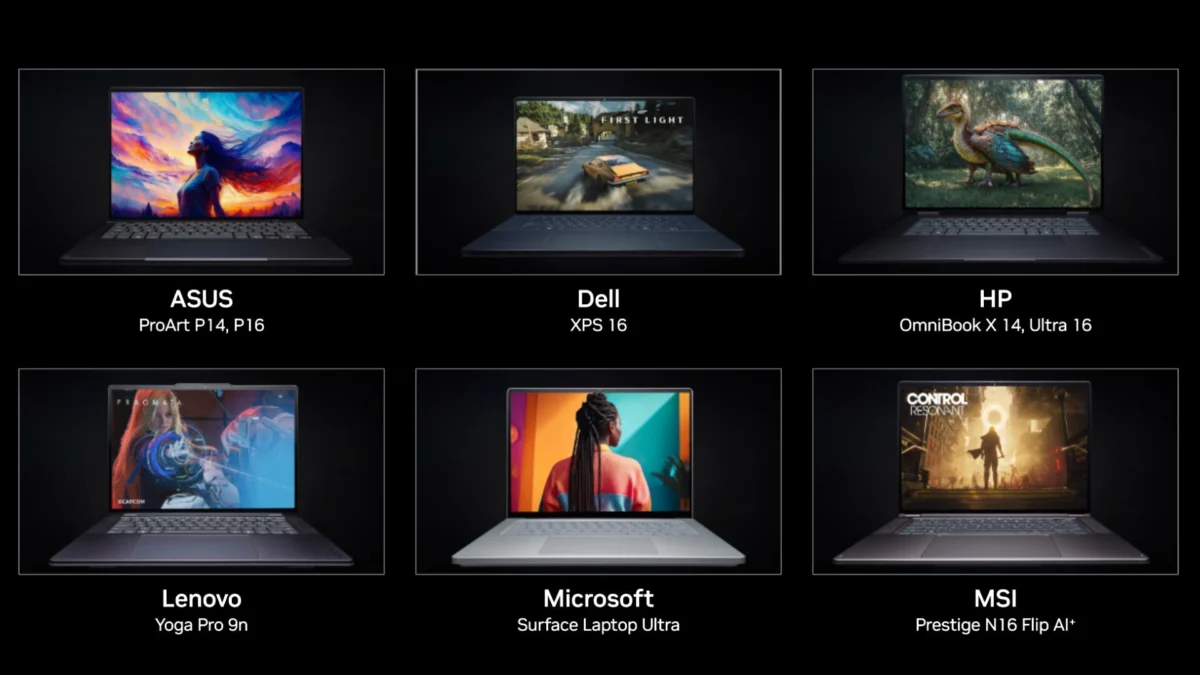
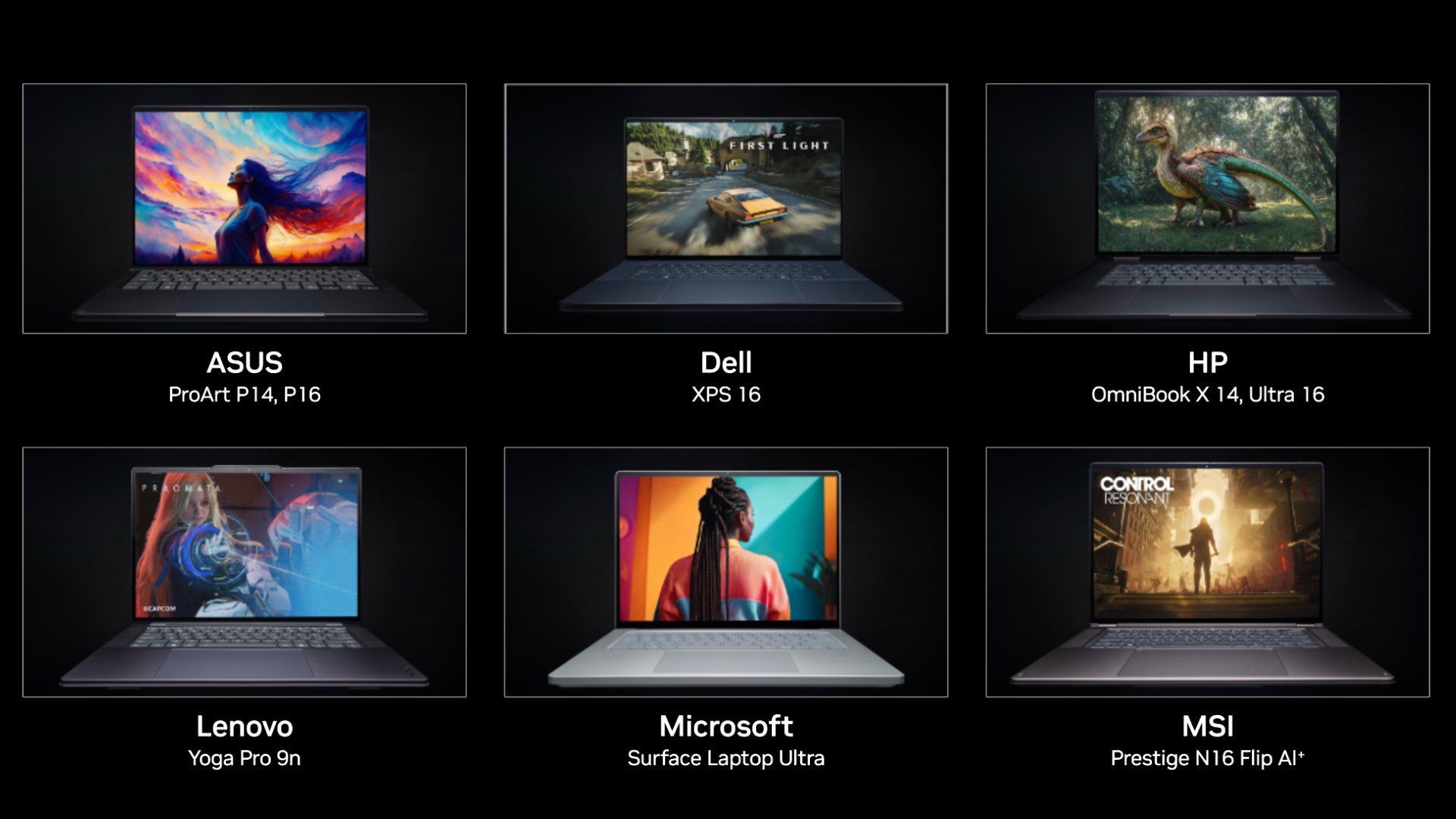
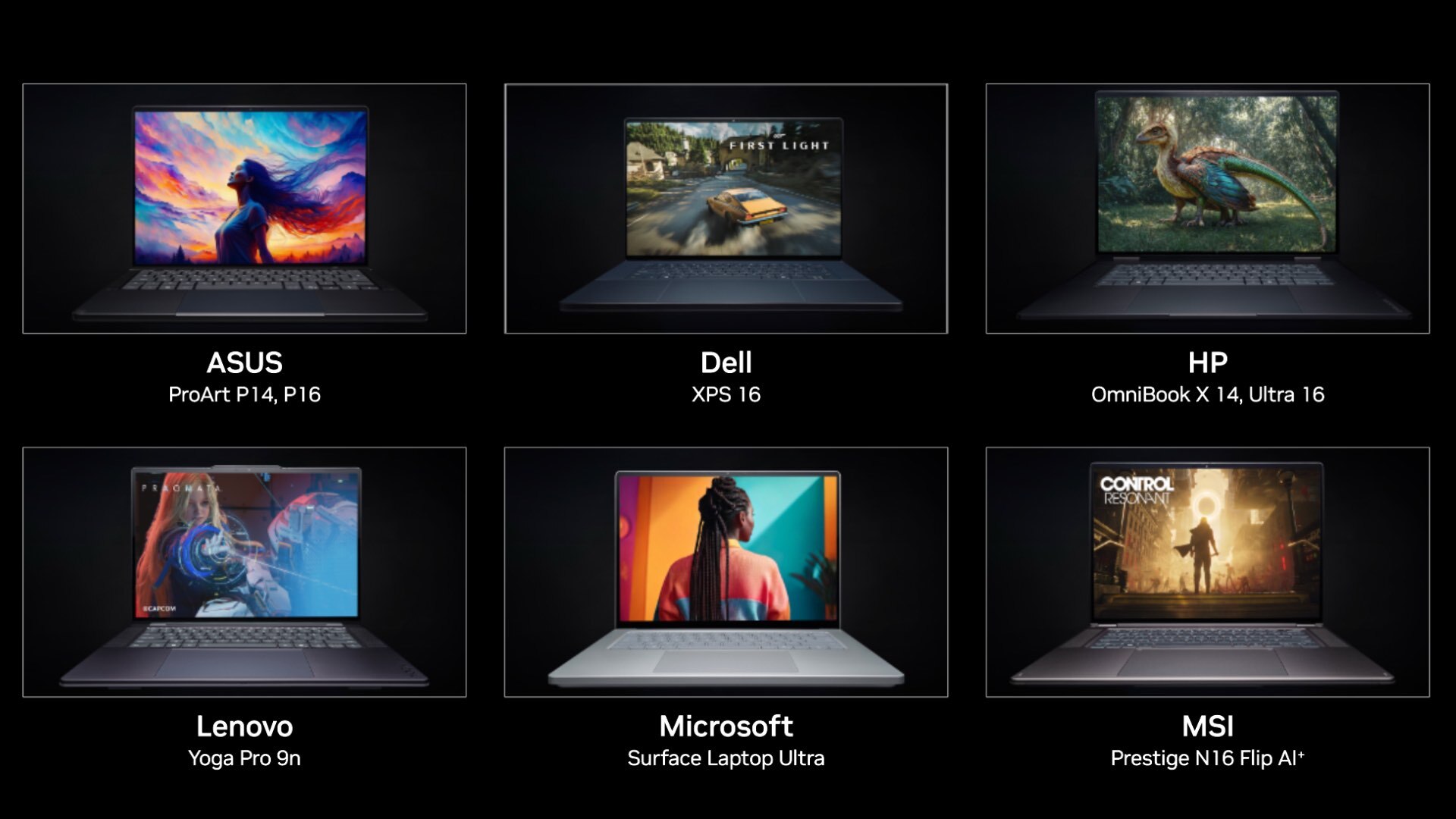
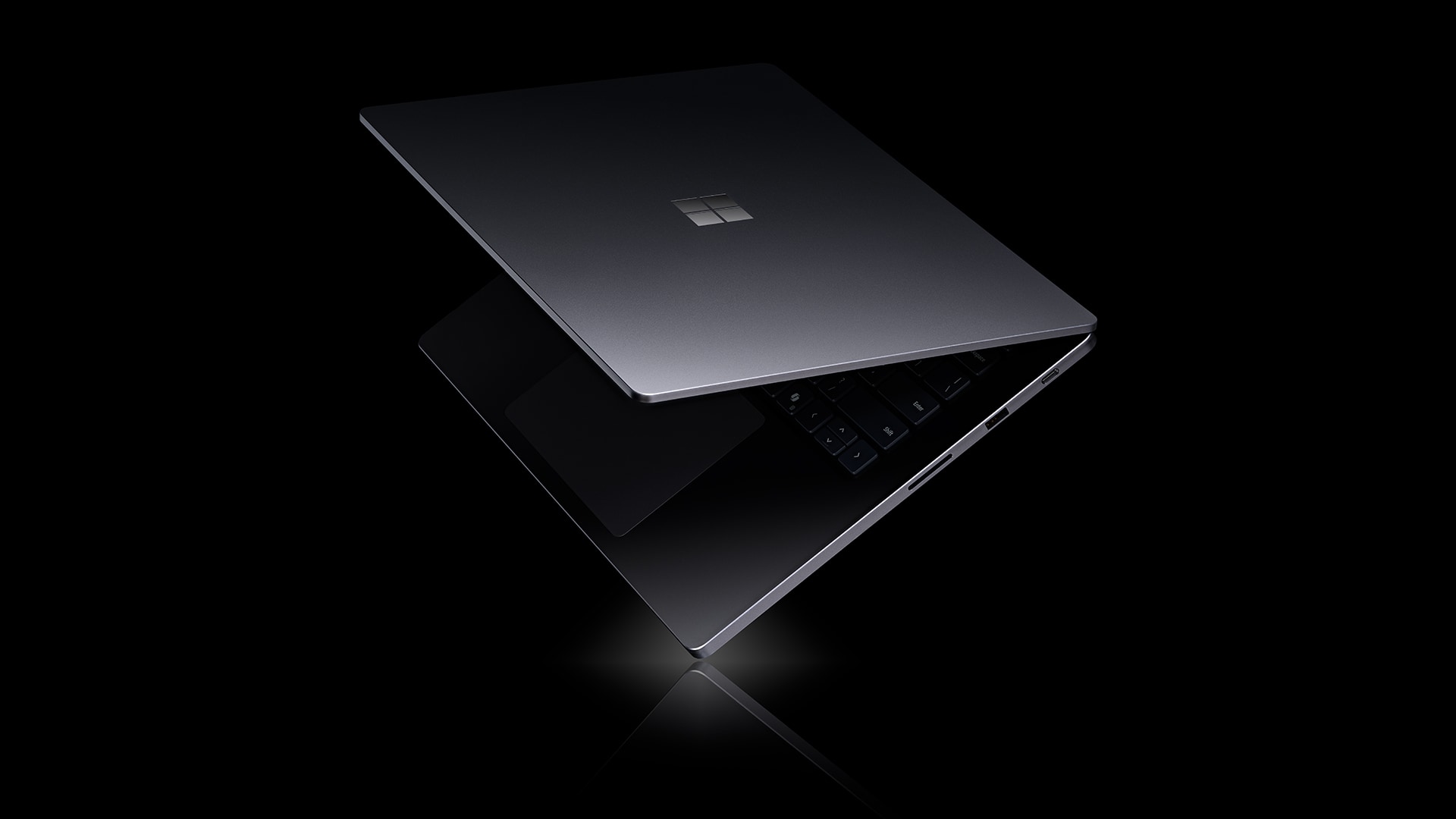
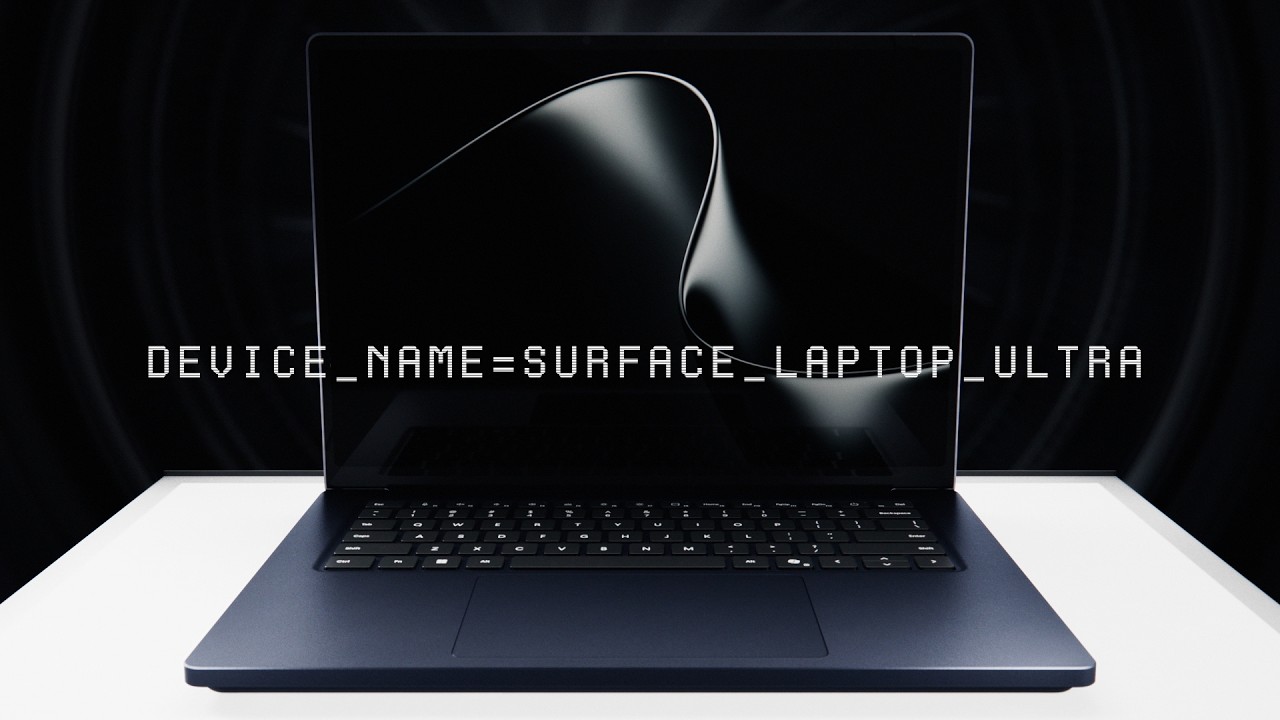
The industry response has been immediate, with major OEMs announcing a slew of devices designed to harness the power of Spark. Among the most anticipated is the Microsoft Surface Laptop Ultra. Rumored to be a true "MacBook Pro killer," this 15-inch powerhouse features a mini-LED touchscreen with a staggering 2,000 nits of peak brightness. It is designed to handle local AI model processing that would typically require a desktop-class machine.
Other notable upcoming devices include:
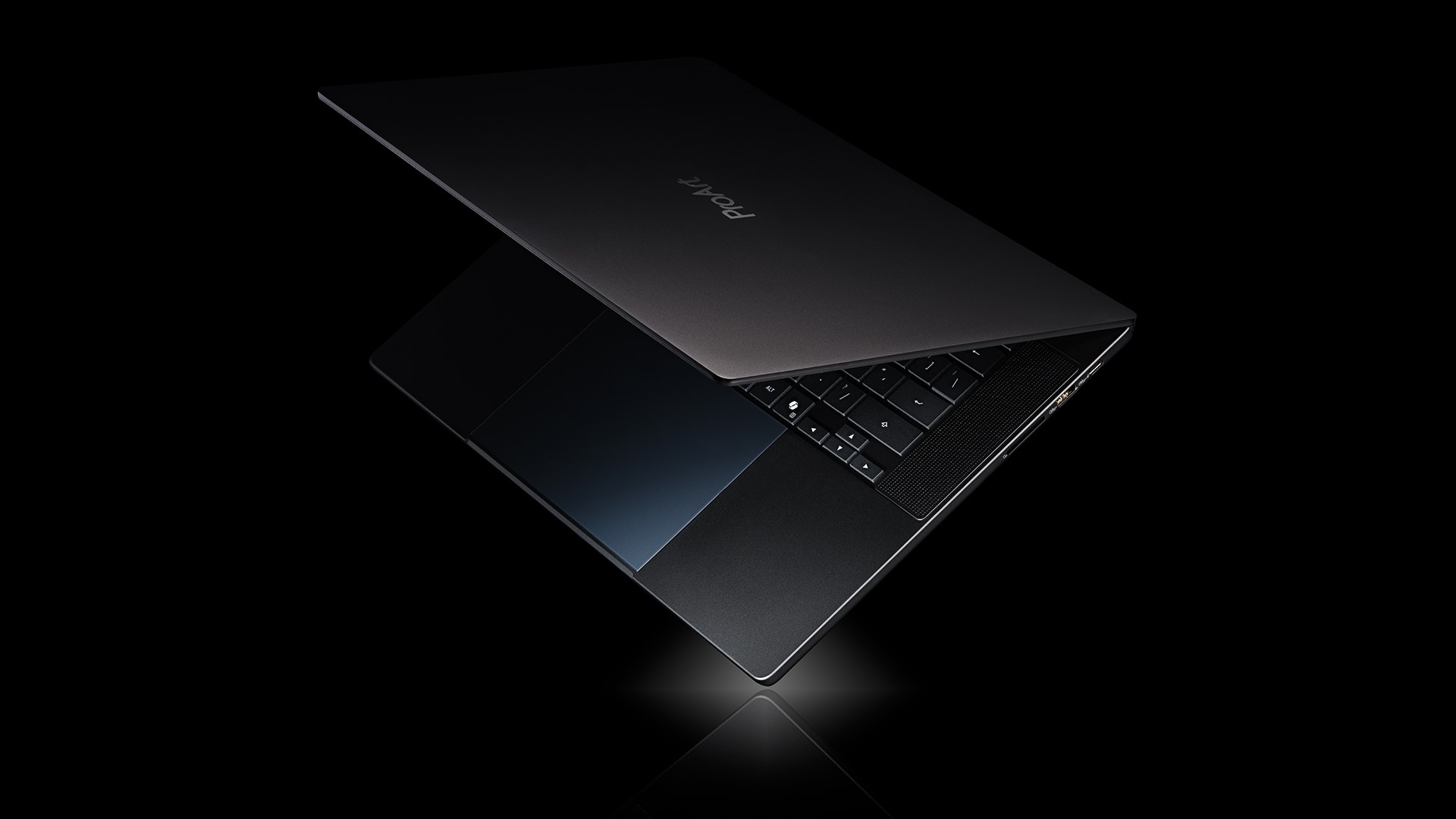
- Asus ProArt P16 and P14: Geared toward creative professionals, these units feature 120Hz OLED panels and are designed to push the boundaries of portable rendering.
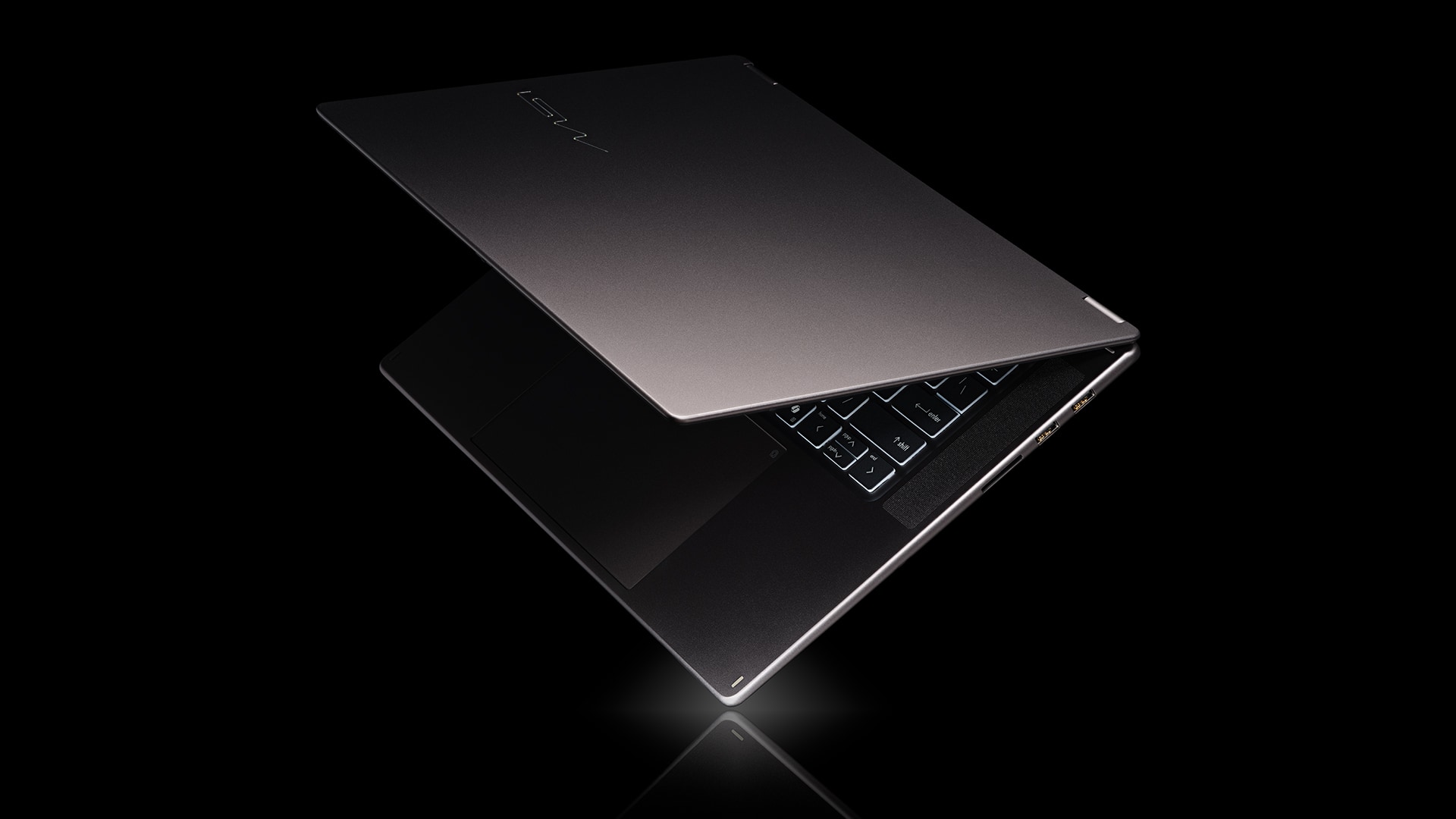
- MSI Prestige N16 Flip AI Plus: A 2-in-1 convertible that promises to marry premium thin-and-light aesthetics with the brute force of the Spark chip.
- Dell XPS 16: A refinement of Dell’s classic workhorse, maintaining its signature aluminum chassis while gaining the massive performance benefits of the unified Spark architecture.
- HP OmniBook X 14 and Ultra 16: HP is positioning these as the "thinnest RTX Spark laptops," focusing on mobility without sacrificing the ability to run heavy creative toolchains.
- Lenovo Yoga Pro 9n: A flagship 16-inch creator machine that aims to solve the battery life limitations often seen in Intel-powered performance laptops.
Implications for the Ecosystem
The entry of Nvidia into the integrated chip market has massive implications for both gamers and professionals.
The End of the "Silicon War" or the Beginning?
By bringing Windows-on-Arm compatibility together with its own high-end gaming stack, Nvidia is effectively neutralizing the performance gap that has previously existed between thin-and-light laptops and dedicated gaming rigs. With DLSS 4.5 and the raw power of 6,144 CUDA cores, these machines are expected to handle triple-A gaming at 100 FPS with real-time ray tracing—a feat that was previously unthinkable in a portable form factor.
The Agentic AI Future
Perhaps the most significant implication is the shift toward "agentic" AI. Because the Spark chip can deliver 1 Petaflop of local performance, these laptops are no longer just tools for launching apps; they are designed to function as AI agents. This means the computer can proactively manage workflows, automate complex tasks, and process heavy AI models locally, without the latency or privacy concerns associated with cloud-based AI processing.
Developer and Software Shifts
Adobe’s commitment to rebuilding its software stack is a canary in the coal mine. It indicates that the industry expects the RTX Spark to become a standard, not a niche. If major software developers optimize for this architecture, it creates a "virtuous cycle" where more apps run better on Spark, leading to higher adoption, which in turn leads to further developer support.
Official and Industry Perspectives
While the atmosphere at Computex was one of excitement, there is a lingering question regarding pricing and market accessibility. Samuel Chang of HP noted that the goal is to "eliminate setup friction and accelerate the path from idea to execution," emphasizing that the integration of hardware and software is the key to this generation of PCs.
However, industry analysts are keeping a cautious eye on the cost. Integrating high-bandwidth memory and complex chip-on-die architectures is expensive. Consumers should likely prepare for a premium price point when these devices hit the shelves in the fall.
Conclusion: A Turning Point
Nvidia’s RTX Spark announcement is more than just a product launch; it is a declaration of intent. By verticalizing the PC stack—controlling the CPU, the GPU, and the AI compute—Nvidia is effectively attempting to do to the Windows laptop market what Apple did to the Mac.
For the average user, the promise of a thin, light machine with elite battery life and the power to crush desktop-class production and gaming is incredibly enticing. As we move toward the fall, the focus will shift from the specs on a sheet to the real-world experience. If Nvidia can deliver on the promise of the RTX Spark, the days of choosing between portability and performance may finally be over. The "Spark" may indeed ignite a new era of computing—one where the laptop is no longer just a window into the digital world, but an intelligent, powerful partner in creating it.












No comments yet. Be the first to join the conversation!