

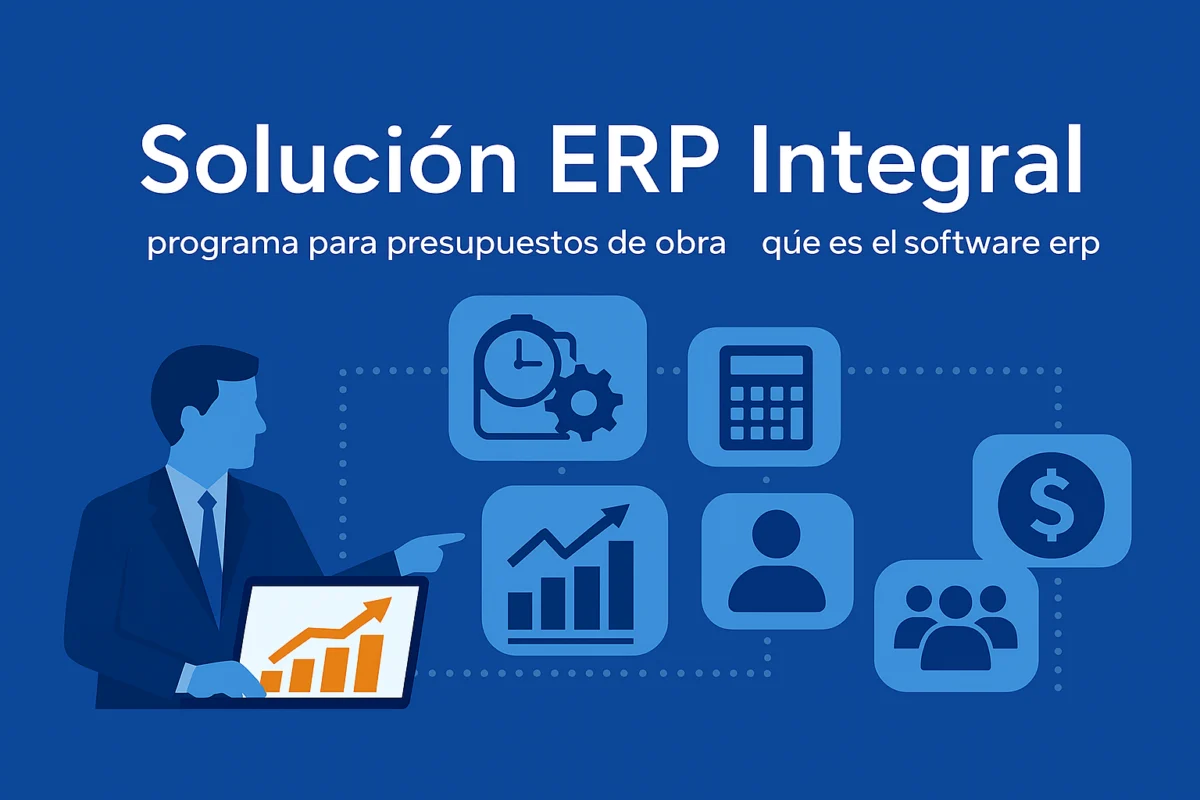
In the contemporary landscape of digital transformation, the term "Enterprise Resource Planning" (ERP) has transcended its original definition as a mere administrative tool. It has become the central nervous system of the modern enterprise. As companies navigate an era defined by volatile supply chains, hybrid work models, and the urgent need for data-driven agility, platforms like Cegid Ekon have emerged as critical infrastructure. By unifying disparate operational silos into a single, cohesive digital environment, Cegid Ekon offers more than just data management; it provides a strategic framework for organizational longevity and competitive superiority.
Main Facts: The Architecture of Integration
At its core, Cegid Ekon is a modular, cloud-ready ERP system designed to bridge the gap between legacy processes and future-ready innovation. The fundamental premise of the platform is the creation of a "Single Source of Truth." In traditional business environments, information is often fragmented—financial data exists in one spreadsheet, logistics in another, and human resources in a third. This fragmentation leads to delays, manual errors, and a fractured view of business health.
Cegid Ekon dismantles these information silos. By integrating workflows across all business units, it ensures that when a product is sold, the inventory is updated, the finance module reflects the receivable, and the logistics department receives a real-time notification to initiate shipping. This synchronization ensures consistency, high-level visibility, and full traceability in real-time. The platform’s architecture is specifically engineered to be scalable, allowing small-to-medium enterprises (SMEs) to adopt essential features initially and expand into complex, industry-specific modules as their operational needs evolve.
Chronology: The Evolution of Modern ERP
The journey of ERP systems has mirrored the technological evolution of the last four decades:
- 1990s – Early 2000s: The "On-Premise Era." ERPs were massive, rigid, and expensive deployments that required dedicated server rooms and specialized IT departments.
- 2010s: The Shift to Flexibility. Developers began prioritizing modularity. Companies no longer wanted monolithic systems; they wanted to plug and play specific functionalities.
- Present Day: The "Intelligent Cloud Era." Modern solutions like Cegid Ekon represent the current pinnacle of this evolution. By leveraging cloud-native architectures, these platforms now offer advanced analytics, AI-assisted forecasting, and "what-if" scenario modeling that were once the exclusive domain of enterprise-level software giants.
Cegid Ekon has successfully positioned itself within this trajectory by focusing on the "human" element of software: ensuring that despite the complexity of the backend, the frontend remains intuitive and accessible to the workforce.
Supporting Data: Operational Capabilities
The strength of the Cegid Ekon platform lies in its diverse array of specialized modules. Below is a breakdown of the core functionalities that drive operational excellence:
| Functional Area | Key Capabilities |
|---|---|
| Project Management | Resource allocation, Gantt chart visualization, milestone tracking, and precise cost-to-completion analysis. |
| Logistics (WMS/TMS) | End-to-end inventory control, multi-route transport optimization, and automated picking/receiving protocols. |
| Accounting | Multi-location/multi-currency ledger management, automated bank reconciliation, and regulatory compliance updates. |
| Finance | Cash flow forecasting, "what-if" financial modeling, budget variance analysis, and automated debt management. |
| Human Resources | Integrated payroll, performance evaluation workflows, employee self-service portals, and absence management. |
| Construction Budgets | Specialized modules for construction firms to compare actual costs against original estimates and manage site-specific deviations. |
Official Perspectives: The Strategic Value
Industry experts and analysts emphasize that the implementation of a system like Cegid Ekon is not merely an IT upgrade, but a fundamental business transformation.
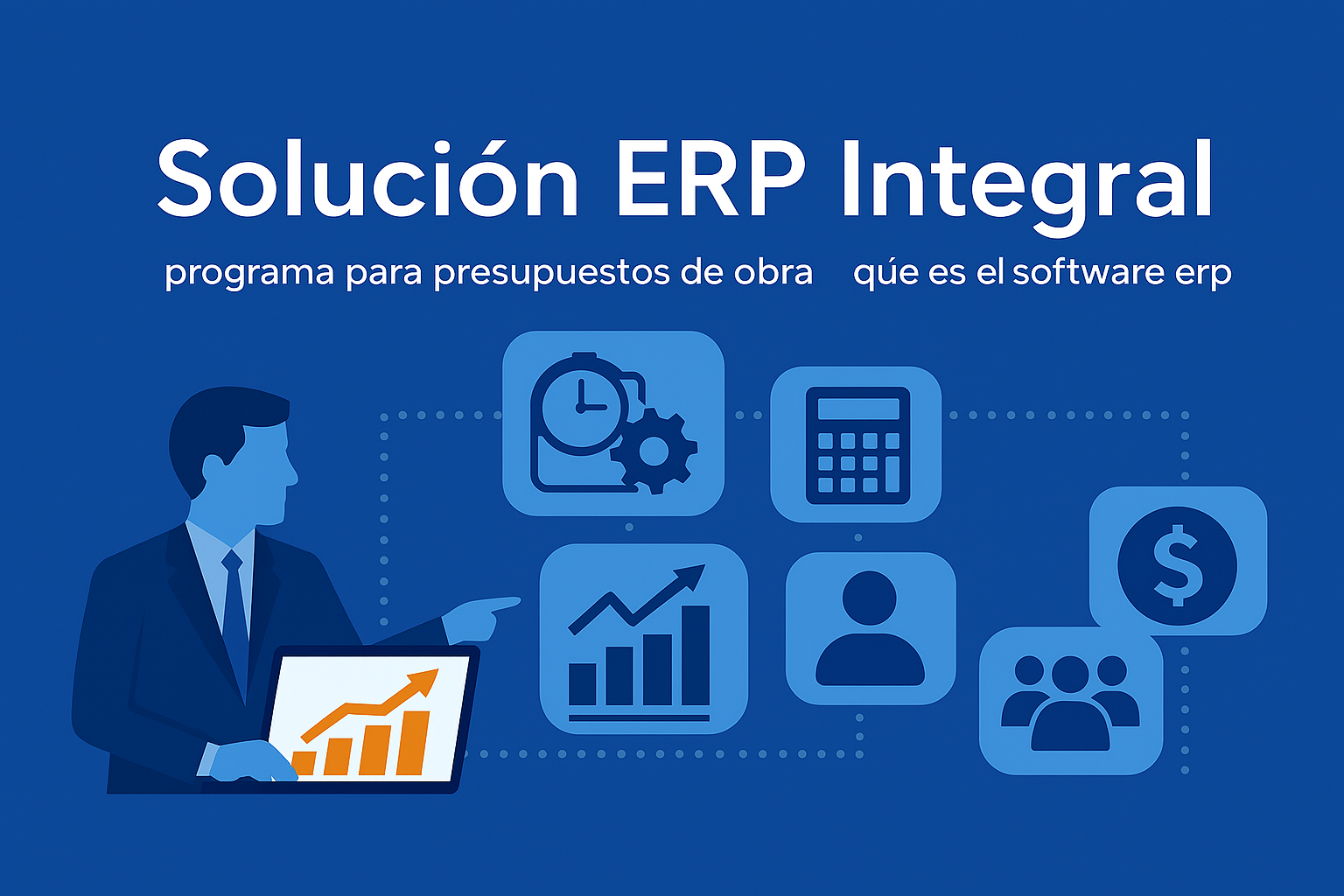
Why Agility Matters
The primary argument for adopting a robust ERP is "operational resilience." In a post-pandemic world, businesses that rely on manual reporting are at a disadvantage. Official guidance from technology architects suggests that the transition to Cegid Ekon typically follows a four-stage process:
- Diagnostic & Analysis: Mapping current processes to identify bottlenecks.
- Configuration: Tailoring modules to match specific industry workflows.
- Migration: Secure transfer of historical data to the new ecosystem.
- Training & Adoption: Ensuring the workforce understands the data-entry and reporting requirements for maximum ROI.
Competitive Differentiation
Cegid Ekon distinguishes itself through its specific focus on "local-global" compliance. While many international ERPs struggle with local tax laws or labor regulations, Cegid Ekon is built with deep knowledge of local regulatory requirements, reducing the risk of non-compliance and administrative friction.
Implications: The ROI of Digital Transformation
The financial justification for investing in a comprehensive ERP system is often quantifiable within 12 to 24 months of deployment. The Return on Investment (ROI) is realized through three primary channels:
- Cost Reduction: By automating repetitive administrative tasks, companies reduce human error and reallocate human capital to higher-value strategic initiatives.
- Inventory Optimization: With accurate, real-time tracking, businesses avoid the capital-draining trap of overstocking or the revenue-losing trap of stockouts.
- Strategic Decision Making: The shift from "gut-feeling" decisions to data-driven insights allows management to pivot based on real-time financial snapshots rather than waiting for end-of-month reporting.
Furthermore, the "what-if" analysis capabilities allow for risk management that was previously inaccessible. For example, a finance department can simulate the impact of a 10% increase in raw material costs on the final profit margin, allowing for proactive adjustments in pricing or supplier selection.
Future Outlook: Sustainability and Growth
As we look toward the future, the role of ERP systems will only deepen. Integration with Artificial Intelligence (AI) and Machine Learning (ML) is the next frontier. We expect platforms like Cegid Ekon to move toward "Predictive ERP," where the system will not just report what happened, but predict what will happen—warning managers about potential inventory shortages before they occur or suggesting optimal budget allocations based on historical trends.
For any organization aiming to scale, the choice of an ERP is a choice about the company’s future. By opting for a modular, flexible, and comprehensive solution like Cegid Ekon, companies are not just buying software; they are purchasing a foundation upon which they can build, scale, and thrive in an increasingly complex global economy.
Final Conclusion
The digital transformation journey is rarely linear, but the destination is clear. In a world where data is the most valuable currency, having a system that organizes, protects, and leverages that data is the ultimate competitive advantage. Whether it is a construction firm utilizing specialized project management tools or a global distributor optimizing multi-modal logistics, Cegid Ekon acts as the catalyst for growth. As businesses continue to face the pressures of digital change, the ability to rely on a platform that grows alongside the company is not just a luxury—it is a necessity for long-term survival and leadership in the market.











