Lina Hope
Fighting games serve as the bedrock of the gaming industry. They single-handedly defined the arcade era of the 1980s and 1990s, transforming local pizza parlors and mall arcades into competitive arenas where reputations were forged in quarter-fed, high-stakes matches. While the genre experienced a period of stagnation in the mid-2000s, the modern era has seen a spectacular resurgence.
As of June 2026, we find ourselves in what many historians of the medium are calling a "Second Golden Age." The 2020s have delivered a diverse array of titles, ranging from bold independent experiments to massive, high-budget blockbusters from industry titans. This renaissance is not merely about volume; it is about the evolution of accessibility, netcode, and the integration of cinematic storytelling.
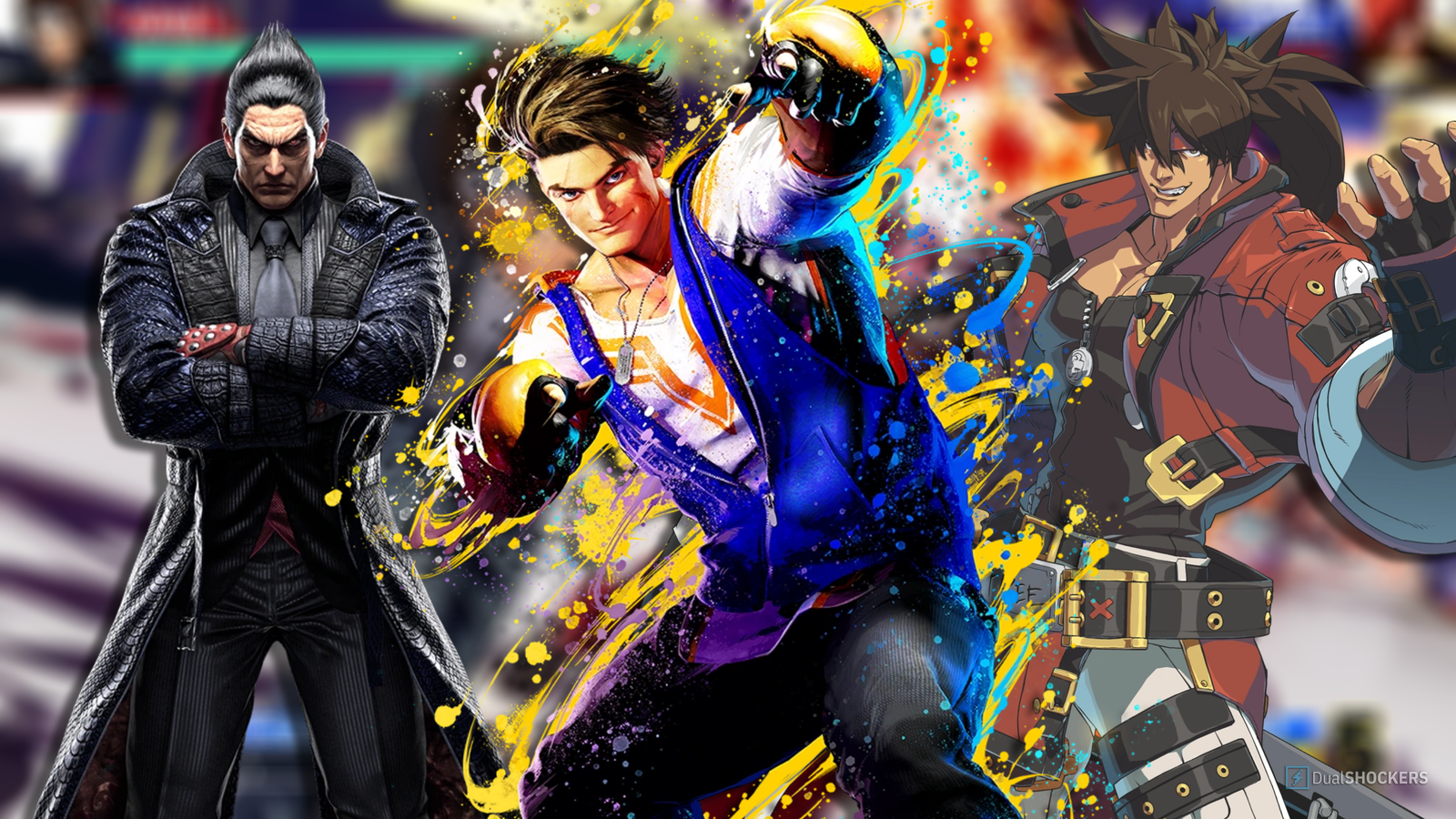
The Evolution of the FGC: A Chronology of the 2020s
The current landscape of the Fighting Game Community (FGC) is defined by a shift toward inclusivity and cross-platform connectivity. The following titles have acted as the primary pillars of this movement, each contributing unique innovations that have reshaped the competitive standard.
10. Mortal Kombat 1 (2023)
NetherRealm Studios remains the master of the cinematic fighting experience. Mortal Kombat 1 continued the franchise’s tradition of high-fidelity graphics and brutal, iconic fatalities. While the game faced criticism for aggressive monetization and a lackluster Nintendo Switch port, its core innovation—the "Kameo" system—fundamentally changed the flow of combat by allowing players to summon assist characters mid-match. This layer of strategy, combined with a blockbuster narrative, keeps it a staple of the current generation.
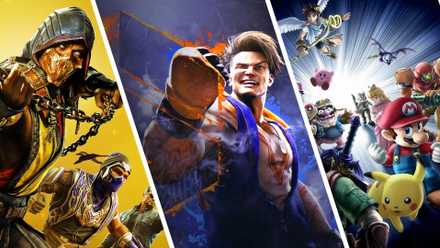
9. Fatal Fury: City of the Wolves (2025)
After a 26-year hiatus, SNK shocked the world by reviving Fatal Fury. City of the Wolves serves as a masterclass in modernization. By introducing the "Rev" system—a dynamic toolset for modifying move properties—SNK managed to maintain the series’ classic feel while providing modern depth. The inclusion of eclectic guest characters like Cristiano Ronaldo and Kenshiro from Fist of the North Star proved that SNK isn’t afraid to take risks in this new era.
8. Slap City (2020)
Indie developer Ludosity proved that you don’t need a massive budget to create a competitive phenomenon. Slap City carved out a niche in the platform-fighter subgenre, offering a mechanically distinct alternative to the industry-leading Super Smash Bros. Its "Clutch" button system allowed for unparalleled player expression, and its commitment to robust online play made it a surprising success story that eventually informed the development of Nickelodeon All-Star Brawl.
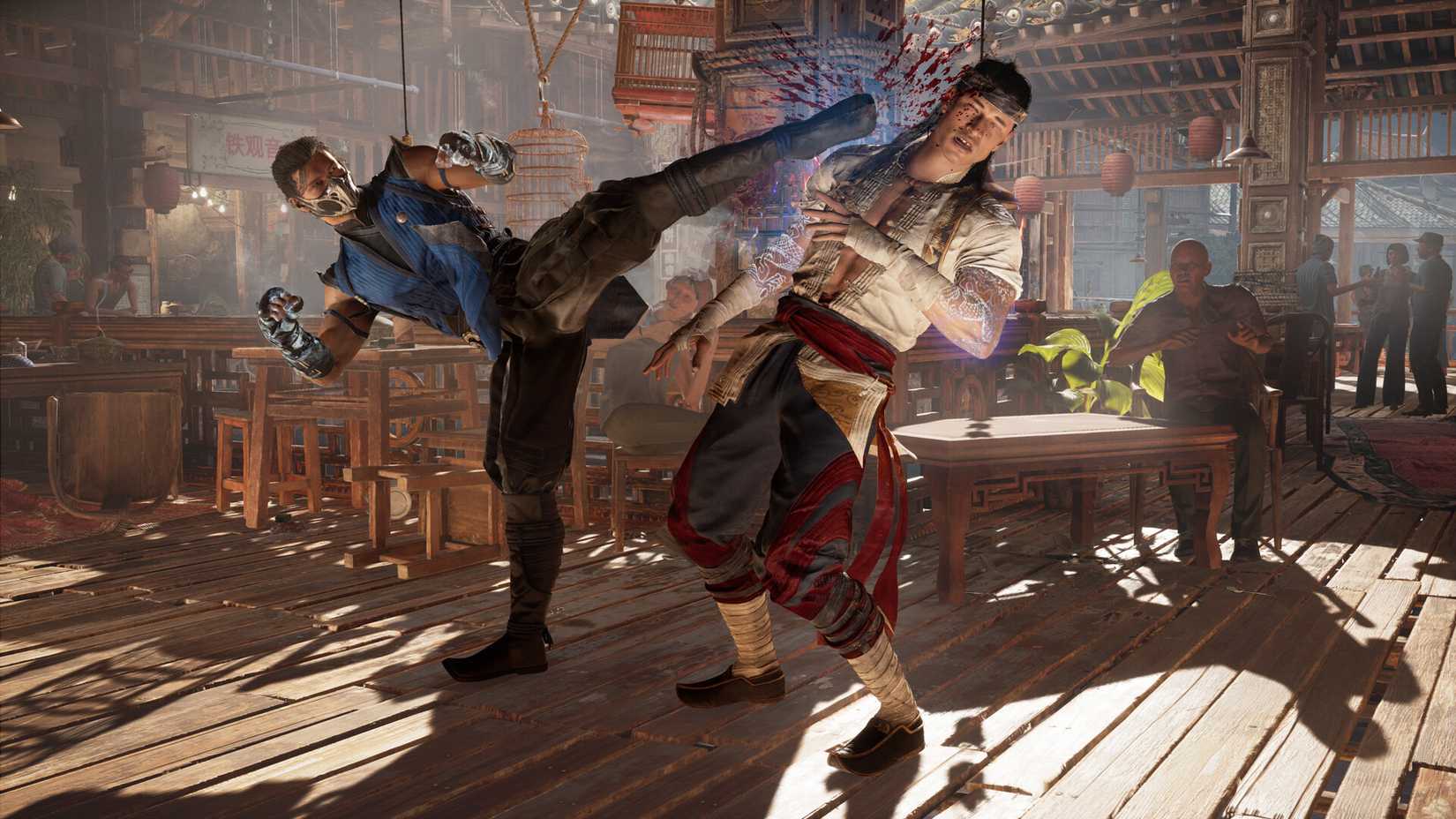
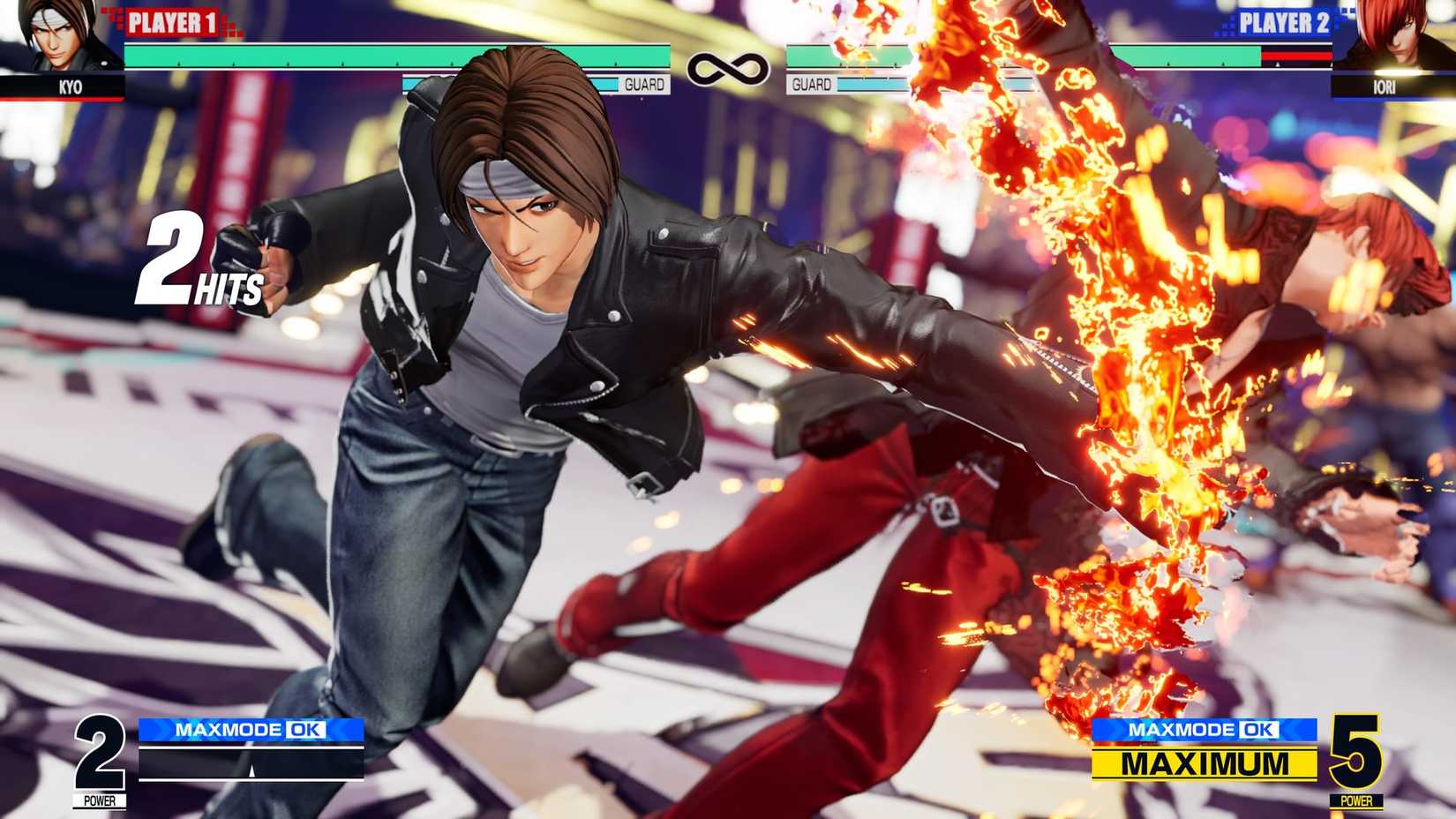
7. The King of Fighters XV (2022)
The King of Fighters XV solidified SNK’s return to form. Moving away from the experimental phases of previous entries, KoF XV doubled down on the classic 3-on-3 team format. The introduction of the "Shatter Strike" parry system and the "Rush" auto-combo feature provided a bridge for newer players to enter a game traditionally known for its high barrier to entry, ensuring the franchise remains relevant in a crowded market.
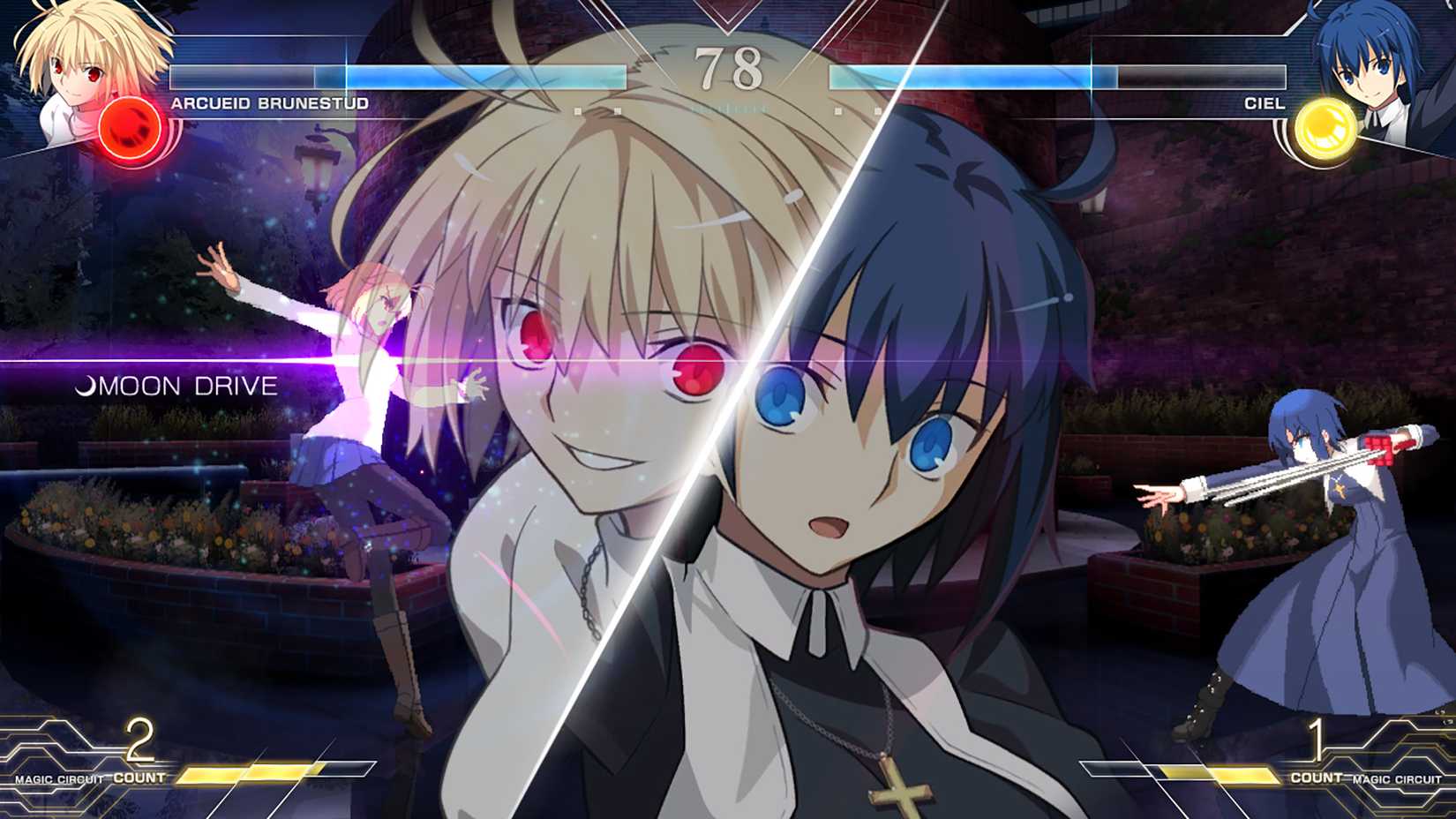
6. Melty Blood: Type Lumina (2021)
Born from the doujin circle scene, Melty Blood has always been a cult classic. Type Lumina elevated this status, bringing the franchise to the global stage at EVO 2022. By incorporating quality-of-life improvements from the Under Night In-Birth series, French-Bread delivered a lightning-fast fighter that prioritizes execution and aggressive momentum, proving that niche visual novel adaptations can command major competitive attention.
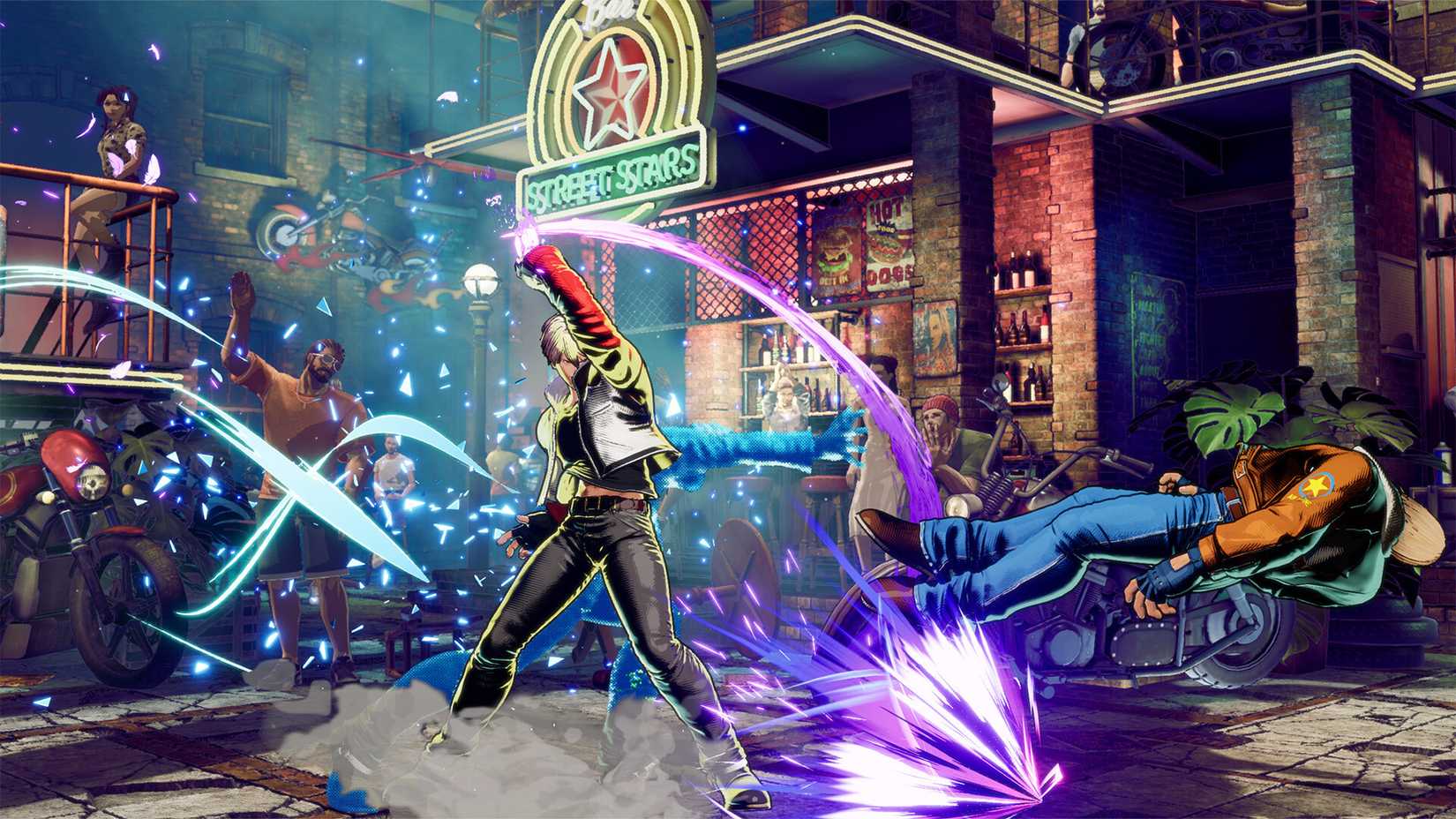
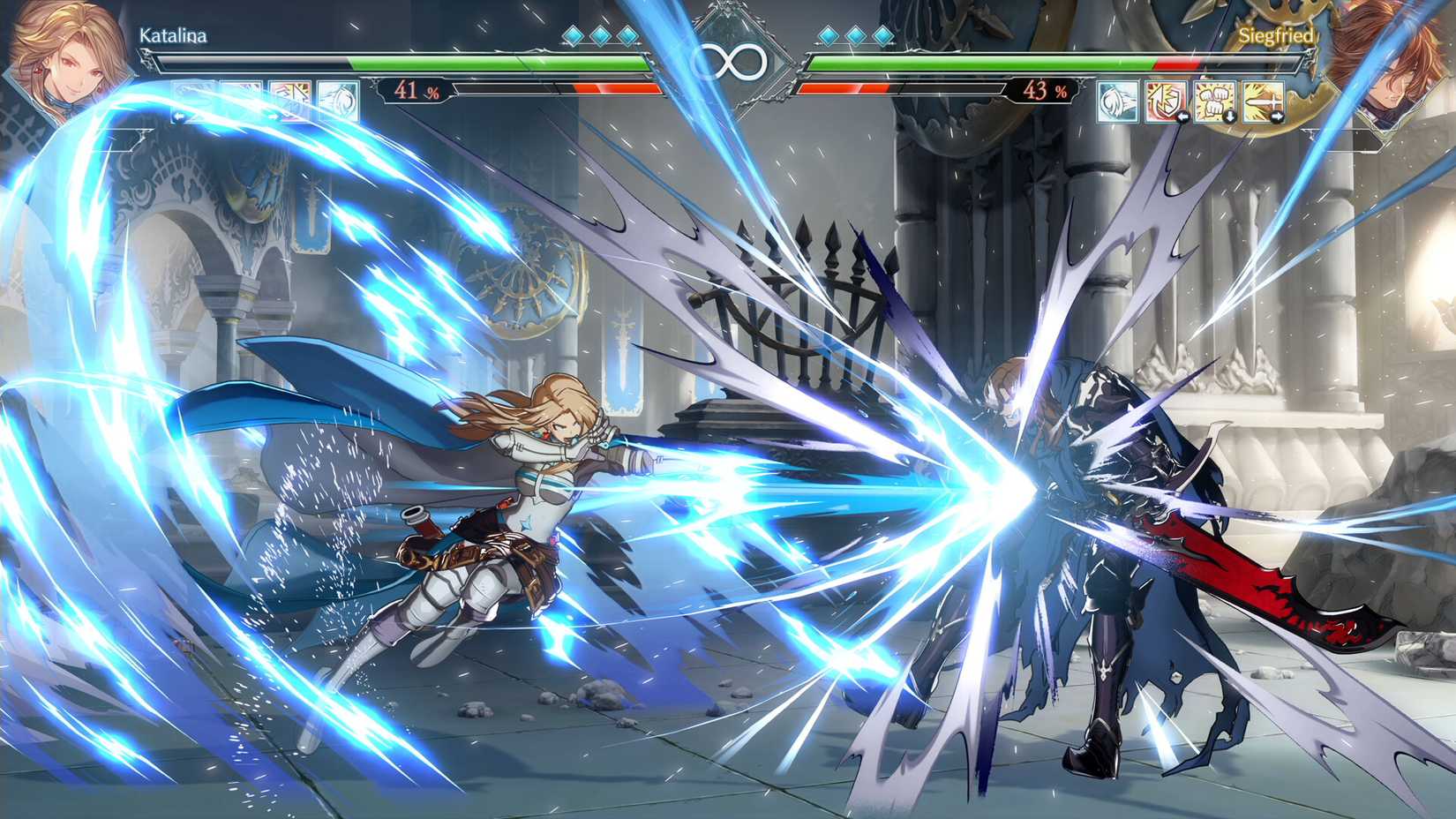
5. Granblue Fantasy Versus: Rising (2023)
Arc System Works has become the gold standard for licensed fighting games. Granblue Fantasy Versus: Rising took the original game’s foundation and rebuilt it with rollback netcode and crossplay—two features that are now non-negotiable for modern fighters. With an accessible control scheme and a surprisingly deep combat engine, it successfully translated a mobile gacha IP into a premier tournament-grade title.
4. Dragon Ball: Sparking! Zero (2024)
Dragon Ball: Sparking! Zero is perhaps the most faithful "toy box" simulator ever created. Spike Chunsoft captured the sheer scale of the Dragon Ball universe, allowing players to recreate iconic battles with an unprecedented level of environmental interaction. Its custom mode, which allows players to create and share their own "what-if" scenarios, has turned the game into a community-driven content engine.
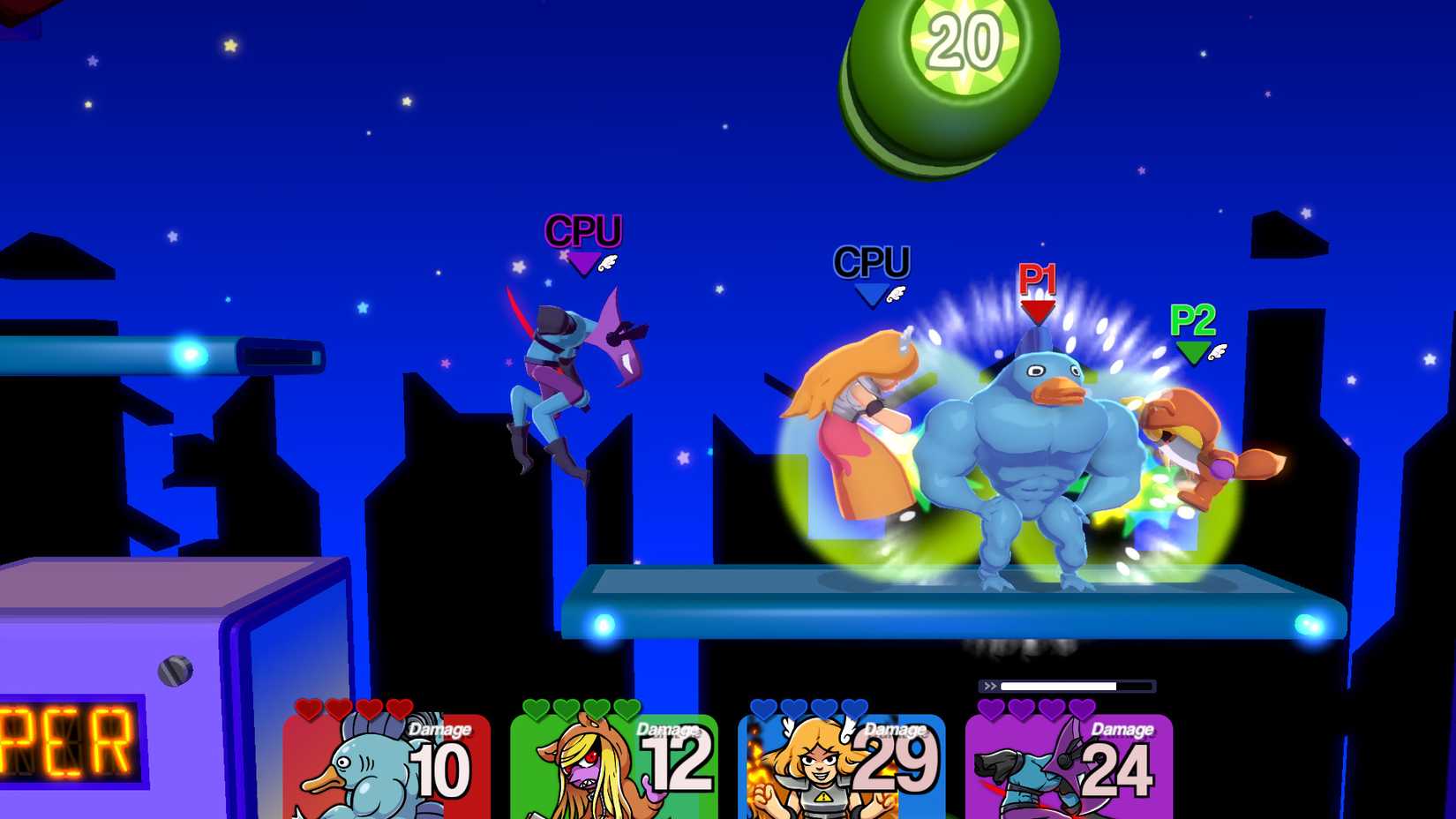
3. Tekken 8 (2025)
Serving as Katsuhiro Harada’s final directorial opus after 31 years, Tekken 8 is a landmark in 3D fighting games. The game’s "Heat" system forces players into constant, aggressive conflict, effectively ending the "turtling" playstyles of previous generations. Its visual fidelity, combined with a commitment to high-stakes, fast-paced action, cements it as the pinnacle of the 3D fighter genre.
2. Guilty Gear Strive (2021)
Guilty Gear Strive represents the moment Arc System Works truly hit the mainstream. By stripping away some of the more bloated mechanics of previous entries and focusing on high-impact, punchy combat, Strive became a spectator-friendly sensation. The introduction of wall-breaks and stage transitions added a cinematic flair that remains unmatched in the anime-fighter space.
1. Street Fighter 6 (2023)
Street Fighter 6 is, without debate, the "one to beat." After the lukewarm reception of Street Fighter V, Capcom delivered a masterpiece. The introduction of the "Modern" control scheme effectively lowered the barrier to entry without sacrificing the skill ceiling, while the "Drive" system provided the most versatile combat foundation in the series’ history. Combined with a robust single-player World Tour mode, Street Fighter 6 set a new benchmark for what a fighting game can be.
Supporting Data: Why the Genre is Thriving
The resurgence of these titles is supported by a shift in technical infrastructure. Historically, fighting games were plagued by "input delay" and "netcode issues," which rendered online play subpar compared to local play. The industry-wide adoption of Rollback Netcode—a method of networking that masks latency by predicting inputs—has made competitive play viable for millions of players regardless of their geographical distance.
Furthermore, the integration of cross-platform play (crossplay) has unified player bases. In the past, a game might die on one platform while thriving on another. Today, the collective community competes on a single, global stage, increasing the longevity of these titles and ensuring that matchmaking queues remain populated years after release.
Official Responses and Industry Outlook
Leading developers and publishers have acknowledged this shift in strategy. During a recent developer roundtable, Capcom producers noted that the success of Street Fighter 6 was predicated on the "accessibility-first" design philosophy. "We didn’t want to dumb down the game," said one lead designer. "We wanted to remove the frustration of execution so that players could focus on the beauty of the strategy."
Similarly, SNK’s leadership has highlighted the importance of listening to the "hardcore" community while building tools for the "casual" audience. This dual-focus approach is the defining characteristic of the 2026 gaming landscape.
Implications for the Future
The implications of this renaissance are profound. We are seeing a move toward fighting games as "Live Services" that prioritize long-term engagement over yearly sequels. This model allows for deeper balance patches, consistent DLC character support, and an evolving meta that keeps the game feeling fresh for half a decade or more.
The next challenge for the genre will be the integration of AI-assisted training tools and more robust in-game tutorials. As these games become more complex, the burden of teaching players how to play has moved from the community (via forums and Discord) to the developers themselves.
Ultimately, the Fighting Game Renaissance has proven that the genre is not a relic of the past, but a vibrant, evolving medium. Whether you are a newcomer looking to learn your first "Modern" combo or a veteran of the arcade era, there has never been a better time to step into the ring. The games listed above are not just successes; they are the foundation of a new era of digital combat that shows no sign of slowing down.


 Asro
Asro
 Muslim