

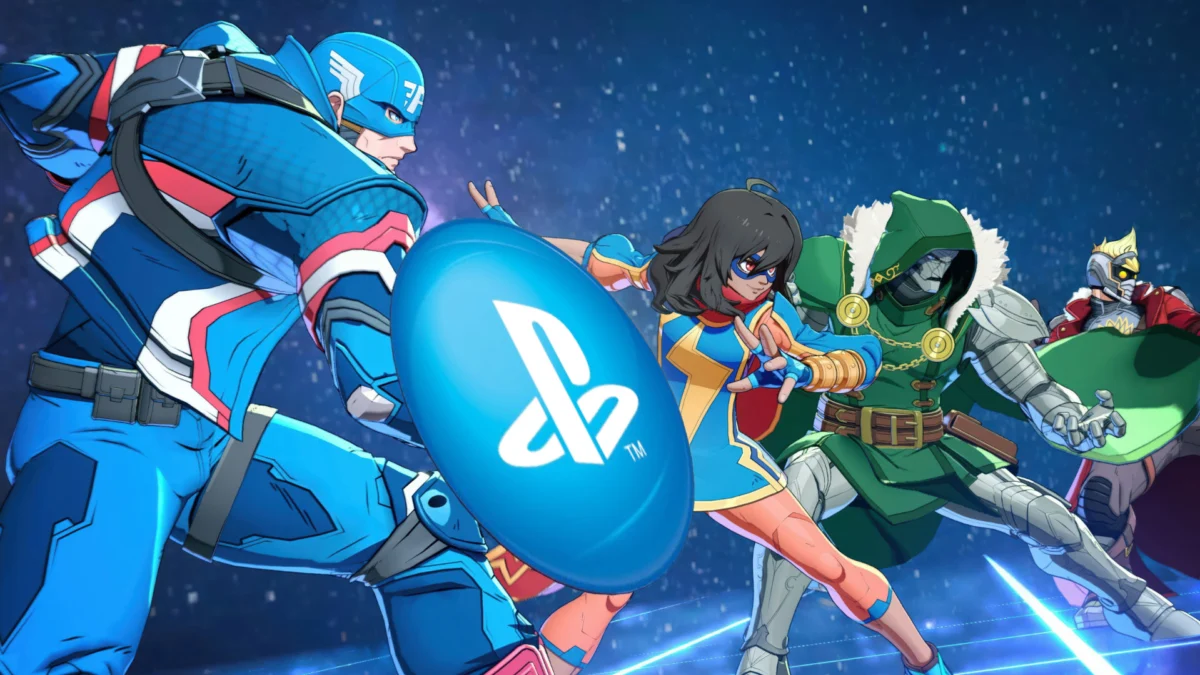
The intersection of console-exclusive publishing and the open PC market continues to be a contentious battleground for Sony Interactive Entertainment. As the industry looks toward the upcoming August release of Marvel Tokon: Fighting Souls—a highly anticipated tag-team fighting game developed in collaboration with Arc System Works—a familiar shadow has fallen over its PC debut. Recent data from SteamDB indicates that the title is currently unavailable for purchase in 132 countries, a restriction widely attributed to mandatory PlayStation Network (PSN) account integration.
This development serves as a stark reminder that despite previous public outcry and temporary policy shifts, the fundamental friction between Sony’s closed ecosystem and the borderless nature of Steam remains unresolved.
The Current Situation: A Global Lockdown
As of late July 2026, prospective players across 132 nations are finding the storefront page for Marvel Tokon inaccessible or marked as "unavailable in your region." While official confirmation from Sony regarding the specific technical or legal reasons for these blocks is pending, the pattern is identical to previous PC releases from the publisher.
The requirement for a PlayStation Network account—even for games that do not rely on a cross-platform backend for gameplay—is the common denominator. Because the PlayStation Network is officially supported in only a fraction of the world’s sovereign states, any game that necessitates a PSN sign-in effectively creates a "geographic lockout" for the millions of gamers living in unsupported territories.
Chronology of a Recurring Conflict
To understand the gravity of the Marvel Tokon situation, one must look at the timeline of Sony’s evolving PC strategy.
- The Early Expansion (2020–2023): Sony began porting high-profile exclusives like Horizon Zero Dawn and God of War to PC. These early releases were generally well-received and did not require PSN accounts, leading to a period of goodwill between the publisher and the PC community.
- The Integration Push (Late 2023): As Sony sought to bolster its internal metrics and unify its ecosystem, it began mandating PSN linkage for its PC titles.
- The Helldivers 2 Crisis (May 2024): The turning point occurred when Helldivers 2, a breakout success, suddenly required a PSN account months after launch. The subsequent review-bombing campaign and mass refund requests forced Sony to walk back the requirement for existing players.
- The "Resolved" Illusion: Following the Helldivers 2 fallout, it appeared that Sony had learned a lesson. Several subsequent titles saw reduced or optional account requirements, leading many to believe the policy had been permanently softened.
- The Marvel Tokon Reversal (July 2026): With the upcoming release of Marvel Tokon, the restriction has returned with full force, signaling that the "policy shift" may have been a temporary damage-control measure rather than a strategic pivot.
Supporting Data: The Scale of Exclusion
The geographic footprint of the PlayStation Network is significantly smaller than that of Steam, which operates in almost every corner of the globe. By forcing a Steam-based game to interface with a limited regional service, Sony is effectively disenfranchising a massive portion of its potential customer base.
When a game is blocked in 132 countries, it does more than just lose sales; it undermines the value proposition of the PC platform. Players in Southeast Asia, parts of Eastern Europe, and significant portions of the Global South—who often rely on the accessibility of Steam—are being told that their region is not a priority for Sony.
The economic impact is also quantifiable. Beyond the direct loss of unit sales, these regional blocks damage the publisher’s reputation, often resulting in lower engagement, less word-of-mouth marketing, and a fractured community that cannot compete or play together on a global scale.
Official Responses and Corporate Silence
Thus far, both Sony and the developers at Arc System Works have remained largely silent regarding the specific decision to gate Marvel Tokon behind these regional restrictions.
In the wake of the Helldivers 2 controversy, Sony representatives noted that they were "still learning" about the PC landscape. However, the re-emergence of these blocks suggests that the corporate directive to prioritize PSN adoption remains the primary objective, even at the cost of accessibility. Critics argue that this demonstrates a fundamental disconnect between Sony’s management and the realities of the PC market, where "account gating" is viewed as an unnecessary hurdle that adds friction to the user experience without providing tangible benefits to the player.
Implications for the Future of PlayStation on PC
The Marvel Tokon incident raises three critical questions regarding the future of PlayStation’s presence on Steam:
1. The Death of the "Day One" Goodwill
If Sony continues to pair its PC releases with restrictive account requirements, it risks alienating its most vocal advocates. The PC community is notoriously sensitive to "bloatware" or secondary account mandates. If a game is not available in their country, these players are increasingly turning to unofficial methods or simply skipping the purchase altogether, which hurts the long-term viability of Sony’s PC revenue stream.
2. The Conflict Between Ecosystems
Sony’s desire to create a unified "PlayStation experience" on PC is fundamentally at odds with the decentralized nature of PC gaming. By trying to force a console-style ecosystem onto the PC, Sony is creating a "walled garden" that feels alien and restrictive to those accustomed to the freedom of Steam or GOG.
3. The Role of Developers and Partners
The situation also puts development partners like Arc System Works in a difficult position. These studios rely on global sales to justify the development costs of fighting games, which thrive on large, active player bases. Regional blocks effectively shrink the potential tournament scene and online matchmaking pool, potentially impacting the longevity of the game.
Conclusion: A Turning Point or a Stubborn Trend?
As we approach the August 6th release date for Marvel Tokon, the community remains in a state of cautious frustration. There is still a narrow window for Sony to adjust its storefront policies—as they have done in the past—to allow for a more inclusive launch.
However, if the current restrictions remain in place, it will confirm that the lesson of Helldivers 2 was not about accessibility, but about crisis management. For Sony, the challenge will be determining whether the data harvested from mandatory PSN accounts is worth the erosion of trust among the PC gaming community. For now, 132 countries remain in the dark, watching a major release approach while being barred from the starting line.
KitGuru Says: The Marvel Tokon situation is a classic example of corporate policy clashing with consumer expectations. While we hope for a last-minute resolution that opens the game to all regions, the current state of affairs serves as a grim reminder that for some publishers, the "PC strategy" is still very much a work in progress—and often, a messy one at that. What is your take? Is the PSN requirement a necessary evil for Sony’s ecosystem, or is it an outdated practice that should be abandoned for the sake of the player? Let us know in the comments.











