

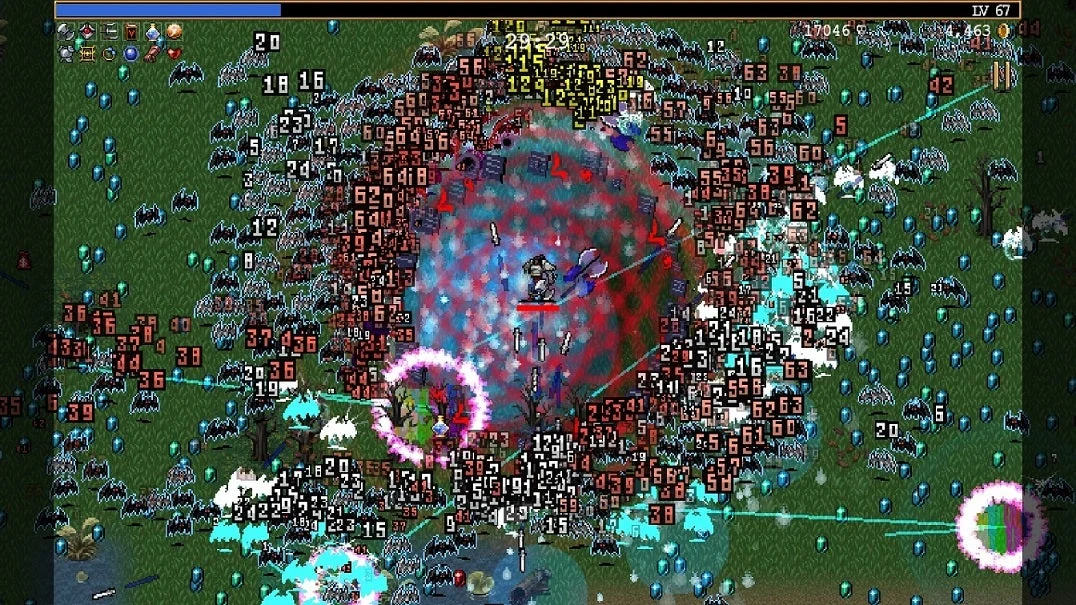
Tokyo, Japan – In a significant move signaling its ambitious global expansion strategy, Poncle, the independent studio behind the phenomenal indie hit Vampire Survivors, has announced the establishment of a new development studio in Japan. This strategic outpost will be spearheaded by none other than Sawaki Takeyasu, the acclaimed CEO of Crim and a veteran of the Japanese game development scene, renowned for his work on titles such as Okami and El Shaddai: Ascension of the Metatron. The partnership marks a fascinating confluence of Western indie success and revered Japanese creative talent, promising a new era of innovative game development.
The decision to open a studio in Japan underscores Poncle founder Luca Galante’s deep admiration for Japanese game design and culture, a sentiment that has long influenced his creative vision. With Takeyasu at the helm, the new studio is poised to cultivate a unique environment focused on creative freedom, player-centric development, and a commitment to nurturing emerging talent within the Japanese industry. This initiative is part of a broader expansion for Poncle, which also plans to establish another studio in Italy, further solidifying its presence across key international markets.
Main Facts: A Strategic Foray into Japan
Poncle, the development powerhouse that transformed the roguelite genre with its minimalist yet infinitely replayable title Vampire Survivors, is setting down roots in Japan. The new studio, a pivotal component of Poncle’s burgeoning global footprint, will operate under the leadership of Sawaki Takeyasu. Takeyasu, widely respected for his distinctive artistic vision and directorial prowess, particularly noted for his character design work on Capcom’s critically acclaimed Okami and as the director of the cult classic El Shaddai: Ascension of the Metatron, brings a wealth of experience and a distinct creative philosophy to Poncle’s expanding enterprise.
The announcement, initially reported through an interview with Famitsu and subsequently detailed by Gematsu, highlights Galante’s long-held ambition to establish a presence in Japan. His admiration for the country’s rich gaming heritage and personal positive experiences visiting Japan have been key drivers behind this strategic decision. The connection between Galante and Takeyasu is particularly poignant, as the very name "Poncle" is a direct homage to Okami, a game where Takeyasu played a crucial role as character designer. This shared creative lineage suggests a deep-seated philosophical alignment that transcends mere professional collaboration.
Under Takeyasu’s stewardship, the Japan studio is mandated to prioritize several core tenets: fostering an environment where the development team can pursue projects they are genuinely passionate about, maintaining a profound respect for players, and embedding accessibility into the very fabric of game design. This philosophy is expected to guide the studio’s output, potentially leading to a diverse array of experimental and player-focused titles that diverge from, or complement, the Vampire Survivors formula. The new studio represents not just an expansion of Poncle’s physical presence, but a significant broadening of its creative horizons and a commitment to cultural integration within the global gaming landscape.
Chronology: From Indie Phenomenon to Global Vision
The journey of Poncle and its founder, Luca Galante, to this significant global expansion is a testament to the unpredictable nature of innovation in the video game industry.
The Genesis of a Global Hit: Vampire Survivors’ Meteoric Rise
Poncle first captured the world’s attention with Vampire Survivors, a game that emerged from seemingly humble origins to become a breakout sensation. Launched in early access in late 2021, the game quickly captivated players with its deceptively simple premise: survive endless hordes of supernatural creatures by automatically attacking with a growing arsenal of weapons and passive abilities. Its "bullet heaven" gameplay loop, combining roguelite progression with incremental power fantasy, resonated deeply with both critics and casual players.
Vampire Survivors achieved viral success through word-of-mouth and streaming, praised for its addictive gameplay, deep build variety, and incredible value proposition. It launched on PC, then quickly expanded to Xbox, Nintendo Switch, and mobile platforms, consistently topping sales charts and garnering numerous awards, including nominations for Game of the Year. This explosive success provided Poncle with not only significant financial resources but also a global platform and the credibility to pursue more ambitious ventures. The game’s minimalist aesthetic belied a sophisticated design philosophy that emphasized player agency and progression, distinguishing it within a crowded indie market.
Luca Galante’s Vision: A Homage to Japanese Craftsmanship
At the heart of Poncle’s expansion into Japan lies Luca Galante’s profound and long-standing admiration for Japanese video games. Galante has frequently spoken about his reverence for the creativity, artistry, and meticulous craftsmanship that characterize Japanese game development. His personal experiences visiting Japan have only deepened this appreciation, fostering a desire to directly engage with and contribute to this vibrant creative ecosystem.
The naming of his studio, "Poncle," serves as a direct and deeply personal tribute to Okami, a game he holds in high regard. The word "Poncle" is derived from the in-game term for the small, mischievous sprites that guide the protagonist, Amaterasu, through her journey. This direct reference is not merely an aesthetic choice but signifies a fundamental connection to the design principles and narrative artistry found within Japanese games. It speaks to a developer inspired by storytelling, unique character design, and innovative gameplay mechanics that often defy Western conventions. Galante’s vision for the Japan studio is, therefore, an organic extension of his creative identity, an opportunity to meld his successful Western indie ethos with the rich traditions of Japanese game development.
Sawaki Takeyasu: A Legacy of Distinctive Vision
The choice of Sawaki Takeyasu to lead Poncle’s Japan studio is a significant coup, bringing a revered figure with a distinctive creative legacy into the fold. Takeyasu’s career spans several pivotal roles in Japanese game development, marked by a consistent commitment to artistic integrity and unconventional design.
His most widely recognized early work includes his role as character designer for Capcom’s Okami, released in 2006. Okami is celebrated for its breathtaking sumi-e art style, mythological narrative, and innovative "Celestial Brush" gameplay mechanics. Takeyasu’s contributions to the game’s iconic visual identity, particularly the design of its memorable characters and creatures, were instrumental in establishing its enduring appeal and critical acclaim. This direct link to Okami provides a powerful symbolic and practical foundation for his collaboration with Galante.
Later, Takeyasu served as the director for El Shaddai: Ascension of the Metatron, released in 2011. This action-adventure title, developed by Ignition Entertainment (later Crim), gained a devoted cult following for its striking, avant-garde art direction, philosophical narrative inspired by biblical apocrypha, and unique combat system. El Shaddai pushed boundaries with its visual storytelling and abstract environments, solidifying Takeyasu’s reputation as a creator unafraid to pursue bold artistic visions, even if it meant challenging commercial norms. His subsequent work at Crim has continued to explore new creative avenues, demonstrating a consistent dedication to pushing the envelope in game design and artistic expression.
The Partnership’s Genesis and Poncle’s Broader Strategy
The collaboration between Galante and Takeyasu appears to be a natural alignment of shared values and creative admiration. Galante’s long-standing respect for Takeyasu’s work, particularly given the Okami connection, likely paved the way for this high-profile recruitment. This partnership goes beyond simply hiring a local expert; it represents a fusion of two distinct, yet complementary, creative philosophies. Galante, the architect of a globally successful indie title, and Takeyasu, a veteran with a deep understanding of Japanese design principles and a history of artistic innovation.
This move into Japan is also intrinsically linked to Poncle’s broader strategic initiatives. In late 2024, Poncle announced the establishment of a new publishing division. Crucially, the team emphasized that this would not be a "traditional publisher" seeking to acquire intellectual property. Instead, it would function more as a label or fund, providing resources and support to enable other developers to "make their games." This publishing arm, combined with the establishment of regional development studios in Japan and upcoming plans for Italy, paints a clear picture of Poncle’s evolution. It is transitioning from a single-hit wonder to a multi-faceted entity dedicated to fostering creativity, supporting independent development, and exploring diverse creative avenues across different cultural contexts. This global strategy aims to decentralize development, allowing regional teams the autonomy to pursue unique projects while maintaining the core values of player respect and creative freedom that define Poncle.
Supporting Data: Industry Trends and Cultural Significance
Poncle’s expansion into Japan, led by a figure like Sawaki Takeyasu, is not merely an isolated corporate decision but reflects several underlying trends and significant cultural dynamics within the global gaming industry.
Japan: A Crucible of Innovation and a Strategic Market
Japan holds an unparalleled position in the history and ongoing evolution of video games. From the arcade boom to the console wars, and its current vibrant indie scene, Japanese developers have consistently pushed boundaries in storytelling, art direction, and gameplay mechanics. The Japanese market itself remains one of the largest and most discerning globally, characterized by a unique player base with distinct preferences. While Western titles often find success, a strong domestic market continues to thrive, valuing innovation alongside established franchises.
For a studio like Poncle, establishing a direct presence in Japan offers several strategic advantages. It allows direct access to a highly skilled talent pool, renowned for its technical prowess, artistic sensibility, and dedication to craft. It also provides an invaluable opportunity to understand and cater specifically to the nuances of the Japanese gaming audience, potentially fostering new genres or design approaches that resonate locally before expanding globally. Furthermore, the prestige associated with a physical presence in Tokyo or other major Japanese cities can significantly enhance a studio’s international reputation and attract top-tier talent.
The Rise of Global Indie Expansion
Poncle’s move is part of a broader trend of successful independent studios seeking to expand their operations internationally. In an increasingly globalized industry, talent and creative ideas are no longer confined to specific geographical hubs. Studios that achieve significant success, particularly those with a unique creative identity, often look to diversify their talent base and tap into different cultural perspectives. This trend has seen Western studios open branches in Eastern markets, and vice-versa, recognizing the benefits of cross-cultural collaboration and localized development.
The success of Vampire Survivors itself is a testament to the global appeal of well-designed indie games, irrespective of their origin. By establishing studios in Japan and Italy, Poncle is actively embracing a distributed development model that allows for localized creative autonomy while still being part of a larger, unified vision. This model encourages experimentation and reduces the risk of creative stagnation often associated with monolithic, centralized development pipelines. It also positions Poncle to capture diverse market segments and foster a broader portfolio of games that appeal to different tastes and cultural contexts.
The Appeal of Vampire Survivors and Takeyasu’s Philosophy
While the article mentions increasing awareness of Vampire Survivors in Japan, its core gameplay loop — simple controls, immediate gratification, deep progression, and high replayability — already aligns well with certain aspects of Japanese game design, particularly classic arcade titles and bullet-hell shooters. The game’s efficiency in delivering engaging gameplay with minimal input could resonate strongly with a market that appreciates precision, depth, and replayability.
Takeyasu’s stated philosophy for the new studio — prioritizing "passion rather than market trends," "respecting players," and "prioritizing accessibility" — aligns perfectly with the current discourse around sustainable game development and creative freedom. In an industry often criticized for "crunch culture," formulaic releases, and chasing fleeting trends, Takeyasu’s emphasis on creator-driven projects and player satisfaction stands out. His commitment to offering "opportunities for aspiring developers regardless of age or experience" also addresses crucial issues of industry inclusivity and talent development. This approach could serve as a model for a more humane and creatively vibrant development environment, attracting talent seeking alternatives to more traditional, corporate structures.
Official Responses: A Shared Vision for Creative Autonomy
The official statements from Luca Galante and Sawaki Takeyasu provide a clear articulation of the strategic intent and philosophical underpinnings guiding this ambitious new venture. Their words paint a picture of a partnership built on mutual respect and a shared vision for the future of game development.
Luca Galante’s Dream Realized
Luca Galante’s enthusiasm for the Japan studio is palpable, stemming from a "longtime admiration for Japanese games and positive experiences visiting Japan." This isn’t merely a business decision but the realization of a personal dream. His choice of studio name, "Poncle," derived directly from Okami, for which Takeyasu was a character designer, underscores the depth of his connection to Japanese game artistry and culture. It signals a developer who is not just entering a new market but immersing himself in a beloved creative tradition.
Galante’s remarks also shed light on Poncle’s operational strategy for its expanding network of studios. He confirmed that "regional teams to pursue separate projects," with development largely handled independently, though "collaboration between regions remains possible." This model emphasizes creative autonomy for each studio, allowing them to forge their distinct identities and pursue unique visions. The confirmation that "a future project could emerge from the Japan studio" highlights the serious intent for this new branch to be a source of original intellectual property, not just a localized support team for Vampire Survivors. This decentralized approach empowers local talent and ensures that creative output is tailored to regional strengths and cultural perspectives, while still benefiting from the overarching support and resources of Poncle.
Sawaki Takeyasu’s Guiding Principles
Sawaki Takeyasu’s vision for the Japan studio is equally compelling and deeply rooted in his extensive experience and creative ethos. He expressed a desire to build a studio "driven by passion rather than market trends." This statement is a powerful rejection of the often-formulaic approach dictated by commercial pressures, advocating instead for projects born from genuine creative impulse. This aligns with his past work on El Shaddai, which famously prioritized artistic vision over mainstream appeal.
Furthermore, Takeyasu articulated a commitment to creating "opportunities for aspiring developers regardless of age or experience." This inclusive approach is vital for an industry that sometimes struggles with talent retention and diversity. By removing barriers based on conventional metrics, he aims to tap into a broader pool of creative potential, fostering an environment where fresh ideas can flourish. He also outlined a goal to "increase awareness of Vampire Survivors in Japan," acknowledging the importance of Poncle’s flagship title while simultaneously seeking to "foster an environment where creators can experiment with new ideas through smaller-scale productions." This dual objective demonstrates a pragmatic understanding of the studio’s foundation while championing a culture of iterative innovation and risk-taking. The emphasis on "smaller-scale productions" suggests a desire for agile development, allowing the team to explore diverse concepts without the immense pressures often associated with large-budget projects.
Alignment of Visions: Creativity and Player Focus
The synergy between Galante’s and Takeyasu’s statements is clear. Both emphasize creative freedom, a deep respect for players, and a forward-looking approach to development. Galante’s admiration for Japanese games and Takeyasu’s dedication to passion-driven development create a fertile ground for a truly unique studio. The independent nature of the regional teams, coupled with Takeyasu’s philosophy of experimentation and accessibility, suggests that the Japan studio will not simply replicate Vampire Survivors but will likely explore new genres, art styles, and gameplay mechanics that reflect its distinct leadership and local talent. This alignment promises a creative hub that is both globally connected and culturally specific, poised to contribute significantly to the evolving landscape of video game development.
Implications: A New Era for Poncle and Cross-Cultural Game Development
The establishment of Poncle’s Japan studio under Sawaki Takeyasu’s leadership carries significant implications, not only for the company itself but for the broader landscape of independent game development and cross-cultural collaborations.
What Kind of Games Can We Expect?
Given Takeyasu’s background and the stated philosophy of "passion rather than market trends" and "experimentation with new ideas through smaller-scale productions," it is highly probable that the Japan studio will produce games that are distinct from Vampire Survivors in genre, art style, and narrative. While the studio will undoubtedly leverage the technical and design expertise gained from Poncle’s flagship title, Takeyasu’s history with visually striking and conceptually bold games like Okami and El Shaddai suggests a strong inclination towards unique artistic visions and narrative depth.
We might anticipate titles that emphasize strong art direction, innovative gameplay mechanics, and potentially deeper storytelling than the roguelite, arcade-style of Vampire Survivors. The focus on "smaller-scale productions" indicates a desire for agile development cycles, allowing the team to iterate quickly, take creative risks, and explore niche genres or experimental concepts that might not fit a mainstream profile. These could range from visually rich puzzle games, atmospheric adventure titles, or even unique takes on traditional Japanese genres, all infused with Takeyasu’s distinctive creative sensibility. The studio will likely become a crucible for exploring new IP, showcasing the diverse talents of Japanese developers.
Impact on Poncle’s Overall Portfolio and Identity
This diversification into new regional studios, particularly one led by a figure like Takeyasu, will profoundly impact Poncle’s overall portfolio and its identity within the industry. No longer solely defined by the success of Vampire Survivors, Poncle is evolving into a multi-studio, multi-project entity. This strategy mitigates the risk of being a "one-hit wonder" and positions the company for long-term sustainability by fostering a broader range of creative output.
The Japan studio, alongside the planned Italian studio and the non-traditional publishing arm, indicates a strategic shift towards becoming a global incubator for creative talent. Poncle is effectively building a decentralized ecosystem where different teams, imbued with their unique cultural and creative perspectives, can contribute to a larger, shared vision of player-focused, innovative game development. This expansion will likely broaden Poncle’s appeal to a wider audience, demonstrating its commitment to artistic variety and global reach.
Poncle’s Global Strategy: A Distributed Creative Hub
Poncle’s overarching strategy appears to be one of distributed creative hubs. By establishing studios in different key regions – Japan for its rich heritage and distinctive talent, Italy for its European roots, and a publishing arm to support external projects – Poncle is building a network designed for flexibility and creative resilience. This model contrasts with traditional centralized development, allowing each regional team to respond to local market trends, cultural influences, and talent pools more effectively.
This global footprint also offers significant advantages in terms of talent acquisition and knowledge sharing. Each studio can draw from its local talent pool, bringing diverse perspectives and skills to the table. While operating independently, the possibility of "collaboration between regions" suggests a potential for cross-pollination of ideas and technologies, fostering a truly global creative synergy. This strategic expansion positions Poncle not just as a game developer, but as a facilitator of game development, committed to nurturing creative talent wherever it may reside.
Challenges and Opportunities Ahead
While the opportunities are immense, establishing a new international studio also comes with inherent challenges. Cultural integration, communication across geographical distances, and building a cohesive team from scratch are significant undertakings. Takeyasu’s leadership will be crucial in navigating these complexities, ensuring that the studio maintains a clear vision and a positive working environment. However, the potential rewards far outweigh these challenges. Tapping into Japan’s deep well of artistic and technical talent, creating games that resonate with both local and international audiences, and fostering a new generation of developers are monumental opportunities.
Ultimately, Poncle’s Japan studio represents a bold step towards a more interconnected and creatively diverse global game development industry. By marrying the innovative spirit of a Western indie sensation with the profound artistic legacy of a Japanese veteran, Poncle is not just opening a new office; it is laying the groundwork for a new chapter in cross-cultural game creation, promising exciting and unpredictable new experiences for players worldwide.











No comments yet. Be the first to join the conversation!