Dwi Wanna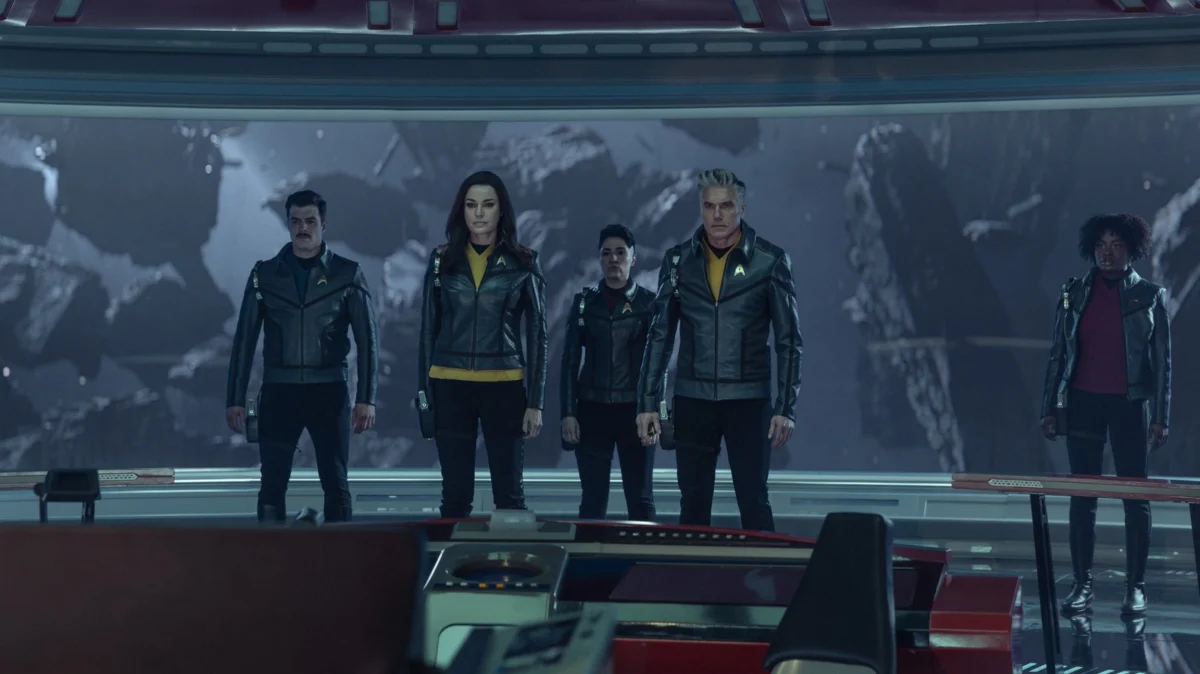
The Star Trek franchise has long been a tapestry woven from diverse genres, shifting from high-concept philosophical dramas to swashbuckling space adventures. Star Trek: Strange New Worlds was initially hailed as the return to the episodic, optimistic roots that defined the franchise’s golden age. However, as the series enters its fourth season, the shine has begun to show significant signs of wear. While the show continues to take the "big swings" that have become its hallmark, the latest installment serves as a testament to the fact that ambition alone cannot sustain a narrative if the foundation—and the confidence behind it—starts to crumble.
The Evolution of the "Big Swing" Philosophy
From its inception, Strange New Worlds carved out a unique space for itself by refusing to be tethered to a single tone. It has danced between lighthearted romps and high-stakes sci-fi, a mission statement that served it well during its initial run. In those early days, even when the execution faltered, the show operated with a level of unwavering confidence that kept audiences invested. It felt like a show that knew exactly what it wanted to be, even when it was experimenting with wildly different formats.
As we move into season four, that confidence seems to be waning. The production continues to prioritize genre-bending—most notably with the much-discussed, Jim Henson Studios-produced puppet episode—but the delivery lacks the seamless integration of seasons past. The show now seems preoccupied with justifying its own existence, spending excessive screen time explaining why it is venturing into parodic territory rather than simply committing to the bit. This meta-commentary, while intellectually stimulating for some, ultimately saps the energy from the viewing experience, leaving viewers to pick apart narratives that feel increasingly flimsy.
Chronology of a Shifting Tone: From Optimism to Uncertainty
The trajectory of Strange New Worlds has been anything but linear.
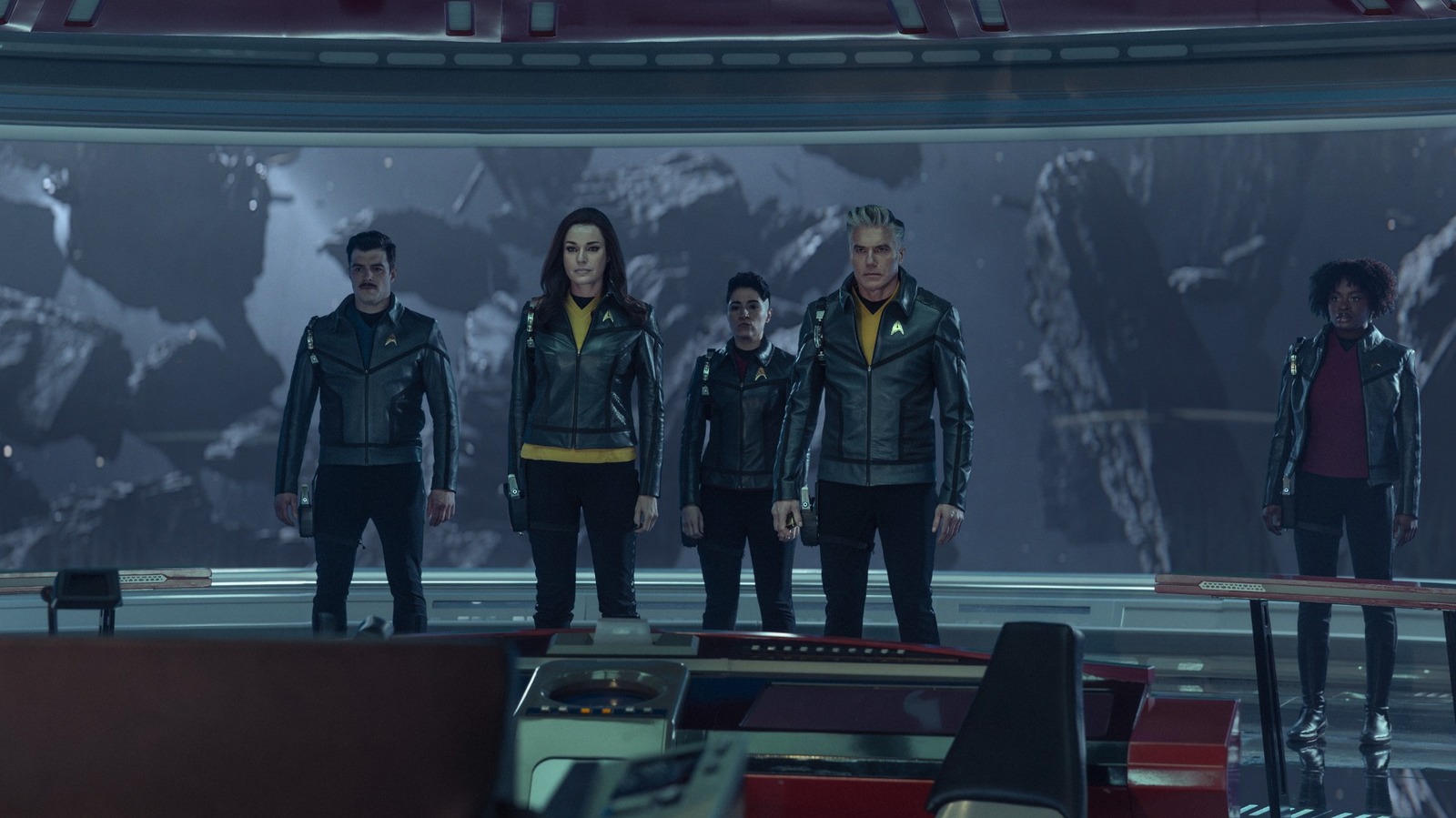
- Season 1: A triumphant return to episodic storytelling, establishing Anson Mount’s Captain Christopher Pike as a leader defined by empathy and tactical intelligence.
- Season 2: A period of peak creative confidence, featuring the crossover with Lower Decks and high-concept musical episodes that felt earned rather than gimmicky.
- Season 3: The first noticeable cracks began to show. The tone became more erratic, and the inclusion of gratuitous, "body-horror" style violence sparked significant debate among the long-term fanbase.
- Season 4 (The Current Outlook): A continuation of the trend toward "parody-of-the-week" storytelling, paired with an intensification of dark, visceral content that feels at odds with the show’s primary mission.
This chronological decline in cohesion is particularly noticeable in how the show handles its cast. While the series was greenlit on the back of Anson Mount’s star power, the constant, forced inclusion of Paul Wesley’s James T. Kirk has created a sense of narrative dissonance. While Wesley is a capable actor, his recurring presence feels less like organic storytelling and more like a tactical sidelining of the show’s actual lead. The constant balancing act between Pike’s established arc and the looming shadow of Kirk—who shouldn’t even be serving on this ship yet—creates a tug-of-war that frequently leaves the audience exhausted.
Supporting Data: The Gore vs. Whimsy Dichotomy
One of the most contentious aspects of the current season is the tonal whiplash. In the same breath that the series offers Muppet-esque whimsy, it pivots to the heavy, visceral gore that has become a staple of the Alex Kurtzman era of Star Trek.
Data regarding viewer sentiment on this shift is telling. For a franchise that historically marketed itself as "family-friendly" or "all-ages" television, the inclusion of intense, R-rated body horror—such as the eye-gouging sequences seen in recent seasons—has alienated a significant portion of the core audience. Parents who grew up on the original series or The Next Generation find themselves unable to share this "main-line" Trek with their children, a reality that would have been unthinkable in the pre-Kurtzman era. The second episode of the fourth season, in particular, stands as a litmus test for this; its relentless intensity makes it a difficult watch, regardless of one’s tolerance for genre-specific horror.
Official Responses and Creative Direction
While Paramount has remained tight-lipped regarding the specific creative disagreements behind the scenes, the show’s promotional material continues to emphasize the "boldness" of its creative choices. The producers have consistently framed the show’s erratic shifts as a feature, not a bug, arguing that Star Trek should always be an experimental playground.
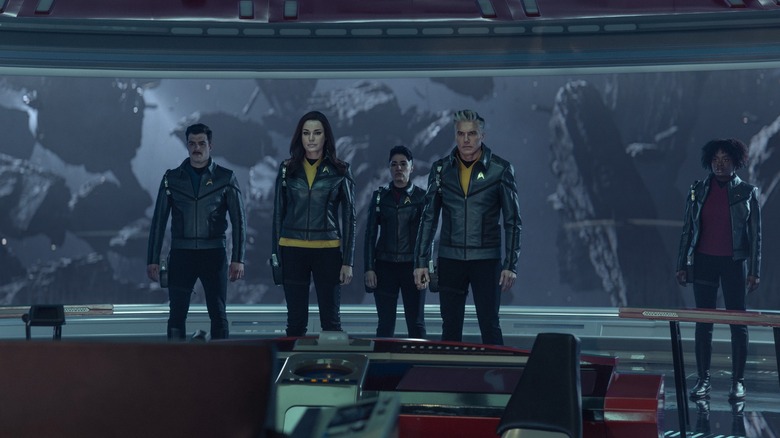
However, the creative team’s insistence on "taking big swings" has begun to feel like a defense mechanism. By labeling every experimental episode as a "bold choice," the writers insulate themselves from criticism regarding the lack of character development or consistent pacing. The reliance on parodies-of-the-week suggests a lack of faith in the show’s core premise—the day-to-day operations of the USS Enterprise—and a desperate need to keep the audience entertained through spectacle rather than substance.
The Silver Lining: A Masterclass in Tension
Despite the broader frustrations, it would be disingenuous to suggest that the magic is entirely gone. When Strange New Worlds works, it works with a precision that rivals the best of the franchise’s sixty-year history.
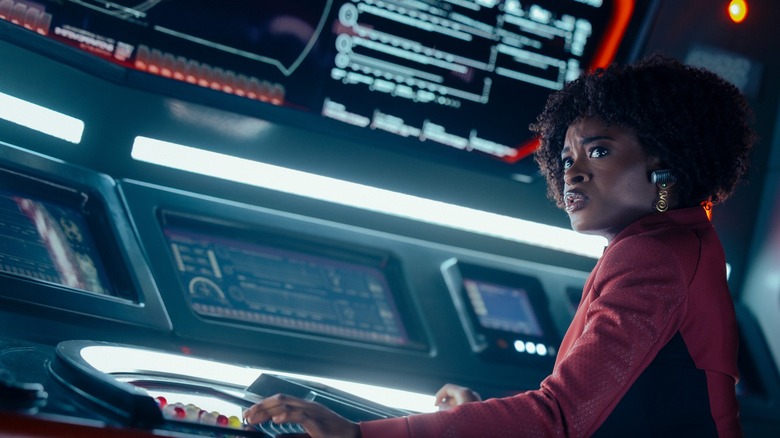
The sixth episode of the fourth season is a shining example of this. It is a taut, expertly paced thriller that manages to transcend the limitations of the "prequel problem." Even with the viewer’s inherent knowledge that the characters are safe due to established canon, the episode succeeds in building palpable, edge-of-your-seat tension. It is a reminder that the show is still capable of greatness when it stops trying to be a parody and starts focusing on human (and Vulcan) stakes.
The episode even includes a subtle, heartfelt nod to the Scottish series Burnistoun, a wink to the audience that feels earned and authentic—a stark contrast to the performative "meta" humor that plagues other episodes in the season.
Implications for the Future of the Franchise
The implications for Strange New Worlds are significant. As the most "traditional" live-action Trek currently on air, its failure to maintain a consistent quality bar reflects poorly on the broader health of the franchise. If the "best" live-action series is this erratic, what does it say about the future of the brand?
As the series moves toward its conclusion, the legacy of this season will likely be one of "what could have been." It is a season of missed opportunities and jarring tonal shifts, but it is also a season that occasionally strikes gold. For all its flaws—the gratuitous gore, the mismanagement of the Kirk/Pike dynamic, and the over-reliance on parody—it remains an utterly charming, visually stunning piece of television.
Fans should appreciate these episodes while they can. With the streaming landscape in constant flux and a potential multi-year hiatus on the horizon for this specific corner of the Star Trek universe, the chance to spend time with this crew is becoming a finite resource. Strange New Worlds may be lurching, but it is still swinging—and occasionally, it still hits the mark with breathtaking precision. For those willing to overlook the messier detours, there is still plenty of the future worth exploring.


 Ali Ikhwan
 Asep Darmawan