

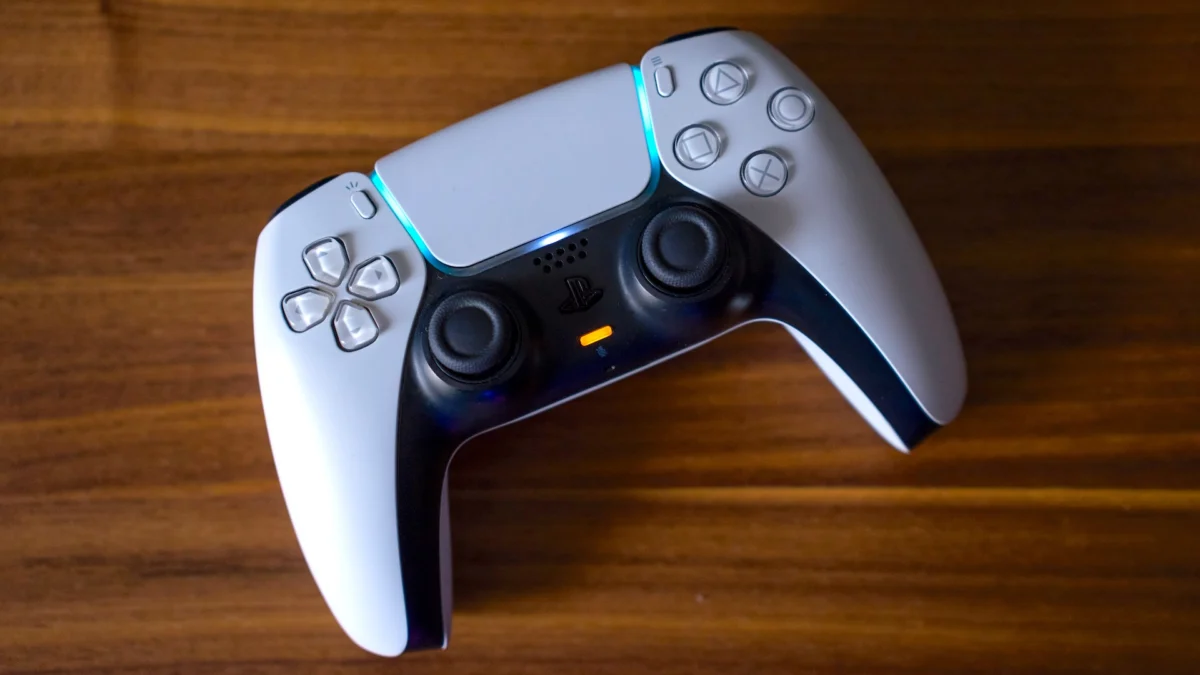
In the volatile landscape of April 2020, amidst a global climate defined by unprecedented uncertainty, the tech industry offered a rare glimpse into the future. When Sony unveiled the DualSense controller for the then-upcoming PlayStation 5, the reception was, to put it mildly, polarized. To the untrained eye—and indeed to many design critics at the time—the two-tone, bulbous aesthetic appeared radical, perhaps even alien. However, six years of market presence and user experience have provided a definitive verdict: the DualSense is not merely a peripheral; it is a masterclass in haptic engineering that renders initial aesthetic skepticism entirely moot.
The Evolution of the Controller: A Personal Retrospective
For many, the jump from one console generation to the next is a regular cadence. For others, the barrier to entry is higher. After more than a decade of abstaining from dedicated console gaming, I found myself persuaded to return to the fold following the world premiere of 007 First Light. The experience was transformative enough to justify the investment in a current-generation home console. As a result, I have spent the last few days navigating the PlayStation 5 ecosystem as a newcomer, effectively compressing half a decade of technological evolution into a single, immersive weekend.
While the graphical fidelity of modern titles is undeniably breathtaking, it is not the 4K resolution or the ray-traced lighting that has left the deepest impression. Instead, it is the tangible, tactile interaction provided by the DualSense controller. It serves as a poignant reminder that while visual design is the primary hook for consumers, the ergonomics and sensory feedback of hardware are what dictate long-term engagement.
Chronology of a Design Controversy
To understand why the DualSense currently stands as a gold standard, one must look back at the skepticism that surrounded its initial launch in 2020.
- April 2020: Sony Interactive Entertainment officially unveiled the DualSense, moving away from the iconic "DualShock" moniker. The design featured a distinct white-and-black chassis, a touch-sensitive pad, and a more robust, ergonomic silhouette.
- Late 2020: As the PS5 launched, early adopters began reporting on the "adaptive triggers" and "haptic feedback," features that were largely marketed as buzzwords but quickly became the system’s most praised selling points.
- 2021–2023: Developers began integrating the DualSense features deeply into gameplay. Titles like Returnal and Astro’s Playroom demonstrated that the controller could communicate the feeling of rain, sand, or heavy mechanical resistance through vibration alone.
- 2024–Present: The controller has cemented its reputation. Despite the subjective nature of its physical design—which remains a point of contention for design purists—its functional superiority is rarely debated in the industry.
Technical Foundations: The Science of Haptics
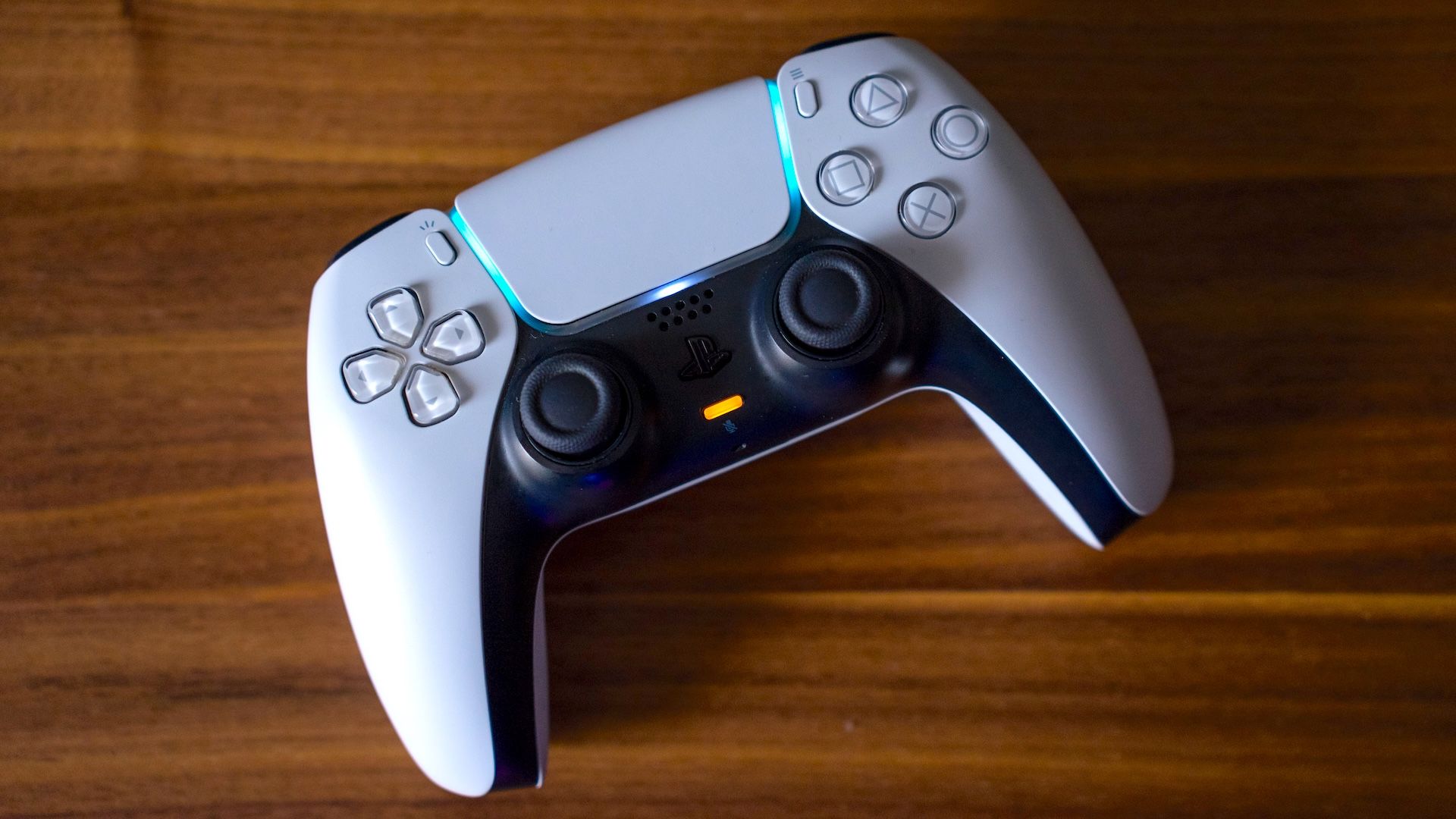
The "magic" of the DualSense lies in two specific pillars of engineering: Adaptive Triggers and Advanced Haptic Feedback.
Adaptive Triggers
Unlike the static resistance of traditional triggers, the DualSense utilizes internal motors to provide variable resistance. If a player is drawing a bowstring, the trigger becomes increasingly difficult to depress, mimicking the tension of a real string. In 007 First Light, this manifests as distinct mechanical feedback during high-stakes sequences, grounding the player in the physical reality of the in-game action. This is not merely a gimmick; it is a fundamental shift in how developers can communicate information to the player without relying on visual or auditory cues.
High-Definition Haptic Feedback
Traditional console controllers utilized simple "rumble" motors—offset weights that spun to create a generic shaking sensation. The DualSense, conversely, employs voice-coil actuators. These allow for high-frequency, nuanced vibrations that can simulate textures. When a character walks across a metal grate, the player feels the sharp, rapid clatter; when they walk across sand, the vibration is softer and more diffused. This level of sensory immersion is what elevates the PS5 experience from "playing a game" to "existing within a simulation."
Supporting Data and Market Position
The success of the DualSense is reflected not just in critical acclaim, but in its sustained demand. Sony has consistently iterated on the hardware, introducing various colorways—Midnight Black, Cosmic Red, Starlight Blue, and more—to cater to a design-conscious audience.
Currently, the controller is seeing significant market penetration through retail promotions. For instance, recent retail data from Amazon indicates a 28% discount, bringing the unit price down from $75 to $54. This price adjustment is a strategic move to ensure that the peripheral remains accessible, as Sony understands that the DualSense is the most effective marketing tool for the PS5 console itself. Once a user feels the haptics, the value proposition of the entire ecosystem becomes significantly more compelling.
Official Responses and Industry Impact
Industry analysts and hardware engineers have frequently cited the DualSense as a benchmark for the ninth generation of consoles. While competitors like Microsoft have largely maintained the status quo with their Xbox Wireless Controller—prioritizing familiarity and cross-platform compatibility—Sony’s decision to prioritize sensory innovation has carved out a unique identity for the PlayStation brand.
"The goal was to heighten the sense of touch," Sony executives noted during the controller’s post-launch briefing. By allowing players to "feel" the game world, the barrier between the digital and physical is lowered. This philosophy has prompted independent developers to bake haptic support into their workflows, ensuring that even smaller, indie titles leverage the controller’s capabilities to provide a premium experience.
The Implications for Product Design
The story of the DualSense serves as a masterclass in the tension between aesthetics and utility. As a design editor, I have often argued that "product design matters"—a stance that previously led me to critique the DualSense for its bulky, unconventional look. However, the experience of holding the device forces a reconsideration of the design brief.
Good design is not just about what is pleasing to the eye; it is about the utility of the object in the user’s hand. If a product is designed to be held for hours at a time, its ergonomic comfort and the quality of its feedback loops take precedence over its visual silhouette. The DualSense succeeds because it ignores the trend toward minimalism in favor of a dense, feature-rich construction that justifies its physical footprint.
Conclusion: A Lesson in Revisiting Assumptions
Revisiting technology after a hiatus provides a unique vantage point. It allows one to see the cumulative progress of an industry without the fatigue of incremental updates. While I may still hold reservations regarding the DualSense’s visual aesthetic, my appraisal of its functional performance has shifted entirely. It is a device that does not merely facilitate gaming; it enriches it through a constant, tactile dialogue with the software.
For those who, like me, were initially dismissive of the hardware based on promotional imagery, I suggest a return to the controller. The industry has spent years refining the interface between human and machine, and the DualSense is the current zenith of that effort. Whether you are a newcomer to the console space or a seasoned veteran, the tactile feedback provided by this peripheral is a reminder that in the world of design, the most important work happens where the hand meets the object.









No comments yet. Be the first to join the conversation!