

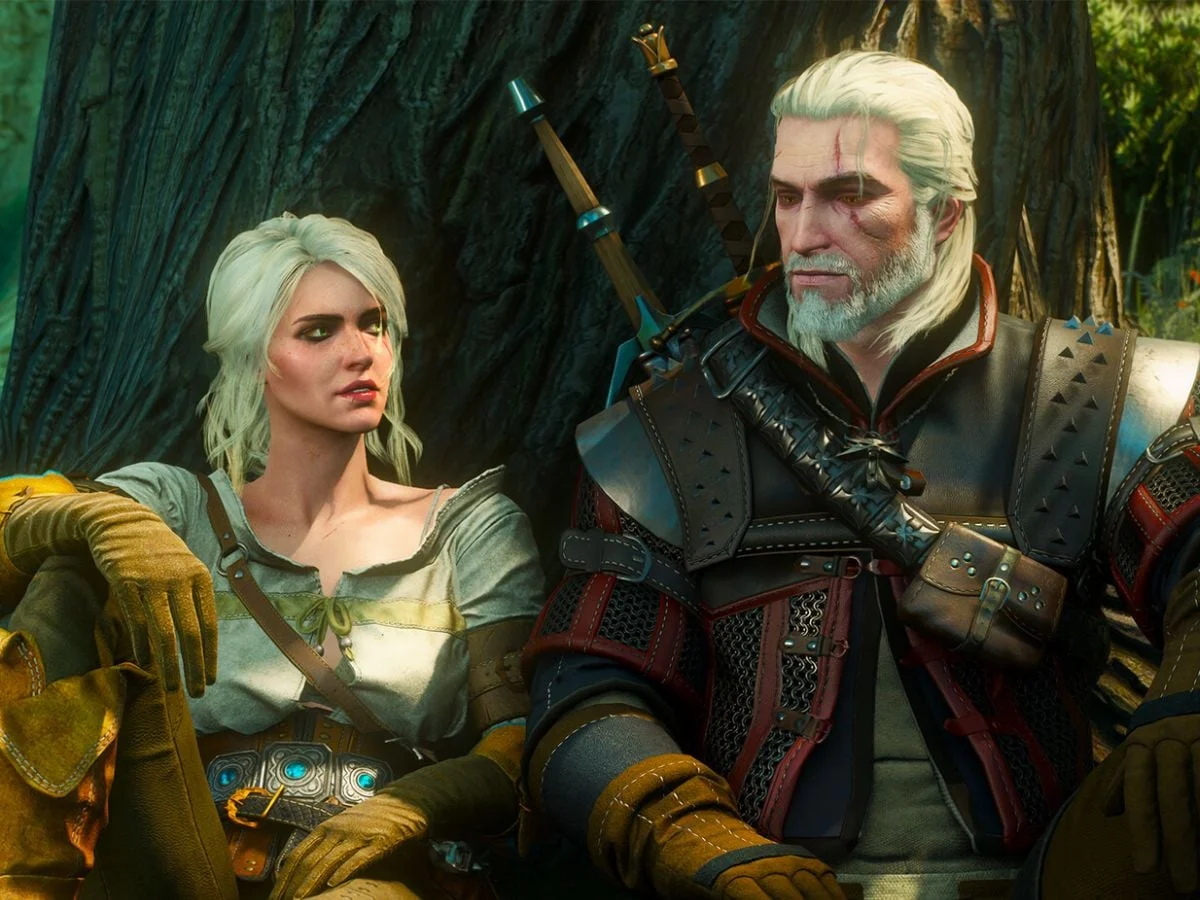
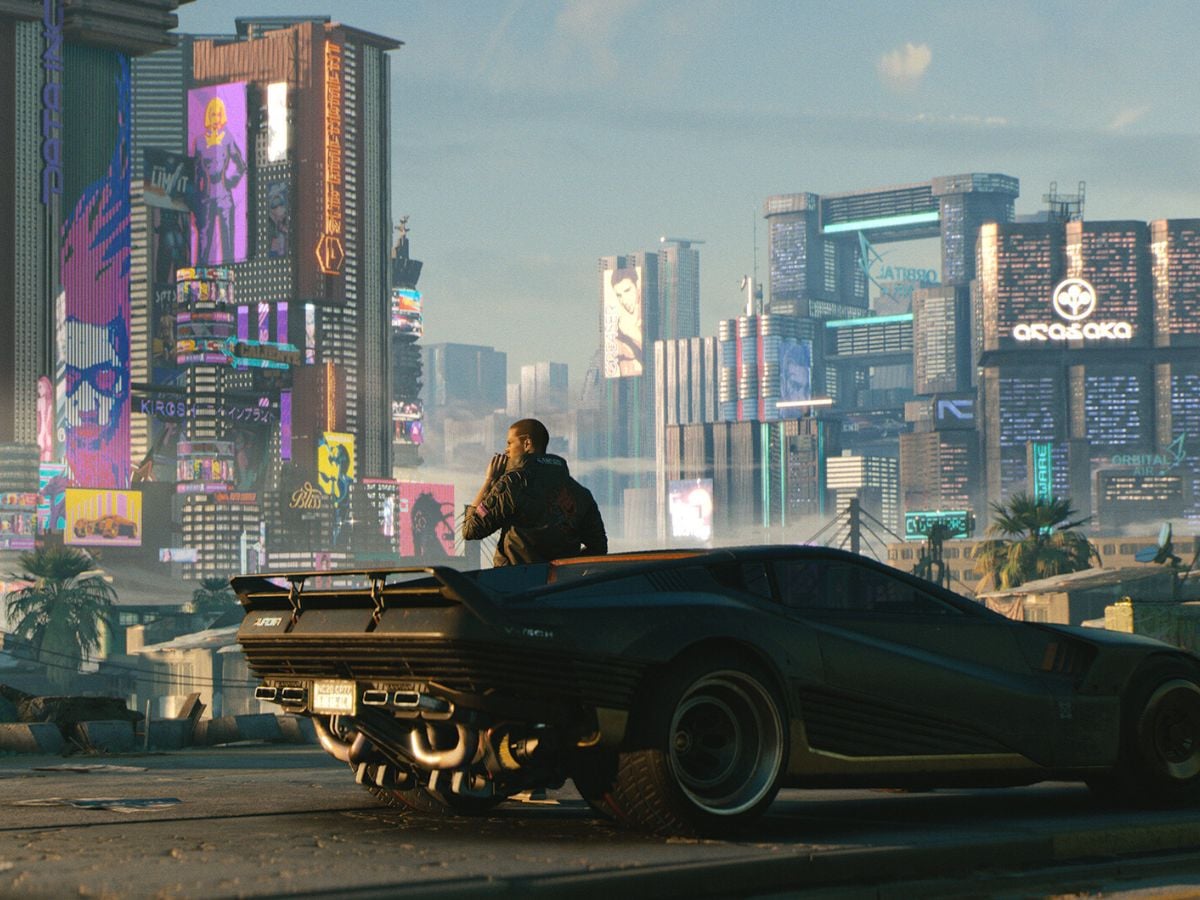
For over a decade, CD Projekt RED has cemented its reputation as a titan of the role-playing genre, defined by two massive pillars: the gritty, monster-ridden world of The Witcher and the neon-soaked, cybernetic dystopia of Cyberpunk 2077. However, both of these massive franchises were born from existing intellectual property—the former from Andrzej Sapkowski’s seminal novel series, and the latter from Mike Pondsmith’s classic tabletop RPG.
Now, the Polish studio is looking to break that mold. "Project Hadar," a mysterious initiative first teased in October 2022, represents the company’s first attempt at crafting a completely original, proprietary universe from the ground up. While the project remains shrouded in secrecy, recent recruitment drives and executive commentary are beginning to peel back the curtain on what might become the next flagship experience for the developers.
The Foundations of Hadar: A New Beginning
The announcement of Project Hadar was a significant milestone for CD Projekt. When it was first introduced during an earnings call, the studio emphasized that this was not merely a new game, but a new IP—a fundamental shift for a company that has spent its entire history adapting pre-existing lore.
While The Witcher and Cyberpunk provided the studio with established world-building and character archetypes, Hadar requires a different level of creative labor. The team is not just designing a game; they are engineering the physics, history, social structures, and existential threats of a brand-new world. As CEO Michał Nowakowski confirmed in March 2024, the studio has successfully "established the foundations" of this world. This suggests that the conceptual phase—the "blue sky" period where the rules of the universe are written—is largely complete, and the transition into specific game design has begun.
Chronology of Development: From Concept to Construction
To understand the trajectory of Project Hadar, one must look at the timeline of its development, which has been characterized by slow, methodical expansion.
- October 2022: CD Projekt officially acknowledges the existence of "Project Hadar," identifying it as a new, internal IP.
- Early 2023: The team remains in a state of incubation, focusing on creative conceptualization rather than active production.
- March 2024: CEO Michał Nowakowski confirms the project has moved out of pure concept and into early development, with designers creating specific elements and prototypes for the game’s core mechanics.
- February 2025: Marcin Blacha, the studio’s Vice President of Narration, issues a public call to action on social media, seeking an "extraordinary crew" to help build the world. This marked a shift toward more aggressive hiring.
- Late 2025 (Present): New job listings for an Engineering Director reveal that the project is officially moving into more concrete phases of development, emphasizing immersive, open-world mechanics.
Supporting Data: Where Does Hadar Fit?
The current status of Project Hadar is best understood by looking at how the studio allocates its massive human resources. According to recent financial disclosures, CD Projekt is currently juggling several high-profile projects, and the staffing numbers highlight exactly where Hadar fits in their long-term roadmap.
As of the most recent reporting:
- The Witcher 4 (Project Polaris): 513 developers.
- Cyberpunk 2077 Sequel (Project Orion): 163 developers.
- The Witcher-themed Multiplayer (Project Sirius): 83 developers.
- Project Hadar: 24 developers.
At first glance, a team of 24 might seem small, but in the context of AAA game development, this is a "skunkworks" team—a small, elite group tasked with defining the DNA of the project before the studio scales up production. While The Witcher 4 is the clear priority for the company’s immediate commercial future, Hadar is being treated as the "long-tail" investment. It is the project meant to carry the studio through the end of the decade and into the next.
Decoding the Job Listings: What to Expect
While official press releases remain vague, the technical and creative requirements listed in CD Projekt’s job postings offer a roadmap for the game’s design philosophy.
An Immersive, Emotional Open World
The recent listing for an "Engineering Director" is particularly revealing. The job description notes that the candidate will be tasked with "pushing the envelope" to create an "emotional, open-world experience that will stay with gamers." The specific use of the term "open-world" confirms a design philosophy consistent with the studio’s previous hits. CD Projekt does not typically make linear corridors; they specialize in sprawling, reactive environments where the player’s choices leave a tangible impact on the world.
A Focus on Narrative-Driven Design
Other listings for narrative and writing roles stress a requirement for candidates to be "passionate about narrative-driven and emotional design." This confirms that despite the new setting, the studio is not abandoning its roots. Players should expect a title that prioritizes deep, branching dialogue, complex character arcs, and high-stakes moral dilemmas—the hallmarks of the studio’s work on Geralt of Rivia and V.
Single-Player Integrity
While industry trends have pushed many developers toward "Games as a Service" (GaaS) or multiplayer-heavy titles, the evidence surrounding Hadar points toward a pure, single-player experience. By focusing on narrative-driven recruitment and emphasizing emotional resonance, the studio is signaling to its core fanbase that it intends to continue the tradition of single-player excellence that made The Witcher 3: Wild Hunt a classic.
Implications for the Future of CD Projekt
The existence of Project Hadar has massive implications for the company’s valuation and creative legacy. By building their own IP, CD Projekt is attempting to mitigate the risks associated with licensing. Licensing costs—whether for intellectual property like The Witcher or collaborations for Cyberpunk—can be significant. By owning every aspect of Hadar, from the trademark to the underlying lore, the studio secures long-term financial freedom.
Furthermore, this is a test of the studio’s creative maturity. For years, critics have asked if CD Projekt could succeed without the support of pre-existing, beloved literature. Can they build a world that captures the imagination as effectively as the Continent or Night City?
The early development stages suggest a cautious, deliberate approach. They are not rushing to announce a release date, nor are they showing off cinematic trailers that might overpromise and underdeliver—a lesson learned the hard way during the initial launch of Cyberpunk 2077. Instead, they are prioritizing the "extraordinary crew," ensuring that the team is built of individuals capable of high-level narrative and engineering feats.
Conclusion: A Patient Wait
Project Hadar is undoubtedly years away from hitting the shelves. With only 24 dedicated staff members currently assigned to the project, the game is in the "incubation" phase, far removed from the crunch of a major production cycle.

However, the shift from conceptualization to prototyping is a major step. As the studio continues to recruit top-tier talent to build this "emotional, open-world experience," the industry will be watching closely. If CD Projekt can successfully synthesize the lessons they learned from the successes of The Witcher and the turbulent, yet ultimately triumphant, evolution of Cyberpunk 2077, Project Hadar could define the next generation of RPGs. For now, the world remains a mystery, but the foundation—both technical and narrative—is being laid with the same ambition that has defined the studio’s rise to prominence.











No comments yet. Be the first to join the conversation!