

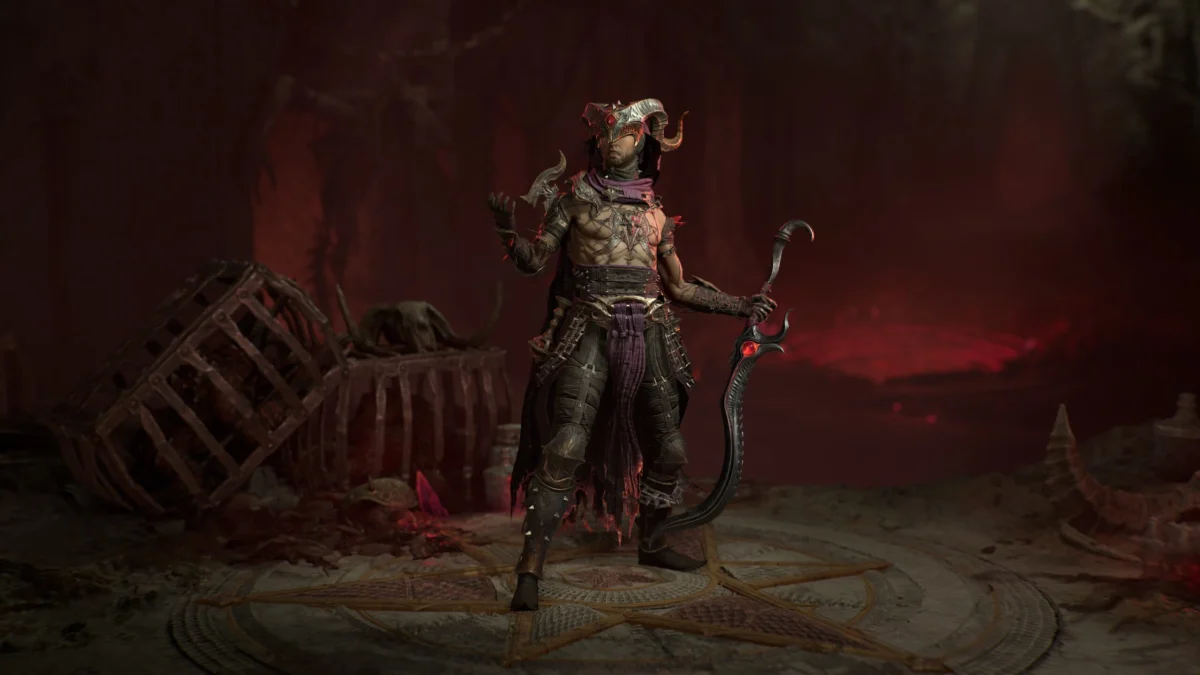
Sanctuary, a realm perpetually teetering on the brink of damnation, prepares to welcome a new, formidable force into its eternal conflict. Blizzard Entertainment has officially unveiled the Warlock, a practitioner of forbidden arts, as the second playable class destined to join the fray with the highly anticipated Lord of Hatred expansion for Diablo IV. This revelation follows a comprehensive Developer Update, offering adventurers their inaugural deep dive into the Warlock’s dark capabilities, intricate gameplay mechanics, and its pivotal role in the ever-expanding universe of the acclaimed action RPG.
The Warlock, a figure shrouded in shadow and wielding powers previously thought to be exclusive to the denizens of Hell itself, stands as a stark thematic counterpoint to the previously revealed Paladin. While the Paladin embodies divine purity and righteous zeal, the Warlock embraces a pragmatic, albeit perilous, path – one that dares to harness infernal energies and command demonic entities to confront the encroaching darkness. This addition not only expands the roster of playable characters but also significantly broadens the tactical and narrative possibilities within Diablo IV, promising a fresh, unsettling, and powerful new way to experience the unrelenting struggle against evil.
A Glimpse into the Abyss: The Warlock’s Gameplay Debut
The journey to the Warlock’s full reveal has been a carefully orchestrated one, building anticipation among the millions of Diablo IV enthusiasts. Since the initial announcement of the Lord of Hatred expansion, the identity of the second new class remained a tantalizing mystery. Early purchasers of the expansion were granted immediate access to the Paladin, a venerable class steeped in Diablo lore, offering a taste of the new content to come. However, the Warlock lingered in the shadows, its existence confirmed by Blizzard in February, yet its true form and capabilities remained largely speculative until the recent, "meaty, well-produced" Developer Update.
The Developer Update: A Deep Dive
This extensive showcase served as the definitive platform for Blizzard to present the Warlock in all its unholy glory. The presentation meticulously detailed the class’s core archetypes, offering an unparalleled look at its unique gameplay loop and skill synergies. Developers highlighted how the Warlock integrates into Diablo IV‘s existing diverse class roster, ensuring it offers a distinct playstyle that avoids overlap while simultaneously enriching the overall combat experience. The visual demonstration of its abilities – conjuring demons, unleashing shadowy attacks, and manipulating the very essence of Hell – painted a vivid picture of the destructive potential players will soon command.
Thematic Contrast: Purity vs. Pragmatism
Central to the Warlock’s identity is its stark philosophical contrast with the Paladin. Where the Paladin’s strength is drawn from unwavering faith and divine light, the Warlock’s power stems from a radical pragmatism. They do not shy away from delving into the abyss, from forging pacts, or from twisting the very essence of demonic power to serve their own ends. This willingness to embrace forbidden knowledge and dangerous alliances underscores a core tenet of the Warlock: the ends justify the means, especially when those means involve eradicating the greater evils that plague Sanctuary. This dynamic not only adds narrative depth but also provides players with a compelling choice between two fundamentally different approaches to combating the forces of damnation.
Unholy Alliances: Deconstructing the Warlock’s Core Mechanics
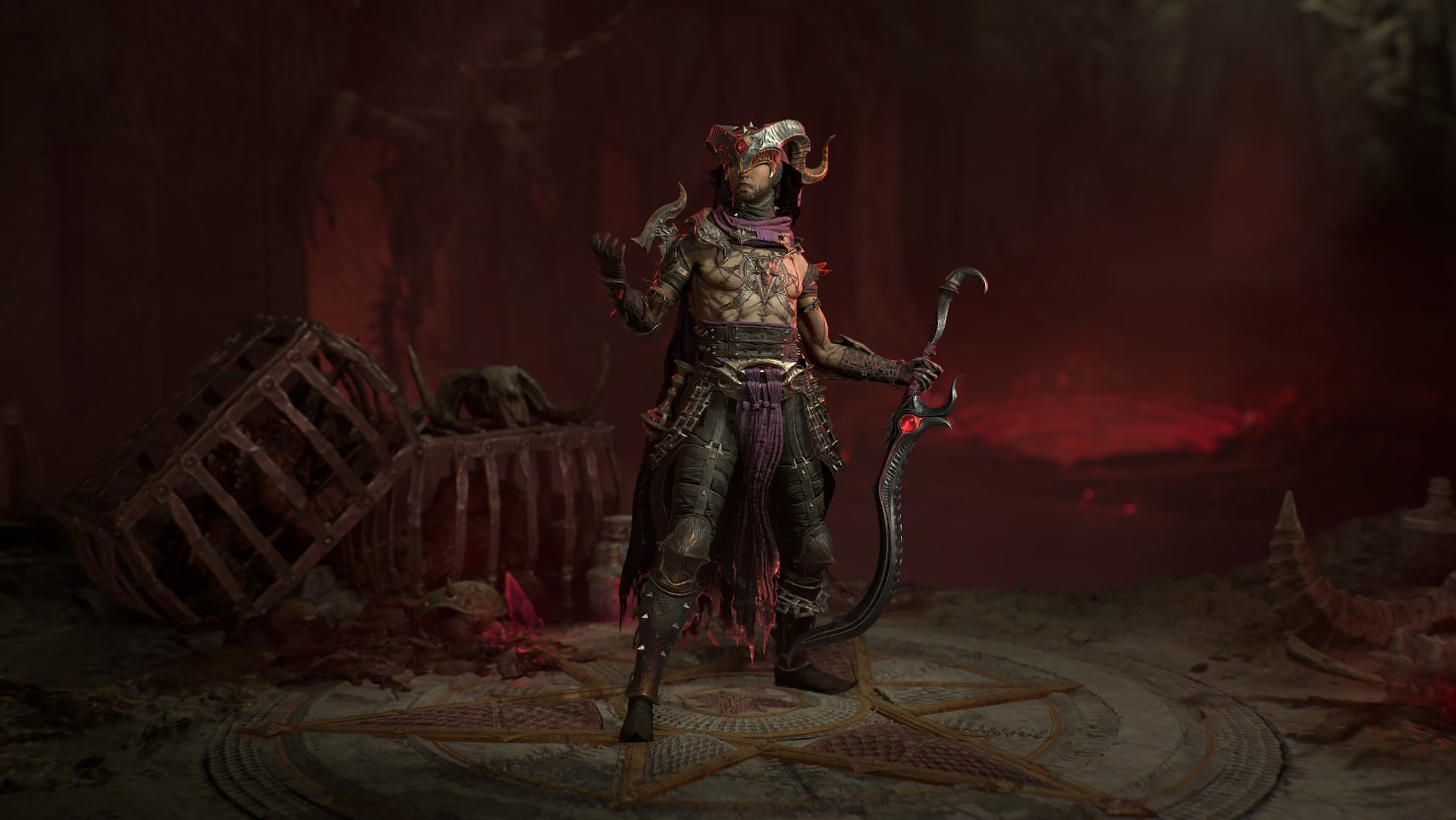
At its heart, the Warlock is a master of manipulation and forbidden power, designed as a hybrid pet and caster class. Its gameplay revolves around a delicate balance of summoning demonic thralls to fight alongside them and unleashing devastating shadow arts to undermine and obliterate foes. This unique combination requires players to master resource management and strategic positioning, offering a complex yet incredibly rewarding play experience.
Hybrid Playstyle: Pets and Potent Casts
The Warlock’s identity as a hybrid class means players will constantly weave between commanding their summoned demons and casting powerful spells. Unlike the Necromancer, whose minions are often numerous and disposable, the Warlock’s summoned entities appear to be more integral to their core spellcasting, potentially offering unique synergies or empowering their own abilities. This dynamic encourages a more active pet management style, where the player’s direct actions amplify the effectiveness of their demonic allies, and vice-versa. The shadow arts, on the other hand, provide direct damage, area-of-effect control, and various debuffs, ensuring the Warlock is never reliant solely on their summoned forces.
Resources of Power: Wrath and Dominance
Fueling the Warlock’s dark abilities are two distinct resource pools: Wrath and Dominance. Understanding and efficiently managing these resources will be paramount to mastering the class.
- Wrath: This resource is consumed when casting the Warlock’s direct damage spells and debilitating shadow arts. It represents the raw, volatile magical energy that the Warlock draws upon for immediate offensive and defensive capabilities. Players will need to generate Wrath through basic attacks or specific skill interactions to sustain their spellcasting onslaught.
- Dominance: This resource is the key to the Warlock’s unique summoning capabilities. It is what allows the Warlock to conjure forth their demonic allies and exploit their infernal powers. Dominance likely regenerates through different means than Wrath, perhaps through specific passive abilities, successful demon attacks, or by maintaining control over the battlefield. The strategic interplay between these two resources – spending Wrath for direct impact while building Dominance to unleash and empower their demonic legions – will define the Warlock’s moment-to-moment combat flow. This dual resource system adds a layer of strategic depth, forcing players to prioritize and adapt their approach based on the combat situation, ensuring a dynamic and engaging experience.
Forging a Pact: The Soul Shard System
The Warlock’s profound connection to the denizens of Hell is embodied in its unique class mechanic: the fusion of Soul Shards. This intricate system unlocks once players reach Level 30, providing a significant progression milestone that fundamentally shapes their character’s power.
At this crucial juncture, Warlocks gain the ability to fuse Soul Shards into their bodies. Each Soul Shard is intrinsically tied to a specific demon, granting the Warlock access to its unique powers and enabling them to call upon these infernal beings in combat. This system is far more than a simple talent tree; it represents a tangible pact, a deepening of the Warlock’s connection to the demonic realm.
The choice of which Soul Shards to fuse directly influences the Warlock’s available abilities, playstyle, and ultimately, the specific demonic entities they can summon. This mechanic encourages significant build diversity and replayability. Players will need to carefully consider which demonic patrons align best with their desired combat strategy, as these choices will dictate the very essence of their Warlock’s power. The implications for character progression are profound, as players will actively sculpt their Warlock’s identity through these infernal fusions, making each Warlock feel truly unique.
Paths to Perdition: Exploring the Warlock’s Archetypes
To cater to a wide array of playstyles and strategic preferences, the Warlock offers four distinct archetypes, each providing a unique specialization within the broader framework of demonic summoning and shadow magic. These archetypes become available once the Soul Shard mechanic is unlocked at Level 30, allowing players to truly lean into their preferred method of destruction.

Legions: Commanders of the Infernal Horde
The Legions archetype caters to players who revel in overwhelming their enemies through sheer numbers. These Warlocks are traditional summoners, focusing on conjuring a multitude of lesser demons to create a relentless, infernal tide. Their strength lies in their ability to quickly raise and command a significant retinue, using their collective might to swarm foes, draw aggro, and apply consistent pressure. A Legions Warlock might prioritize skills that enhance their minion’s durability, damage, or provide area-of-effect debuffs through their sheer presence, making them masters of battlefield control through overwhelming force.
Vanguards: Frontline Sorcery with a Demonic Edge
For those who prefer a more direct and aggressive approach, the Vanguards archetype offers a compelling alternative. These Warlocks are closer in playstyle to a Sorcerer, specializing in dealing direct, impactful damage with their shadow arts. However, unlike pure casters, Vanguards integrate their demonic connections to empower their spells or provide crucial defensive boons. They might summon specific, more resilient demons that serve as personal bodyguards or conduits for their destructive magic, allowing them to stand closer to the fray and unleash their powers head-on. This archetype is likely to appeal to players who enjoy high-burst damage and a more active, offensive spellcasting role.
Masterminds: Weavers of Shadow and Subversion
The Masterminds archetype focuses on a more insidious form of combat, utilizing shadowcraft to slowly and methodically drain the life force from their enemies. These Warlocks excel at applying debilitating curses, long-lasting damage-over-time effects, and various forms of crowd control. Their summoned demons might serve to amplify these debuffs, hold enemies in place, or act as conduits for their shadow magic. A Mastermind Warlock thrives on prolonged engagements, wearing down even the toughest adversaries with a relentless barrage of weakening effects, making them ideal for players who enjoy strategic, methodical combat and seeing their enemies slowly succumb to dark corruption.
Ritualists: Conjurers of Terrifying Hellish Powers
The Ritualists represent the pinnacle of demonic mastery, specializing in summoning the most terrifying and powerful Hell demons. Unlike the Legions who focus on quantity, Ritualists emphasize quality, bringing forth singular, devastating entities that can turn the tide of battle. These might be massive, high-impact demons with unique abilities that decimate entire groups of enemies or provide unparalleled utility. The Ritualist’s gameplay will likely revolve around carefully managing the summoning and upkeep of these formidable allies, ensuring they are deployed at the most opportune moments to unleash their full destructive potential. This archetype will appeal to players who enjoy commanding truly epic, game-changing summons and mastering complex ritualistic magic.
Armaments of Darkness: New Uniques and Itemization
As with any new class introduced to Diablo IV, the Warlock will arrive alongside a suite of brand-new Unique items specifically tailored to enhance and define its diverse playstyles. Unique items in Diablo IV are crucial components of end-game buildcrafting, offering powerful and often build-defining affixes that can drastically alter how a class is played.

For the Warlock, these new Uniques are expected to profoundly impact how players engage with their chosen archetypes. A Unique might, for instance, significantly boost the number of demons a Legions Warlock can summon, or transform the core mechanic of a Vanguards’ primary shadow spell. Another could grant a Masterminds Warlock an entirely new debuff application method, or empower a Ritualists’ ultimate demon summon with devastating new abilities. The introduction of these class-specific Uniques not only provides exciting new gear chase opportunities but also further solidifies the distinct identity of each Warlock archetype, encouraging experimentation and fostering a vibrant theorycrafting community. This approach mirrors Blizzard’s strategy with the Paladin and the previously showcased Spiritborn class, ensuring that new additions are fully supported by robust itemization that empowers diverse and engaging gameplay.
Blizzard’s Vision: Official Insights and Design Philosophy
The comprehensive Developer Update served not only as a reveal but also as a window into Blizzard’s design philosophy for the Warlock. Developers articulated their intent to create a class that feels both distinct and integral to the Diablo IV experience. The core idea behind the Warlock’s "pragmatism" and willingness to harness infernal powers was a conscious choice to offer players a morally ambiguous, yet incredibly potent, avenue for combating evil.
Insights from the development team suggest a deliberate effort to differentiate the Warlock from existing classes like the Necromancer (also a summoner) and the Sorcerer (a caster). The dual resource system of Wrath and Dominance, for example, was likely implemented to create a unique rhythm of play, forcing players to actively manage both their direct spellcasting and their demonic command. The Soul Shard mechanic further exemplifies this, offering a unique progression path that deeply ties a Warlock’s identity to their chosen demonic pacts, rather than just generic talent point allocation. Blizzard’s goal appears to be to offer a class that provides a high skill ceiling through intricate resource management and strategic archetype selection, while still being accessible enough for new players to pick up and enjoy its thematic richness. The emphasis on new Uniques underscores their commitment to ensuring the Warlock is not only fun to play but also has substantial end-game viability and build diversity.
Implications for Sanctuary: The Warlock’s Impact on Diablo IV’s Future
The Warlock’s impending arrival with the Lord of Hatred expansion carries significant implications for the future of Diablo IV, influencing everything from the metagame to player engagement.
Expanding the Metagame and Build Diversity
The introduction of a complex hybrid class with four distinct archetypes is poised to significantly shake up Diablo IV‘s metagame. The Warlock’s unique blend of pet management, shadow magic, and dual resource mechanics will undoubtedly open up entirely new buildcrafting possibilities. Players will spend countless hours theorycrafting optimal skill rotations, gear combinations, and paragon board allocations to maximize the Warlock’s potential. This influx of new strategies could challenge the dominance of existing classes, fostering a more dynamic and competitive environment within the game’s various activities, from high-tier Nightmare Dungeons to PvP battles. The distinct flavor of each Warlock archetype ensures that the class isn’t a one-trick pony, but rather a versatile toolset for confronting Sanctuary’s horrors.

Player Engagement and Anticipation
The excitement surrounding the Warlock’s reveal is palpable within the Diablo IV community. A new class, particularly one as thematically compelling and mechanically rich as the Warlock, is a significant draw for both veteran players and those who might have taken a break from Sanctuary. The promise of wielding forbidden powers, summoning terrifying demons, and exploring radically new playstyles generates immense anticipation for the Lord of Hatred expansion. This sustained engagement is crucial for the long-term health of a live-service game like Diablo IV, demonstrating Blizzard’s commitment to delivering fresh and exciting content.
The Road Ahead: Lord of Hatred and Beyond
The Lord of Hatred expansion is slated to arrive on April 28, marking a pivotal moment in Diablo IV‘s post-launch journey. The Warlock, alongside the Paladin, represents a significant expansion of the game’s core content, promising new narratives, zones, and challenges beyond just new classes. While players eagerly await the expansion’s launch, Blizzard is ensuring there’s plenty to keep them occupied. Diablo IV‘s next seasonal update, described as offering "a bit of mindless fun," is kicking off in the immediate weeks preceding the expansion, designed to bridge the content gap and maintain player engagement until the "big day." This consistent stream of new content, both through seasons and major expansions, underscores Blizzard’s ongoing commitment to evolving and enriching the Diablo IV experience for years to come. The Warlock’s arrival is not just the introduction of a new character; it’s a testament to the continued growth and dark majesty of Sanctuary.
In conclusion, the Warlock is more than just another class; it represents a bold step into darker, more complex gameplay for Diablo IV. With its intricate mechanics, diverse archetypes, and compelling thematic identity, the Warlock is poised to become a fan favorite, offering a fresh and deeply engaging way to confront the endless legions of Hell. As the Lord of Hatred expansion draws near, the anticipation for unleashing these forbidden arts upon Sanctuary’s tormented lands only grows.












No comments yet. Be the first to join the conversation!