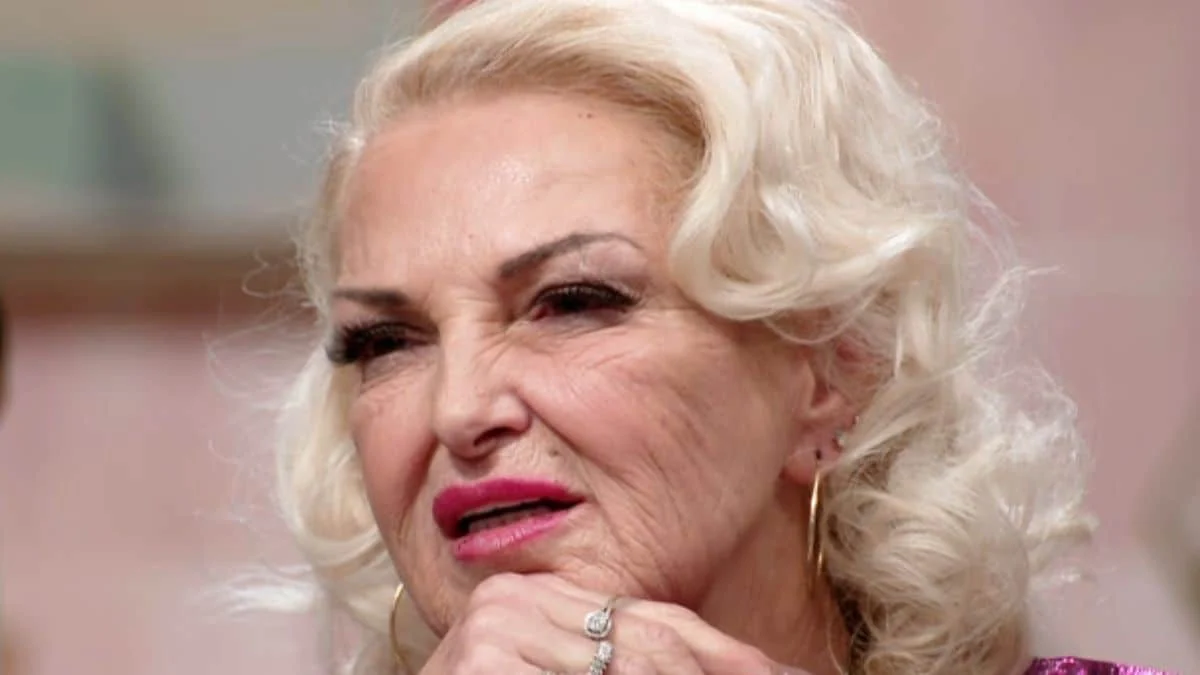
The world of reality television is rarely a place of quiet reflection, and for Angela Deem, one of the most recognizable and polarizing figures in the 90 Day Fiancé franchise, controversy is a constant companion. However, the 58-year-old grandmother, affectionately known to her fans as "Meemaw," recently drew a definitive line in the sand. When the vitriol of social media shifted from her own provocative persona to her nine-year-old granddaughter, Ariah Kaye, Deem transitioned from a reality TV firebrand to a protective matriarch.
In a series of emotional and pointed social media exchanges, Deem not only defended her granddaughter against body-shaming trolls but also shared a poignant revelation regarding the child’s health. This incident highlights the increasingly toxic intersection of reality fame, social media engagement, and the ethics of digital conduct toward minors.
Chronology of the Conflict: From Lip-Syncing to Public Rebuttal
The incident began earlier this week when Angela Deem shared a video of her granddaughter, Ariah, on her TikTok account, which was subsequently cross-posted to her Instagram profile. Ariah is one of the three children belonging to Angela’s daughter, Scottie. In the video, the nine-year-old is seen lip-syncing to the hit duet "Die With A Smile" by Lady Gaga and Bruno Mars.
Ariah, whom Angela frequently refers to as her "Twinzy," appeared confident and charismatic in the footage. Holding a microphone and expressively swinging her long hair, the young girl performed with a level of showmanship that Angela’s followers have come to expect from the Deem family. Angela captioned the post with hashtags like #FUTUREQUEEN and #queenofreality, signaling her pride in Ariah’s burgeoning stage presence.
While the majority of the feedback was positive, with fans praising Ariah’s confidence and performance skills, a subset of viewers began posting derogatory comments. These remarks moved beyond the typical critiques of reality TV stars and targeted the physical appearance of the child. Specifically, trolls began to make unsolicited comments about Ariah’s weight and diet. One comment, which became a focal point of the ensuing controversy, bluntly stated, "You all need to eat healthier."
The response from Angela Deem was swift. Recognizing that the criticism had crossed a boundary into the harassment of a minor, she recorded a follow-up video to address the "kings and queens" of her social media following, as well as the "trolls" who had infiltrated the comment section.
Supporting Data: The Performance and the Pedigree
To understand the weight of this confrontation, it is necessary to look at the context of Angela Deem’s family life as portrayed on television. Angela has been a staple of the TLC network for years, appearing in multiple seasons of 90 Day Fiancé and its various spin-offs, including Happily Ever After? and The Last Resort. Throughout her tenure, her grandchildren have often been featured as the emotional core of her home life in Georgia.
Ariah Kaye, specifically, has grown up in the periphery of the spotlight. The video in question showcased her performing a song that requires significant emotional range—a task she handled with the poise of someone much older.
The Nature of the Comments
The digital harassment faced by Ariah is part of a broader, troubling trend in "mommy-blogging" and reality TV circles where the children of public figures are subjected to adult-level scrutiny. The specific comment regarding "eating healthier" was not an isolated observation but part of a pattern of body-shaming directed at the Deem family. For years, Angela herself has been the subject of intense debate regarding her health, her weight-loss surgeries, and her lifestyle choices. However, the shift toward targeting a nine-year-old child marked a significant escalation in online hostility.
Official Response: Angela Deem’s "Do Better" Message
In her rebuttal video, Angela Deem adopted a tone that was notably different from her usual high-decibel television outbursts. While still firm, she spoke with a sense of gravity and maternal protection. She began by thanking those who supported Ariah’s performance before turning her attention to the critics.
"I just wanna bring something to y’all’s attention," Angela stated in the video, which she captioned "DO BETTER GOD BLESS YOU." She acknowledged that as a public figure, she has developed a thick skin. "To the Instagrammers out there that come on my page to cut me down, I can take that. When you come after my granddaughter and talk about her belly, um, you should be ashamed of yourself."

A Medical Revelation
The most significant part of Angela’s response was the disclosure of Ariah’s medical condition. In an effort to silence those commenting on the child’s physical appearance, Angela revealed that Ariah battles a chronic illness.
"And just a little info for you: she has kidney disease like her mom," Angela explained. This revelation provided a sobering context to the physical "critiques" offered by strangers. Kidney disease, particularly in children, can cause various physical symptoms, including fluid retention and bloating, which may affect a child’s silhouette.
Angela concluded her message with a moral challenge to her audience: "What kind of person goes around cutting down kids anyway? Crown of thought. Do better. That kid hasn’t done nothing to you."
Implications: The Ethics of Reality TV and Social Media Harassment
This incident raises several critical questions regarding the ethics of online interaction and the protection of minors associated with reality television.
1. The Vulnerability of "Reality Children"
Children who appear on reality television do not choose their public status. While their parents or guardians make the decision to include them in filming or social media posts, these children often become collateral damage in the "fame game." The case of Ariah Kaye illustrates how easily the "hate-following" of a reality star can bleed into the bullying of a minor. Experts in digital safety often warn that children of celebrities are at a higher risk for psychological distress when subjected to public shaming before they have the emotional maturity to process it.
2. The Health Stigma and Misinformation
Angela’s disclosure of Ariah’s kidney disease highlights the dangers of "armchair diagnosis" and lifestyle shaming. When trolls commented on Ariah’s need to "eat healthier," they were operating on assumptions based on visual appearance, entirely unaware of the underlying medical struggles the family was facing. This serves as a case study in why commenting on a stranger’s—and especially a child’s—body is inherently problematic. It assumes a level of knowledge about the individual’s health and circumstances that the observer simply does not possess.
3. The "Meemaw" Brand and Matriarchal Protection
For Angela Deem, this moment reinforces her brand as a fiercely loyal grandmother. Despite the many criticisms leveled against her for her behavior on 90 Day Fiancé, her devotion to her grandchildren has rarely been questioned by viewers. By standing up for Ariah, Angela is signaling that while she may be a "character" for TLC, her family is off-limits. This incident may actually serve to humanize Deem in the eyes of some of her harshest critics, as the instinct to protect a child from bullying is a universal value.
4. Platform Responsibility and Moderation
The fact that such comments remained visible enough for Angela to feel the need to respond also brings the role of platform moderation into question. TikTok and Instagram have policies against the harassment of minors, yet body-shaming of children remains a persistent issue. This event underscores the need for more robust filtering of comments on accounts belonging to public figures, particularly when those posts feature children.
Conclusion: A Line in the Sand
Angela Deem’s confrontation with her granddaughter’s critics is a reminder that behind the edited drama of reality television are real families dealing with real health challenges. Ariah Kaye’s "Die With A Smile" performance was intended to be a moment of joy and family pride; instead, it became a battleground for digital ethics.
As Angela continues to navigate her career in the public eye—with Season 11 of 90 Day Fiancé currently airing—she has made it clear that her role as a grandmother takes precedence over her role as a reality star. By revealing Ariah’s struggle with kidney disease, she has not only defended her granddaughter’s honor but has also issued a broader plea for empathy in an increasingly digital and judgmental world. The message remains clear: criticize the "Queen of Reality" if you must, but leave the children out of the fray.