

By Callum Mercer, Senior Editor
Last Updated: 05/05/2026
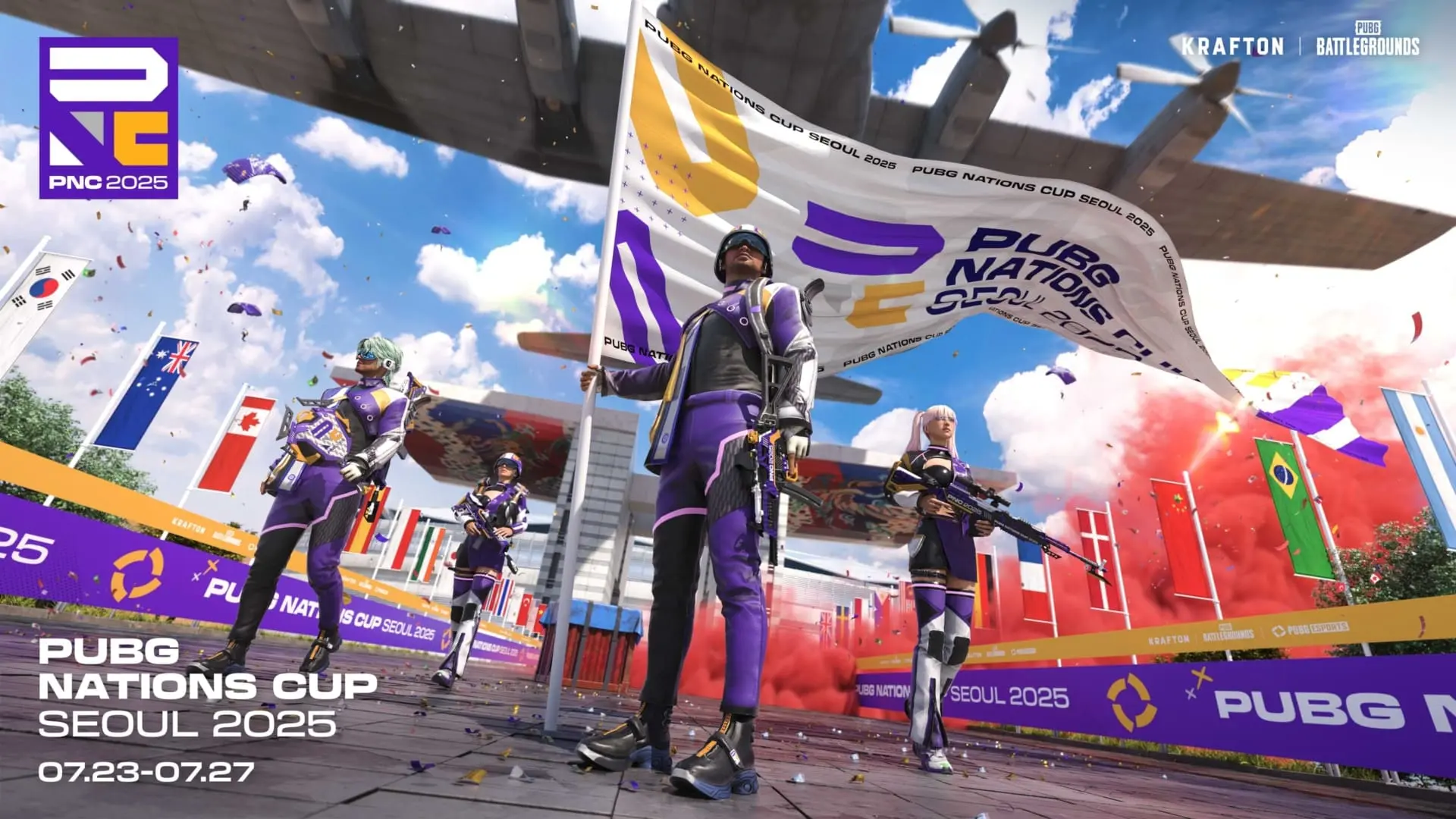
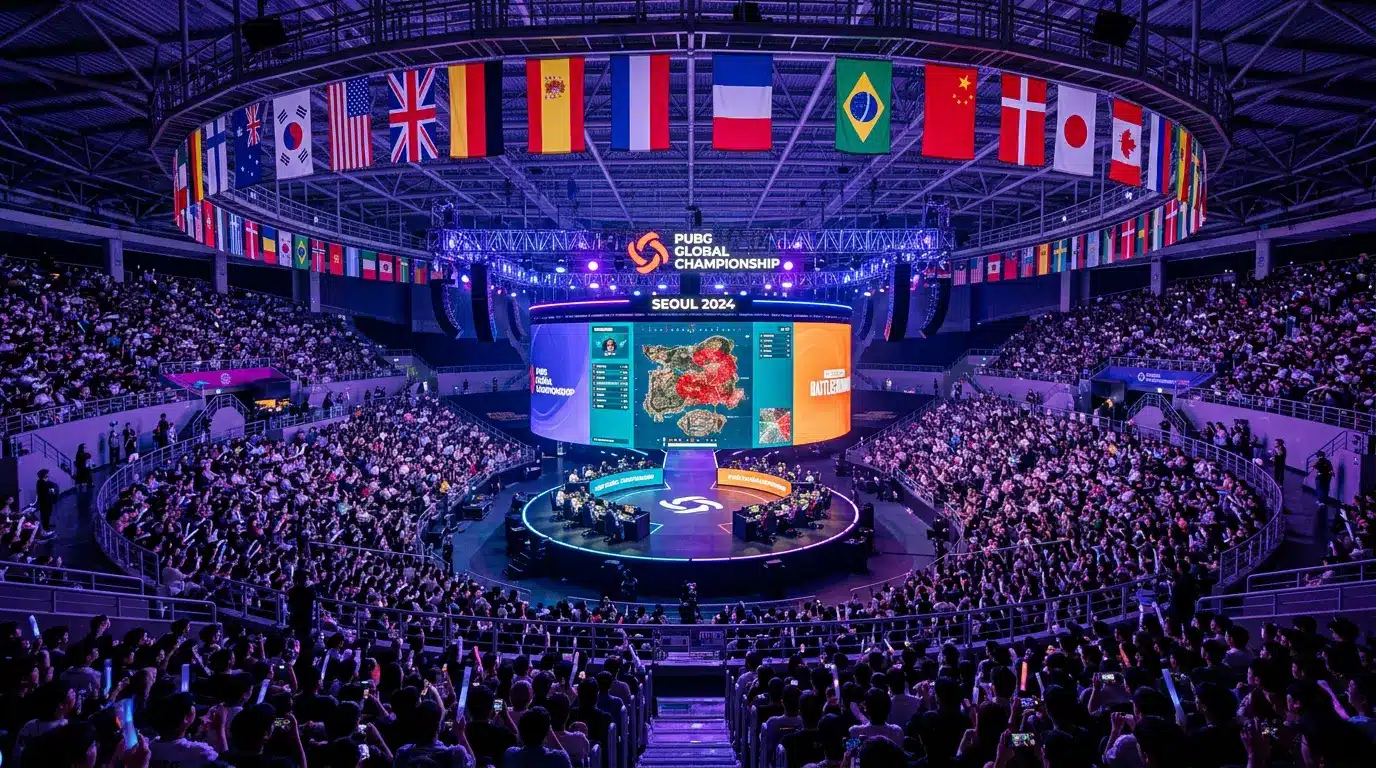
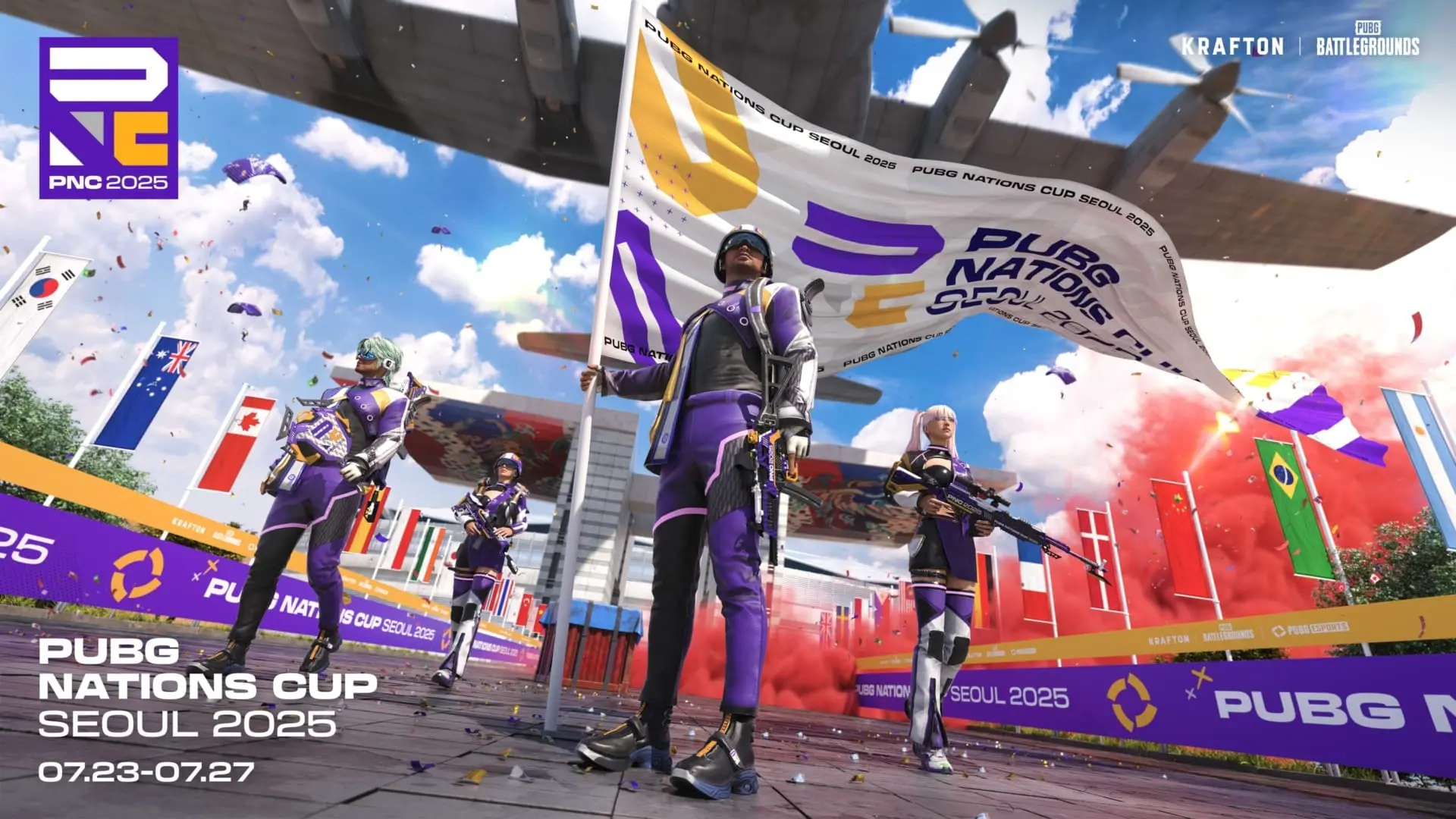
PUBG Esports has officially pulled back the curtain on the selection criteria for the 2025 PUBG Nations Cup (PNC), confirming that 24 national teams will descend upon Seoul’s Olympic Handball Gymnasium this July. While the venue itself—a historic home for competitive PUBG—signals a return to the roots of the game’s international prestige, the real story lies in the fine print.
By formalizing the selection process for the EMEA and Americas regions, PUBG Esports is signaling a shift away from the "invitational" feel of previous years toward a rigid, meritocratic system. This transformation is designed to elevate the Nations Cup from a fan-favorite exhibition into a premier, structured flagship event that carries weight within the global competitive ecosystem.
The Evolution of the Nations Cup Model
For years, the PUBG Nations Cup occupied a unique, somewhat precarious space in the esports calendar. It was a high-stakes, high-visibility event, yet it often lacked the structural consistency of the PUBG Global Championship (PGC) or the regional leagues like the PUBG EMEA Championship (PEC) and the PUBG Americas Series (PAS).
This year’s update changes that dynamic fundamentally. The new ruleset explicitly targets the "club-roster" problem—the tendency for national teams to simply be a copy-paste of a successful organization’s existing lineup. By enforcing a cap of two players per organization, the developers are forcing national selectors to cultivate diversity, forcing them to balance raw, individual performance with the complex chemistry of a cross-org squad.
This move is not merely a cosmetic change; it is a strategic effort to ensure that the tournament reflects national identity rather than just organizational dominance. It is a calculated risk: by breaking up established synergies, organizers are creating "roster tension," but they are also ensuring that the tournament remains a true showcase of regional talent rather than a repeat of the professional circuit’s status quo.
Chronology: From Regional Qualifiers to the Seoul Stage
The road to the Olympic Handball Gymnasium is paved with the results of the regional circuits. The timeline is as follows:
- Q1/Q2 2026: The regional leagues, specifically PEC Spring and PAS5, serve as the primary engines for the selection process. These tournaments are the "data wells" from which the first three names on every national roster will be drawn.
- Late May 2026: The formalization of roster locks. Following the conclusion of the spring seasons, the pressure shifts to players and national coaches to negotiate the final roster spot.
- Late July 2026: The 24 national teams convene in Seoul, South Korea.
- The Tournament Window: An intensive multi-day event at the Olympic Handball Gymnasium, designed to minimize travel fatigue and maximize high-level gameplay.
By tethering PNC qualification directly to the year-round ecosystem, PUBG Esports is creating a "results pipeline." This provides the continuity that the scene has desperately craved, ensuring that a player’s performance in a local lobby in April has a direct, measurable impact on their path to the world stage in July.

Supporting Data: Why the "Two-Player Cap" Matters
To understand why the two-player-per-organization cap is the most significant development of 2026, one must look at the data from the 2024 and 2025 cycles. In previous iterations, dominant organizations—such as those at the top of the EMEA standings—often provided the entirety of a national squad. While this ensured high synergy, it stifled the "national" feel of the event.
The current mandate allows for exemptions, but only in extreme cases where a nation’s elite talent pool is dangerously shallow. This creates a fascinating competitive ceiling. For countries with deep, clustered talent pools (such as South Korea or certain Nordic nations), the selection process becomes a game of chess. Coaches must weigh the benefits of keeping an existing "duo" together against the potential of a high-performing "solo" player from a different team who might offer more versatility.
Furthermore, this structural rigidity aligns with the broader push toward "professionalized visibility." In our recent analysis of Q1 2026 esports media value, it became clear that tournaments with clear, understandable qualification paths generate higher engagement. Fans are no longer left to guess how a roster is formed; they can trace the path from the regional leaderboard to the national jersey.
Official Stance and Strategic Implications
PUBG Esports has been vocal about its goal to standardize the professional pipeline. In a recent competitive update, the publisher emphasized that "visibility drives value." By moving away from discretionary picks and toward a system-led selection process, they are providing both fans and sponsors with a clear narrative.
The implications for the teams are profound:
- Increased Roster Volatility: We are likely to see unique, never-before-seen combinations of players.
- Strategic Coaching: The role of the national coach is elevated. They are no longer just a figurehead; they are now the arbiter of chemistry in a squad of individuals who may have spent the entire year playing against each other.
- Regional Growth: Smaller nations, previously overlooked, now have a clearer incentive to develop local talent to hit the qualification benchmarks set by the regional circuits.
This approach mirrors the success of other major esports titles that have successfully integrated national tournaments into their official, year-round structures. It removes the "side-show" label that plagued the event in its infancy.
The Path Forward: What to Watch for in the Coming Months
As the EMEA and Americas selections progress, the focus will turn toward the "full-field reveal." The excitement for PNC 2025 is not just about the final matches in Seoul; it is about the composition of the teams.
Observers should pay close attention to:
- The Exemption Requests: Any organization that files for a waiver to bypass the two-player cap will be signaling a lack of confidence in their region’s depth. Tracking these requests will give us a "heat map" of where the true power centers in global PUBG lie.
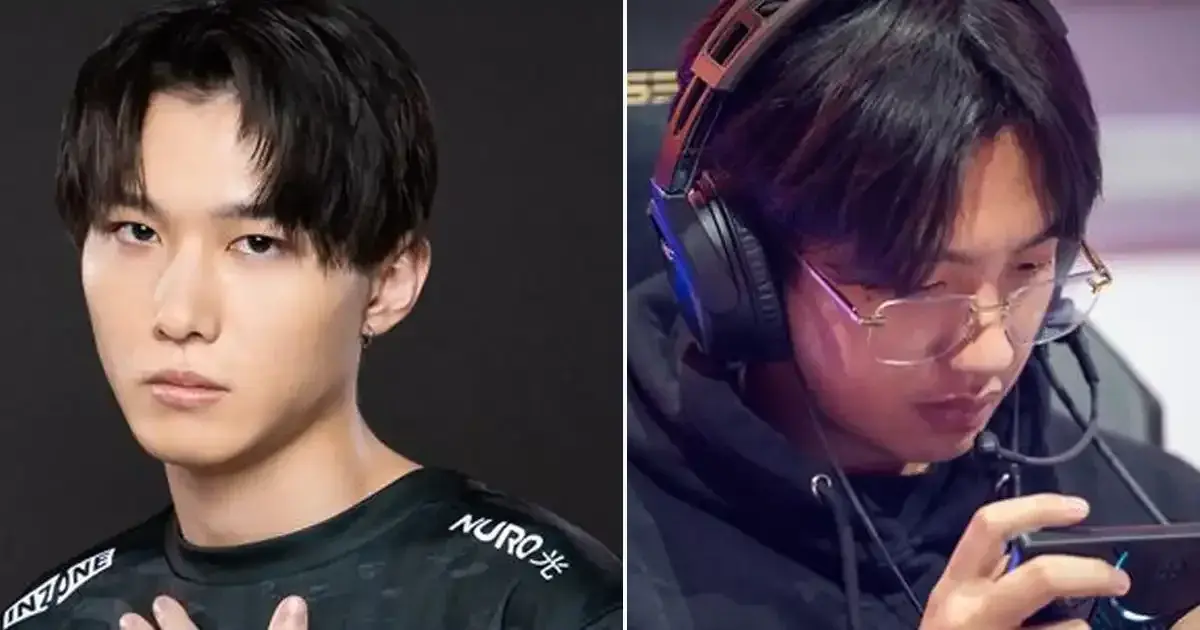
- The "Fourth Man" Dilemma: Once the core three are selected based on stats, the choice of the fourth player and the team captain will be the ultimate test of the new system. Will they choose a veteran for leadership, or a rising star for mechanical prowess?
- The Seoul Factor: Choosing the Olympic Handball Gymnasium is a deliberate nod to PUBG’s heritage. It is a venue that demands high-level play, and it sets the stage for a "marquee event" atmosphere that has been missing in recent years.
Conclusion: A Marquee Event in the Making
The PUBG Nations Cup 2025 is shaping up to be more than just a summer tournament. It is the culmination of a multi-year effort to bring order, transparency, and prestige to the national-team format. By enforcing a structure that rewards performance while mandating diversity, PUBG Esports is creating a framework that can survive the shifts in the industry.
Whether or not this produces the "perfect" competitive balance remains to be seen. However, the intent is clear: to move from nostalgia-driven exhibition play to a professionalized, high-stakes, system-led competition. If the current rules succeed in producing balanced, star-studded rosters, the 2025 Nations Cup in Seoul will not just be a summer event—it will be the benchmark for international PUBG competition for years to come.
As the tournament approaches, all eyes remain on the results of the spring circuits. The rosters are coming, the stakes are rising, and for the first time in a long time, the path to the trophy in Seoul feels like it was designed with the integrity of the game at its heart.
For more in-depth analysis of the 2026 competitive season and the latest on the PUBG EMEA Championship, subscribe to our newsletter via Google News.











No comments yet. Be the first to join the conversation!