

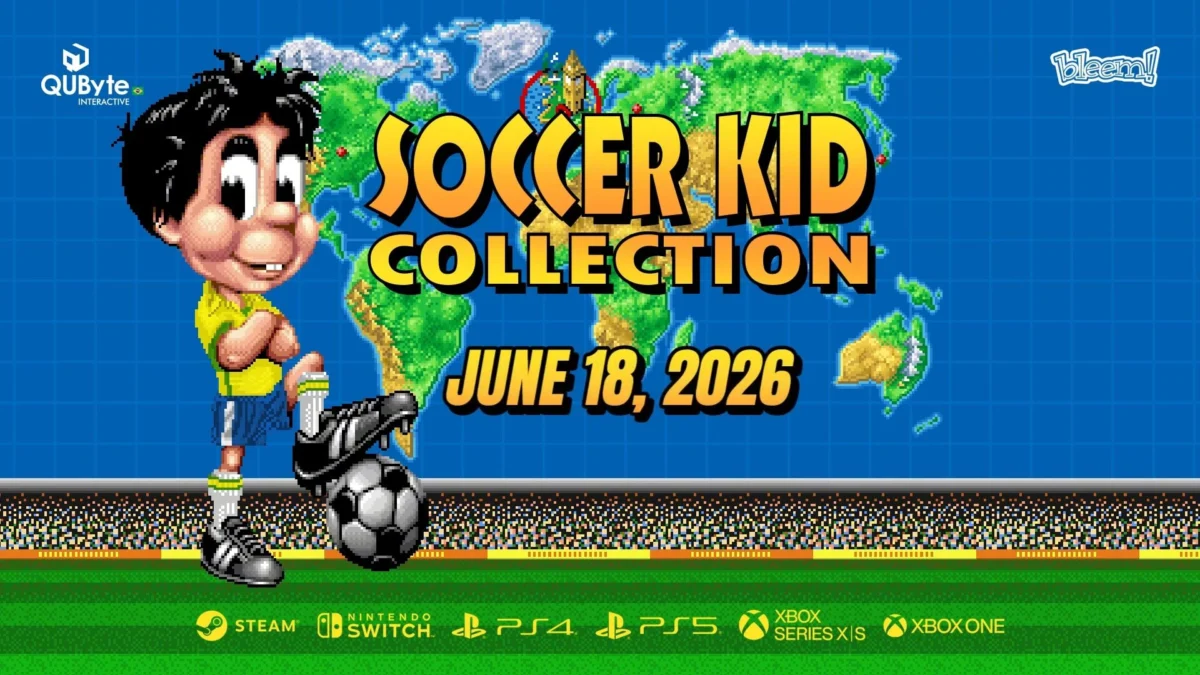
São Paulo, Brazil – QUByte Interactive has officially announced the launch date for QUByte Classics: Soccer Kid Collection, a definitive compilation set to bring the beloved 16-bit platformer to a new generation of players and rekindle nostalgia for long-time fans. The collection, featuring the classic Super Nintendo Entertainment System (SNES) and MS-DOS versions of the game, is slated for release on June 18, 2024. It will be available across a wide array of platforms, including PlayStation 5, Xbox Series X|S, PlayStation 4, Xbox One, Nintendo Switch, and PC via Steam.
The announcement, accompanied by a vibrant new trailer, has generated considerable buzz, particularly for its quirky premise: "Aliens stole the World Cup trophy!?" This audacious plot hook, which defined the original game, is central to the charming and challenging adventure awaiting players. As Soccer Kid, a young protagonist whose only weapon is his trusty soccer ball, players will embark on a global quest to recover the shattered pieces of the stolen World Cup, battling extraterrestrial adversaries and navigating intricate levels using unique ball-handling mechanics. This re-release by QUByte Interactive underscores a growing trend in the industry towards preserving and reintroducing cult classics, ensuring their legacy endures on contemporary gaming hardware.
Main Facts: A Modern Comeback for a 90s Cult Classic
The core of QUByte Interactive’s announcement revolves around the imminent release of QUByte Classics: Soccer Kid Collection. This digital package promises to deliver an authentic retro experience, meticulously preserving the charm and challenge of the original 1993 platformer. The game, originally developed by Krisalis Software, stood out in its era for its innovative gameplay, which ingeniously blended traditional platforming elements with soccer mechanics.
Players assume the role of Soccer Kid, a spirited young hero whose world is turned upside down when a mischievous alien race pilfers the coveted World Cup trophy, shattering it into five distinct pieces scattered across the globe. From the bustling streets of England to the exotic locales of Italy, Russia, Japan, and the United States, Soccer Kid must utilize his exceptional ball skills to overcome obstacles, defeat a colorful roster of enemies, and ultimately restore the most famous trophy in sports.
What sets Soccer Kid apart, and what the collection aims to highlight, is its distinctive control scheme. Unlike many platformers where jumping on enemies’ heads is the primary mode of attack, Soccer Kid relies entirely on his soccer ball. Players must dribble, shoot, and perform headers to navigate treacherous environments, activate mechanisms, and dispatch foes. The game’s physics engine, while rudimentary by today’s standards, was sophisticated for its time, allowing for varied ball trajectories and strategic gameplay. Keeping the ball close for precise dribbling or launching it for a powerful long-range strike becomes a fundamental aspect of survival and progression.
The QUByte Classics: Soccer Kid Collection is particularly noteworthy for including both the Super Nintendo Entertainment System (SNES) and MS-DOS versions. This dual inclusion offers players a unique opportunity to experience the subtle differences between the console and PC iterations, often a point of fascination for retro enthusiasts. The SNES version, known for its vibrant color palette and distinct sound design, contrasts with the MS-DOS version, which often featured higher resolution graphics and sometimes different musical arrangements depending on the sound card configuration. This commitment to offering multiple original versions speaks to QUByte’s dedication to game preservation and providing a comprehensive historical package.
The multi-platform launch strategy – encompassing PlayStation 5, Xbox Series X|S, PlayStation 4, Xbox One, Nintendo Switch, and PC via Steam – ensures maximum accessibility. This wide release acknowledges the diverse gaming habits of modern players, allowing them to enjoy this piece of gaming history on their preferred system, whether it be a powerful next-gen console, a portable hybrid, or a traditional PC setup. For many, this collection represents not just a game, but a tangible piece of their childhood, now resurrected for contemporary enjoyment.
Chronology: From 16-Bit Origins to Modern Revival
The journey of Soccer Kid from a niche 90s platformer to a multi-platform collection is a testament to its enduring appeal and the burgeoning retro gaming market.
The Genesis of a Classic: Soccer Kid’s Original Debut
Soccer Kid first graced screens in 1993, developed by the UK-based Krisalis Software. At a time when the 16-bit era was in full swing, dominated by iconic mascots like Mario and Sonic, Soccer Kid attempted to carve out its own niche with a unique premise and gameplay style. It initially launched on the Amiga and Amiga CD32, quickly gaining a following for its colorful graphics, catchy soundtrack, and innovative ball-based mechanics.
The game’s success led to ports across a remarkably diverse range of platforms, a common practice in the fragmented console landscape of the early to mid-90s. These included the Super Nintendo Entertainment System (SNES), MS-DOS, Game Boy, Atari Jaguar, 3DO, and even the short-lived Philips CD-i. Each port, while attempting to retain the core experience, often featured platform-specific adjustments in graphics, sound, and sometimes even level design, making the "definitive" version a point of debate among fans. The SNES and MS-DOS versions, however, are widely considered among the most polished and recognizable iterations, hence their inclusion in the QUByte collection.
Upon its initial release, Soccer Kid received mixed to positive reviews. Critics often lauded its original concept and vibrant presentation but sometimes pointed to its challenging difficulty or occasionally clunky controls. Despite not achieving the same widespread fame as its contemporaries, it garnered a dedicated cult following, particularly in Europe where soccer (football) held immense cultural significance. Its memorable theme of aliens stealing the World Cup trophy, combined with its distinct gameplay, cemented its place as a quirky but beloved title of the era.
The Revival: QUByte’s Classic Lineup Strategy
Fast forward to the present, and QUByte Interactive has emerged as a significant player in the retro gaming scene. The Brazilian developer and publisher has made a name for itself by specializing in bringing classic and often overlooked titles to modern platforms under its "QUByte Classics" banner. This strategy aligns perfectly with the current market demand for nostalgia and game preservation.
QUByte’s portfolio includes a diverse range of re-releases, from fighting game compilations like The King of Fighters XV Classic Collection to racing titles such as Top Racer Collection (known as Top Gear in North America). Their approach typically involves faithful emulation of the original games, often with added quality-of-life features such as save states, rewind functions, and enhanced display options to cater to contemporary expectations.
The decision to include Soccer Kid in their "QUByte Classics" series is a strategic one. It taps into the unfulfilled nostalgia of players who remember the game fondly, while also introducing its unique charm to a new audience accustomed to highly polished modern titles. For QUByte, these collections are not just about re-releasing old games; they are about curating a library of historically significant and entertaining experiences, ensuring these titles are accessible and enjoyable for future generations. The challenges of porting these games, from ensuring accurate emulation to navigating licensing agreements for multiple versions, are significant, but QUByte has demonstrated a consistent capability in overcoming them.
Development & Announcement of the Collection
The process of bringing Soccer Kid Collection to fruition likely involved extensive work in reverse-engineering and optimizing the original game code for modern hardware. Emulation is a complex art, requiring meticulous attention to detail to replicate the exact behavior of the original consoles and operating systems. QUByte’s development teams would have focused on ensuring frame-perfect fidelity, accurate sound reproduction, and responsive controls, all while building a user-friendly interface around these vintage experiences.
While the initial announcement of Soccer Kid Collection may have preceded this release date trailer, the recent reveal solidifies the project’s completion and readiness for launch. Such announcements are critical in building anticipation, particularly among retro gaming communities that eagerly await news of their favorite classics being revived. The inclusion of a new trailer serves to visually demonstrate the game’s preserved aesthetics and gameplay, reassuring fans that the spirit of the original has been maintained. The transparency in highlighting the SNES and MS-DOS versions upfront immediately signals the comprehensive nature of this particular collection, setting expectations for a robust and respectful re-release.
Supporting Data: The Enduring Allure of Retro and QUByte’s Niche
The release of QUByte Classics: Soccer Kid Collection is not an isolated event but rather a microcosm of broader trends within the video game industry. Understanding these trends and QUByte’s specific market position provides valuable context for this re-release.
The Enduring Appeal of Retro Gaming
The retro gaming market has experienced a significant boom over the past decade, transforming from a niche hobby into a mainstream phenomenon. Industry reports and sales data consistently show strong performance for re-releases, remasters, and classic collections. This enduring appeal can be attributed to several key factors:
- Nostalgia: For many adult gamers, classic titles represent cherished memories of their youth. The opportunity to revisit these games, often with improved accessibility and modern conveniences, is a powerful draw.
- Preservation: As original hardware ages and becomes harder to maintain, digital re-releases on modern platforms play a crucial role in game preservation. They ensure that historically significant titles remain playable and discoverable for future generations, preventing them from being lost to time.
- Accessibility: Modern collections remove barriers to entry. Players no longer need to hunt for expensive vintage cartridges or finicky old PCs; they can simply download and play on their current gaming systems. Features like save states, rewind, and customizable controls further enhance the experience.
- Discovery: Younger players, curious about gaming history or seeking unique experiences, are increasingly drawn to retro titles. Collections like Soccer Kid Collection offer an accessible entry point to games they might otherwise never encounter.
- Simplicity and Charm: Many older games, while challenging, often featured simpler mechanics and more straightforward narratives, which can be a refreshing contrast to the complex, open-world titles prevalent today. The pixel art aesthetic also holds a timeless charm.
The success of Nintendo’s Virtual Console, PlayStation’s PSone Classics, Xbox’s backward compatibility, and the proliferation of indie developers creating "retro-inspired" games all underscore the robust health of this market segment. Collections like Soccer Kid fit perfectly into this landscape, catering to a diverse audience eager to revisit or discover gaming history.
QUByte Interactive’s Portfolio and Niche
QUByte Interactive has strategically positioned itself within this retro revival movement. Founded in 2009, the company initially focused on developing original indie titles but has increasingly found its stride in the realm of classic game porting and preservation. Their "QUByte Classics" label is now well-recognized for delivering faithful adaptations of older titles to modern platforms.
Their portfolio demonstrates a clear understanding of what retro gamers seek:
- Fighting Games: Releasing collections for franchises like The King of Fighters and Breakers Collection appeals to a dedicated competitive community.
- Arcade Classics: Bringing beloved arcade experiences home, often with online multiplayer, taps into a desire for pure, unadulterated fun.
- Console Gems: Titles like Soccer Kid (and others they’ve re-released) represent those memorable, sometimes overlooked, console games that hold a special place in players’ hearts.
QUByte’s expertise lies not just in the technical aspects of emulation and porting, but also in identifying titles that have either a strong cult following or historical significance. They operate in a space that bridges the gap between official console manufacturer archives and smaller indie preservation efforts, offering well-packaged, commercially viable re-releases. Their consistent output reinforces their reputation as a reliable steward of gaming history.
The Legacy of "Soccer Kid"
While not a commercial juggernaut like Mario or Sonic, Soccer Kid carved out a distinct legacy through its sheer originality. Its blend of platforming with sports mechanics was genuinely innovative for its time.
- Unique Gameplay Loop: The reliance on the soccer ball as the primary tool for both navigation and combat forced players to think differently. Mastering the ball’s physics – its bounce, trajectory, and interaction with the environment – was central to progression. This was a refreshing departure from the standard "jump and stomp" or "shoot projectile" mechanics of most platformers.
- Memorable Premise: The narrative hook of "Aliens stole the World Cup trophy!?" is instantly catchy and sets a whimsical, adventurous tone. It’s a story that sticks with players long after they’ve finished the game.
- Global Tour: The diverse level design, taking Soccer Kid through different countries, added visual variety and cultural flair, making each new stage feel like a fresh challenge.
- Cult Status: Despite mixed critical reception (often due to difficulty spikes or control nuances), Soccer Kid resonated with a segment of players who appreciated its ambition and unique identity. It became a "cult classic" – a game that, while not universally acclaimed, is deeply cherished by its dedicated fans.
The game’s presence on so many platforms, even obscure ones, further speaks to its unique position in gaming history. The QUByte Classics collection offers a chance for this legacy to be re-evaluated and for Soccer Kid to potentially move beyond its cult status to a more widely recognized classic.
Official Responses: QUByte’s Vision and Community Engagement
While specific direct quotes from QUByte Interactive regarding the Soccer Kid Collection beyond the press release details are limited, we can infer the developer’s vision and approach based on their established track record and the nature of this particular release.
Developer’s Vision: Preserving and Innovating with Respect
QUByte Interactive’s overarching philosophy with their "Classics" line is clearly centered on preservation, accessibility, and respectful re-introduction. For Soccer Kid Collection, this implies several key objectives:
- Faithful Emulation: The primary goal is to ensure that the SNES and MS-DOS versions are emulated as accurately as possible, replicating the original experience down to the finest details of graphics, sound, and gameplay mechanics. This commitment to fidelity is paramount for retro enthusiasts who value authenticity.
- Modern Enhancements: While preserving the core, QUByte likely incorporated standard quality-of-life features expected in modern retro collections. These typically include:
- Save States: Allowing players to save their progress at any point, mitigating the often punishing difficulty of older games.
- Rewind Functionality: Giving players the option to reverse gameplay mistakes, a boon for tackling challenging sections.
- Display Options: Filters for CRT scanlines, pixel-perfect scaling, and various aspect ratios to customize the visual experience.
- Controller Customization: Mapping controls to modern gamepads, ensuring comfortable play.
- Celebrating Uniqueness: QUByte’s choice to revive Soccer Kid underscores their appreciation for games that dared to be different. They likely see the game’s alien abduction plot and soccer-ball combat as a unique selling proposition that still holds charm today. Their marketing emphasizes this quirky premise, knowing it will resonate with players looking for something beyond the conventional.
- Broad Reach: The decision to launch on virtually all major current-generation platforms reflects a desire to make Soccer Kid as accessible as possible. This multi-platform strategy maximizes potential audience reach, introducing the game to console players, PC gamers, and those who prefer portable gaming on the Switch.
Challenges in porting often include dealing with archaic codebases, optimizing emulation for diverse hardware, and ensuring consistent performance. QUByte’s experience with numerous other retro collections suggests they have robust internal processes for handling these complexities, aiming for a polished and bug-free release. The "definitive edition" moniker suggests a comprehensive package that aims to be the ultimate way to experience Soccer Kid.
Community Anticipation: Nostalgia Meets New Discovery
The announcement of Soccer Kid Collection has been met with a blend of excitement and curiosity from the gaming community:
- Long-Time Fans: For those who grew up with the Amiga, SNES, or MS-DOS versions, this collection is a direct appeal to their nostalgia. Social media forums and retro gaming communities are abuzz with discussions about favorite levels, challenging boss fights, and the sheer joy of revisiting a childhood classic. These fans will likely appreciate the inclusion of both SNES and MS-DOS versions, allowing them to compare and contrast or simply play their preferred original iteration.
- New Players: A significant portion of the modern gaming audience will be discovering Soccer Kid for the first time. The unique premise ("Aliens stole the World Cup trophy!?") is an excellent hook, drawing in players who might be looking for something different from the usual fare. The collection offers an opportunity for a new generation to appreciate the creativity and innovation present in older games.
- Game Preservationists: Members of the game preservation community will view this release positively, as it contributes to the ongoing effort to keep gaming history alive and accessible. Releases like this help ensure that games that might otherwise be forgotten continue to be played and studied.
The release date trailer, a crucial component of the announcement, plays a vital role in showcasing the game’s preserved aesthetics and gameplay, building anticipation, and giving potential players a taste of the adventure to come. The engagement around such trailers on platforms like YouTube and Twitter provides valuable insight into the community’s readiness for such re-releases.
Implications: Beyond the Pitch
The launch of QUByte Classics: Soccer Kid Collection carries implications that extend beyond just the game itself, touching on QUByte’s strategic direction, broader industry trends, and the potential future of the Soccer Kid franchise.
Impact on QUByte Interactive
For QUByte Interactive, this release further solidifies their position as a leading publisher and developer in the retro gaming segment. Each successful "QUByte Classics" title reinforces their brand identity as a reliable purveyor of nostalgic experiences.
- Strengthening Portfolio: Soccer Kid adds another unique and recognizable title to their growing collection, diversifying their offerings beyond fighting games and racing. This demonstrates their versatility and commitment to a wide range of retro genres.
- Market Expansion: By releasing on all major platforms, QUByte is maximizing its market reach, potentially attracting new customers who might not have engaged with their previous collections.
- Future Prospects: A successful launch of Soccer Kid Collection could pave the way for more obscure or cult-favorite titles to be revived. It validates QUByte’s business model and encourages them to continue investing in game preservation. It also positions them as an attractive partner for rights holders of other classic games looking for modern re-releases.
Wider Industry Trends: The Preservation Imperative
The Soccer Kid Collection is a prime example of several ongoing industry trends:
- The Golden Age of Re-releases: We are currently in an era where publishers are keenly aware of the value in their back catalogs. Remasters, remakes, and collections are big business, offering lower development costs compared to new AAA titles while tapping into guaranteed fanbases.
- Digital Distribution’s Role: Digital storefronts have made it infinitely easier to distribute older games without the manufacturing and logistical costs of physical media, making niche re-releases economically viable.
- The Importance of Game Preservation: The gaming industry is increasingly recognizing the cultural and historical significance of video games. Efforts from companies like QUByte, alongside initiatives from museums and non-profits, are crucial for preserving this digital heritage. The inclusion of multiple original versions in the Soccer Kid Collection is a nod to this preservation ethos, offering a more complete historical context.
- Niche Audience Engagement: The success of games like Soccer Kid on modern platforms proves that there is a robust market for titles that don’t necessarily fit the modern AAA mold but offer unique gameplay or strong nostalgic value.
The Future of Soccer Kid
While the QUByte Classics: Soccer Kid Collection focuses on faithfully re-releasing the original, its success could open doors for the future of the franchise:
- A Modern Reimagining? If the collection performs well, it’s not inconceivable that QUByte or another developer might consider a full modern remake or even a sequel to Soccer Kid. Imagine a new game with contemporary graphics, refined physics, and expanded levels, all while retaining the charm of the alien-stolen World Cup premise.
- Elevated Status: A successful re-release can elevate a cult classic to a more widely recognized status. New players discovering the game might fuel a demand for more content or a deeper dive into its history.
- Merchandise and Media: While speculative, a popular revival could even spark interest in related merchandise or other media adaptations, though this is a long shot for a niche title.
Ultimately, the QUByte Classics: Soccer Kid Collection is more than just a game launch; it’s a celebration of gaming history, a nod to the power of nostalgia, and a testament to the ongoing efforts to preserve and share the unique experiences that have shaped the video game landscape. As Soccer Kid prepares to dribble and shoot his way across modern platforms on June 18, players old and new are invited to join him on an intergalactic quest to retrieve the most famous trophy in sports, reminding everyone that sometimes, the greatest adventures begin when aliens steal the World Cup.











No comments yet. Be the first to join the conversation!