Dwi Wanna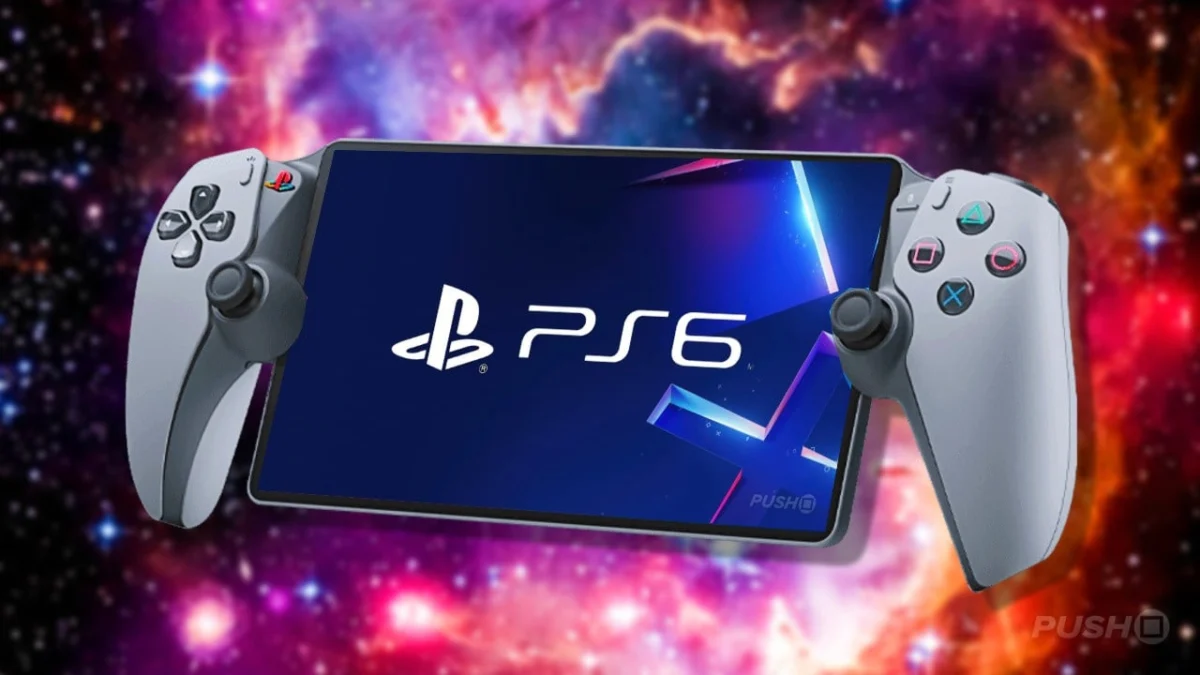
Sony’s PS6 Strategy Hints at a Hybrid Future: Portable Power for Evolving Lifestyles
Tokyo, Japan – March 18, 2026 – In a move that signals a significant evolution for the PlayStation brand, Sony Interactive Entertainment’s top executive has dropped the most substantial hint yet that the upcoming PlayStation 6 (PS6) console will embrace a dual-form factor, potentially offering both a traditional home console and a dedicated portable gaming device. This strategic pivot appears designed to meet the increasingly diverse and mobile gaming habits of today’s consumers, a trend that has been subtly brewing within the industry for years.
The sentiment was articulated by Hideaki Nishino, Senior Vice President of PlayStation, in a recent interview with the esteemed Japanese publication, Famitsu. While stopping short of explicitly confirming a handheld PS6, Nishino’s carefully chosen words strongly suggest a departure from the singular, living-room-centric console experience of the past. He emphasized Sony’s commitment to "utilizing technologies that can be used in various forms and locations to develop new game console experiences," a statement that resonates deeply with the growing demand for flexible and accessible gaming.
This potential shift has been the subject of considerable speculation among industry insiders and dedicated PlayStation fans for some time. Numerous reliable sources have pointed towards a next-generation console offering that includes a powerful, stationary unit designed for immersive home entertainment, complemented by a separate, portable device capable of delivering the PlayStation gaming experience on the go. Nishino’s comments appear to validate these rumors, positioning Sony at the forefront of a new era in console design.
The Shifting Sands of Consumer Behavior: Acknowledging Evolving Lifestyles
The core of Nishino’s message lies in Sony’s recognition of "changing lifestyles." The traditional model of gaming, largely confined to a television screen in a dedicated living space, is no longer the sole paradigm. Modern consumers, armed with advanced mobile technology and a desire for on-demand entertainment, are increasingly seeking ways to integrate their gaming experiences into every facet of their lives. This includes commutes, travel, breaks during work, and simply moving between different rooms in their homes.
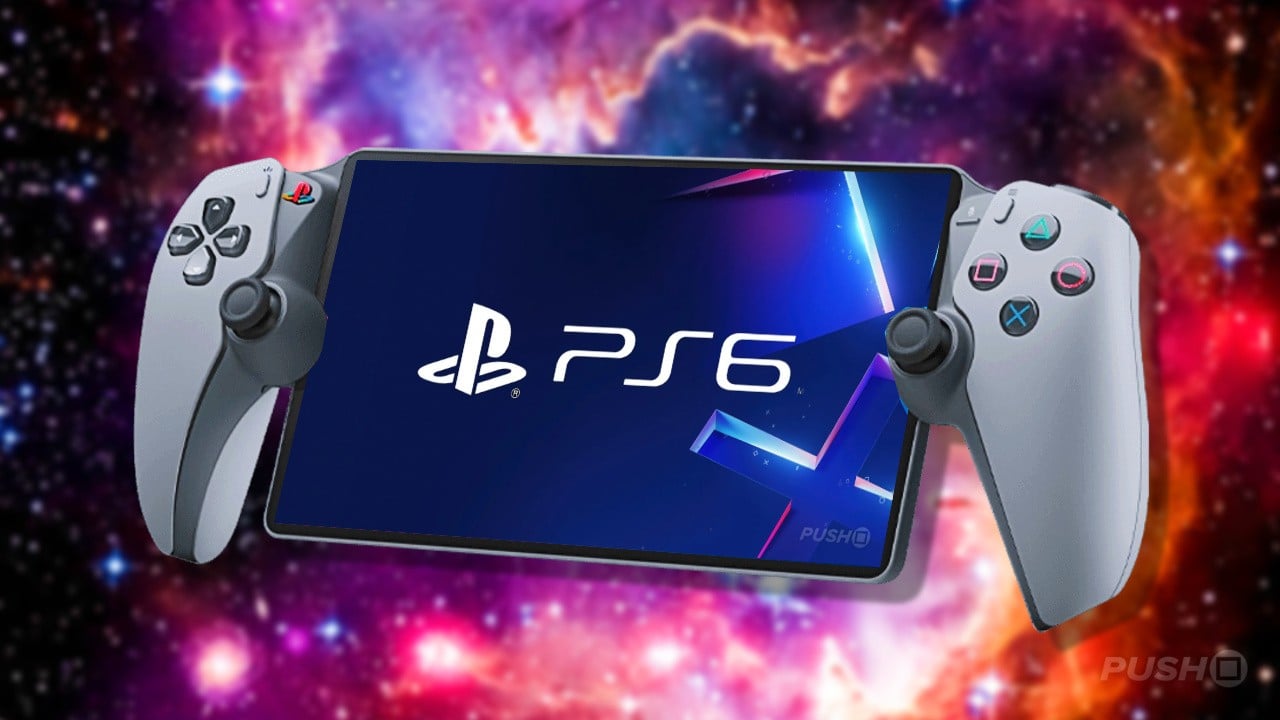
"We need to meet changing lifestyles," Nishino stated, underscoring a proactive approach to market adaptation. This implies a deep understanding of how players consume media and engage with technology today, a far cry from the early days of gaming where dedicated hardware was the primary gateway. The advent of cloud gaming, while still maturing, has already demonstrated a desire for accessibility beyond traditional hardware limitations. Sony’s move, if it includes a portable component, would be a more concrete and integrated solution to this evolving demand.
A History of Portable Ambitions and Emerging Technologies
Sony’s exploration of portable gaming is not a new phenomenon. The PlayStation Portable (PSP) and PlayStation Vita, while not achieving the same market dominance as their home console counterparts, carved out a dedicated niche and demonstrated the viability of a premium handheld gaming experience. More recently, the PlayStation Portal, a remote play device for the PS5, has emerged as a surprising success, further validating the market’s appetite for portable PlayStation gaming.
The PS Portal, which allows users to stream PS5 games from their console over Wi-Fi, has been a crucial proving ground. Its positive reception suggests a significant segment of the PlayStation fanbase is eager to extend their gaming sessions beyond the living room. Nishino’s acknowledgment of the PS Portal’s role is pivotal; it indicates that Sony is not only aware of this desire but is actively using the device’s performance as data to inform future product development.
Beyond the PS Portal, Sony has also been investing in peripherals that enhance the portable and flexible gaming experience. The company has recently unveiled an upcoming PlayStation monitor and Pulse portable speakers, both designed to facilitate "comfortable" play outside of the living room. These products, while not consoles themselves, are indicative of a broader strategy to empower players with more versatile gaming setups. The Pulse speakers, in particular, promise lifelike audio in a portable form factor, further emphasizing the company’s focus on mobility and immersive sound regardless of location.

Technical Underpinnings and Future Speculation
The technological roadmap for the PS6 remains shrouded in secrecy, but recent developments within the PS5 ecosystem offer tantalizing clues. The introduction of a "low power mode" to the PS5 has sparked speculation that it could be a precursor to testing hardware configurations suitable for lower-power devices, a necessary step for a portable console. This feature might be designed to allow developers to experiment with more energy-efficient game designs, a crucial consideration for battery-powered hardware.
Furthermore, the ongoing global semiconductor shortage and its impact on memory prices continue to be a significant factor for all hardware manufacturers. Reports suggest that RAM prices could double by the end of 2027, a development that could significantly influence the cost and specifications of next-generation consoles. How Sony navigates these economic challenges will undoubtedly shape the final form and pricing of the PS6, including any potential portable variant.
The prospect of a portable PS6 could manifest in several ways. It might be a standalone handheld with its own processing power, capable of running native PS6 titles. Alternatively, it could be a more advanced iteration of the PS Portal, relying heavily on cloud streaming and remote play capabilities, but with enhanced connectivity and performance. The former offers a more robust gaming experience, while the latter would leverage Sony’s growing cloud infrastructure and potentially reduce hardware costs.
Strategic Implications and Market Position
The potential introduction of a portable PS6 would represent a bold strategic move for Sony, allowing it to compete more directly with established handheld gaming giants and capitalize on the growing mobile gaming market without sacrificing its core console identity. This hybrid approach could offer a compelling value proposition: a powerful home console for immersive experiences and a portable companion for on-the-go gaming, all within the familiar PlayStation ecosystem.

This strategy also aligns with the broader industry trend towards greater accessibility and flexibility in gaming. Nintendo has long mastered the hybrid console market with its Switch, proving that a single device capable of both home and portable play can achieve immense success. Sony’s approach, however, appears to be a more distinct separation of form factors, potentially offering a more powerful dedicated handheld than a hybrid solution might allow.
The success of such a venture will depend on several factors: the performance and battery life of the portable device, the seamless integration with the home console experience, the availability of exclusive portable titles, and the overall pricing strategy. If Sony can successfully deliver on these fronts, the PS6 could redefine what it means to be a PlayStation owner, offering an unprecedented level of gaming freedom and flexibility.
The coming years will undoubtedly bring more clarity to Sony’s ambitious plans. However, Hideaki Nishino’s recent statements have undoubtedly ignited the imaginations of gamers worldwide, painting a vivid picture of a PlayStation future that is more connected, more versatile, and more accessible than ever before. The era of the living room-bound console may be evolving, and Sony appears poised to lead the charge into a new, portable dimension of gaming.


 Lina Irawan
 Sagoh
Sagoh