

Tokoname City, nestled along the scenic coast of the Chita Peninsula in Aichi Prefecture, stands as a testament to the endurance of Japanese craftsmanship. Known globally as one of Japan’s "Six Ancient Kilns," this historic town offers far more than a mere stopover. With a heritage spanning over a millennium, Tokoname has masterfully balanced its industrial roots with a modern, tourist-friendly allure, positioning itself as a must-visit destination for travelers entering through the neighboring Chubu Centrair International Airport.
The Foundation of Tradition: Chubu Centrair as the Gateway
The modern journey into the heart of Aichi’s culture often begins at Chubu Centrair International Airport. Opened in 2005, the airport serves as the primary aerial gateway to Nagoya and the surrounding regions. However, unlike standard transit hubs, Centrair has evolved into a comprehensive tourist destination in its own right.

Beyond its logistical efficiency, the airport offers a deep immersion into local culture. Visitors are greeted by an expansive observation deck that provides an unparalleled view of aircraft taking off and landing against the backdrop of Ise Bay. More significantly, the airport features a curated selection of shops and dining establishments that celebrate the region’s culinary history—most notably its focus on fermented foods. This commitment to local identity ensures that the traveler’s experience begins the moment they touch down, bridging the gap between global transit and intimate, local exploration.
A Chronology of Discovery: Navigating the Pottery Path
To truly understand the essence of Tokoname, one must navigate the "Pottery Footpath." The town is designed for the inquisitive traveler, with the Tokoname Tourist Information Center acting as the essential nerve center for any excursion.
The Starting Point: The Information Center
Located a mere five-minute walk from Meitetsu Tokoname Station, the Tourist Information Center is the recommended first stop. It is here that visitors can secure detailed maps and expert advice on traversing the winding, historic streets. The center serves as a "place of interaction," where staff provide insights into the nuances of the town’s geography—including the best routes to reach iconic photogenic spots like Maneki-neko Street and the historic Dokan-zaka slope.
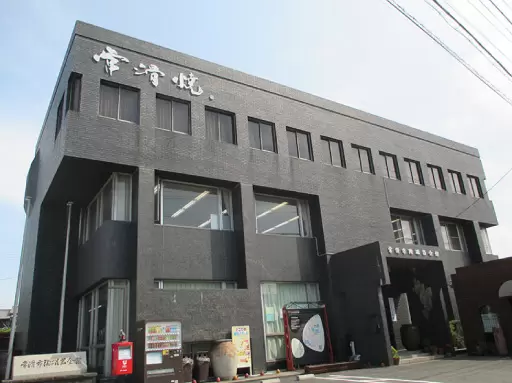
The Beckoning Cats of Tokoname
No tour of Tokoname is complete without acknowledging its famous inhabitants: the maneki-neko (beckoning cats). Tokoname has long been a major producer of these lucky charms, and the town celebrates this with the famous "Maneki-neko Street." Here, visitors will find 39 unique, handmade cat statues, each created by local pottery artists and imbued with various blessings.
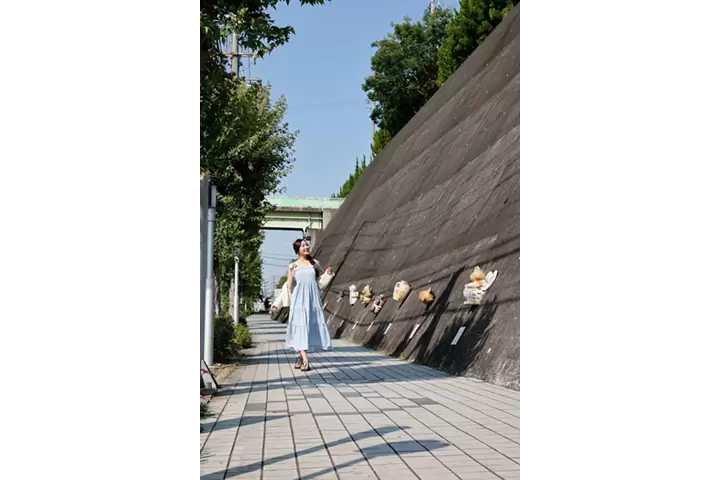
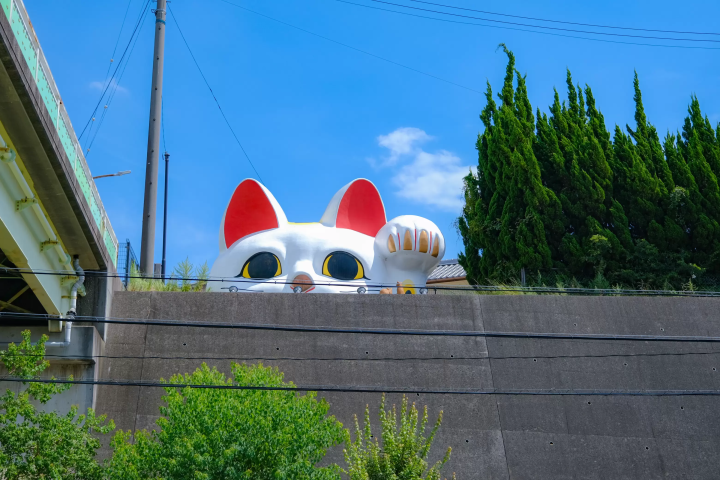
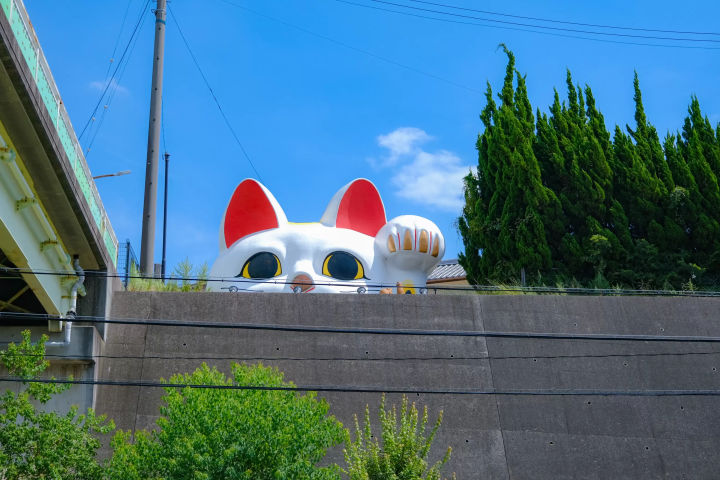
Dominating the landscape is "Tokonyan," a colossal beckoning cat statue that measures 3.8 meters in height and 6.3 meters in width. Perched above a retaining wall, Tokonyan acts as a landmark and a guardian for the city, signaling to travelers that they have arrived in the historic district.

The Historical Texture: Dokan-zaka and Beyond
As travelers move deeper into the city, they encounter the Dokan-zaka slope. This path is a physical manifestation of Tokoname’s industrial past. The walls surrounding the path are densely packed with discarded clay pipes from the Meiji period and shochu bottles from the early Showa era. The ground itself is paved with "kesawa" rings—ceramic circles once used to support clay pipes during the firing process. Walking this slope is a sensory experience, offering a tangible connection to the manufacturing prowess that defined the region for centuries.
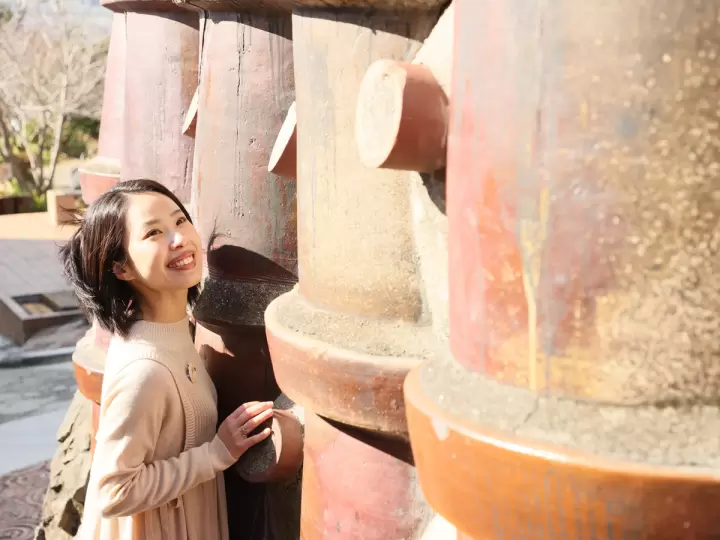
The Hands-On Experience: Pottery and Craftsmanship
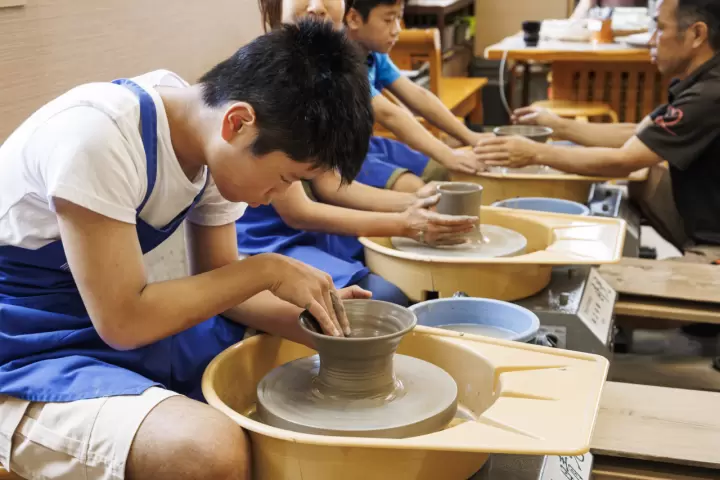
Tokoname is not a museum; it is a living, breathing studio. Several establishments offer visitors the chance to engage directly with the medium that made the town famous.
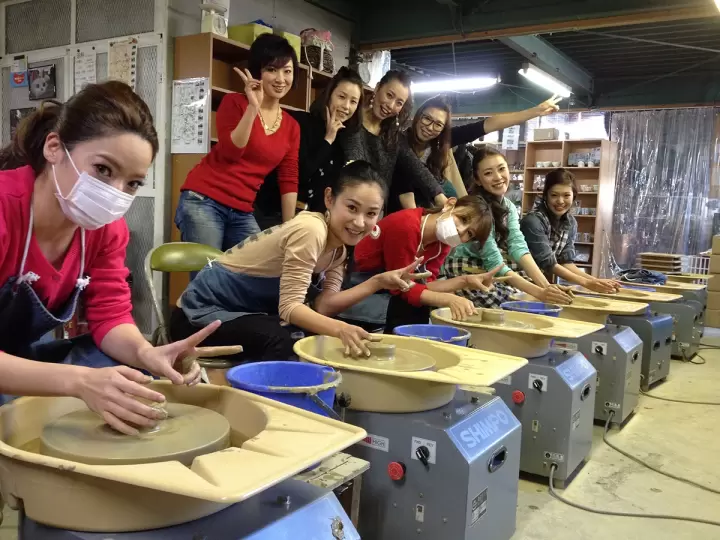
- Kakuyama Toen Pottery Studio: Run by three generations of artisans, this studio offers accessible pottery experiences. Whether using an electric potter’s wheel or hand-building techniques, beginners can craft their own functional tableware, such as cups or plates, in a session lasting approximately one hour.
- Seiko Pottery Experience Workshop: For those looking for a more personalized touch, Seiko provides both wheel and hand-building classes. The workshop emphasizes the creation of souvenirs that serve as lasting memories of the trip.
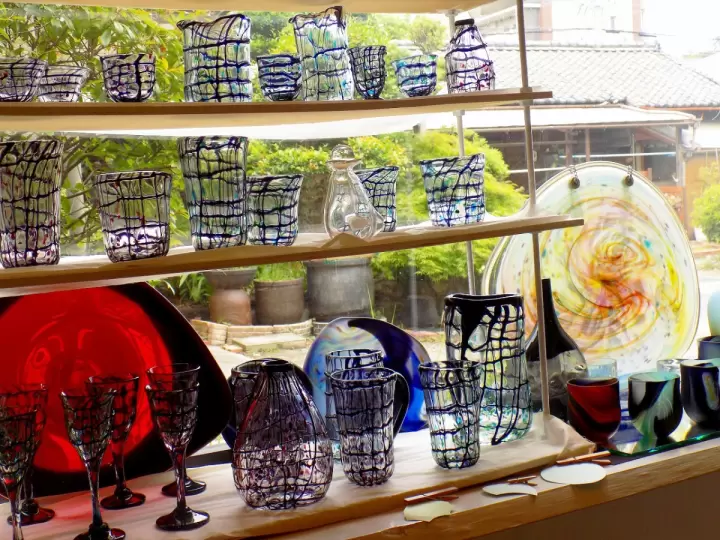
- Glassworks Raku: Adding a modern dimension to the traditional craft scene, this studio specializes in blown glass. Since 1994, it has provided a space where visitors can appreciate the warmth and expression of handcrafted glass, from vases to lighting fixtures.
Culinary Delights: Gastronomy in Ceramic Vessels
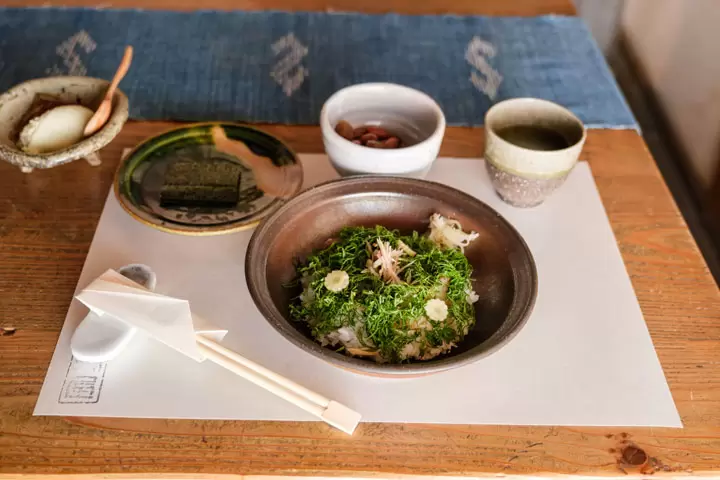
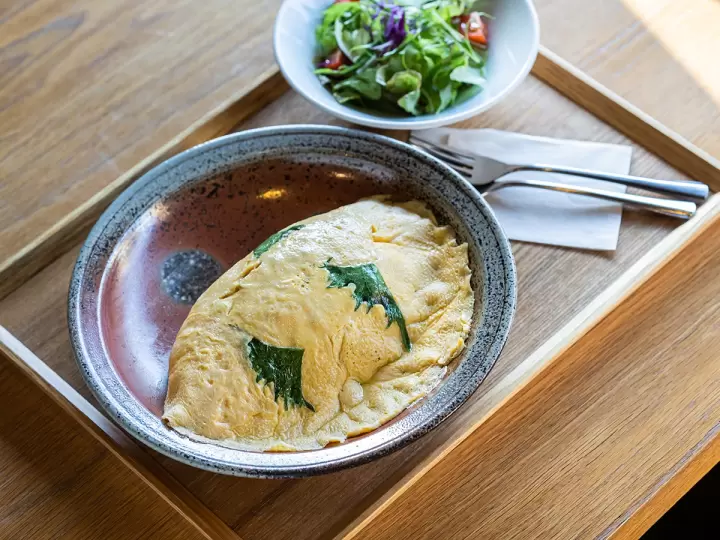
The local food culture is inextricably linked to the pottery that holds it. Dining in Tokoname is an aesthetic experience, as many cafes and restaurants serve their dishes in locally crafted Tokoname ware.
- Tokonameya: Housed in a renovated wooden pipe factory, this establishment offers seasonal chirashi-zushi and matcha sets served in elegant pottery bowls. The gallery on the second floor further promotes local artists, offering visitors a chance to purchase the very items they used for their meal.
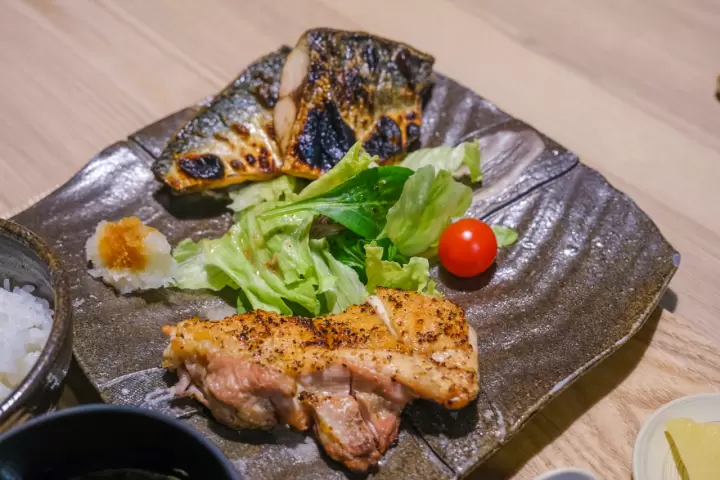
- Charcoal Grill Masa: With 15 years of expertise in charcoal grilling, the chef utilizes binchotan charcoal to prepare high-quality ingredients like silver cod and chicken. The presentation—using dishes made by local ceramic artists—elevates the meal into a high-art experience.
- MADOYAMA and Wabisuke: Both cafes represent the successful adaptive reuse of industrial architecture. Wabisuke is renowned for its "Earthenware Pot Curry Udon," while MADOYAMA attracts foodies with its slow-simmered vegetable curries and seasonal fruit parfaits, all served within the rustic charm of former clay pipe factories.
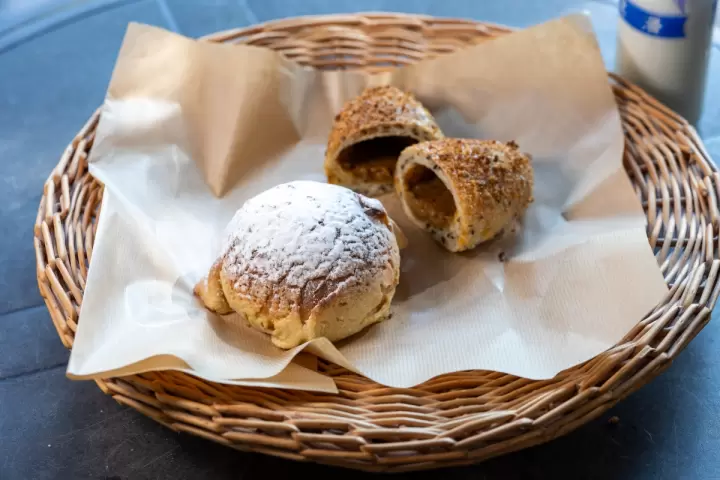
- Tokoname Milk Stand: A nostalgic stop for those exploring Kurefu Tsuchiya Street, the stand offers a drink that is a staple of local school lunches across the Chita Peninsula. The milk is pasteurized at 85 degrees and shipped within 24 hours, ensuring a freshness that locals have cherished for generations.
Supporting Data and Tourist Infrastructure
The efficiency of the Tokoname tourism sector is supported by a well-integrated transport network. The proximity of the airport to the city center—a roughly 20-minute journey—makes it one of the most accessible cultural destinations in Japan. The town’s tourism strategy, summarized by the slogan "Happy Come On TOKONAME," aims to transform the transit of passengers into a meaningful, rejuvenating experience.
The Tokoname Tourism Association actively maintains this network, providing resources for both domestic and international visitors. Their data suggests that the town’s ability to offer "something new" with every visit—due to rotating workshops, seasonal culinary menus, and limited-time gallery exhibitions—is a key driver in repeat tourism.
Implications for Future Development
The shift in Tokoname from a purely industrial pottery manufacturing hub to a destination-based tourism economy has significant implications for local preservation. By repurposing old factories into galleries, cafes, and studios, the city is effectively financing the maintenance of its historical architecture. This model of "adaptive reuse" ensures that the heritage of the Meiji and Showa periods is not lost to demolition but is instead integrated into the modern economy.
Furthermore, the emphasis on local education—exemplified by the school-focused milk production and the inclusion of children in pottery workshops—suggests a community committed to generational continuity. As more international travelers seek "slow travel" experiences that prioritize depth and authenticity over mere sightseeing, Tokoname is perfectly positioned to capture this market.
Conclusion: A Timeless Invitation
Tokoname is a rare example of a town that has successfully honored its history while embracing the future. Whether it is the sight of the colossal Tokonyan watching over the streets, the tactile joy of molding clay at a local studio, or the simple comfort of a glass of fresh milk in a former factory, the town offers a multifaceted experience that caters to the soul of the traveler.
As the Chita Peninsula continues to gain popularity as a travel destination, Tokoname serves as the anchor, proving that the most enduring treasures are those that are built by hand and sustained by the community. For those planning their next trip to Japan, a detour into the heart of this pottery town is not merely an option—it is an essential chapter in the exploration of Japan’s living heritage.












No comments yet. Be the first to join the conversation!