

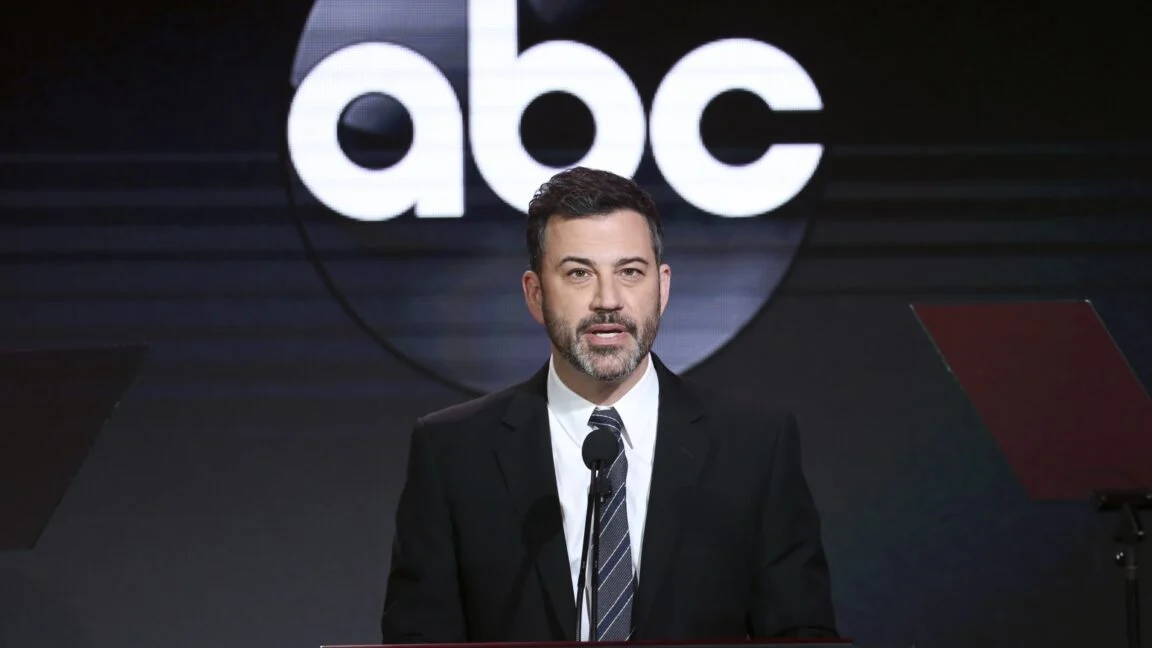
In a move that marks a significant escalation in the tensions between federal regulators and major media conglomerates, the American Broadcasting Company (ABC)—a subsidiary of The Walt Disney Company—has filed license renewal applications for eight of its owned-and-operated television stations under formal protest.
The filings, submitted across major markets including New York, Los Angeles, Chicago, Philadelphia, Houston, San Francisco, Durham, and Fresno, serve as a stinging rebuttal to an April 2026 order from the Federal Communications Commission (FCC) Media Bureau. ABC has explicitly labeled the FCC’s directive as "unlawful, arbitrary, and unconstitutional," asserting that the Commission’s demands lack any legitimate regulatory purpose and represent a broader effort to infringe upon editorial independence.
The Core Conflict: A Departure from Precedent
At the heart of the dispute is an FCC order issued on April 28, 2026, which compelled the simultaneous, early submission of license renewal applications for these eight stations. ABC’s legal team contends that this requirement is an unprecedented departure from decades of established administrative practice.
According to ABC’s filings, the Commission has not demanded early license renewals of this nature in over 50 years. Furthermore, the company argues that the FCC has never before targeted a group of stations commonly owned with a network in such a sweeping, simultaneous manner.
"The Commission had not demanded early renewal in over five decades," the filings state. "And it has never before demanded simultaneous license renewal applications from a group of stations commonly owned with a network as it has here. The Order has no legitimate purpose."
Chronology of an Escalating Investigation
The current standoff is the culmination of a protracted investigative process that has been brewing for more than a year. The timeline of the conflict highlights the growing friction between the regulator and the broadcaster:
- Early 2025: The FCC initiates an inquiry into Disney-owned media assets following public reports and internal complaints alleging that the company engaged in discriminatory hiring and production practices based on race, gender, and other protected characteristics.
- Throughout 2025: ABC complies with multiple rounds of FCC document requests, producing, according to the network, over 11,000 pages of internal records.
- Early 2026: Disagreements regarding the sufficiency of these disclosures intensify. The FCC characterizes the company’s responses as "disingenuous, deficient, and improper."
- April 28, 2026: The FCC Media Bureau issues an order compelling the simultaneous, early license renewal filings for eight of ABC’s key broadcast stations.
- May 2026: ABC files the requested applications, accompanied by formal protests challenging the constitutionality of the FCC’s order and requesting its immediate rescission.
Official Responses and Rhetorical Warfare
The ABC/Disney Position: "A Search for Pretext"
ABC’s legal strategy is built on the premise that the FCC is utilizing the administrative process to mask an ideological agenda. In their filings, the network argues that the information the Commission seeks is either already in its possession or obtainable through less intrusive means.
"There is no information that the application will reveal that the Commission could not obtain through other means," the network noted. "The Order is inconsistent with a legitimate exercise of investigative authority and is plainly incompatible with the First Amendment. Worse, the Order opens the door to an assault on the Station’s license, while the Commission searches for a legal pretext to achieve its desired goal. This effort to suppress speech under the guise of bureaucratic process must not prevail."
The network further emphasizes that while the FCC order purports to investigate "possible violations" of prohibitions on unlawful discrimination, the Commission has failed to identify a specific violation or evidence that would warrant such extraordinary measures.
The FCC Position: Allegations of Disingenuous Compliance
On the opposing side, FCC Commissioner Brendan Carr has emerged as a vocal critic of Disney’s conduct. In a public statement via social media, Carr dismissed ABC’s claims of constitutional overreach, labeling the company’s protestations as "disingenuous."
"The FCC has been investigating Disney for over a year now after reports surfaced alleging that it had been discriminating against people based on race, gender, or other protected characteristics in violation of federal nondiscrimination laws," Carr wrote on X (formerly Twitter). He explicitly linked the timing of the license renewals to the agency’s frustration with the discovery process, asserting that Disney only initiated these filings after being informed that their previous submissions were "deficient and improper."
Supporting Data and Regulatory Implications
The stations involved in this dispute represent some of the most powerful broadcast assets in the United States:
- WABC-TV (New York): A flagship station in the nation’s largest media market.
- KABC-TV (Los Angeles): A critical hub for West Coast broadcasting.
- WLS-TV (Chicago): A dominant voice in the Midwest.
- WPVI-TV (Philadelphia), KTRK-TV (Houston), KGO-TV (San Francisco), WTVD (Durham), and KFSN-TV (Fresno): These stations provide the network with deep penetration into diverse demographics across the country.
The stakes of this conflict extend beyond the immediate license renewals. If the FCC successfully leverages the license renewal process to force transparency on internal diversity and hiring practices—or, conversely, if ABC succeeds in painting this as a First Amendment violation—it could establish a landmark precedent for the extent of the FCC’s oversight of editorial and corporate culture.
Broader Implications for the Media Landscape
This battle is being viewed by media analysts as a "litmus test" for the modern FCC’s regulatory scope.
1. The Weaponization of Licensing
Historically, the FCC’s license renewal process has been a largely ministerial, bureaucratic affair. By utilizing the process to pressure a major media entity during an ongoing investigation, the Commission is signaling a more aggressive stance. If this tactic survives legal scrutiny, it could be applied to other media conglomerates, effectively tethering the survival of broadcast licenses to compliance with specific administrative investigations into corporate governance.
2. The First Amendment Shield
ABC’s defense rests heavily on the argument that the FCC is attempting to "suppress speech under the guise of bureaucratic process." This argument is likely to be the focal point of any subsequent federal court litigation. Legal experts suggest that if ABC can demonstrate that the FCC’s investigation is based on political animus or a desire to chill certain types of editorial content, the court could grant an injunction against the Commission’s demands.
3. Corporate Accountability vs. Editorial Independence
The case also underscores the ongoing friction between the push for corporate diversity, equity, and inclusion (DEI) initiatives and the regulatory oversight of the communications industry. As the FCC continues to examine whether hiring practices violate federal nondiscrimination laws, companies like Disney face the dilemma of providing internal data that they argue is protected by privacy laws and internal business privilege, versus risking the loss of the broadcast licenses that form the bedrock of their distribution infrastructure.
Conclusion: A Long Legal Road Ahead
As of mid-2026, the situation remains in a state of high-stakes limbo. While the applications have been submitted, they remain under protest, setting the stage for what will likely be a multi-year legal battle.
The FCC’s assertion that the investigation is a matter of enforcing federal nondiscrimination law remains the agency’s primary shield against claims of overreach. Meanwhile, ABC’s insistence that the Commission is operating outside its statutory authority creates a direct challenge to the FCC’s administrative powers.
As the regulatory, legal, and public relations fronts collide, the outcome will likely define the parameters of federal oversight for broadcast media for the next decade. For now, the stations continue to operate, but the cloud of uncertainty hanging over their licensing status serves as a reminder of the fragility of broadcast operations in an era of heightened political and regulatory volatility. The industry, legal observers, and the public await the next move, which will likely originate from the halls of the federal judiciary.












No comments yet. Be the first to join the conversation!