Lina Irawan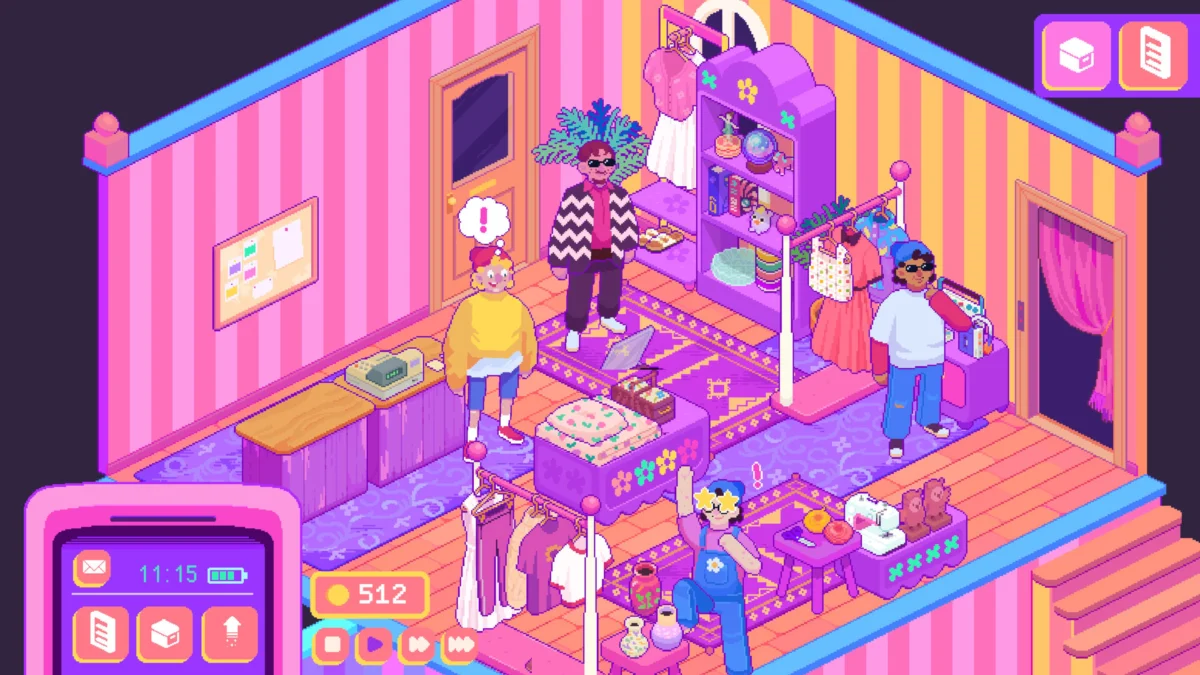
In the rapidly expanding genre of "cozy games"—titles defined by low-stakes progression, aesthetic satisfaction, and emotional resonance—Thrifty Business carves out a distinct niche. Developed as a simulation game centered on the operation of a second-hand store, it blends the mechanical satisfaction of inventory management with the narrative depth of community storytelling. Now available on Steam, the title invites players to step behind the counter of a thrift shop, where the true value lies not just in the items sold, but in the history and humanity attached to them.
The Core Concept: Managing the Second-Hand Aesthetic
At its heart, Thrifty Business is a masterclass in atmosphere. Players take on the role of a store manager tasked with transforming a modest shop into a local pillar of the community. Unlike high-pressure retail simulations that focus on profit margins and aggressive expansion, Thrifty Business emphasizes "vibes."
The acquisition process is inherently mysterious. Players purchase mystery boxes of inventory based on descriptions that only hint at the contents within. This gamble adds a layer of anticipation to the gameplay loop: Will you unbox vintage 90s clothing, eclectic home decor, or forgotten curiosities? Once the items are unpacked, the player must physically organize the shop floor. Utilizing an array of tables, shelving units, and clothing racks, the player becomes an interior designer, balancing the aesthetic appeal of the layout with the accessibility required for customers to browse effectively.
Chronology: From Blank Slate to Community Hub
The progression within Thrifty Business follows a natural, intuitive rhythm that mirrors the growth of a real small business.
Phase One: Establishing the Foundation
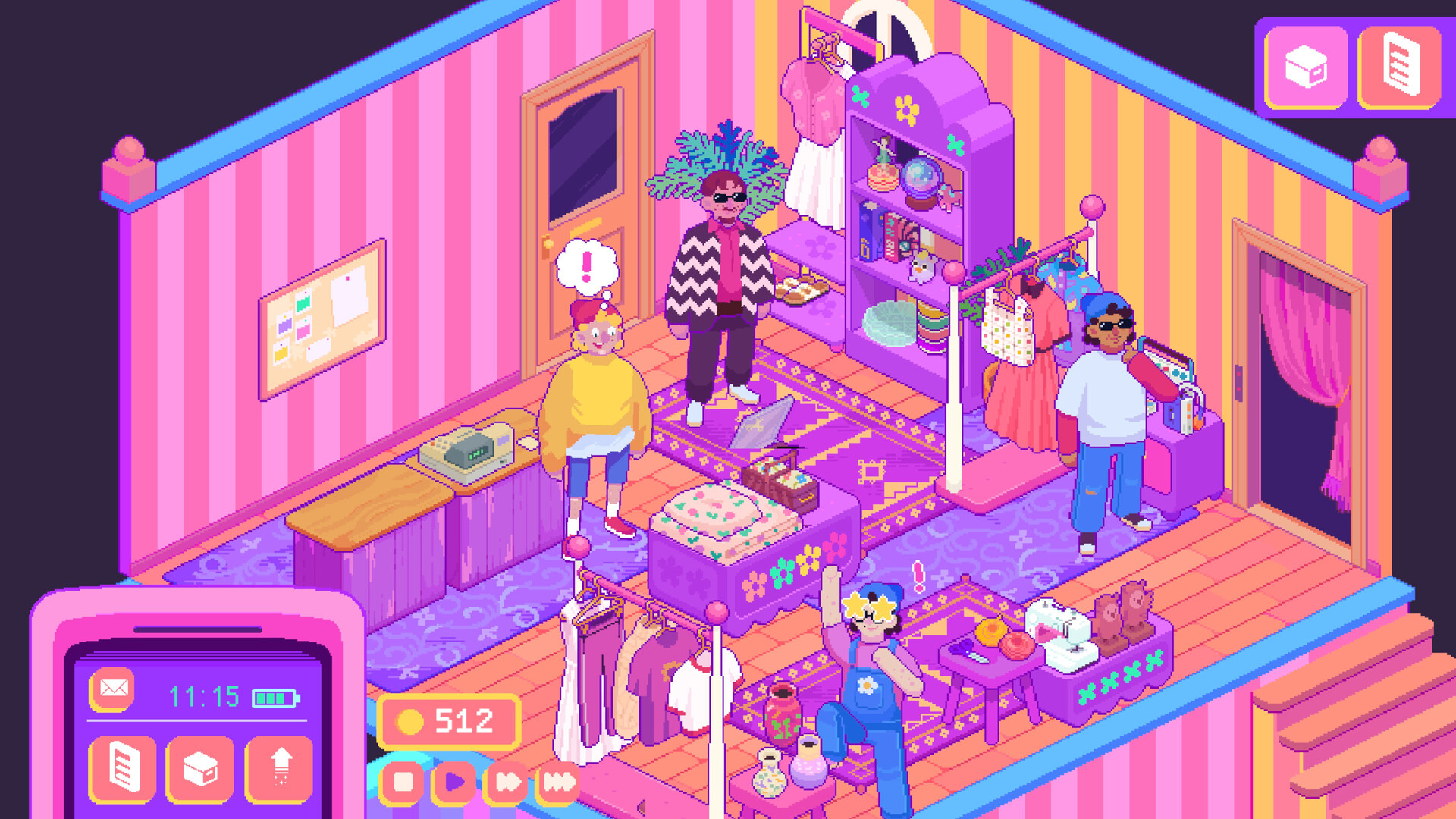
The early game is focused on the basics of retail survival. Players learn the importance of housekeeping—clearing away trash, keeping shelves stocked, and managing the checkout counter. It is here that the game introduces its primary conflict: customer satisfaction. If items are placed in hard-to-reach areas or if the shop floor becomes cluttered, the AI customers will exhibit frustration. Observing these small, reactive behaviors adds a layer of life to the store that elevates it beyond a simple spreadsheet-style management game.
Phase Two: Deepening the Inventory
As the shop gains traction, the inventory management system becomes more critical. The game’s design necessitates a methodical approach to organization to ensure the player doesn’t lose track of their expanding catalog. This phase introduces the "hunting" mechanic, where specific, high-demand items are requested by local patrons.
Phase Three: Community Integration
The final, most ambitious phase of the game involves expanding the shop’s utility beyond mere commerce. Players are encouraged to host community events, turning their storefront into a social center. While the foundational mechanics remain, this layer of gameplay allows the player to influence the town’s social fabric, cementing the shop as a destination for more than just a bargain.
Supporting Data: Why "Cozy" Matters in Modern Simulation
The success of Thrifty Business in its early reception can be attributed to the growing market demand for "low-cortisol" gaming. Data from recent industry trends suggests that players are increasingly gravitating toward titles that prioritize agency and relaxation over competitive skill ceilings.
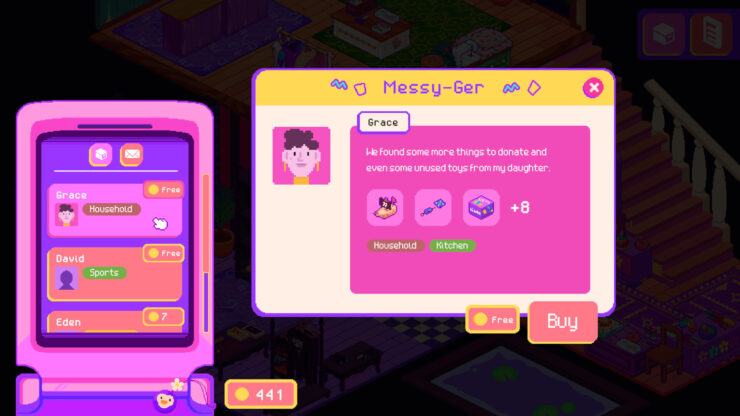
- Inventory Depth: The game’s inventory system serves as both a functional tool and a gameplay element. By requiring players to curate their displays, the game taps into the psychological satisfaction of organization—a core pillar of the "cozy" genre.
- Narrative Pacing: The stories tied to individual items and customer requests act as a "soft" reward system. Unlike traditional XP-based leveling, the reward here is social: learning the life story of a neighbor or discovering the origin of a donated item.
- Visual Fidelity: The 90s-inspired aesthetic serves as a functional design choice. By utilizing a nostalgic visual language, the developers immediately establish a sense of comfort and familiarity, reducing the "learning curve" anxiety often associated with simulation titles.
Official Perspectives: The Developer’s Intent
While detailed interviews with the development team are forthcoming, the game’s design philosophy clearly aligns with the modern indie movement that seeks to bridge the gap between "hard" simulation and "narrative-driven" experiences.
In discussions surrounding the game’s release, the focus has been on the "meaningful" nature of the interactions. The developers emphasize that even the smallest, non-dramatic moments—like a customer finding a specific item they’ve been looking for—are intended to feel like significant milestones. The decision to make some inventory boxes free or donated, rather than purchased, is a narrative design choice intended to encourage players to see their shop as a collaborative community effort rather than a purely capitalistic venture.
The Implications of Community-Focused Design
Thrifty Business stands as a testament to the idea that games do not need to be explosive or high-stakes to be compelling. The implications of this design choice are significant for the broader gaming landscape:
- Redefining "Success": In Thrifty Business, success is measured by the happiness of the patrons and the vibrancy of the shop’s social scene rather than a final bank balance. This challenges the traditional tropes of business simulators.
- The Rise of Micro-Narratives: By tying character development to specific items, the game effectively utilizes "environmental storytelling." This technique allows for a deep, branching narrative that doesn’t feel forced or overly expositional, keeping the player immersed in the act of managing the shop.
- Longevity through Emergent Gameplay: Because the community events and customer requests are generated in a responsive way, the game offers a high degree of replayability. The "vibe" of the shop changes depending on how the player chooses to decorate and which events they prioritize.
A Relaxed Take on Retail Management
For those looking for a departure from the high-octane action of AAA releases, Thrifty Business offers a refreshing, quiet alternative. It is a game that respects the player’s time, asking them to slow down and appreciate the details. Whether you are rearranging a rack of vintage coats or helping a neighbor find a piece of home decor that reminds them of their childhood, the game consistently rewards curiosity and empathy.
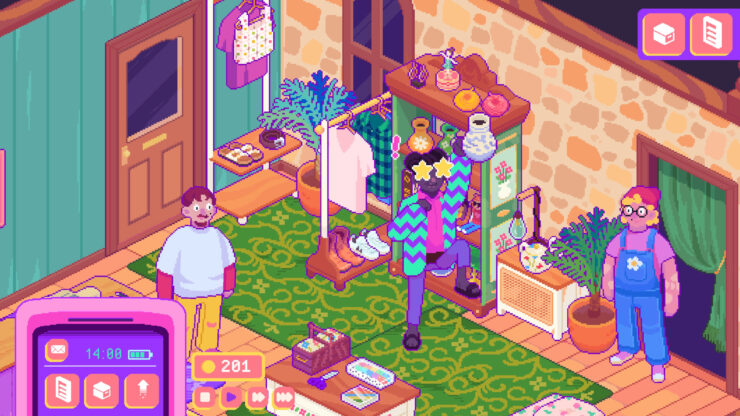
The visual style, which leans heavily into 90s nostalgia, serves as a warm blanket for the player. Everything from the lighting to the UI is designed to minimize stress. It is, in every sense, a "low-stakes" game that manages to feel high-reward.
As the indie scene continues to diversify, titles like Thrifty Business prove that there is a significant, hungry audience for games that prioritize emotional health and digital escapism. It is not just about running a store; it is about curating a space where people feel comfortable enough to share their stories. For anyone interested in the intersection of retail simulation and community building, Thrifty Business is a essential addition to their library.
Thrifty Business is currently available for purchase and play on Steam. Players interested in keeping up with future updates or community events can follow the developer’s official channels for patch notes and expansion announcements.

 Dwi Wanna
 Iffa Jayyana