Sagoh
Sagoh
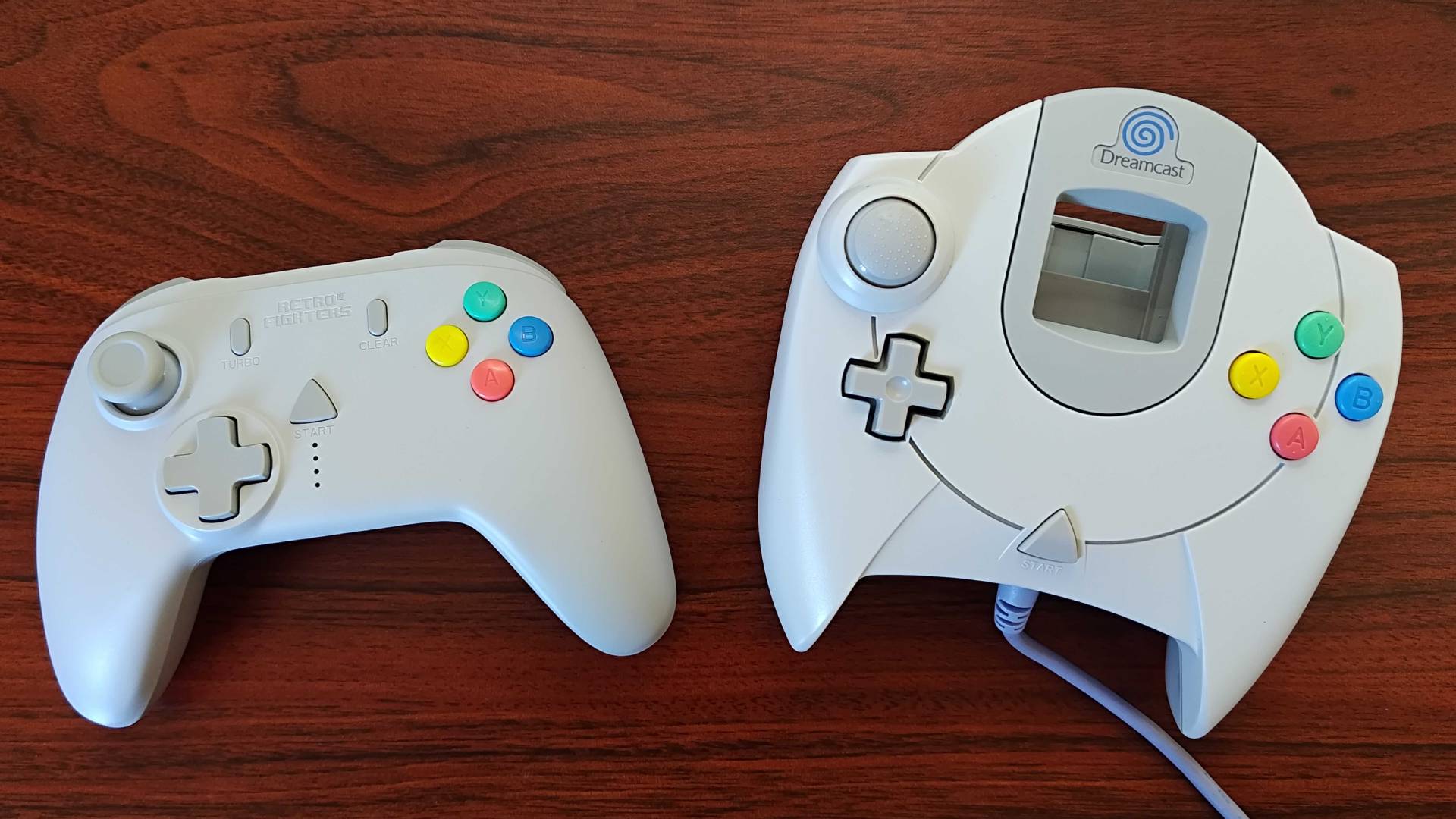
For many, the Sega Dreamcast represents the pinnacle of late-90s ambition—a console that brought arcade-perfect ports into the living room and pioneered online console gaming. However, as we venture deep into 2026, the original hardware is showing its age. Specifically, the original Dreamcast controller—while iconic for its time—has become a point of contention for enthusiasts. Its stiff analogue stick, limited button layout for fighting games, and restrictive tethered cable make it a relic that often hinders the experience of modern gameplay.
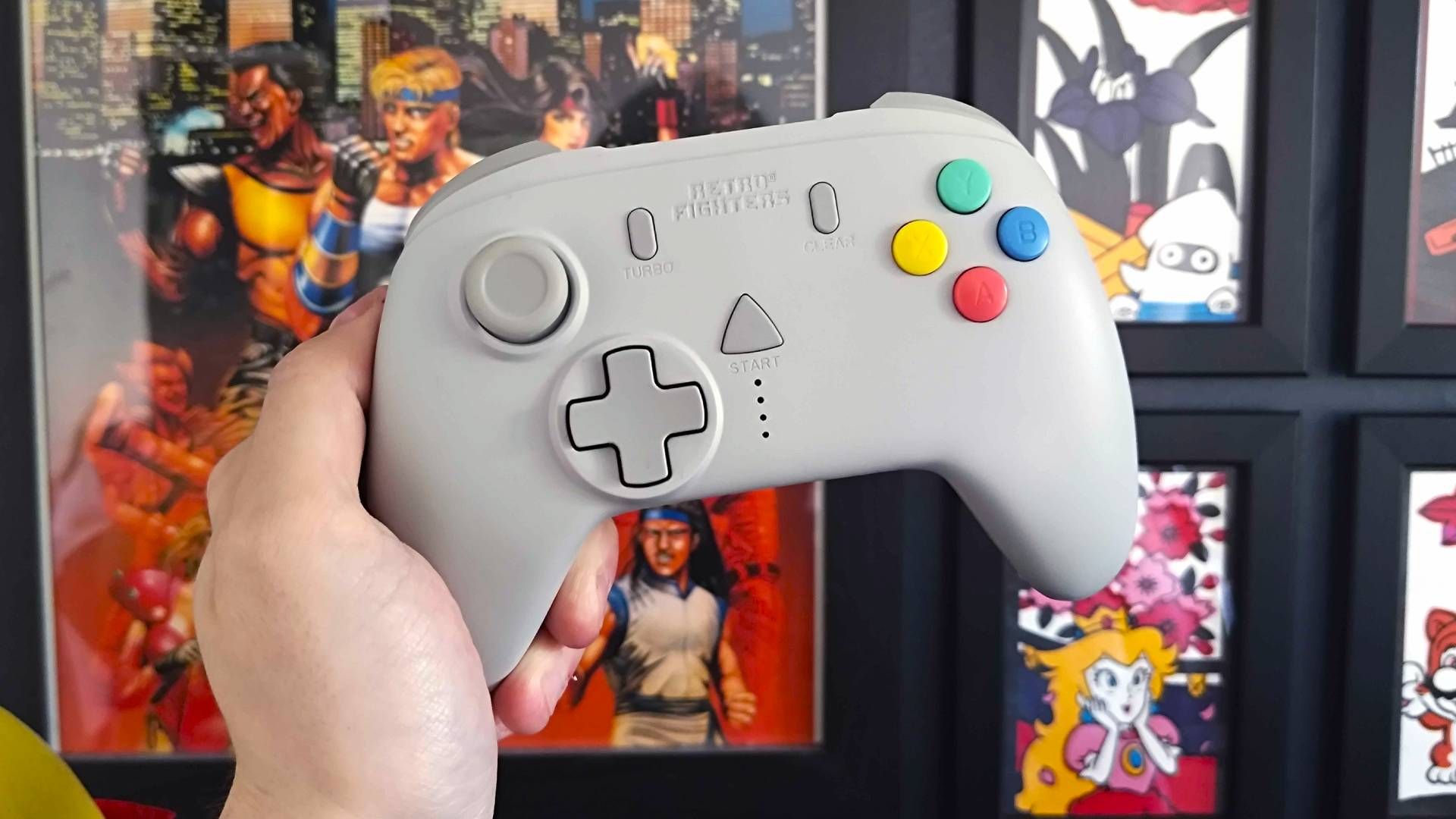
Enter Retro Fighters, a peripheral manufacturer that has carved out a dedicated niche by modernizing classic controllers. Their latest offerings, the StrikerDC and the D6, aim to solve the Dreamcast’s ergonomic and connectivity woes. As we navigate the chaos of Prime Day sales, these gamepads have moved to the forefront of the conversation for retro collectors looking to breathe new life into their Sega systems.
The Evolution of the Dreamcast Controller
When the Dreamcast launched in 1998, its controller was a bold departure from the Saturn’s ergonomic curves. It featured a unique, single-stick design that relied heavily on the proprietary Visual Memory Unit (VMU) for secondary screen information. While groundbreaking, the controller suffered from a lack of secondary shoulder buttons and a D-pad that was often criticized for its placement and tactile feel.
For years, the only way to modernize the experience was through complex DIY mods or unreliable third-party adapters. Retro Fighters changed the landscape by introducing a wireless solution that doesn’t just mimic the original, but iterates upon its fundamental design flaws.
Chronology of a Modern Retro Revival
The journey to the current iteration of the StrikerDC has been a multi-year project for Retro Fighters.
- Initial Prototype Phases (2022-2023): Retro Fighters began by addressing the most common request from the community: wireless connectivity. The primary challenge was the Dreamcast’s VMU system. Because the original controller acted as a bridge for the memory unit and the rumble pack, engineers had to develop a 2.4GHz receiver that could maintain this data throughput without introducing input lag.
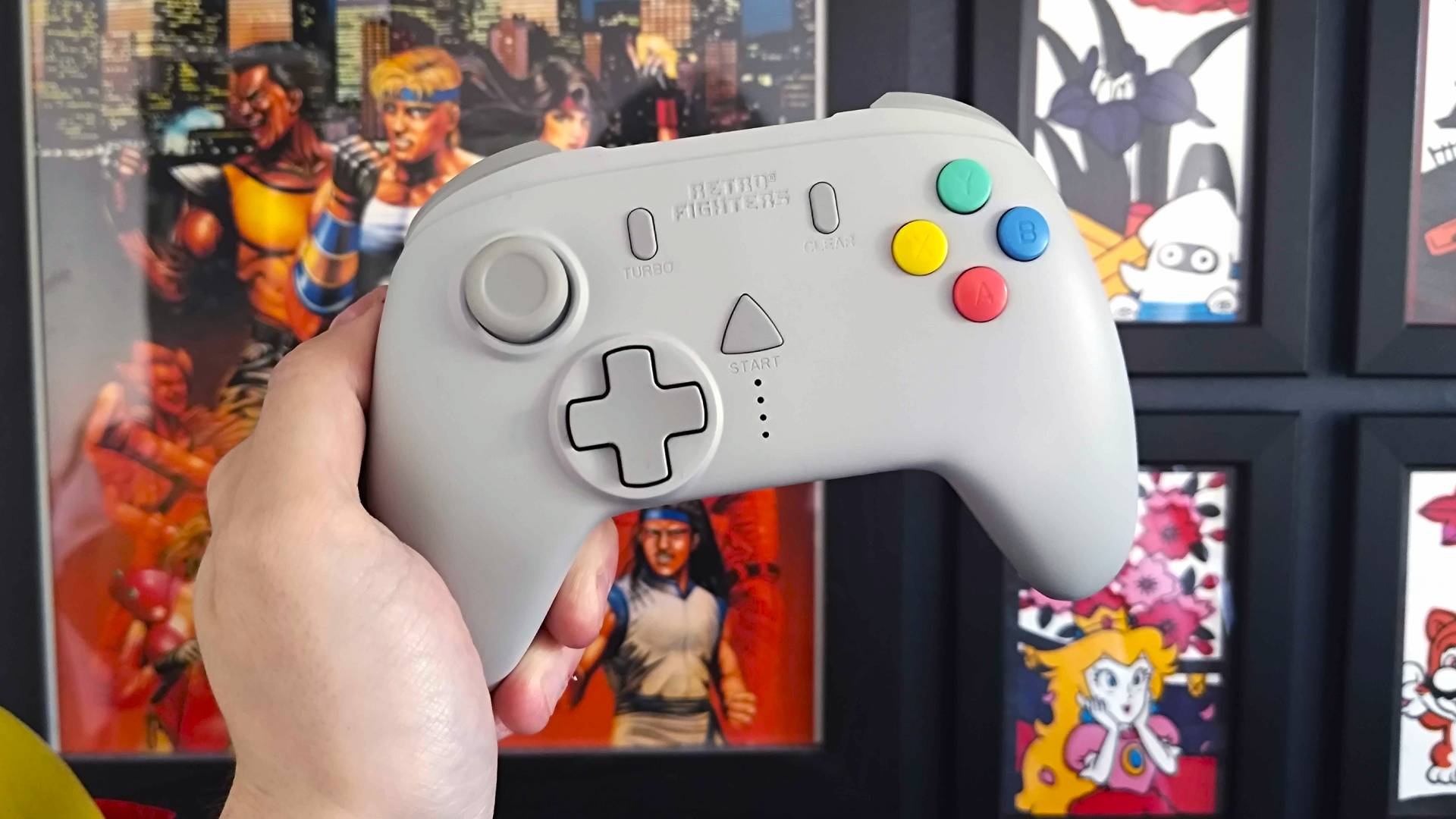
- The StrikerDC Launch: The release of the standard StrikerDC provided players with a more ergonomic grip, hall-effect analogue sticks (preventing the dreaded "drift"), and a re-engineered trigger system.
- The D6 Expansion: Recognizing that the Dreamcast is essentially an arcade-at-home machine, the company pivoted to create the D6. This version replaced the analogue stick with a high-performance disc D-pad and added a six-button face layout, specifically targeting fans of 2D fighters.
- The Prime Day Sales Window (2026): As of this week, the market has seen a distinct price shift. While the standard StrikerDC holds steady at $64.99, the specialized D6 fighting pad has seen a strategic price drop to $39.95, positioning it as an essential pickup for those currently hunting for retro gaming deals.
Supporting Data: Why Layout Matters
The decision between the StrikerDC and the D6 isn’t just about aesthetics; it is about mechanical utility.
The Case for the StrikerDC
If your library leans toward 3D adventure titles like Sonic Adventure, Jet Set Radio, or Resident Evil: Code Veronica, the standard StrikerDC is the superior choice. The hall-effect sensor in the analogue stick provides precise, linear control that is essential for 3D environments. Furthermore, the inclusion of modern shoulder buttons allows for a more comfortable experience over long play sessions, mitigating the cramping often associated with the original “brick” controller.
The Case for the D6 Fighting Pad
The Dreamcast remains one of the best platforms for classic fighting games. With ports of Marvel vs. Capcom, Street Fighter Alpha 3, and The King of Fighters series, the system acts as a budget-friendly alternative to the Neo Geo AES. The D6 model caters to this by:
- Disc D-Pad: Offering a smoother, more responsive input method for circular motions and fireballs.
- Six-Button Layout: Removing the analogue stick creates a clean interface that mimics the arcade layout found in high-end fight sticks.
- Cost Efficiency: At its current $39.95 price point, it is significantly cheaper than sourcing an authentic arcade stick from the late 90s, which would likely require its own expensive adapters to function on modern displays.
The Technical Hurdle: Wireless vs. Wired
One of the most impressive feats of the Retro Fighters hardware is the implementation of a docking station receiver. By utilizing 2.4GHz wireless technology rather than Bluetooth, the controllers maintain a connection that feels as instantaneous as a wired cord.
In testing, the latency is effectively imperceptible, which is a non-negotiable requirement for fast-paced titles. Furthermore, the controllers are fully compatible with the original VMU and Jump Pack, ensuring that you don’t lose the charm or functionality of the original Dreamcast ecosystem.
Implications for the Retro Community
The success of these controllers highlights a broader trend in the gaming industry: the shift from "preservation through hoarding" to "preservation through utility." Collectors are no longer satisfied with keeping original hardware behind glass; they want to play.
However, there is a word of caution for those currently shopping. During major retail events like Prime Day, pricing volatility is common. While the D6 is currently sitting at a historical low, there is no guarantee that this price will hold once the promotional inventory clears.
Alternatives and Comparisons
For those who prefer to keep their original controllers, the market for "BlueRetro" Bluetooth adapters has also matured. Devices like the RetroScaler adapter allow users to pair modern controllers—like the Xbox Series X or PS5 DualSense—to the Dreamcast. While this is a cheaper entry point (often around $30), the experience is rarely as "native" as using a purpose-built controller. Most modern controllers struggle with the specific button mapping of the Dreamcast, and the lack of a physical VMU slot means you’ll need to manage memory cards via the console’s own menus, which can be clunky.
The Future of Retro Hardware
As we look ahead, the work of companies like Retro Fighters serves as a blueprint for other niche manufacturers. By addressing the specific pain points of legacy consoles—ergonomics, cable clutter, and button sensitivity—they are ensuring that the Dreamcast remains relevant in an era dominated by 4K resolution and high-frame-rate gaming.
For the fighting game fan, the D6 is arguably the best purchase you can make this week. It transforms the Dreamcast from a retro curiosity into a functional, competitive arcade machine. For the generalist, the StrikerDC remains the gold standard for navigating the complex 3D worlds that defined Sega’s last great console.
Whether you are a seasoned collector or a newcomer to the "Sega faithful," these controllers provide a bridge between the past and the present. Just be sure to act quickly—as the history of retro gaming hardware has taught us, when a high-quality, specialized accessory drops in price, it rarely stays that way for long.
For those planning to expand their retro experience further, check out our guide to the best retro handhelds for emulation on the go, and keep an eye on our dedicated gaming hardware hub for daily updates throughout the Prime Day event.


 Evan Lee Salim
 Ammar Sabilarrohman